Tracing Ancestral Roots to Swatow: Mission Accomplished
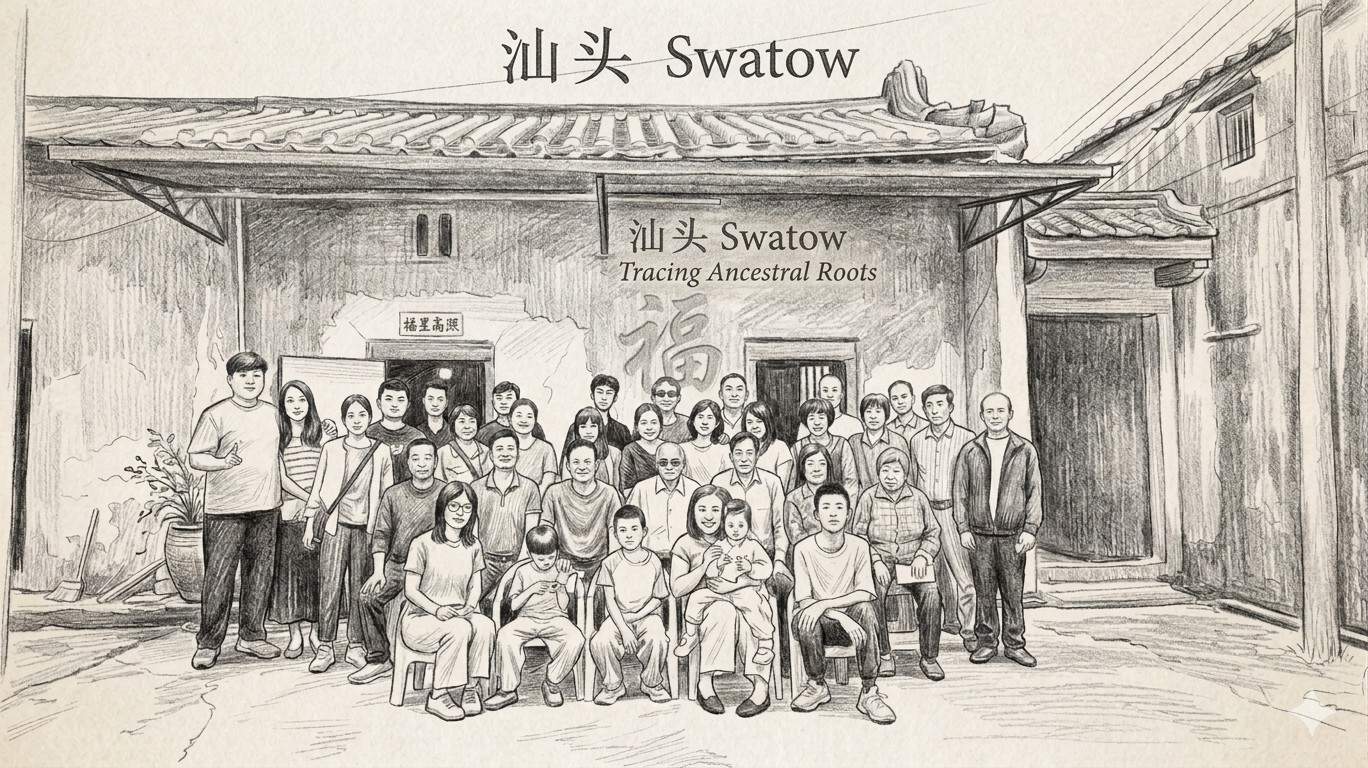
After months of meticulous planning, we successfully brought Gung Gung back to his ancestral village in Swatow, marking the first time in history he met his blood relatives in China.
This monumental feat was not without its “turbulence.” As the sole organizer of this pilgrimage, I spent months deeply immersed in historical research, logistical preparation, and the complex liaison between our family and the China side—coordinating everything from distant relatives to local agents, hotels, and even the airline (an experience that is usually coordination-free, but certainly wasn’t this time!).
Pre-Trip Turbulence: Testing the Logistics
In many ways, this trip was a test of my faith. Just two weeks before departure, we faced a major data breach with our airline. This was also the first time I encountered an airline’s self-service portal hitting so many roadblocks—even adding in-flight meals required contacting their local office instead of using the straightforward self-service options I am used to with other budget carriers.
Then came the “hotel scare.” A total lack of response on the booking platform forced me to reach out directly via WeChat early on. Then, just one week before our trip, we received a chilling security email from Agoda regarding suspicious activity on Booking.com’s systems that threatened to compromise our reservation.
Tuning Out the Skeptics
Despite these hurdles, the visit was a resounding success. I had read and watched various travel blogs and vlogs beforehand; while many described highly successful root-seeking journeys, some cautioned disappointment. I knew I had to travel with an open mind, discarding all expectations and focusing purely on my core mission: making this trip as smooth and comfortable as possible for Gung Gung.
There were plenty of skeptics along the way offering well-intentioned warnings to be careful of scams, unscrupulous characters, or relatives asking for money. However, I managed to tune out the noise. As one of the early female solo backpackers from Malaysia back in the day—when fellow travelers were often astonished to meet a solo woman from my country—I’ve always operated on a foundational belief: there are far more good people in the world than bad, and the dishonest ones are the minority.
Using a blend of street smarts and due diligence, I have navigated many challenges in travel and in life. I approached this trip with that exact same mindset. In the end, we were blessed with many “guardian angels”—kind-hearted people, genuine, considerate relatives, and dependable local contacts who ensured every piece of the puzzle fell perfectly into place.
The Journey Inward: First Steps on Ancestral Soil
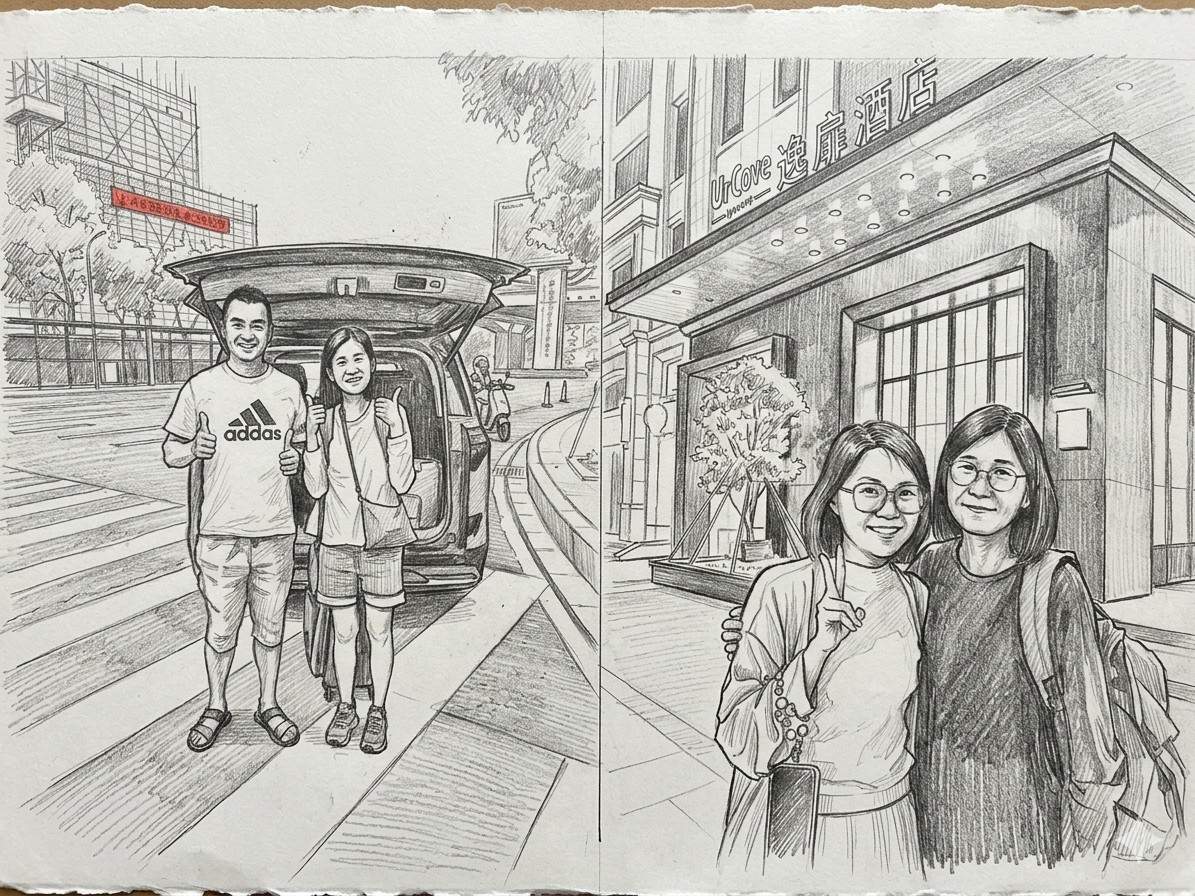
Our morning started in a bit of a rush. Gung Gung woke up slightly late after our late-night flight into Jieyang Chaoshan Airport. Even so, he was already touched by the incredibly warm welcome from Xuān Ní, our local agent. She had greeted us at the airport, hovered close by to keep an eye on us during our self-booked hotel check-in, and even thoughtfully arranged supper for our arrival.
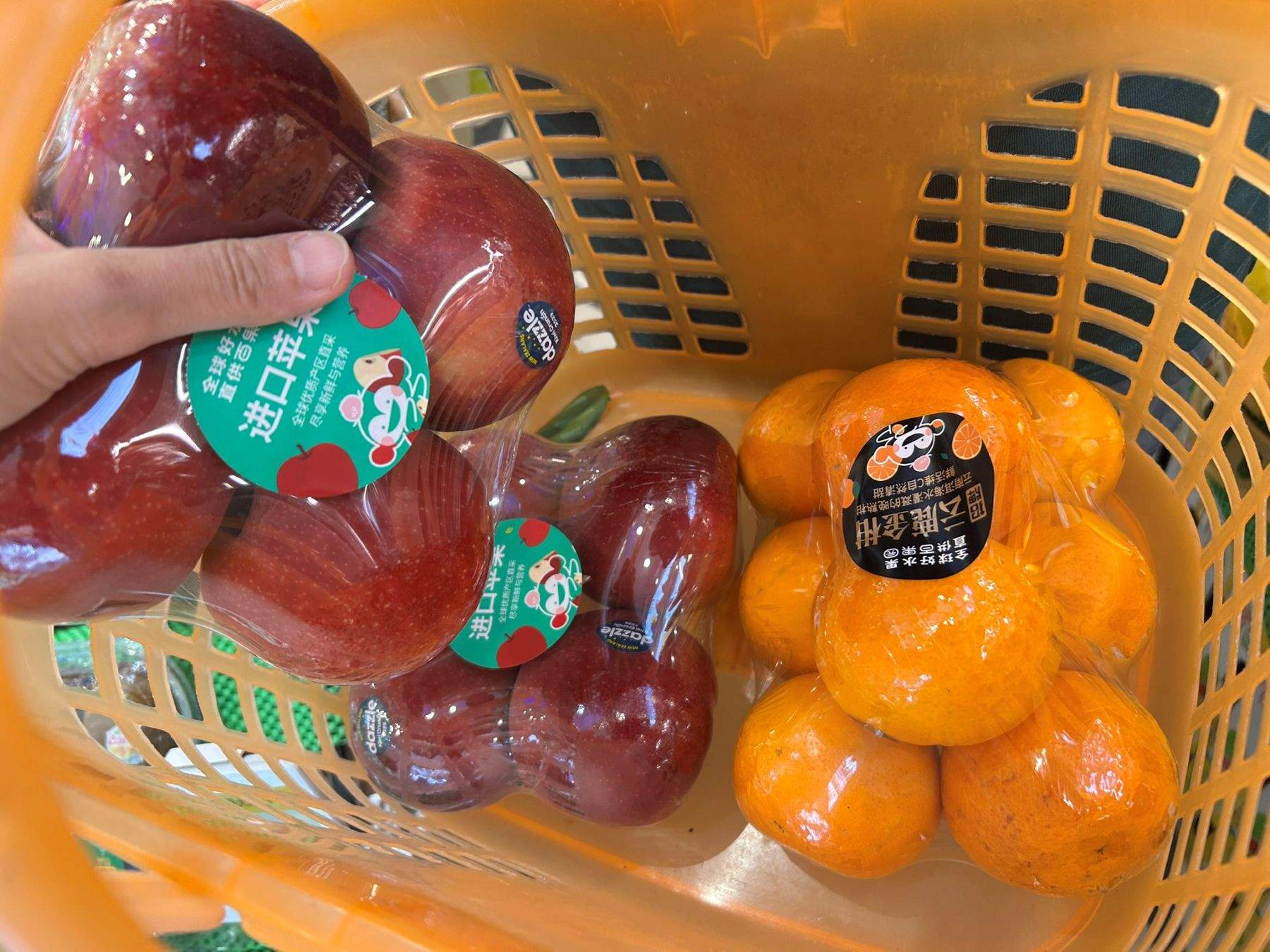
After picking up auspicious fruit for the ancestral hall prayers (we chose the number eight, buying eight apples and eight oranges) and grabbing a quick breakfast at McDonald’s—where we learned that not many local breakfast eateries serve coffee, making a nearby mall’s golden arches our ultimate savior—we were on our way. A gentle, timely nudge from our driver let us know it was time to move. He was an excellent timekeeper, a trait I deeply appreciate as I am much the same.
The Road to Longdu
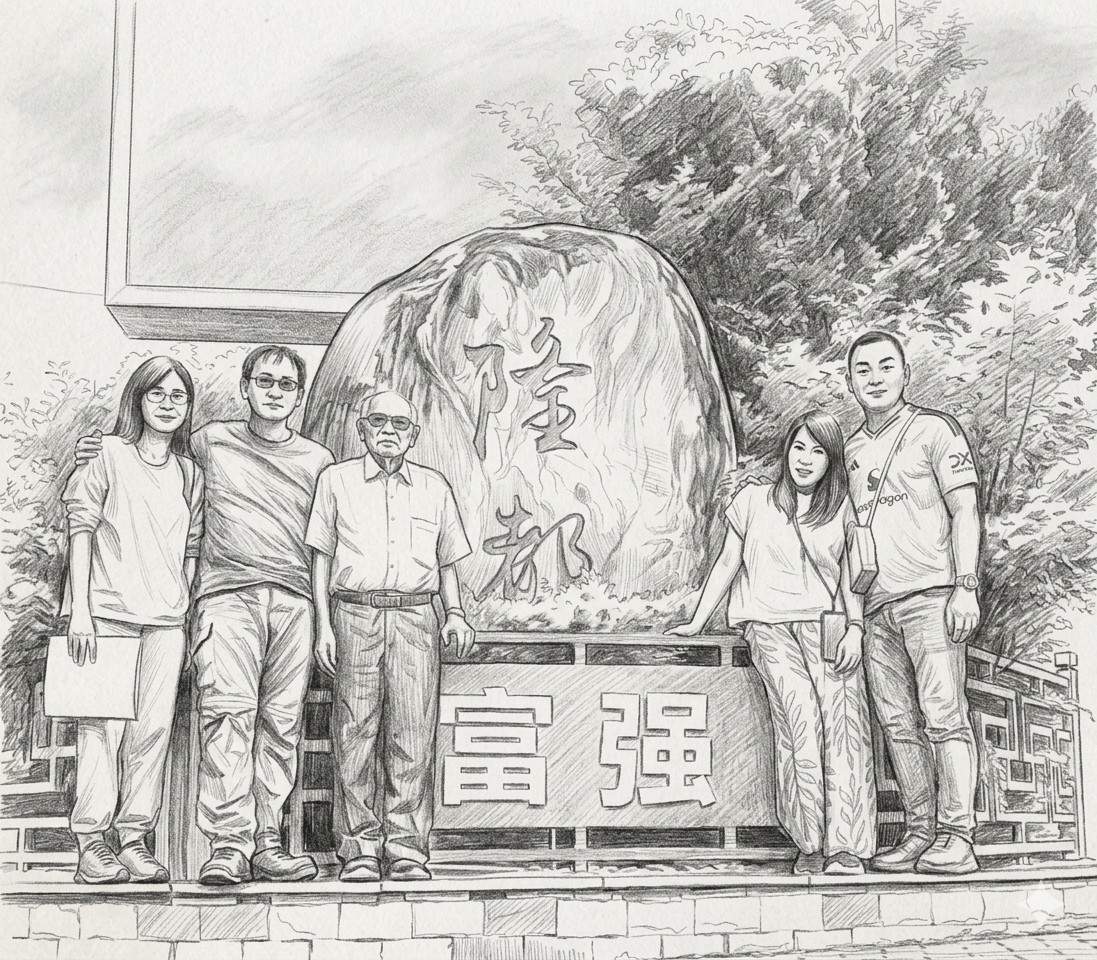
Our driver, Tang Shifu, was incredibly sharp. When I requested a photo opportunity with a regional sign for Gung Gung, he actively spotted the township markers along the road and pulled over safely so we could capture the moment. I turned to Gung Gung and told him:
“We are stopping to take a photo with the Longdu (隆都) marker.”
Hearing the name of the town he had spoken of his entire life, and finally feeling his feet on its soil, was unforgettable. Tang Shifu noted that local destinations always feature prominent name signage, and true to his word, we spotted another beautiful marker bearing our specific village name later on right at the location. We received plenty of curious stares from the locals, but the excitement in our group was palpable.
I was in constant communication with Bridge Uncle (our Main Host) as we both traveled toward our meeting point, keeping each side abreast of our ETA just enough without being overbearing. Upon entering the village, Tang Shifu seamlessly took over the logistics, speaking directly with Bridge Uncle to serve as our local liaison. Moments later, we saw Uncle and other relatives quickly walking out to the main road looking for us, since there wasn’t a known, proper drop-off point.
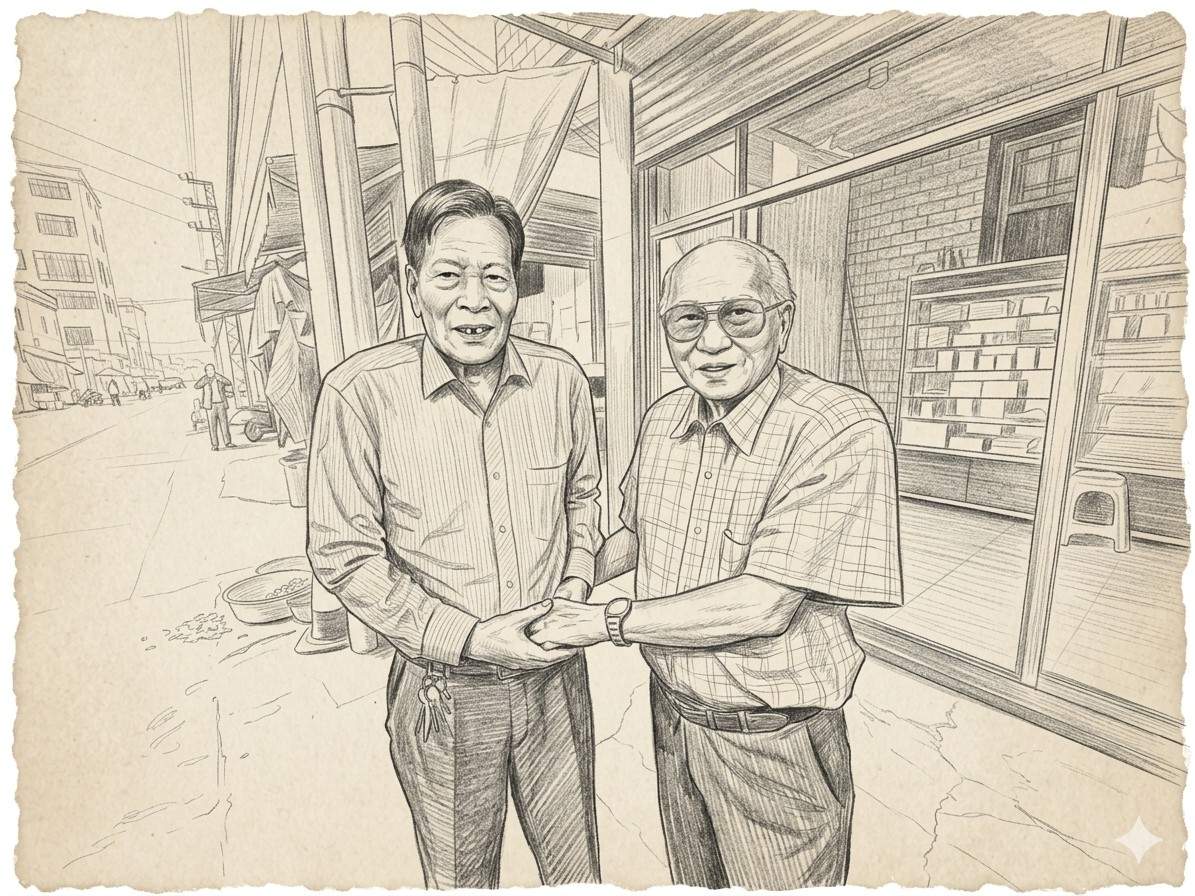
The exact moment Gung Gung and Bridge Uncle met in person for the very first time was pure magic. I managed to catch it on camera—a blessed, fleeting moment of two elders holding hands, so natural it would be impossible to replicate.
A Bridge Between Worlds: The Village Reunion
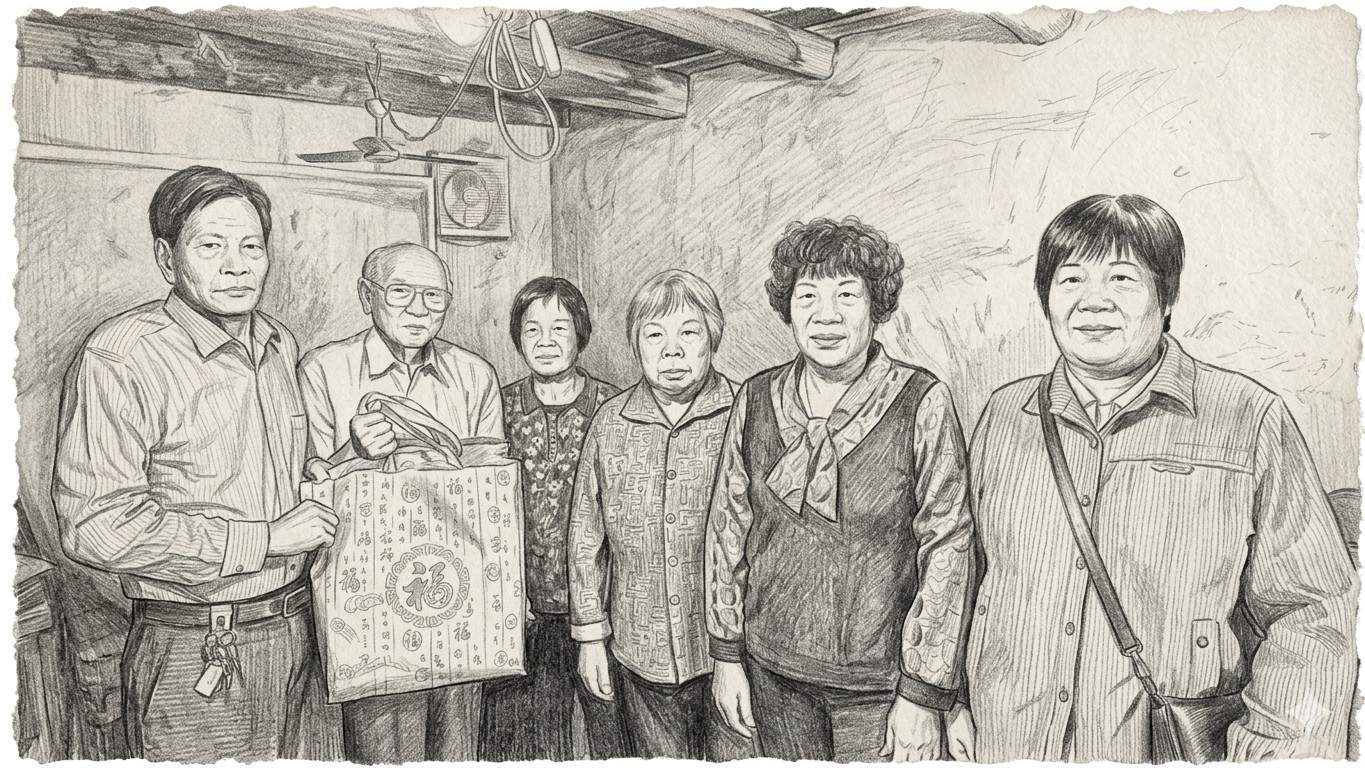
The reunion was filled with overwhelming joy, though as an introvert who usually prefers to be an observer, I found myself entirely consumed by my role as the “sole communicator.” I was constantly translating between dialects, ensuring Gung Gung handed over the gifts meant for Bridge Uncle and his family, distributing Thai snacks to spread luck to our relatives and the villagers, and making sure our meticulously organized folders of family research and photo albums were being properly shared among the gathering relatives.
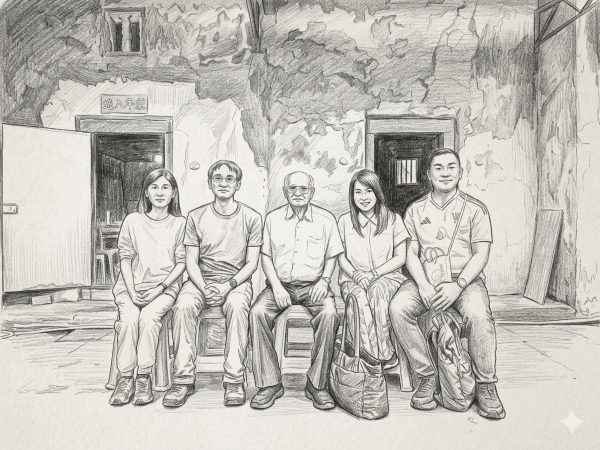
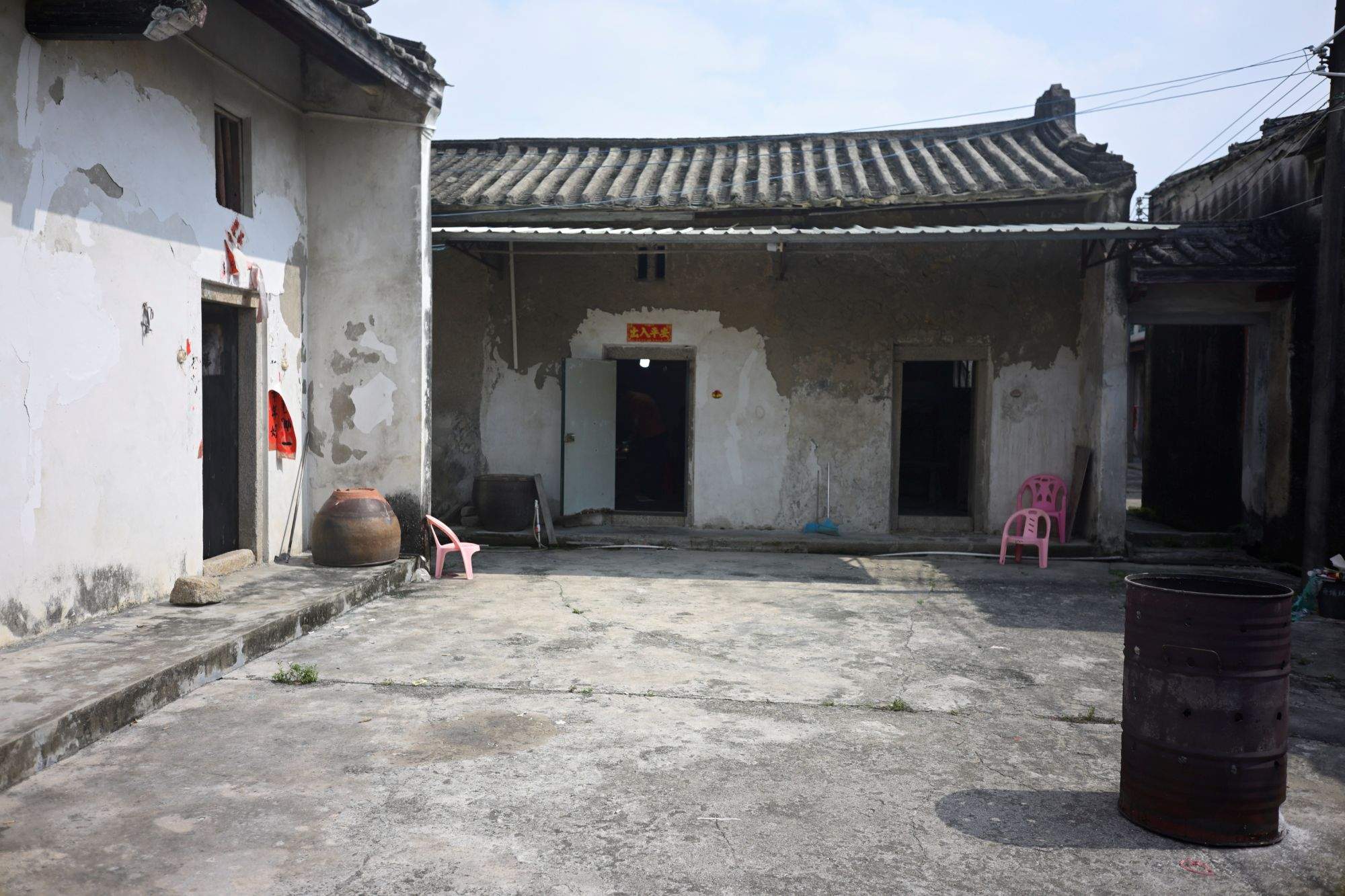
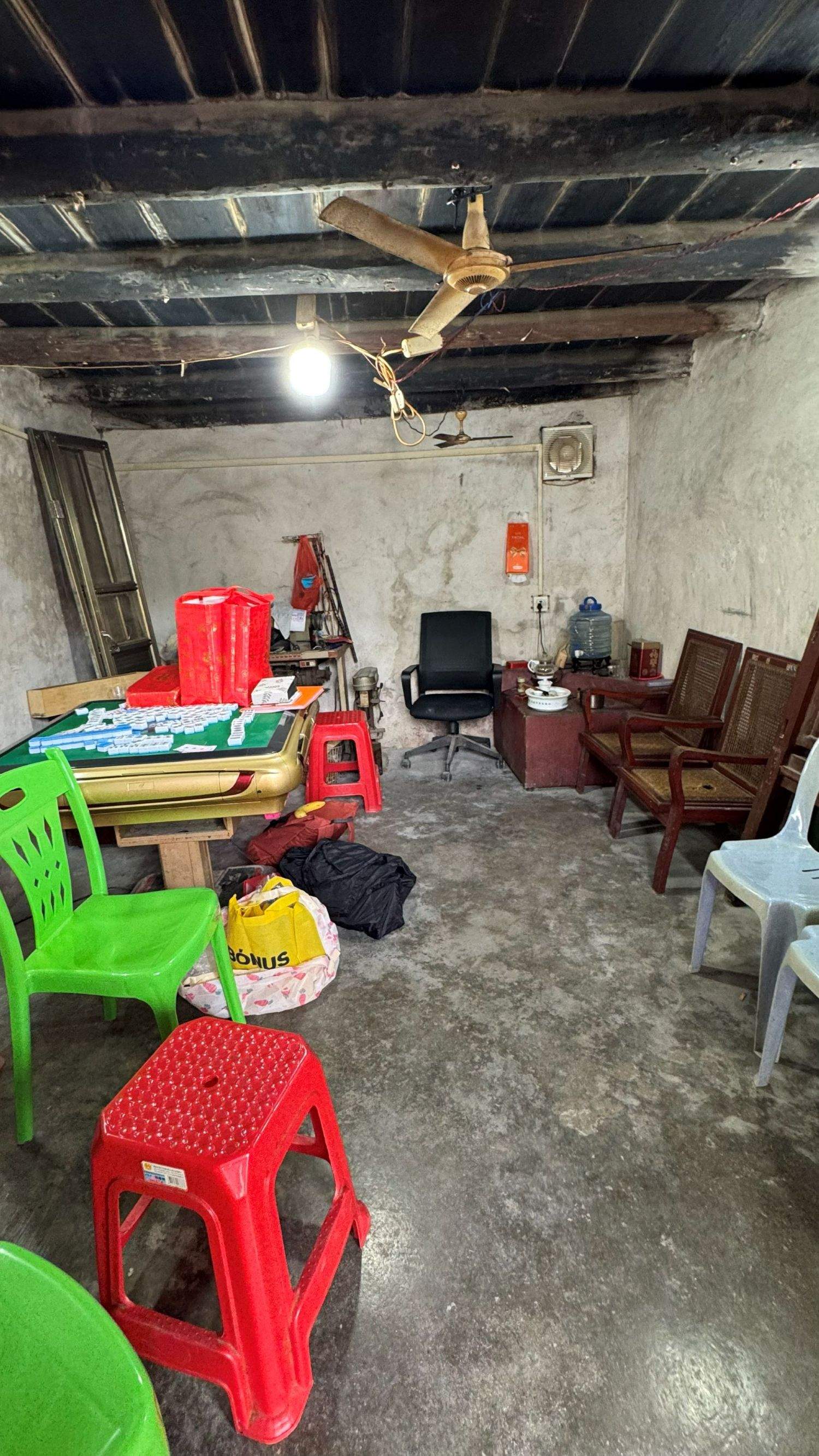
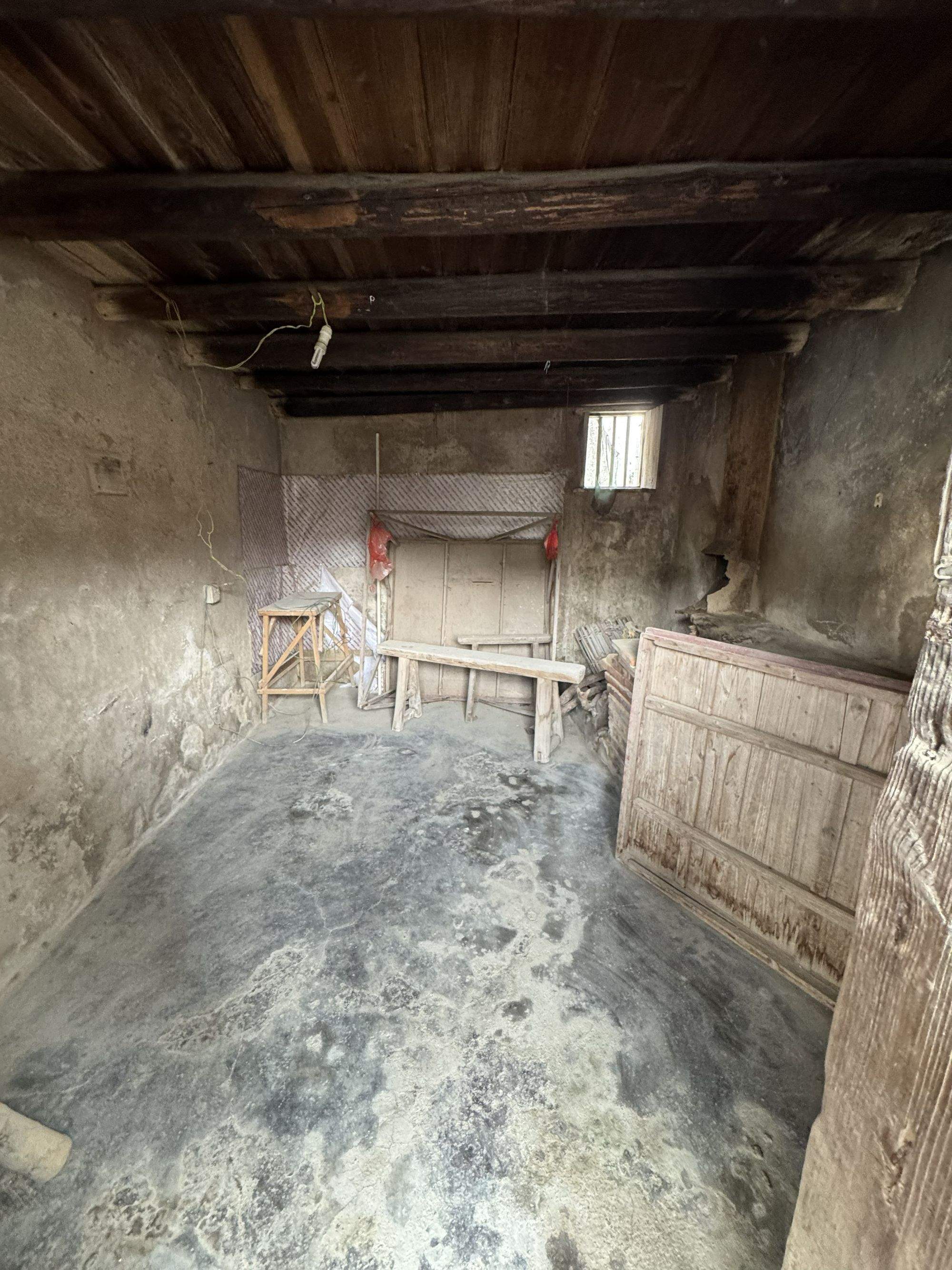
We arrived at the village around 10:00 AM and were taken to see the original home belonging to Gung Gung’s lineage. It is a humble structure today, but it was considered a “good house” back in its glory days. Between 30 to 40 relatives returned to meet us—including many who usually do not visit the village—and the introductions passed by in such a blur of excitement that it was nearly impossible to definitively map out who was who.
Traditional Customs at the Ancestral Hall
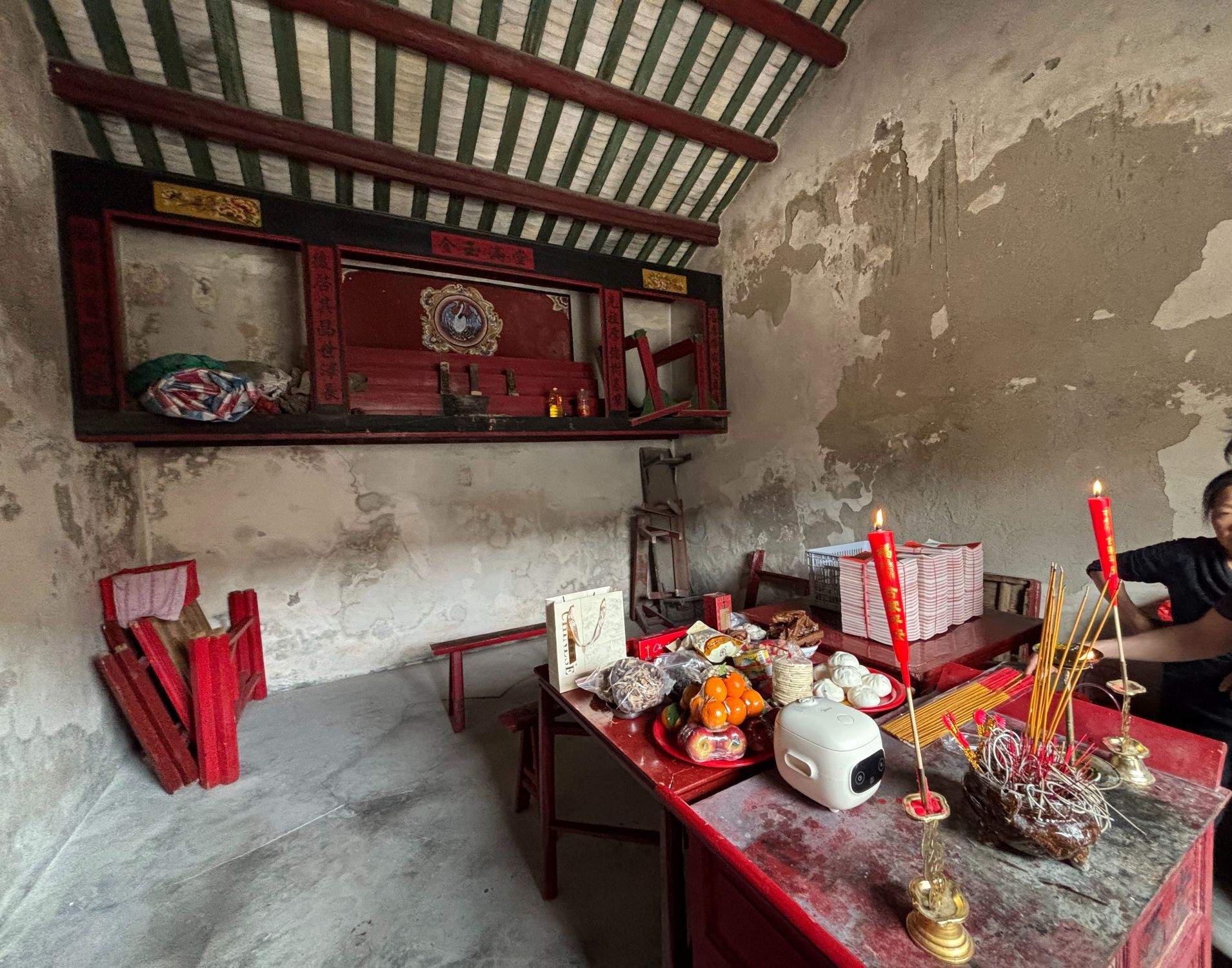
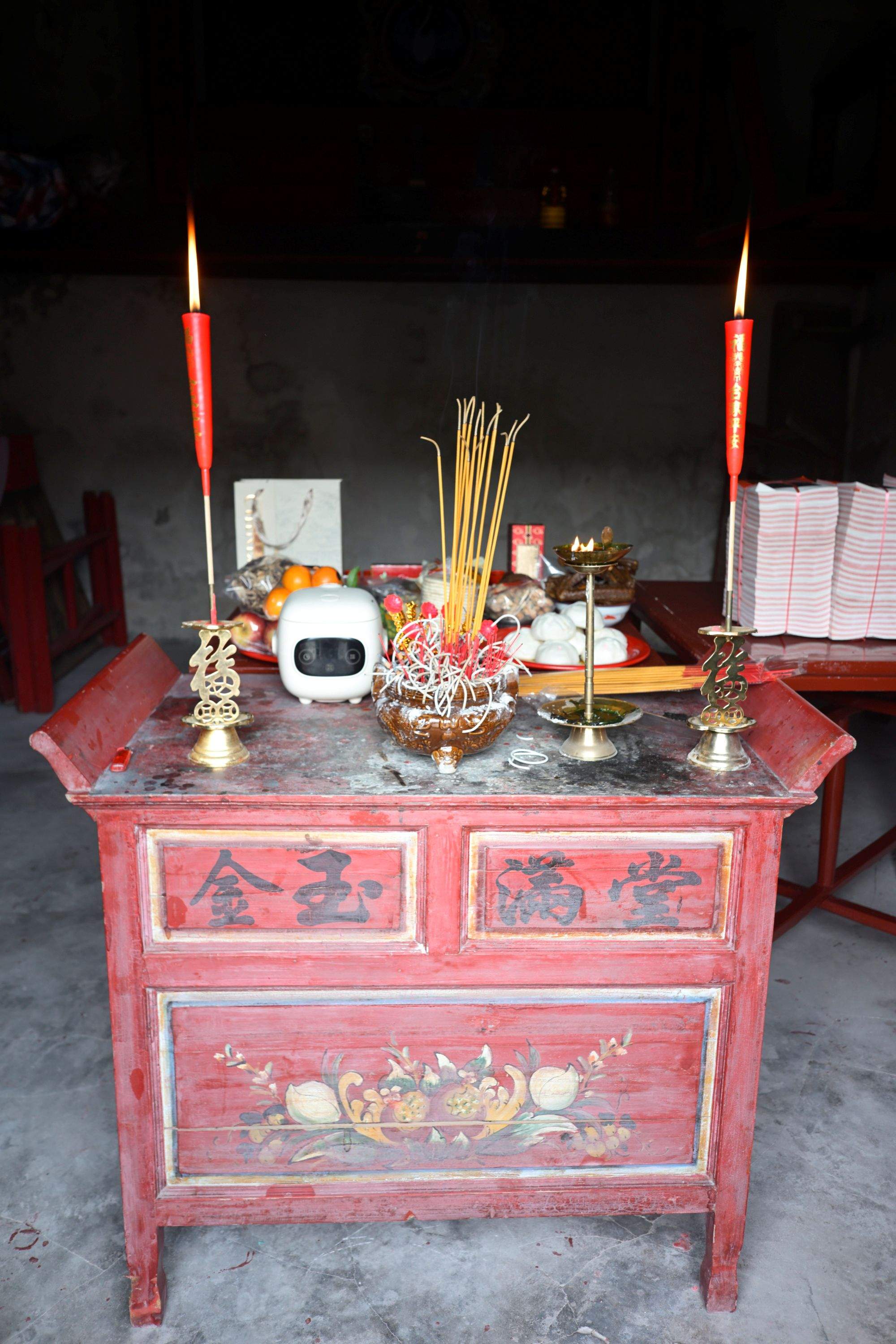
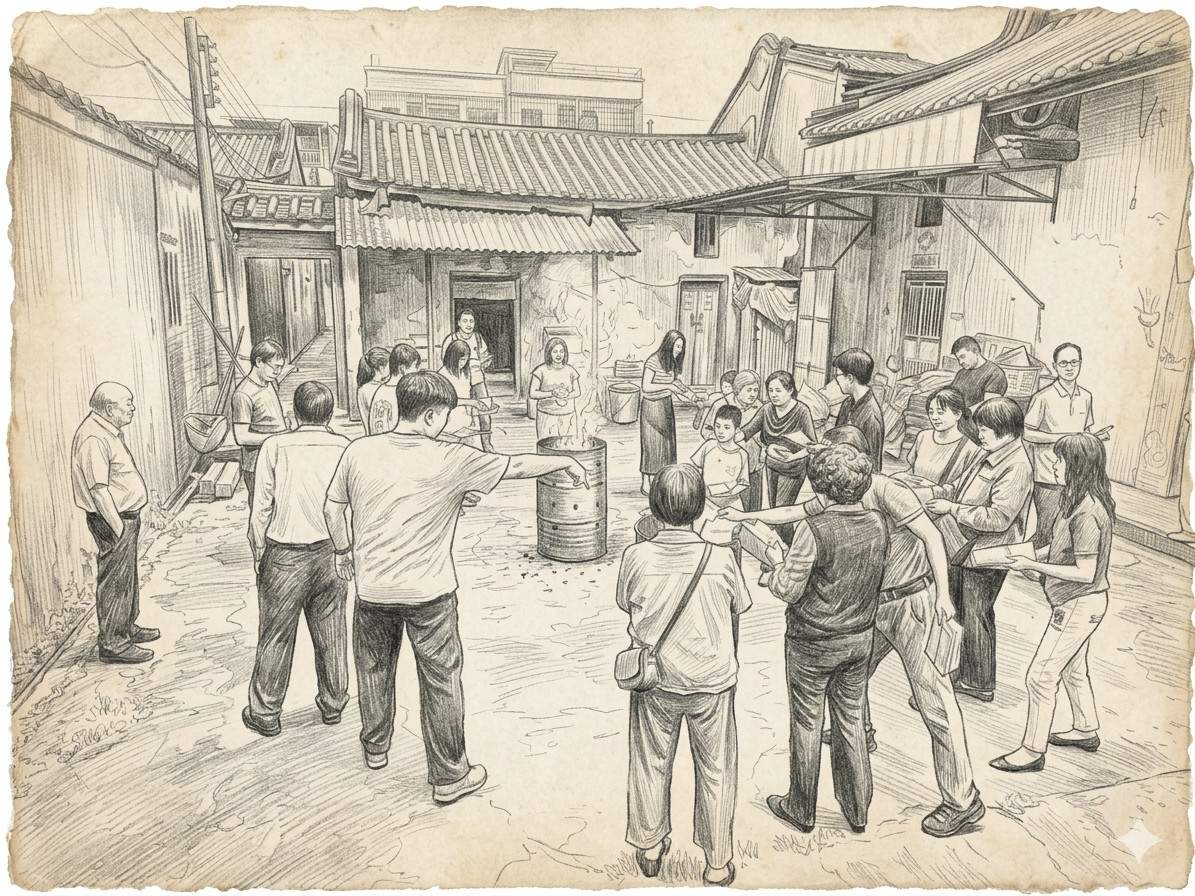
Close to 10:30 AM, we were ushered to the central village ancestral hall for the prayers in the same compound. The ceremony followed strict traditional customs:
- The Order: Our side was asked to pay respects first, followed by the local relatives.
- The Ritual: We performed the traditional three-fold prayer ceremony. Interestingly, after the first round of the three-round prayer, holding joss sticks was no longer mandatory.
- The Mystery: Curiously, our family’s specific ancestral plaque was missing from the hall. Bridge Uncle didn’t know the exact history behind its absence but confirmed that every single member of the village prays at this central sanctuary regardless.
- The Offering: We then moved to the large communal burner for the ritual burning of prayer paper. Our relatives patiently taught us the proper technique: how to effectively split and fan out the stacks of paper with the folded edges facing outward before placing them into the tall container so the flames could catch the draft, allowing the ashes to fly high into the sky.
Tang Shifu later posited that the missing plaque might be because our branch of the family hadn’t been present to participate in the ceremonies when the ancestral hall was originally established. According to the historical village marker, the community was originally founded by two main family surnames.
Connection Over Conversation: Roti Saimai and Walking the Lanes
Tang Shifu drove us to a nearby restaurant for lunch, coordinating directly with Bridge Uncle to ensure we arrived smoothly.
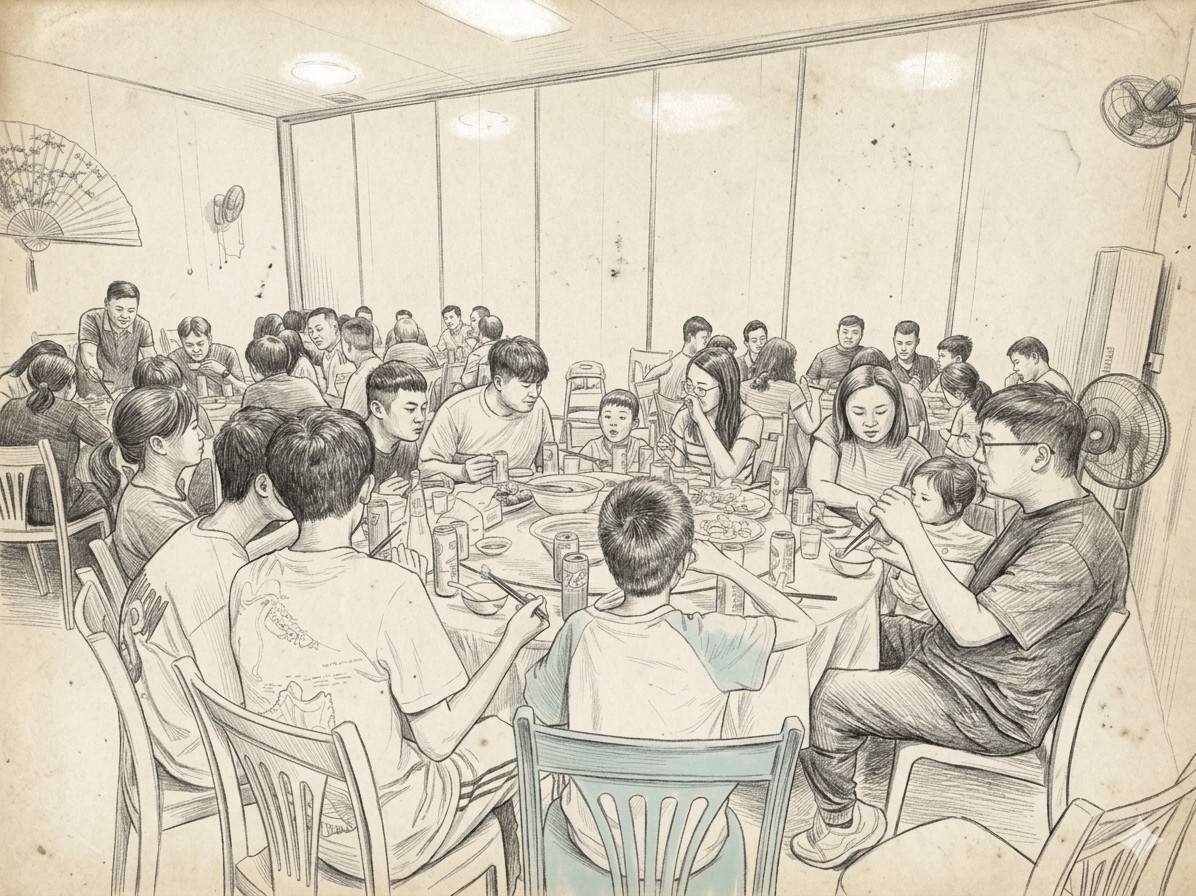
Lunch itself was a quiet affair. My husband later noted the “dead air” at the table, but I felt it was simply a reflection of everyone focusing on the incredible meal and processing the sheer gravity of the moment. Usually, I am well-versed in keeping a table conversation flowing when acting as a host, but it was no easy task to balance small talk while simultaneously managing the table layout, feeding myself, and picking out suitable dishes for my father-in-law. Given the seating arrangement, Bridge Uncle occupied the seat to Gung Gung’s right, while I sat to his left as the primary translator—and both men did not attempt to start conversations for me to translate!
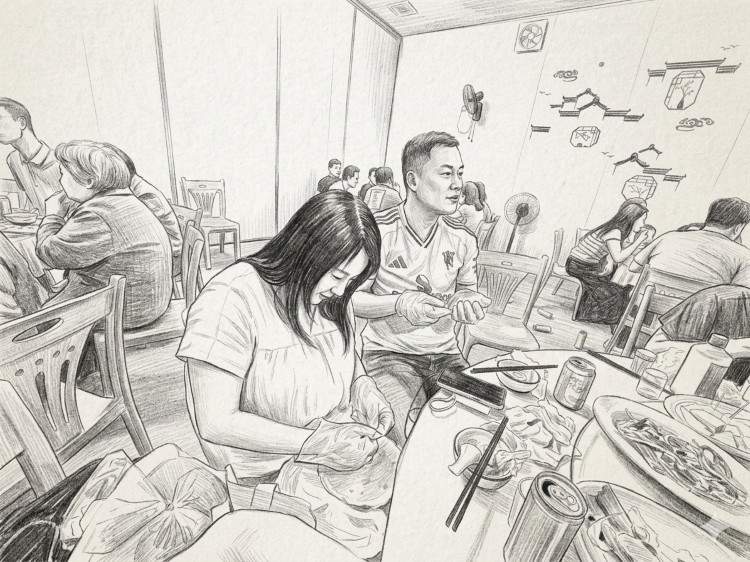
In the whirlwind of ensuring everyone was taken care of, I realized afterward that I had completely forgotten to offer to pay for the meal—a small oversight in the rush of the day. However, my sister-in-law brought out a wonderful treat: Roti Sai Mai (Thai cotton candy wraps) that we had brought all the way from Thailand, wrapping and serving them right there on the spot.
Corporate Skills Meet Family History
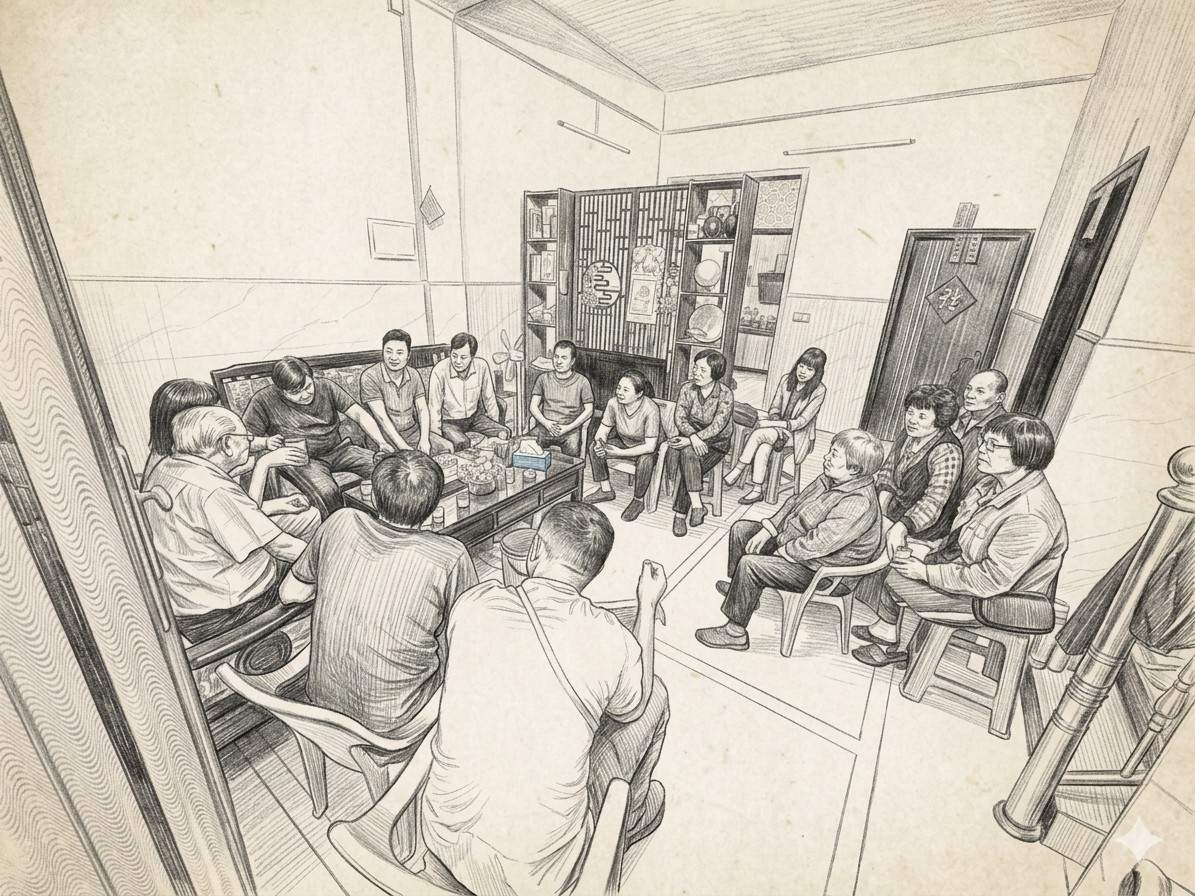
The truest, deepest connections happened after lunch during our walks and house visit through the village lanes. Bridge Uncle had been incredibly considerate throughout our planning, advising us to dedicate just one single day to the village visit so Gung Gung wouldn’t be overwhelmed and ensuring the extended relatives would have time to gather and disperse naturally, leaving the rest of our itinerary open for relaxed sightseeing. They were deeply respectful of our schedule and deliberately didn’t burden us with heavy, bulky souvenirs to carry back to Thailand.
The folder I prepared of the family history worked wonders. It was packed with family photos from both the old days and current times, alongside the branches of the family tree in Thailand and the precious informational nuggets I had gathered in preceding months from Bridge Uncle. The family tree layout I designed for both the Thailand and China sides made the lines of descent easy to follow—putting all those PowerPoint presentations I do for work to excellent use!
The Century-Old Well
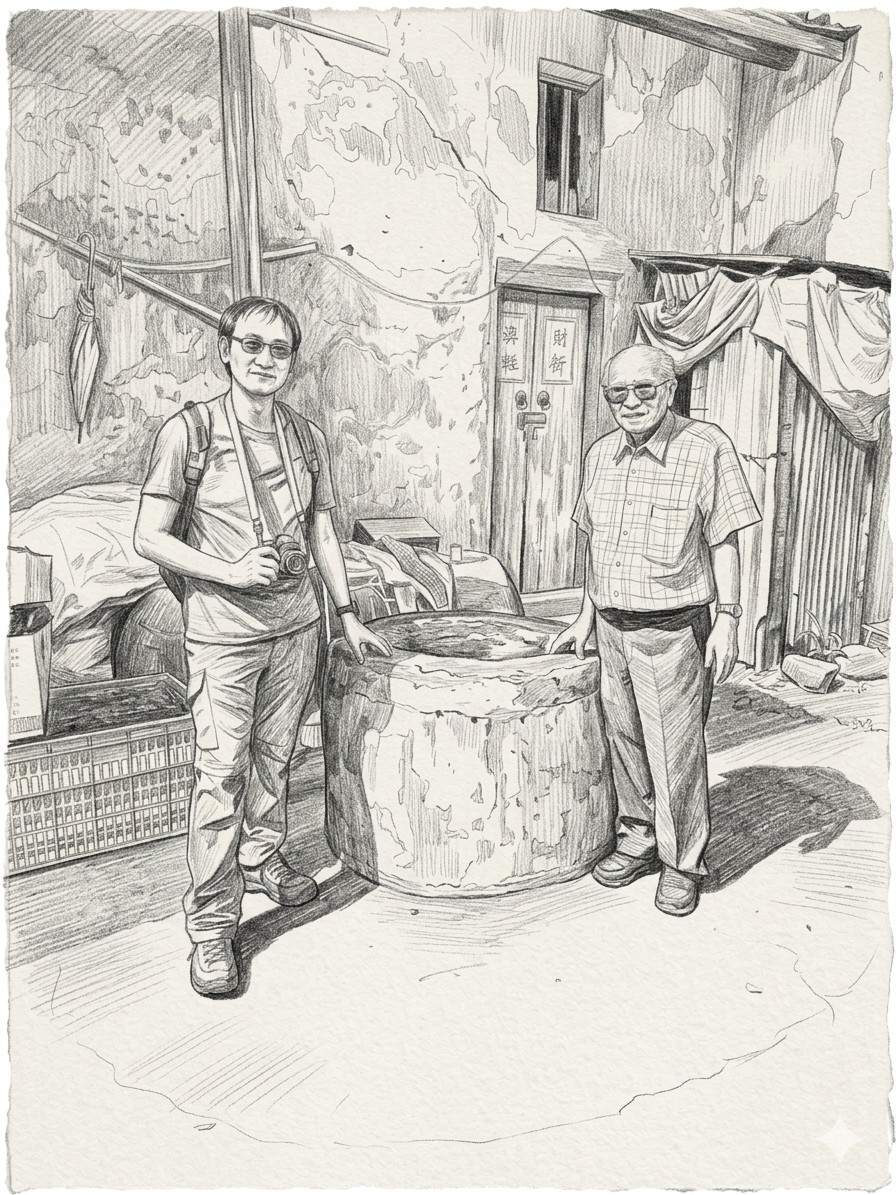
One of the most touching moments occurred toward the end of our walking tour. Gung Gung suddenly recalled a vivid detail his own father had passed down: a specific family well that they used for their daily needs a century ago.
Hearing this, our relatives immediately guided us back toward the ancestral hall and his lineage’s old home compound. Gung Gung was visibly overwhelmed with emotion to stand before the very well he had heard stories about since childhood, taking photos to preserve the moment. It was a piece of family history that my husband and his sister were hearing for the very first time, and their excitement was nothing paler to his.
Reflections on a Sacred Task
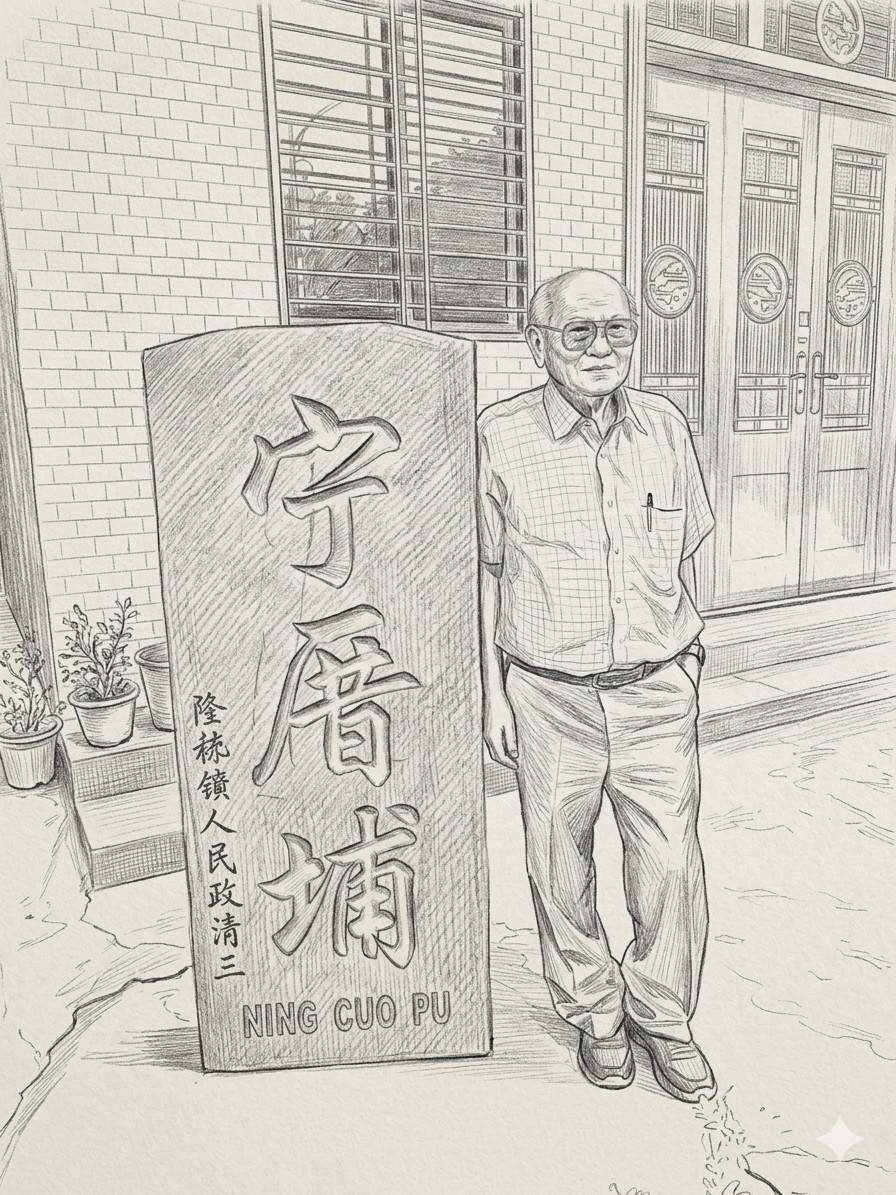
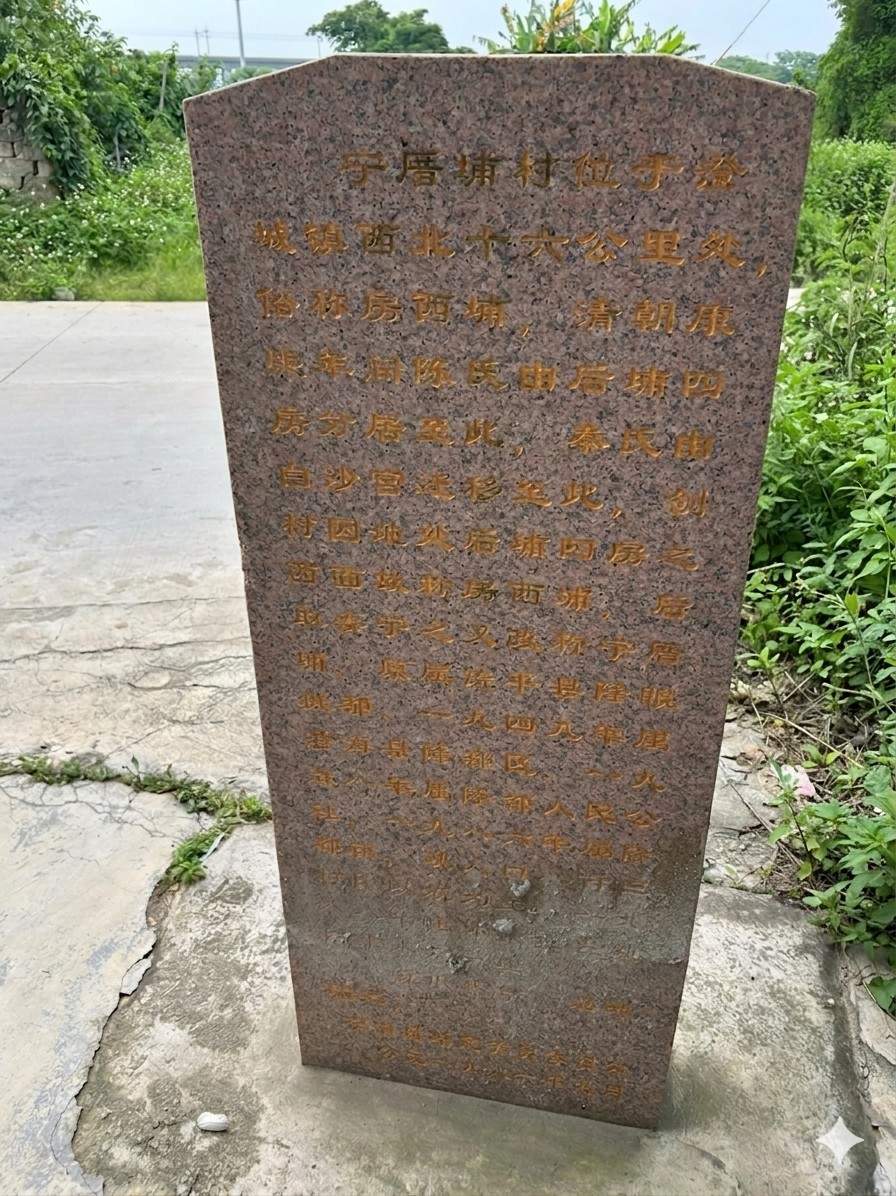
Upon returning to the village after lunch, our relatives pointed us toward the official village marker—right after they saw us enthusiastically posing for a photo with the village name printed on an electric pole! We paused to “read” the official village marker, which really meant photographing it so it could be properly translated upon our return to Bangkok. It beautifully validated all the historical research I had spent months digging into, confirming the various village name changes and the administrative shifting of boundaries between Raoping and Chenghai counties before the area officially became a part of Longdu Town in 1986.
When we later asked Gung Gung if he would ever want to return, he answered with a resounding “yes” without a single moment of hesitation, expressing a hope to bring even more family members with him next time.
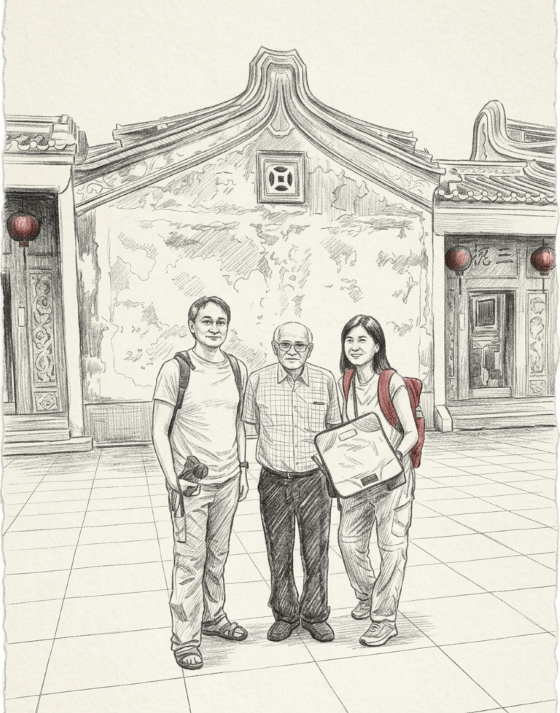
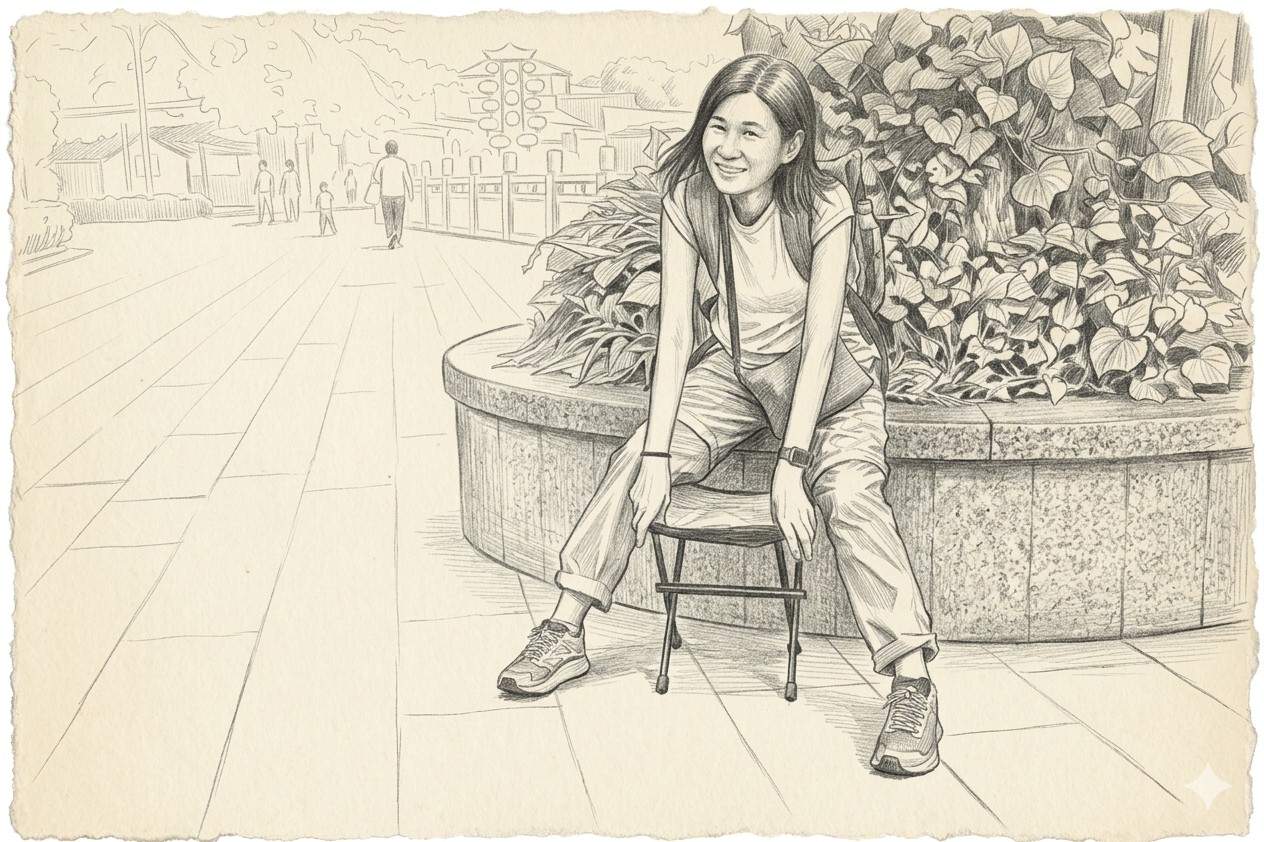
While recording a casual video of him chatting with my husband on our final night in town, he thanked me deeply for locating the village—a daunting task the family had never attempted before due to severe language barriers and the sheer complexity of tracing lineage across borders. He added the family was profoundly blessed to have a daughter-in-law who is so capable, and who not only spoke Mandarin but put her whole “heart and sweat” into the search.
I later told my husband that I always thought my Thai language skills were my biggest gift to the family, but it turned out to be my Mandarin—a language I hadn’t even invested much time into learning! Ironically, this trip required the most Mandarin I have ever spoken in my entire life. He reminded me of the language struggles I had when we visited Zhangjiajie a few years back. He wasn’t wrong, which made it all the more incredible how my vocabulary suddenly stepped up to match the gravity of the occasion. It truly was a mission accomplished.
Continuing the Relationships Built
The journey didn’t end when we boarded the plane back to Bangkok. I am still maintaining regular contact with Bridge Uncle to identify specific relatives in our photos, carefully jotting down who is who, and coordinating the money transfers for the ancestral village prayer contributions.
Through this, I started chatting with his eldest daughter, and a genuine friendship has blossomed. It looks like I made quite an impression among the relatives as a meticulous organizer; when I asked her for her dad’s mailing address (and clarified a missing postcode) so I could send him some printed photos from the trip as a surprise, she couldn’t help but wonder what I do for a living! It was incredibly touching to hear that my detailed, structured approach had earned praise even from the village elders.
I have also been updating the wonderful people who helped me in my initial quest:
- Our Xiaohongshu Connection: I reached out to the Chinese netizen who first shared my search on Xiaohongshu—it turns out he has since returned to China and is now working in Foshan City, Guangdong, after his stint in Thailand from 2018 to 2019. We are already making plans to meet up in person when he visits Thailand later this year.
- The Initial Bridge: I sent a heartfelt thank-you to our very first WeChat contact who graciously bridged the initial introduction to Bridge Uncle.
Resources for your own search:
- 🗺️ [The Search: How we located our relatives in just one month]
- 🧧 [Etiquette Guide: Ancestral Village Ang Pao & Souvenir Guide]
- 🚐 [Our Trusted Driver and Agent: Shuxin Holiday Review]
Closing the Loop
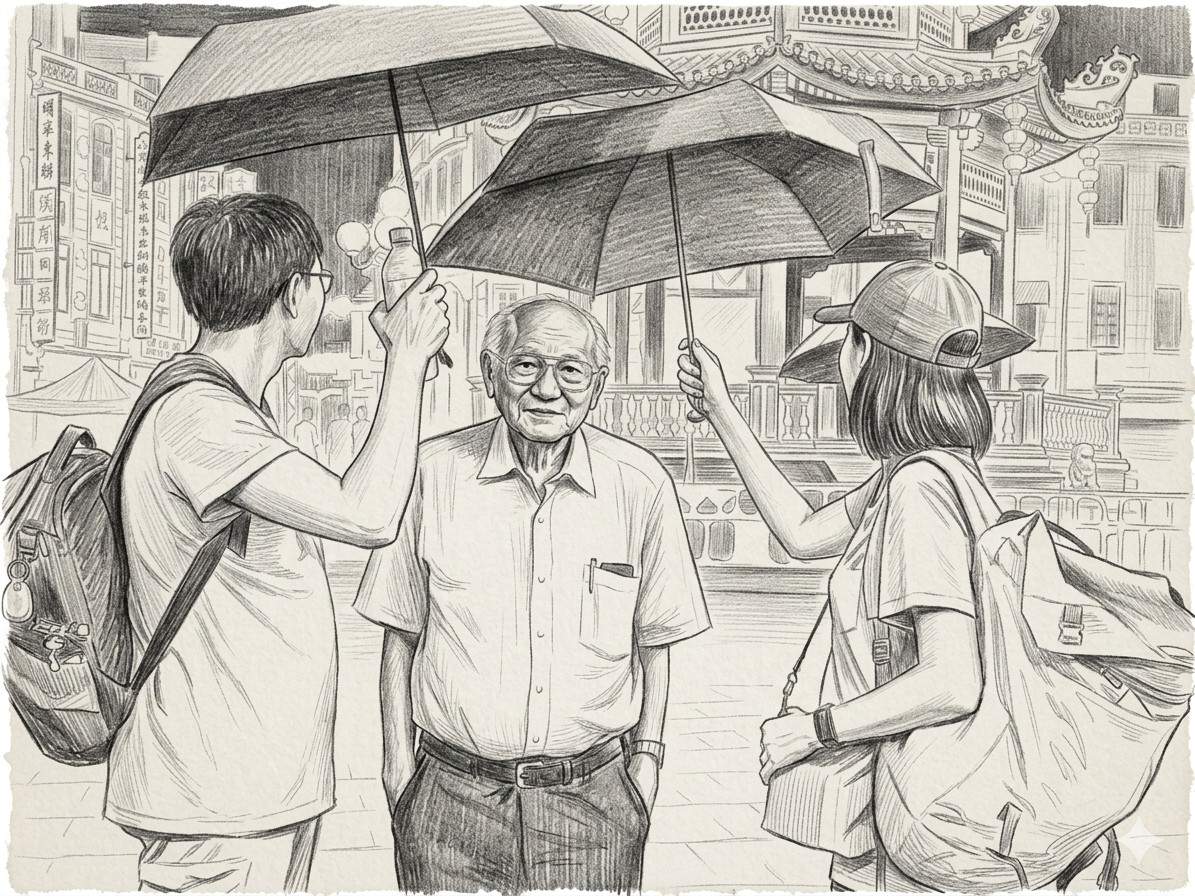
Was this entire experience worth the intense logistical stress? Seeing Gung Gung stand by that ancient ancestral well, successfully closing a 100-year family loop, answered that question once and for all.
He reflected that the trip was completely successful from day one—a mission he admitted he used to think about, but never dared dream of accomplishing because of the language barrier and the complication of briefing travel agents. He reiterated how lucky the family was to have someone who didn’t just have the language skills, but the genuine willingness to execute the search full-heartedly with attentive care.
The China relatives were deeply moved that an elder of his age would make the long journey back to the homeland. To them, his mere appearance was a gift; nothing else mattered. There was no need for grand souvenirs or massive ang paos; just seeing him step into the village was entirely sufficient.
We were incredibly fortunate to cross paths with such genuine people. Even our driver, Tang Shifu—who strictly makes it a rule never to eat with his clients—made a heartfelt exception for our family. I distinctly remember Bridge Uncle scanning the dining hall during lunch, asking, “Where is your driver?” When I told him he was waiting outside, Bridge Uncle walked out to the parking lot himself to personally invite him to our table.
Upon returning home, my husband thanked me profusely for a homecoming that he says has completely changed his father’s life, providing a deep sense of peace and warmth that will comfort him for the rest of his years.
Did this inspire you to look into your own family history? Let me know in the comments below if you’re planning your own “root-seeking” journey!