Arctic Campers Review: Northern Norway Road Trip & The Shoulder-Season Tire Guide
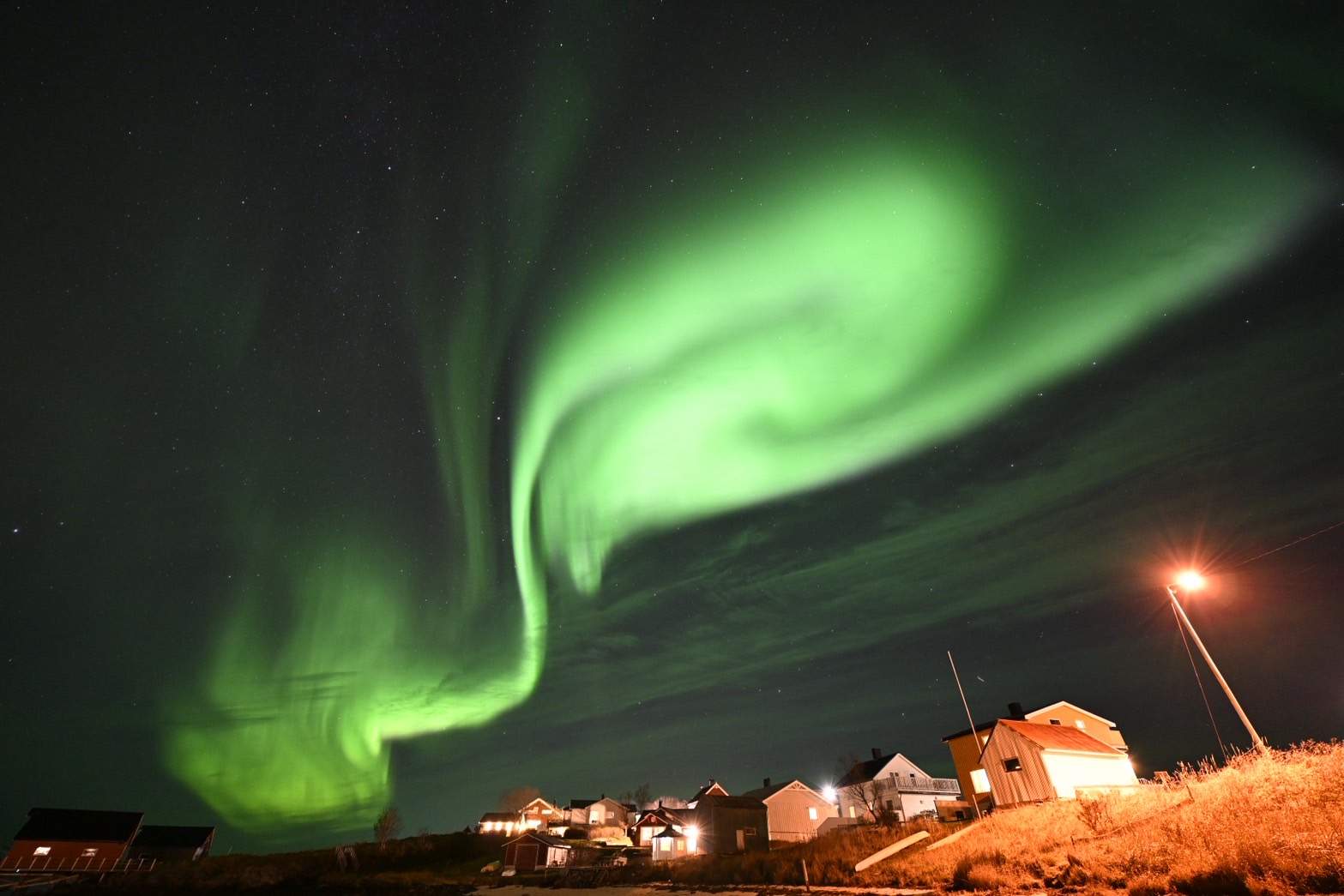
I have sat on this blog post entry since our trip, but with so many travelers currently making plans for their Northern Lights expeditions, I felt this perspective needed to be shared.
In late October, we returned from a challenging, yet unforgettable, three-week road trip across Northern Norway, covering Lofoten, Senja, Sommarøy, Tromsø, and Oldervik. Our journey involved two different vehicle rentals, and our experience—particularly during the tricky autumn-to-winter shoulder season—revealed critical safety and administrative insights that every traveler should know before heading north.
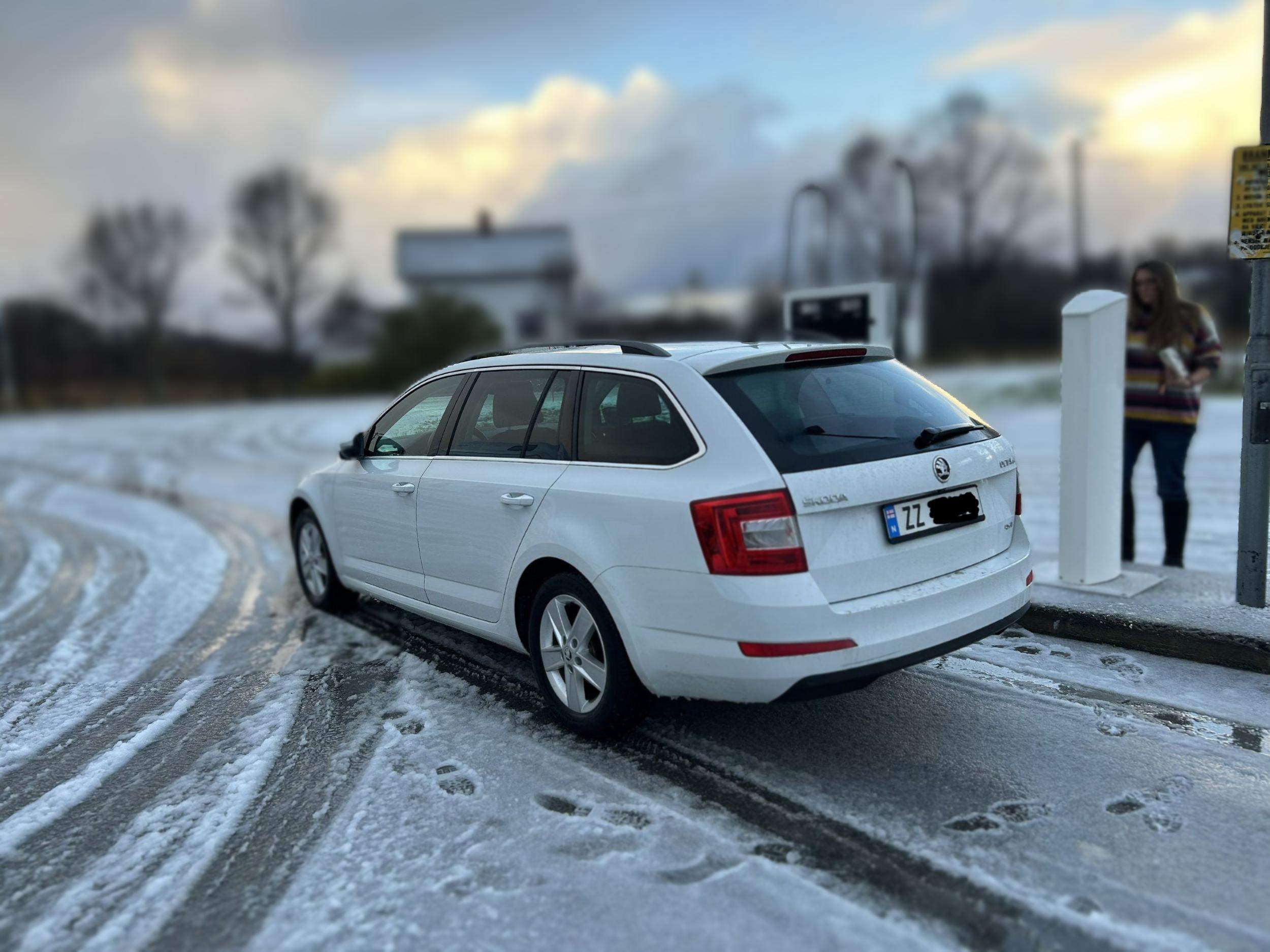
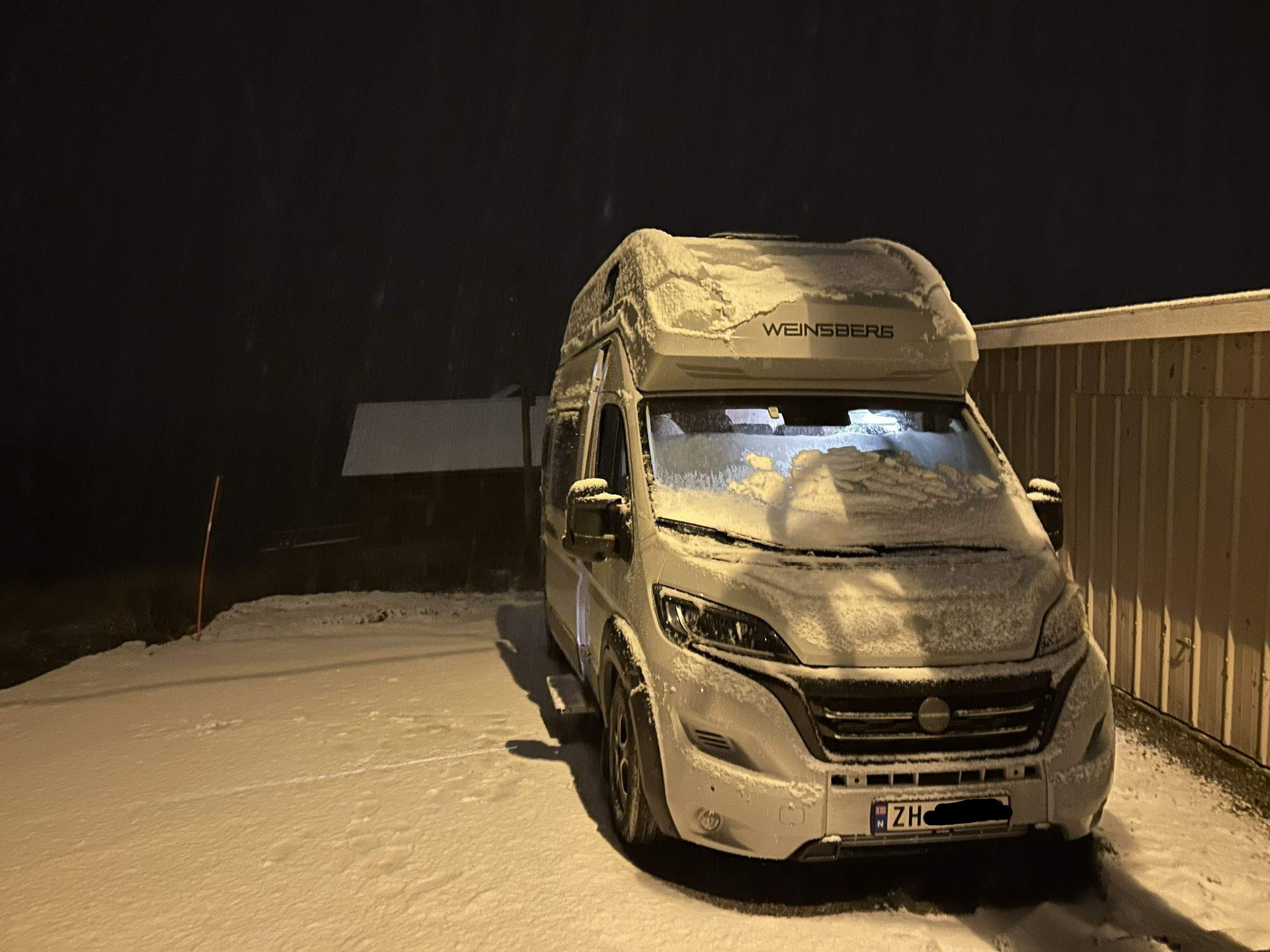
For the first leg, we utilized an Arctic Campers motorhome. For the second, we switched to a smaller 4WD from Blue Rental Car (which operates within the same ecosystem). Choosing to pivot to the smaller vehicle ahead of our initial schedule proved to be the single most important decision we made, allowing us to safely navigate the changing terrain and successfully complete our itinerary.
Note: This review reflects our specific experience during the mid-to-late-October winter transition period in Northern Norway. Our goal is to share the practical realities of renting during this seasonal shift, especially for drivers coming from regions without severe winter weather.
The Critical Safety Lesson: Evaluating Winter Tire Readiness
We booked the Norway Explorer RV (Fiat Ducato) with Arctic Campers and noticed a “Winterisation Fee” during the online booking process. Based on previous positive travel experiences in places like Iceland, we anticipated this meant the vehicle would be fully equipped for any immediate winter conditions. However, we learned that definitions of “winter-ready” can vary significantly by company and specific dates.
When we collected the motorhome on October 11th, the rental team noted that because it was still prior to the official seasonal window for Northern Norway, standard tires were fitted. The team indicated they were following standard legal protocol to avoid premature wear or fines.
Timeline of Our Experience
| Date | Incident / Scenario | Key Takeaway for Travelers |
| Oct 11 | Collection: Advised by staff it was too early for winter tires, despite the seasonal fee structure. | Get explicit confirmation. Do not rely on general booking terms. Confirm the exact tire type fitted for your specific travel dates. |
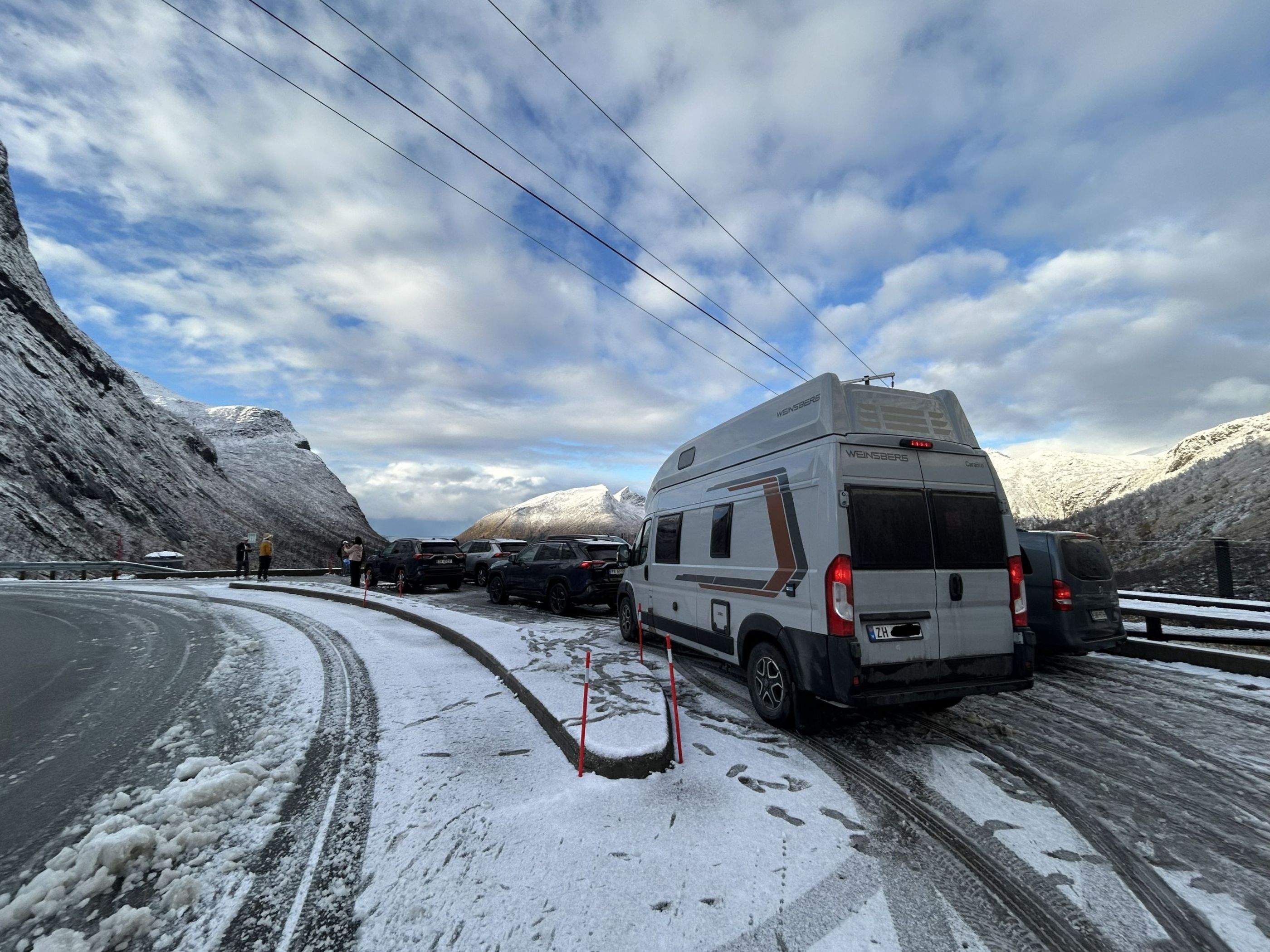
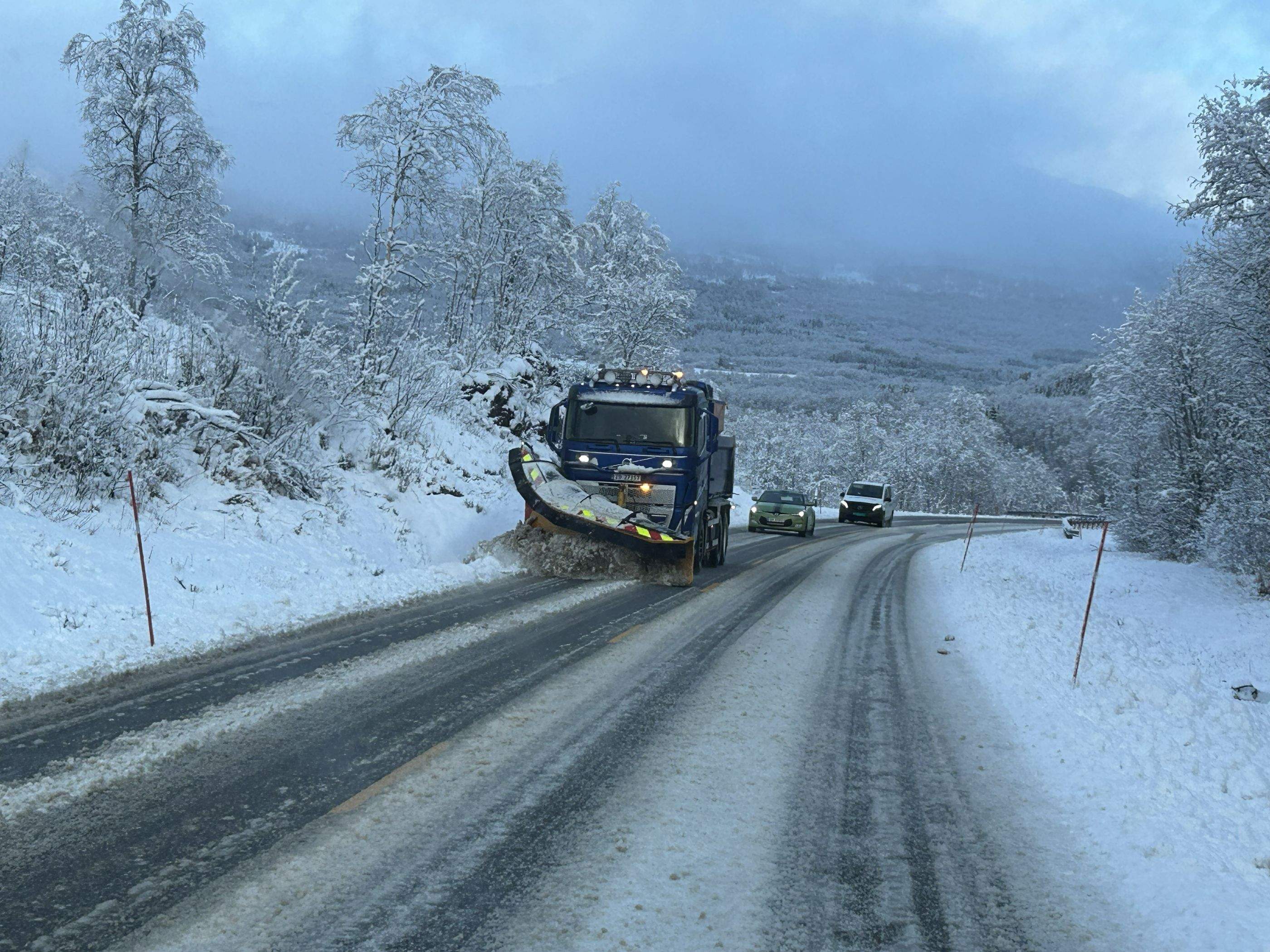
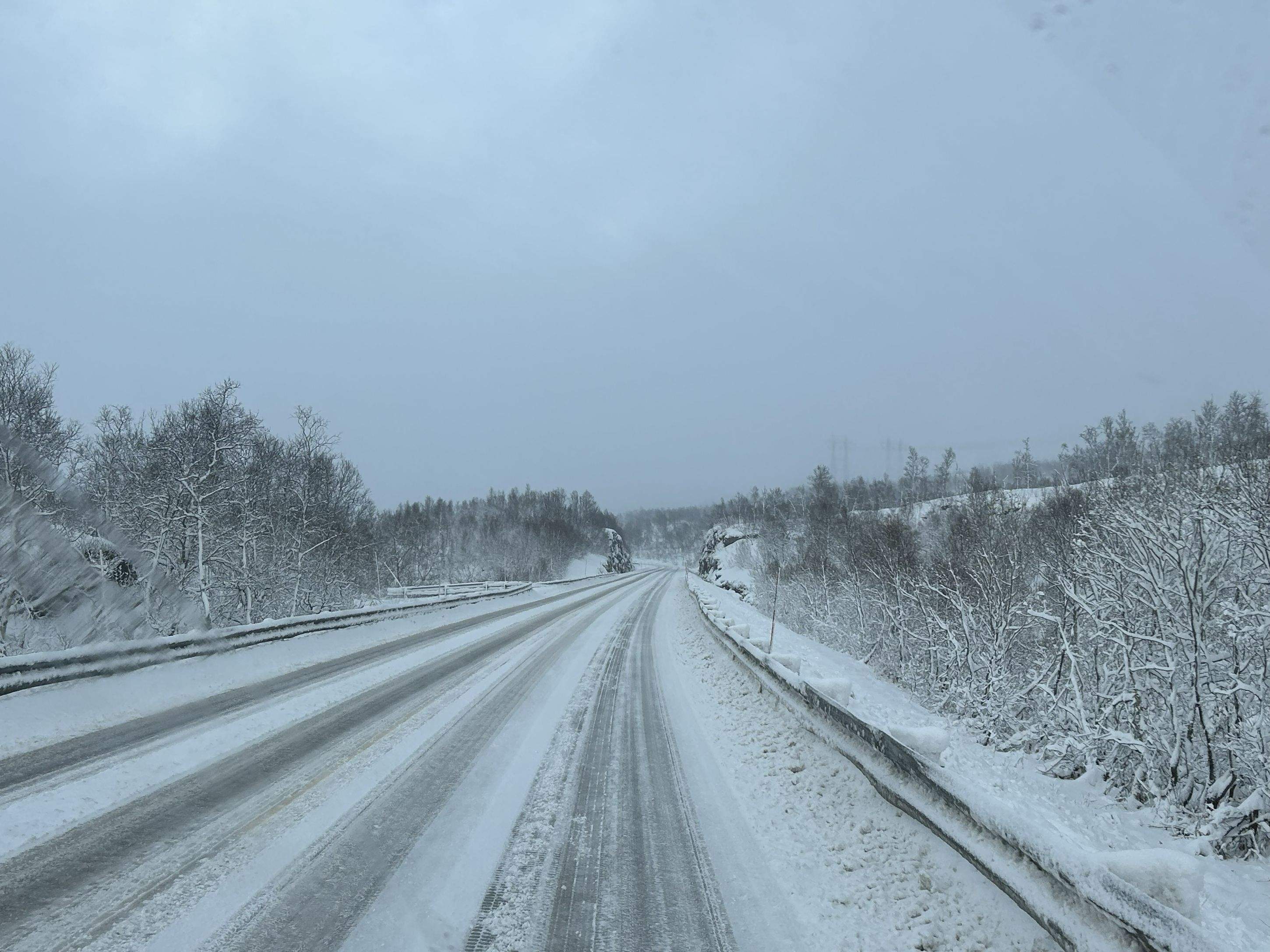
| Oct 17 | Weather Shift: Light snowfall began. We contacted customer service regarding road safety, and they advised us to monitor conditions and drive according to our own comfort levels. | Monitor local conditions. Always check regional real-time road reports (Statens vegvesen) independently rather than relying solely on a rental desk. |
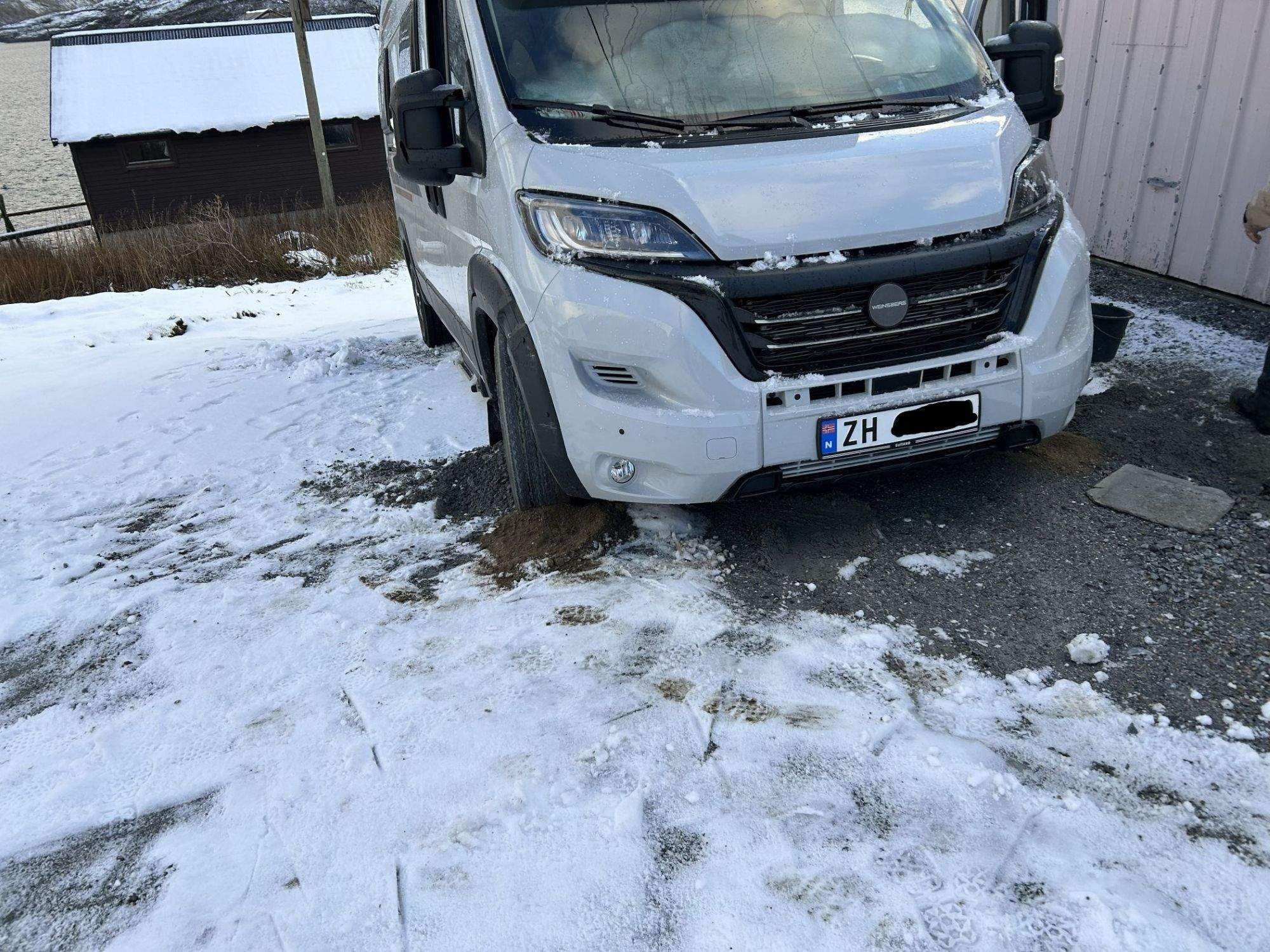
| Oct 19 | Handling Difficulties: Encountered significant snow and ice in Senja. The vehicle experienced a lack of traction on an icy incline, requiring a cautious reverse maneuver. Reliable braking became difficult on iced patches. | Know vehicle limits. Heavy, front-wheel-drive motorhomes handle winter transition conditions very differently than standard passenger cars. |
| Oct 20 | Vehicle Switch: Agreed to transition out of the motorhome early in Sommarøy. Local tire swaps weren’t readily available without a lengthy detour back to the main Tromsø workshop. | Understand logistics. In remote Arctic regions, sourcing alternative parts or swapping vehicles can take days. Plan for contingencies. |
When we transitioned out of the vehicle on October 20th, the team maintained that the initial tire configuration complied with standard early-October guidelines, adding that it was common practice for locals to drive on standard tires during that specific window. However, our actual on-road experience highlighted how quickly Arctic weather can outpace standard calendar dates.
When our Senja Airbnb host was informed of our situation, she expressed immense surprise that we were driving a heavy motorhome on standard tires given the current conditions. She emphasized that navigating a heavy vehicle without specialized winter tread during an early freeze presents serious handling challenges, noting that unequipped vehicles can inadvertently pose a safety risk to local drivers who share the mountain roads.
The Motorhome Experience: Comfort and Cabin Dynamics
Setting aside the primary traction considerations, the Norway Explorer RV presented a few operational challenges for a multi-day, cold-weather itinerary:
- Seating Ergonomics: The rear passenger seating lacked robust lateral support or sturdy armrests. Passengers found themselves sliding during winding fjord drives, requiring an awkward posture to remain secure.
- Cabin Insulation and Heating: The built-in heating system struggled to maintain a consistent, comfortable temperature overnight when outside conditions dropped near or below freezing. This was a notable contrast to other camper layouts we have utilized in similar climates, and it was later clarified that the vehicle’s insulation setup was not yet fully optimized for deep winter use.
- Fuel Dynamics: While the kitchen utilities operate on LPG, the primary cabin heating relies on diesel. Travelers should closely monitor both fuel sources during sub-zero temperature drops to ensure continuous heating.
Post-Trip Administration and Billing Accuracy
Our post-rental reconciliation involved several administrative discrepancies that required close scrutiny and multiple rounds of communication to resolve.
- Winterisation Fee Waiver: After discussing the heating performance and tire limitations with management post-trip, they agreed to refund the 480 NOK winterization fee.
- Ferry Fee Discrepancies: Our final invoice initially included two automated ferry toll transactions incurred by a subsequent renter of the 4WD vehicle. This required us to audit the line items and request a manual correction.
- Rental Value Overlaps: Due to tight turnaround schedules and automated booking windows, we found the rental day calculations compressed our usage time on both vehicles relative to the full calendar days paid.
- Refund Routing: Because different payment cards were used for the initial booking deposit and final on-site charges, refunds were repeatedly routed to the wrong accounts, requiring extra emails to track down.
While the Arctic Campers team was polite and issued corrections once the documentation was presented, the process required a high level of oversight on our part. On a positive note, they were cooperative in resolving our insurance claim challenge with our provider, which I detailed last year in my AXA Excess Insurance Claim Process Guide.
The Blue Rental Car Experience & Final Verdict
Switching to the Skoda Octavia 4WD via Blue Rental Car for the remainder of our journey was an absolute game-changer. The ground team drove the 4WD vehicle out to Brensholmen to facilitate the swap and handle the motorhome logistics—a swift service effort we genuinely appreciated.
The Skoda came fully equipped with proper winter tires, providing immediate grip, predictable braking, and immense driver confidence on the ice. The difference in handling dynamics was night and day.
Final Review Summary
- Will we rent from this motorhome fleet again? No. While the ground staff (including the helpful mechanic who handled our check-in and shuttle) were incredibly welcoming, the combination of shoulder-season equipment matching and administrative overhead means we would look elsewhere for late-autumn rentals.
- Pros: Friendly local depot staff, convenient Tromsø airport shuttle service, and a great “free food/reusables” shelf for travelers to share leftover supplies.
💡 Essential Tips for a Northern Norway Winter Road Trip
If you are planning an expedition to see the Northern Lights during the shoulder months (October/November), keep these critical safety steps in mind:
1. Winter Tire Due Diligence (Non-Negotiable)
If your itinerary falls anywhere near late October, do not leave your tires to chance. Request written confirmation from your rental provider that your vehicle will be equipped with winter-rated tires featuring the Three-Peak Mountain Snowflake (3PMSF) symbol.
Norway Traffic Law Tip: While studded tires (piggdekk) are standard in Northern Norway from October 15th to April 30th, Norwegian law explicitly states that vehicles must be equipped to ensure sufficient road grip regardless of the date. If early winter conditions hit, rental companies are legally permitted to equip winter tires or studs early. Advocate clearly for appropriate seasonal tires before departing the lot.
2. Verify Heating Specifications
When booking any campervan or RV for use outside the peak summer months, explicitly ask the operator about the exact nighttime heating source, its kilowatt output, and whether it is optimized for sub-zero dry camping.
3. Auditing Invoices
Always request a fully itemized breakdown of your toll road, ferry, and mileage fees immediately upon vehicle return. Cross-reference the timestamps with your actual travel log to avoid paying for automated electronic toll errors.