Niku Niku Oh!! Kome Review: Checking Off My Last Bangkok Japanese Hamburg Spot
UPDATE (August 2026): A Weekday Revisit to Niku Niku Oh!! Kome
We dropped by Niku Niku Oh!! Kome again on a weekday evening around 6:00 PM for an affordable dinner under the 1,000 THB mark. While there was a steady stream of diners, the weekday crowd moved quickly and seamlessly.
Here are a few fresh observations from our second visit:
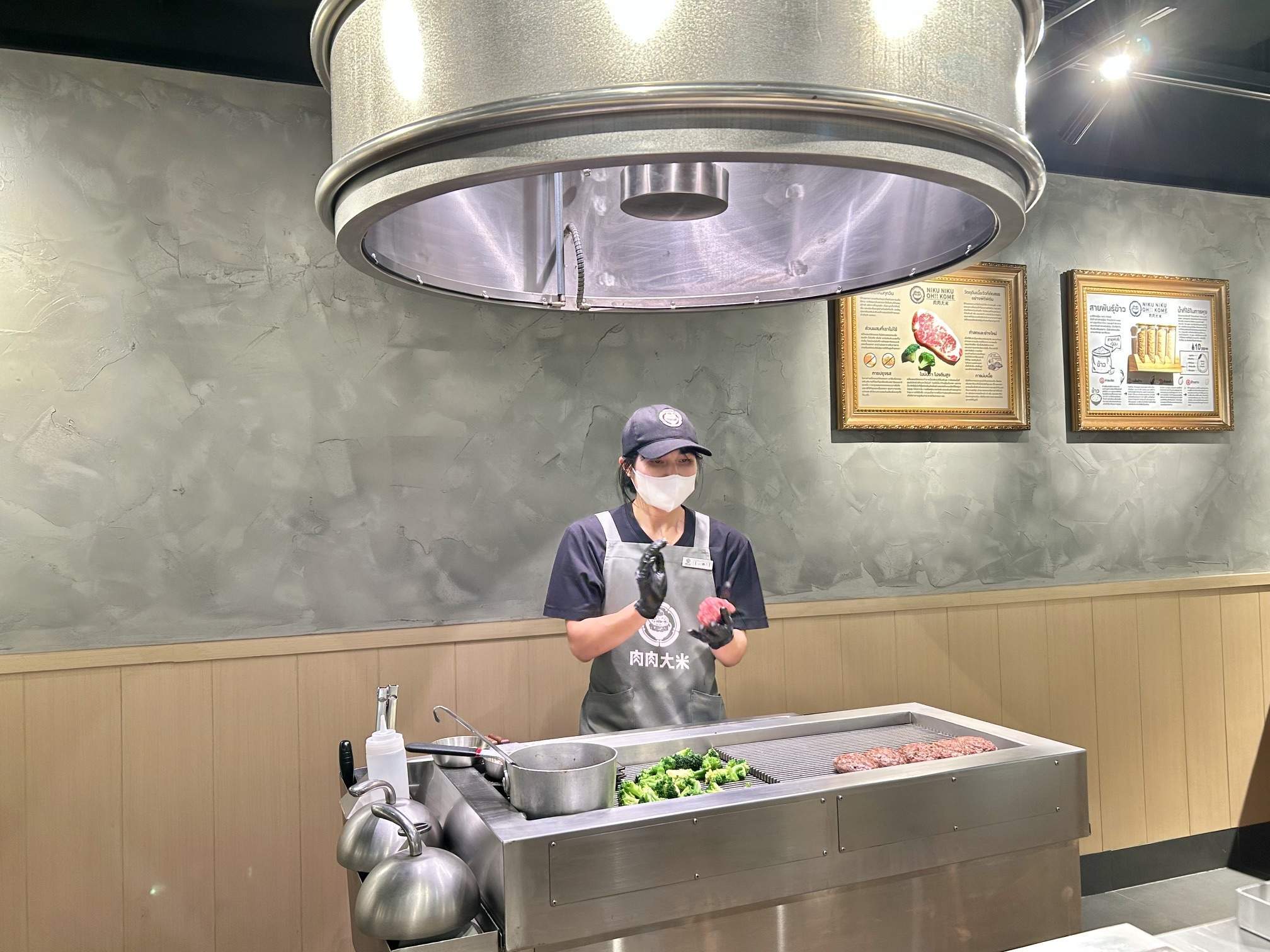
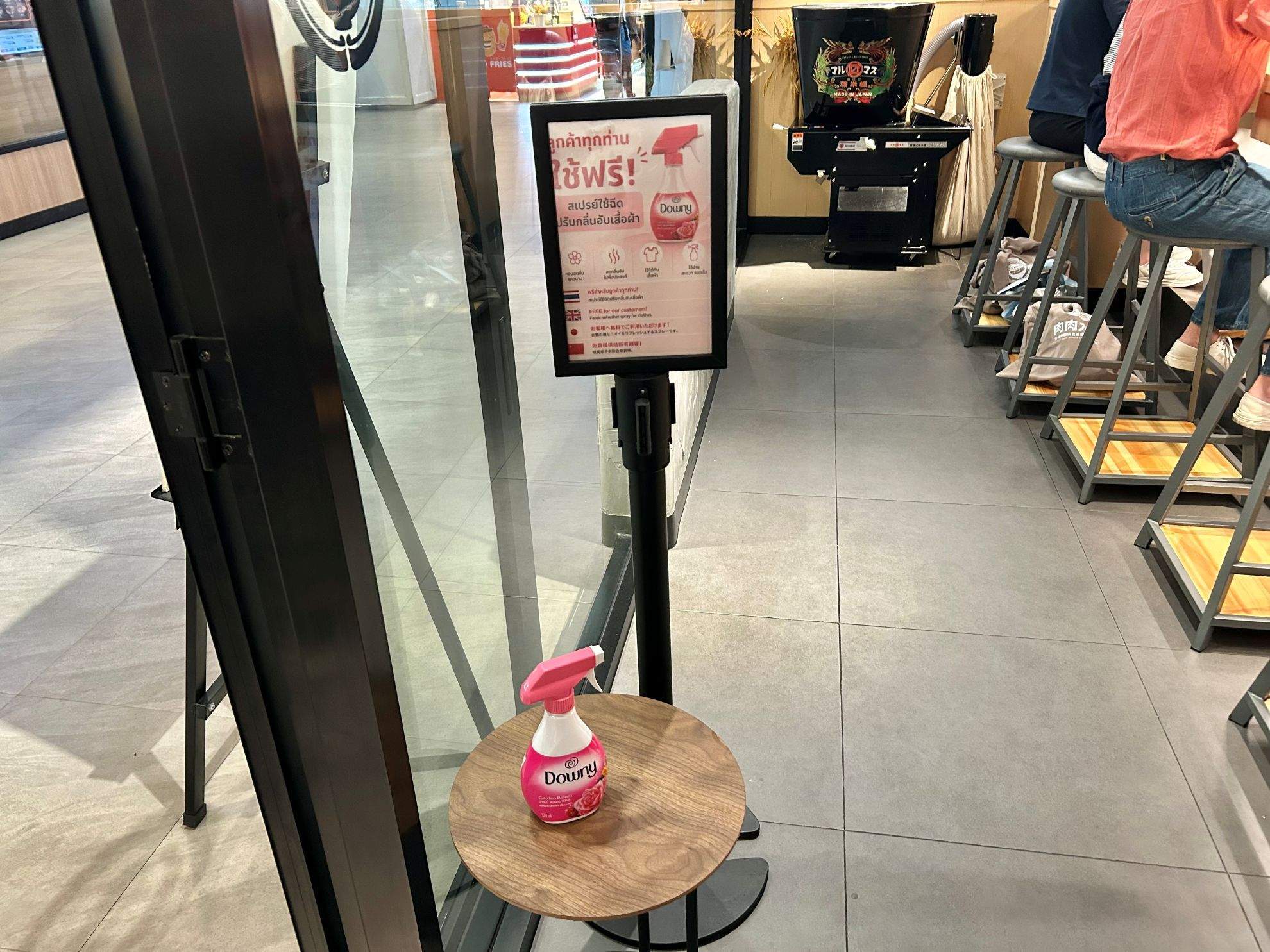
Work Etiquette & Service: Service remains spot-on from the door host to the counter staff. I noticed the teppan cook looked tired, yet he stayed attentively on his feet, stepping in to refill customer soup bowls when counter staff were busy, and offering a warm hand wave and bow as guests departed. They’ve also added a handy Fabric Refresher stand right at the entrance to help neutralize barbecue scents before you head out!
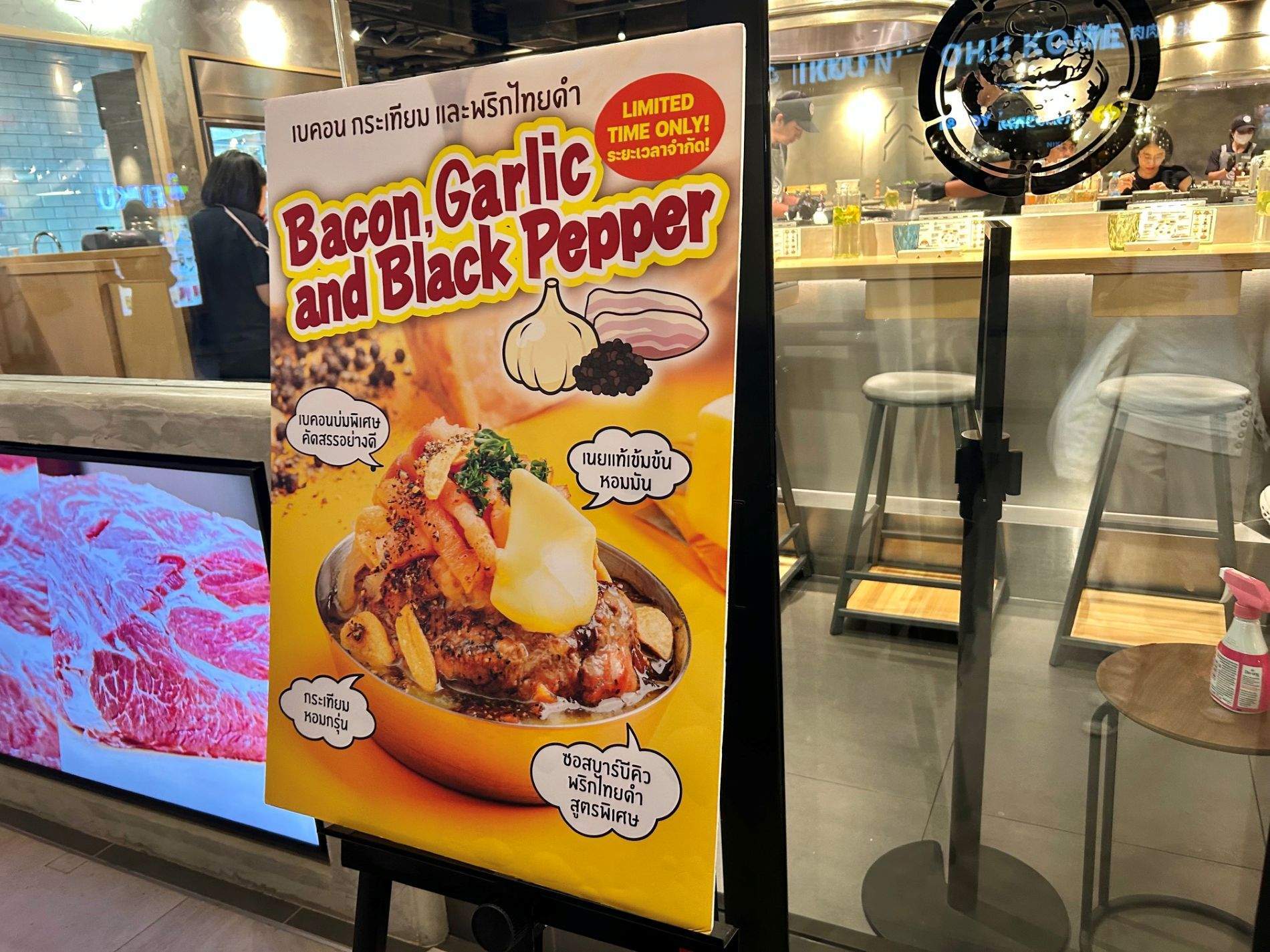
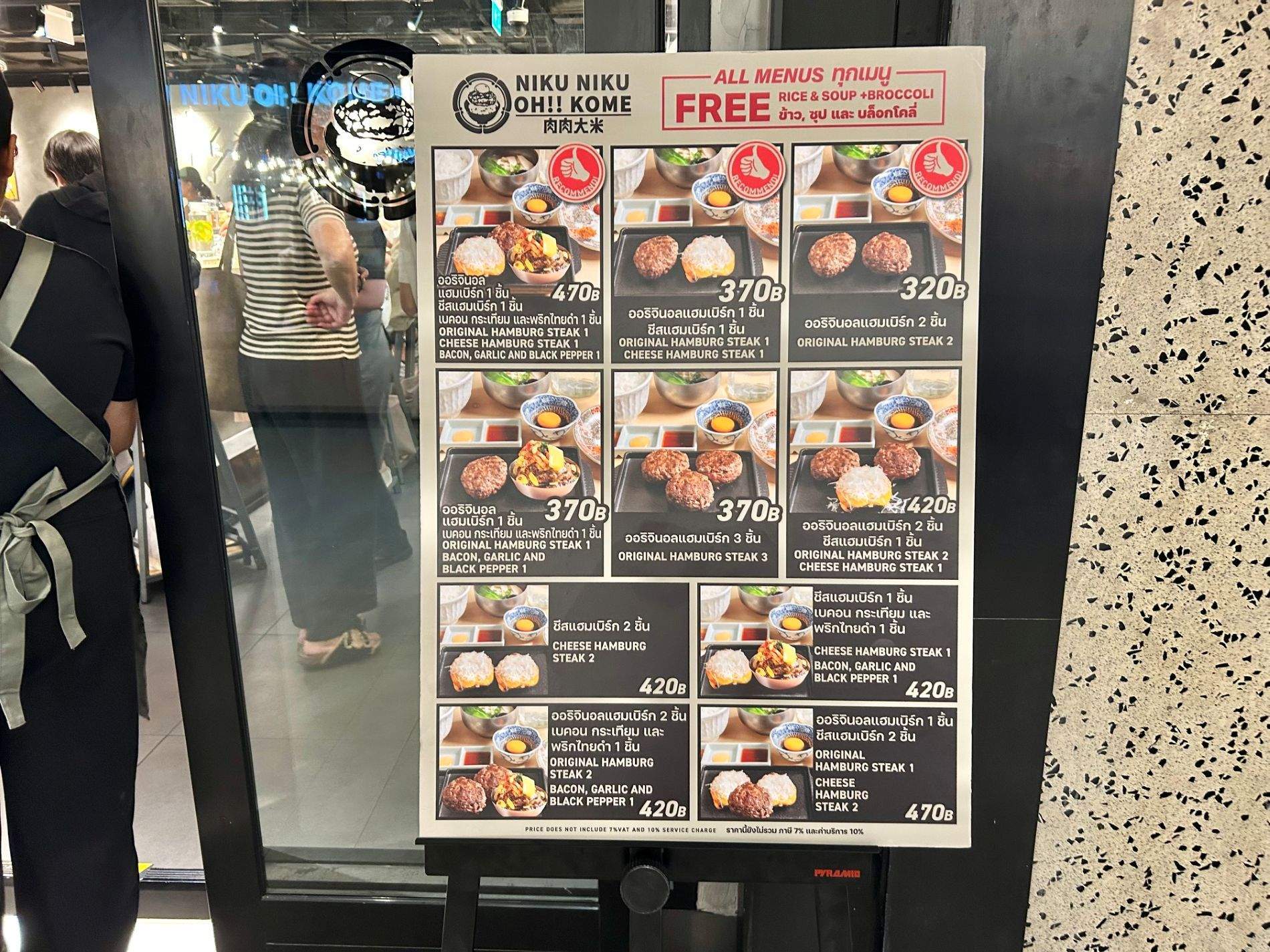
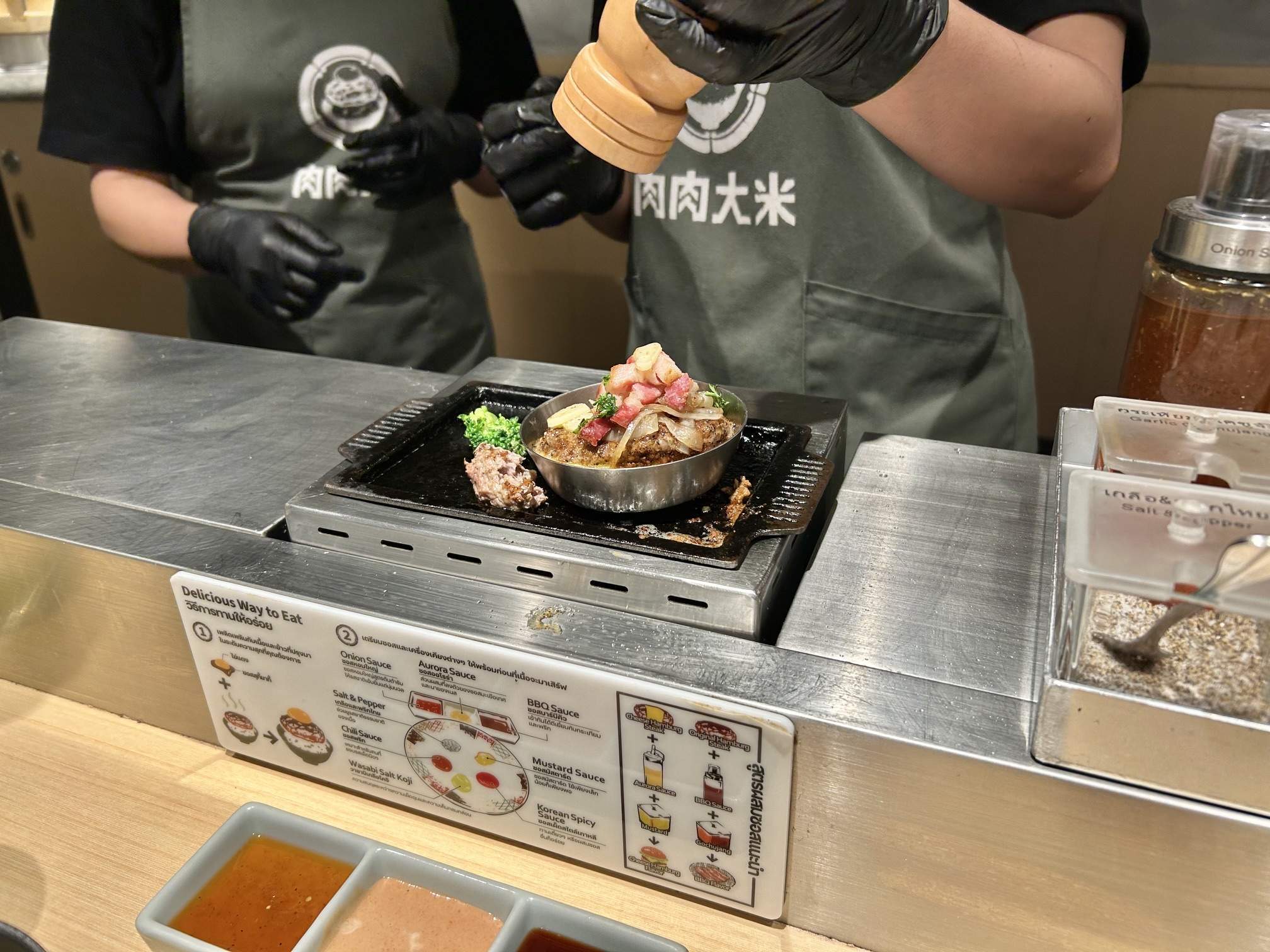
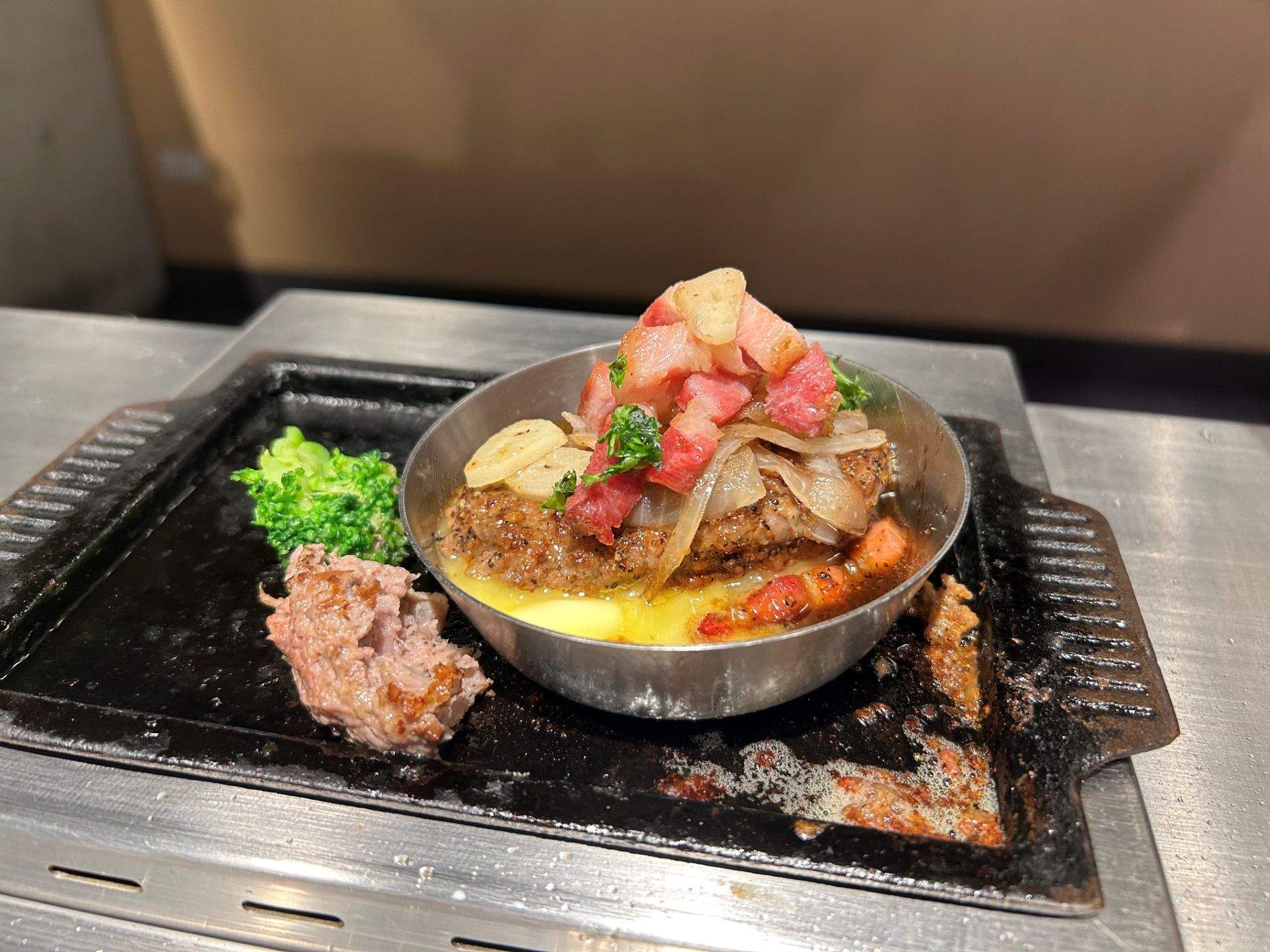
Predictable Budget Dining: I ordered the 2 Original Hamburg Patties (320 THB), while my husband tried their new limited-time Bacon Garlic & Black Pepper menu (the staff explained that limited-time menus change every 3 months). He enjoyed the bold pepper kick—which took a bit of time to come to a boil on the grill—though I found it a tad salty due to the bacon. The total bill came out to the exact same 812.13 THB (including tax and service charge). I love that the dining cost is predictable when eating on a budget! We stuck with the free table water and skipped paid drinks.
Refined Cooking & Dipping Experience:
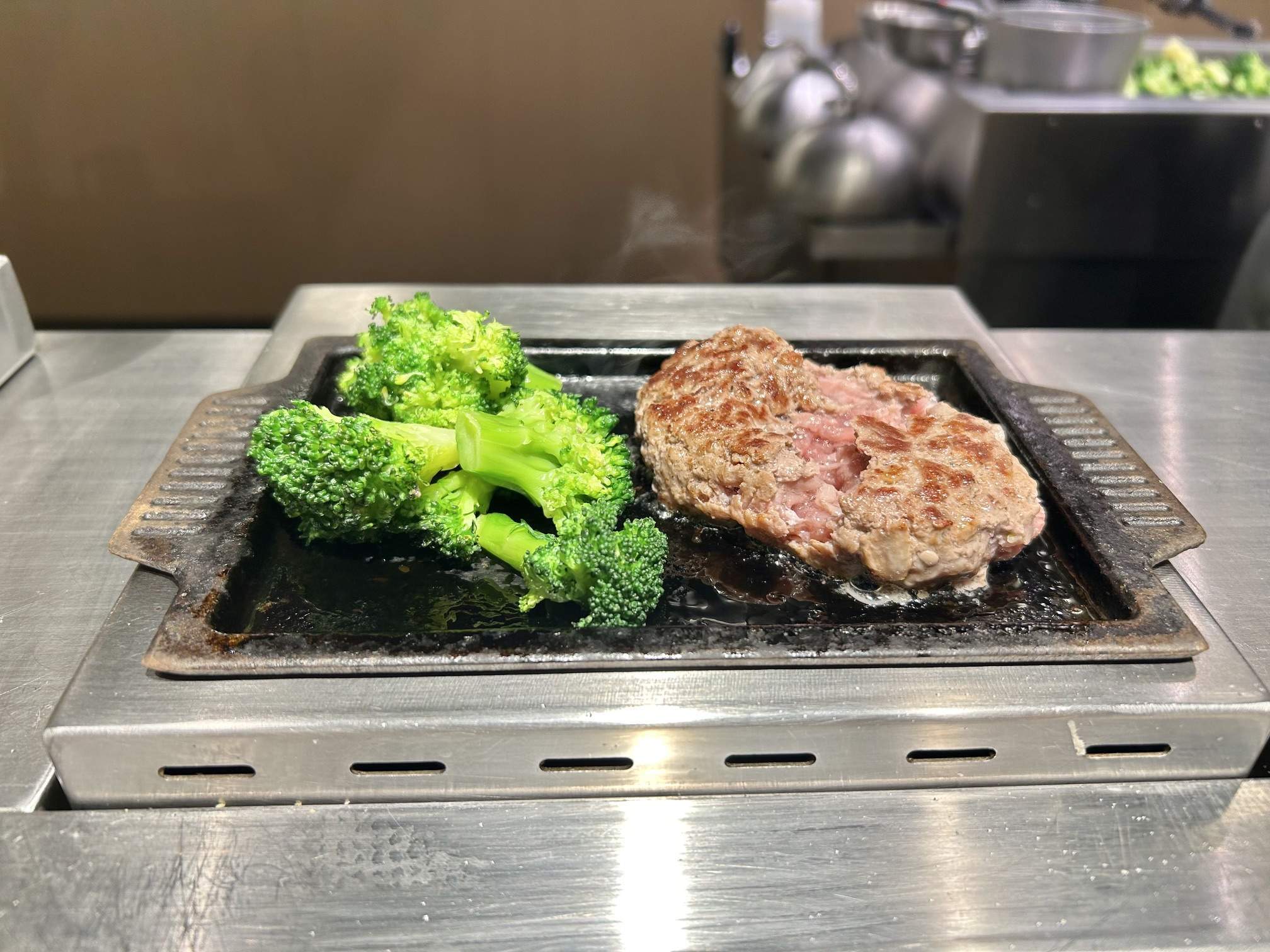
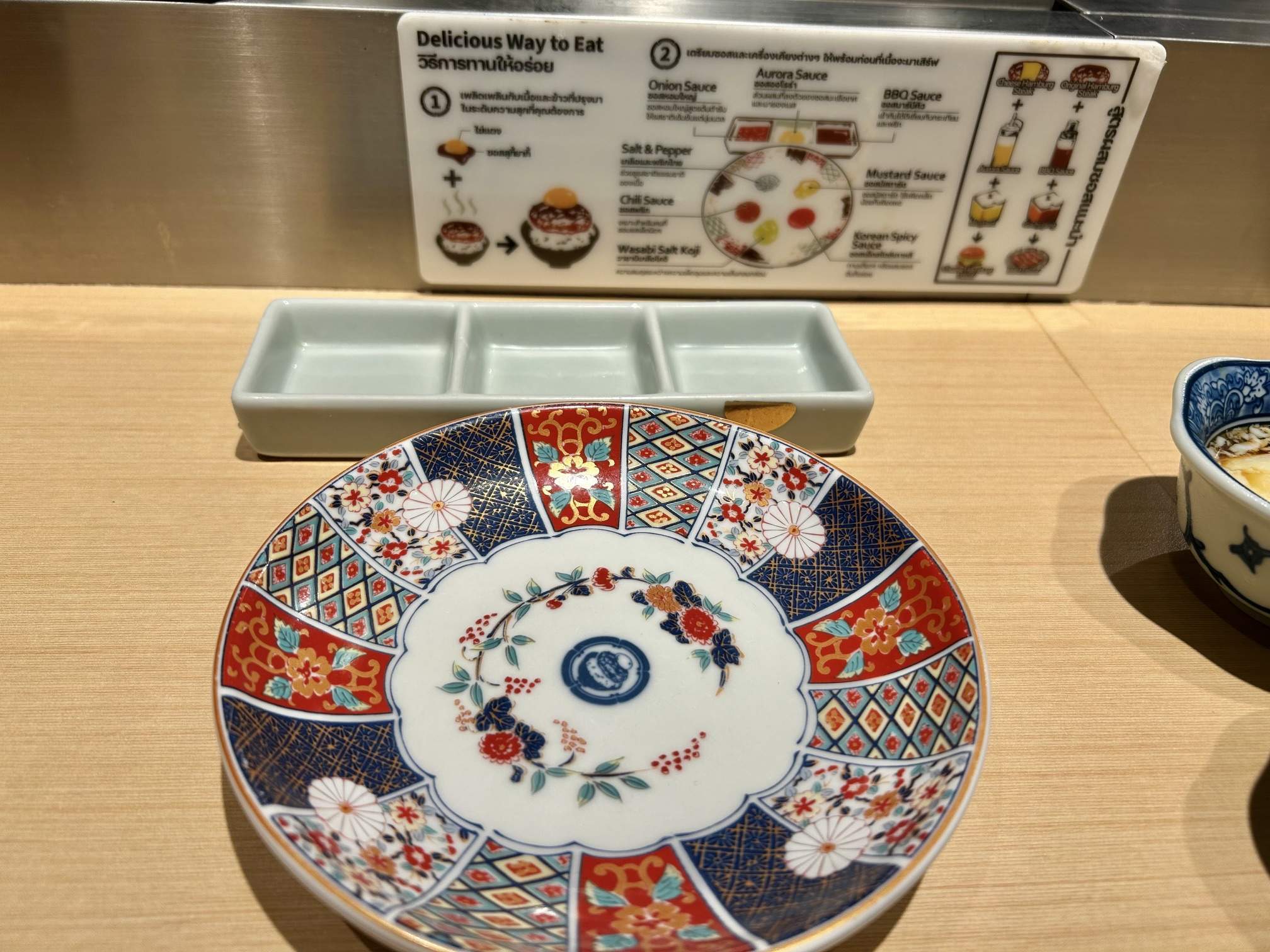
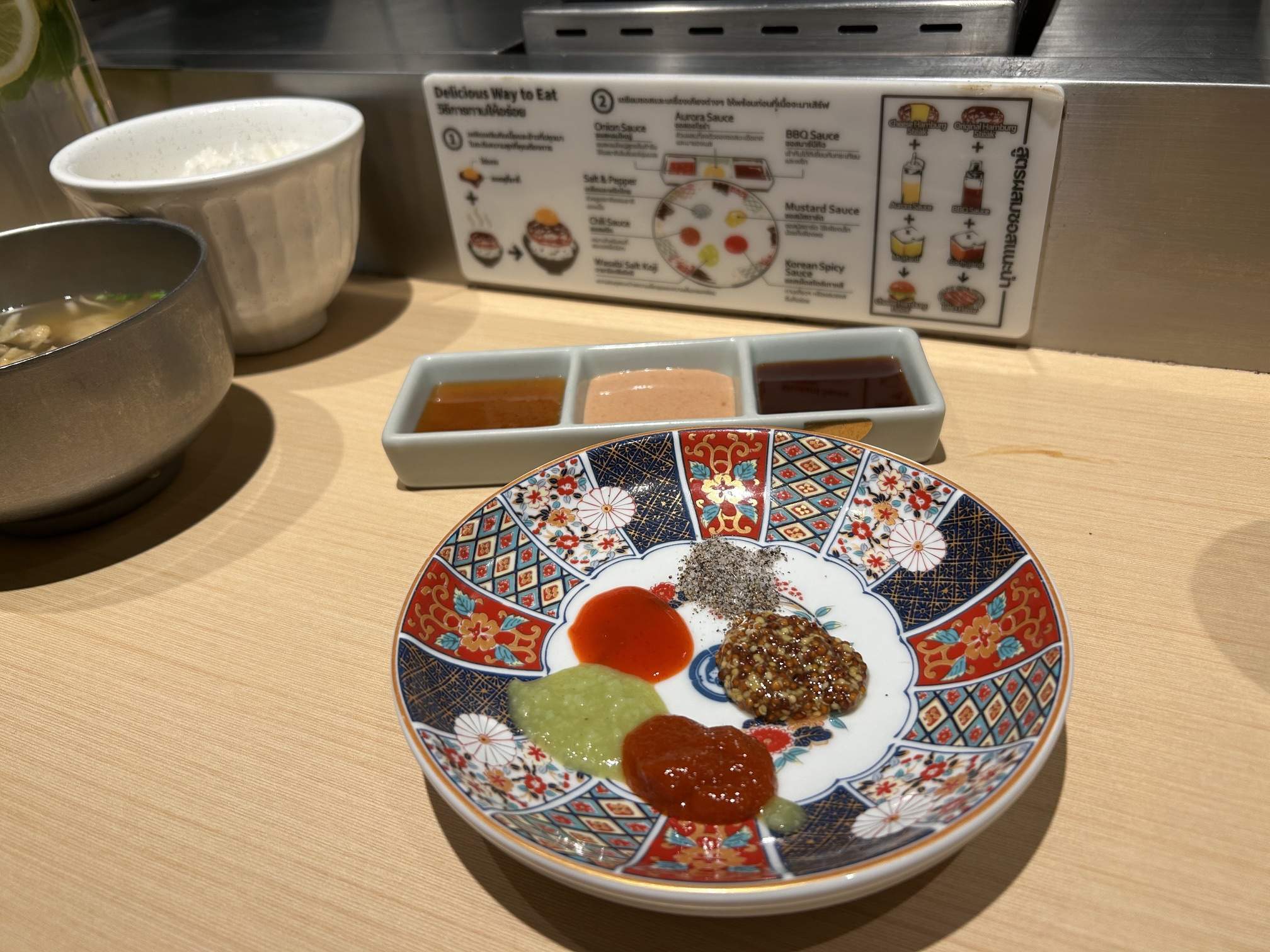
- Doneness Check: Checking the patties closer this time, they are indeed served medium-rare rather than the medium doneness I noted initially. We likely took too long with the sauce on our first visit, leaving the patty cooking on the grill for too long. Since we were still sorting out sauces this time, I removed my patty from the grill early onto the side plate to prevent overcooking on the hot iron.
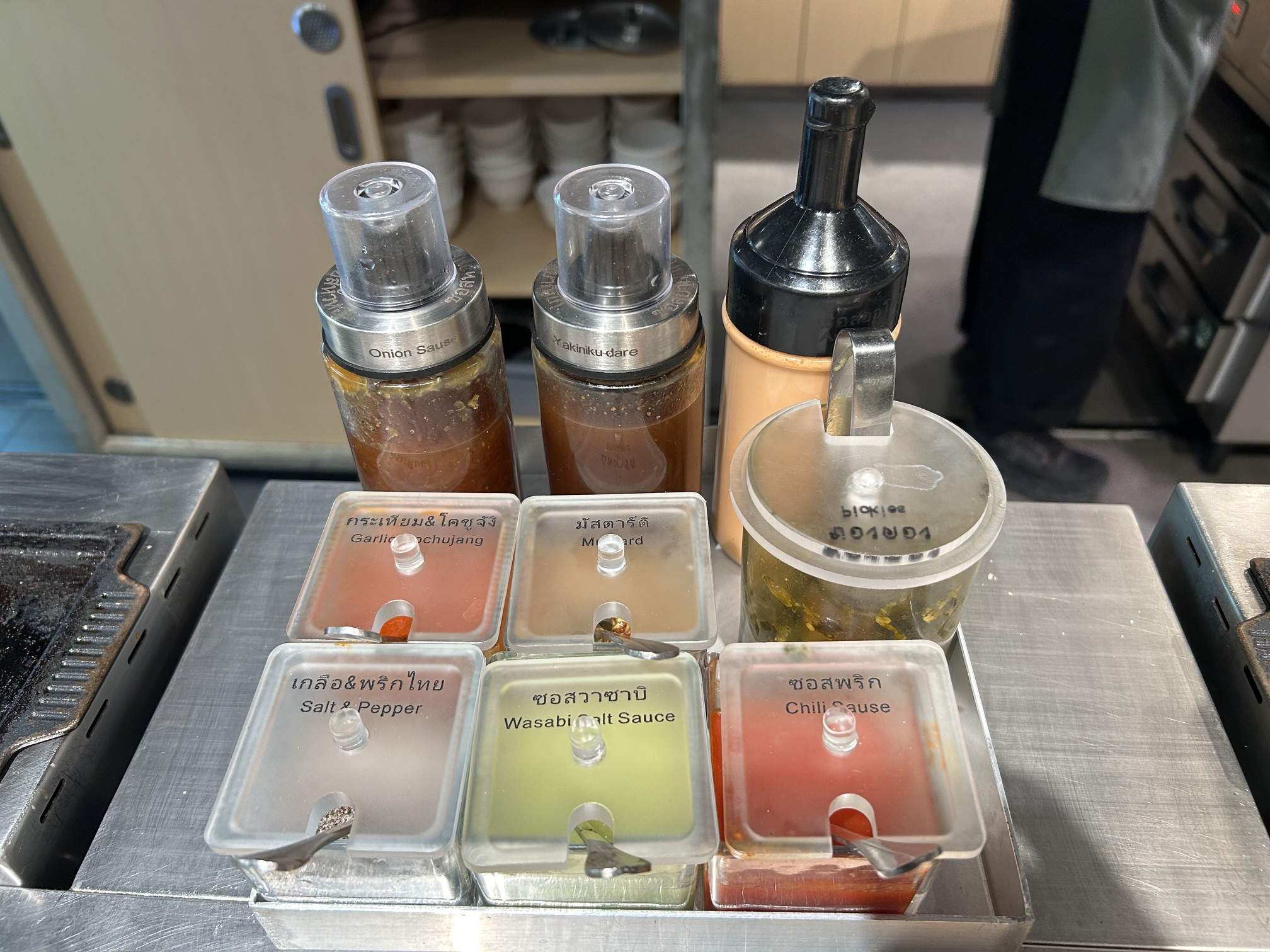
- Sauce Mystery Solved: Looking at the sauce dish visuals, the layout makes total sense now! There is a three-compartment long sauce plate and a small round plate intended for sauces. My husband was searching for the “BBQ sauce” mentioned in their sauce guide, but couldn’t find one labeled as such. A quick check back at my original review cleared up the confusion—it refers to the Yakiniku sauce. I mixed and rotated the sauces with each bite, but I also enjoyed eating the meat plain with just the egg.
- Dipping Preference: Taste buds change! This time, I actually preferred dipping my meat into the fresh raw egg over the onsen egg.
- Rice Refills: Now that we’ve mastered the pacing and handling of the grill, both my husband and I happily opted for rice refills.
Original Review
Niku Niku Oh!! Kome—checked!
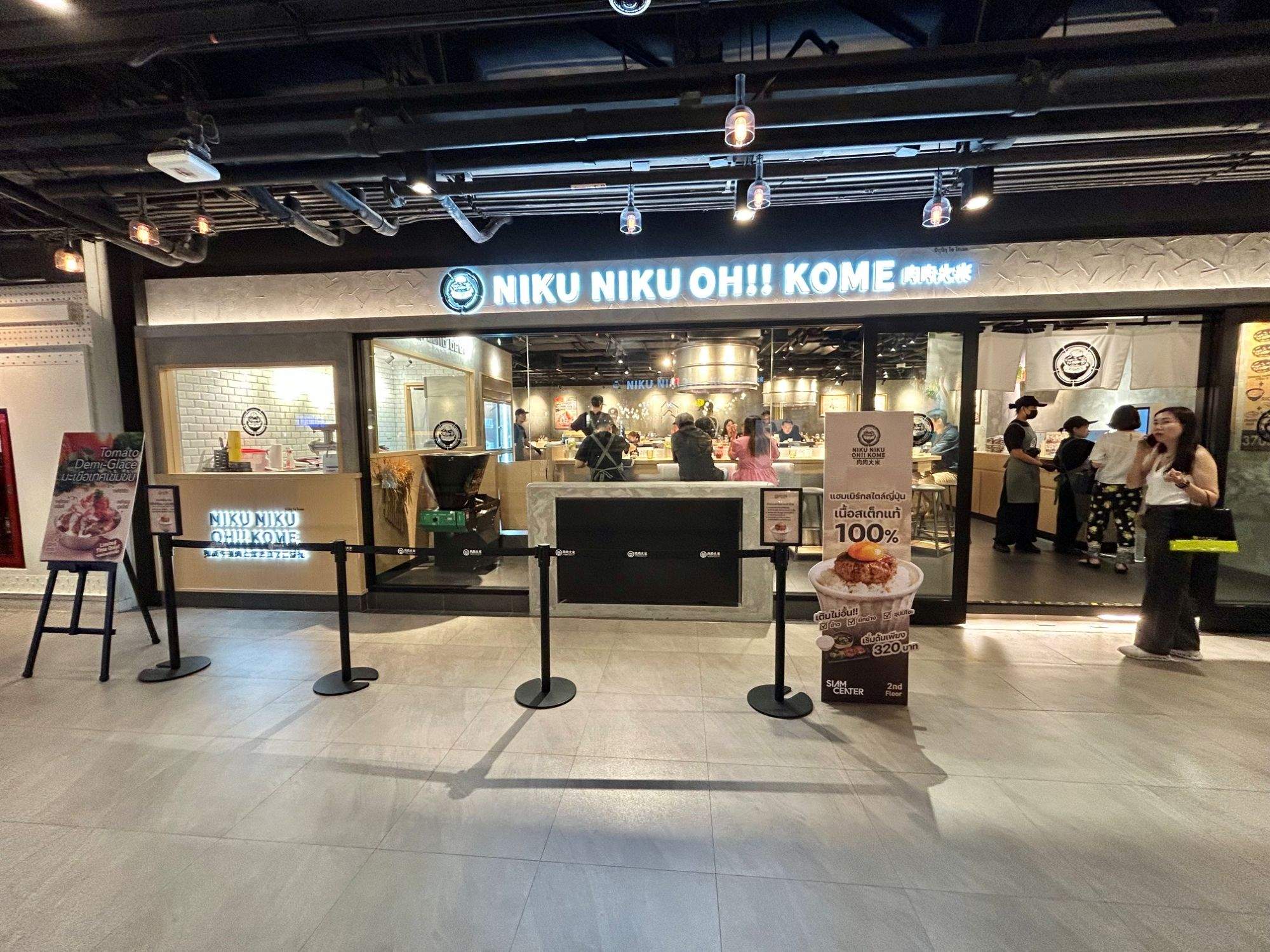
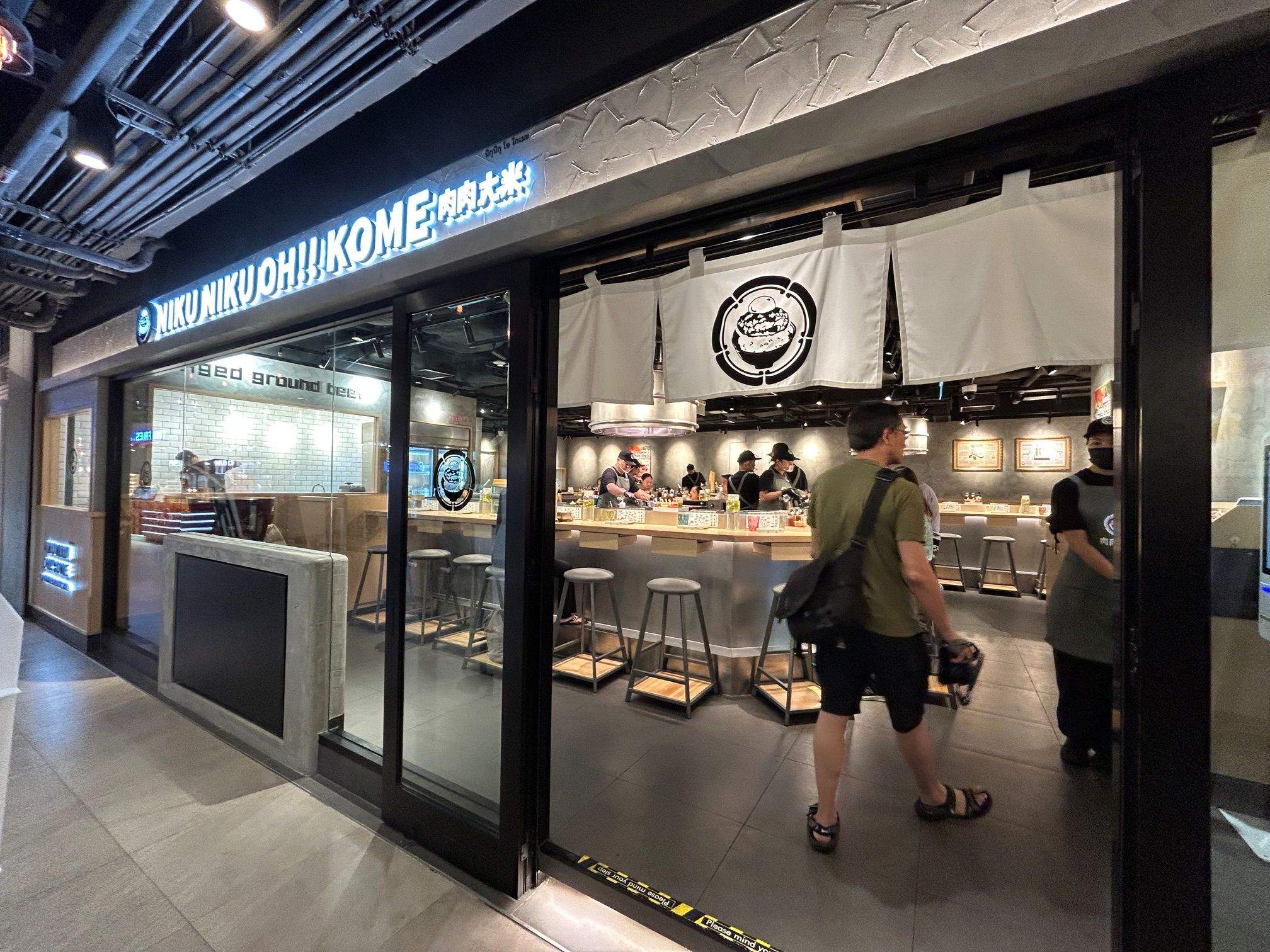
Our final Bangkok Japanese-style hamburg steak restaurant is officially crossed off the bucket list, and much sooner than I expected. They officially launched in Bangkok at Siam Center on March 27, 2026, with reports of massive opening queues. However, during the long weekend in the last week of May—when many Bangkok residents typically travel out of the city—we managed to snag a table at 11:15 AM without waiting in line at all.
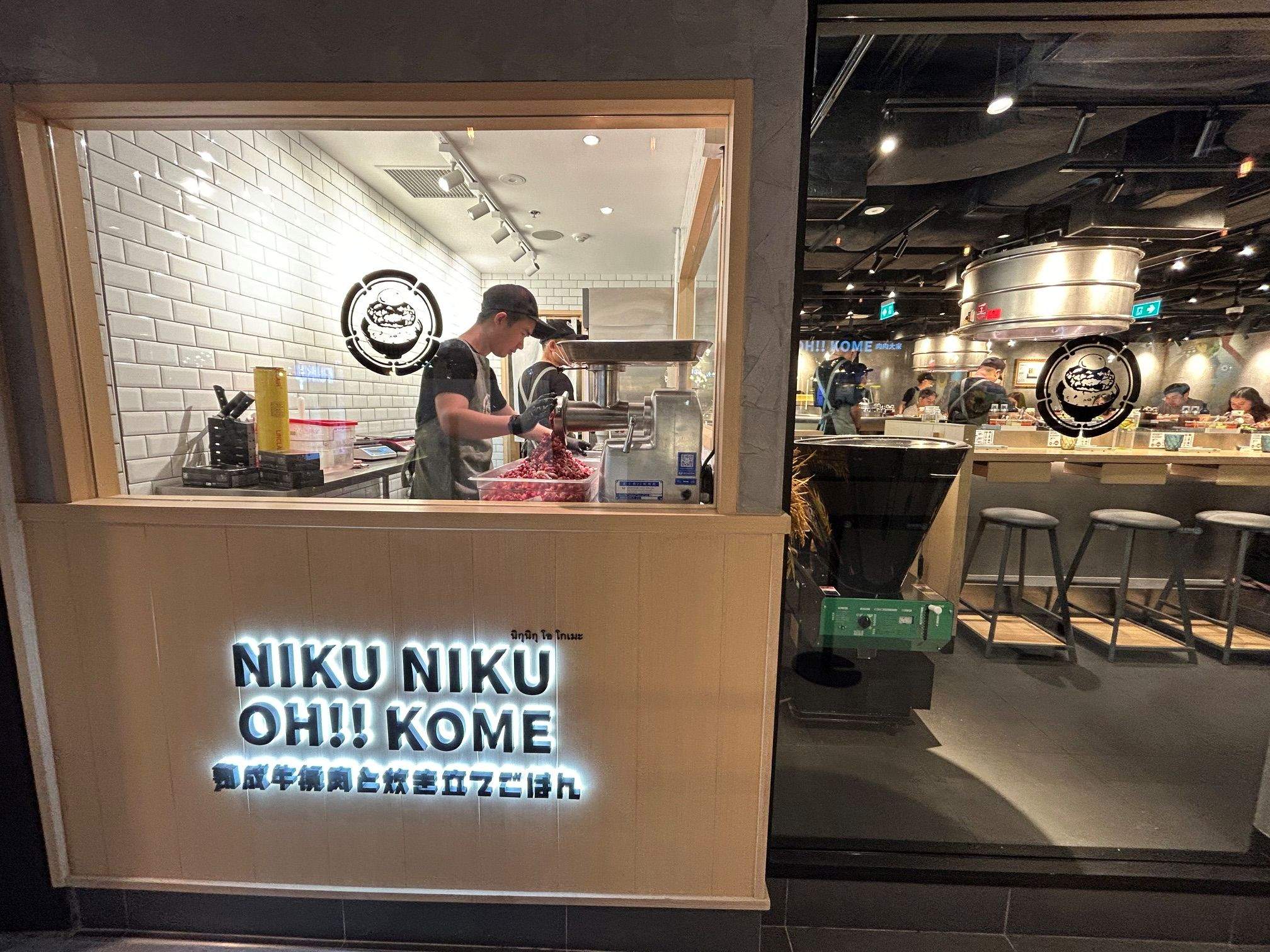
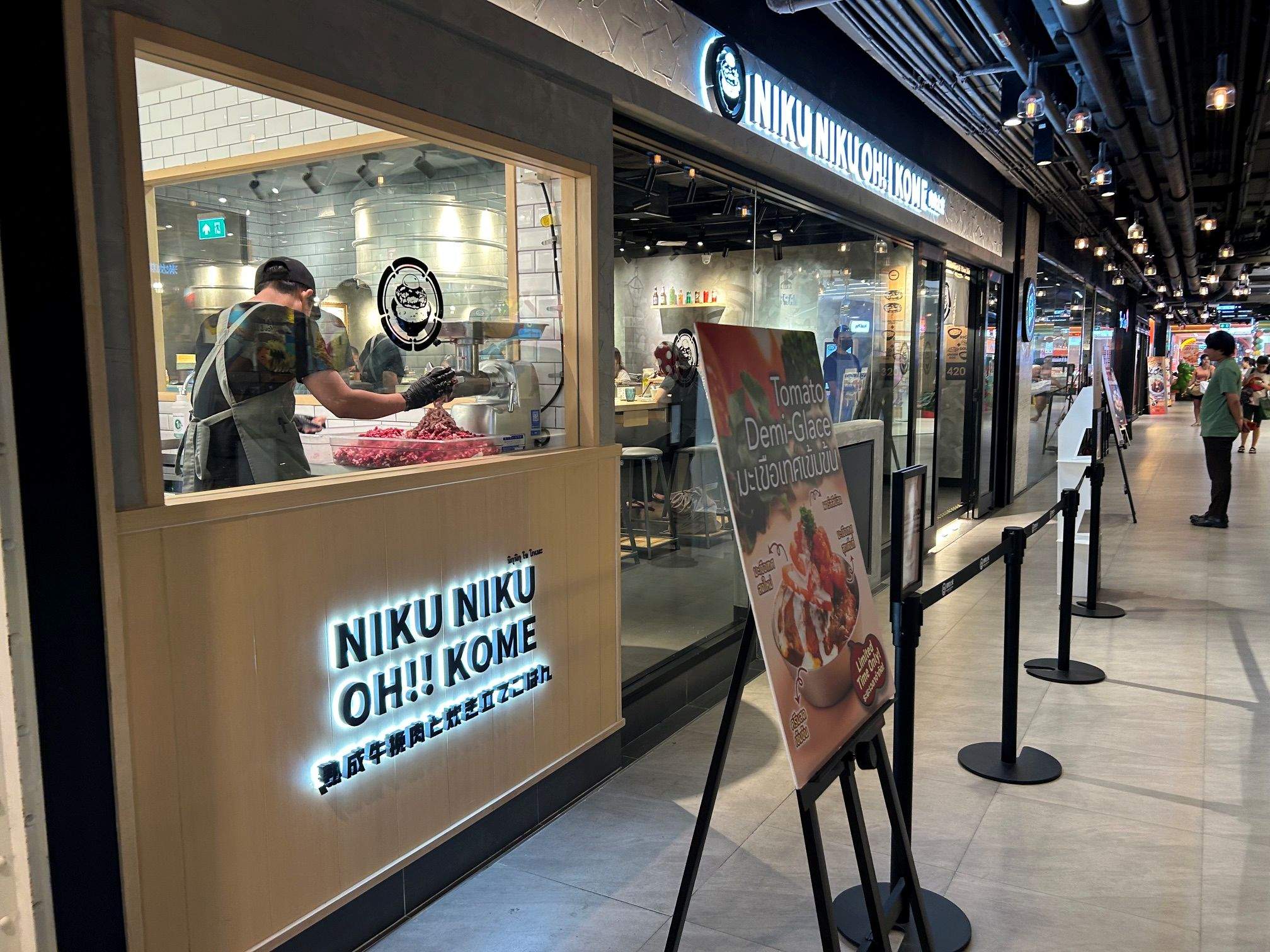
Originally from China, this famous Japanese-style beef hamburg chain from Shanghai is located on the 2nd floor of Siam Center (right next to Bonchon). The name itself is a fun combination of Japanese culinary words: Niku (肉) means meat/beef, and Kome (米) means rice. Together, it roughly translates to “Meat Meat Rice,” perfectly highlighting the restaurant’s core focus.
The Concept: Free-Flow Perks & Smart Tech
One of the main reasons I was keen to try this spot was their free-flow side station. They offer unlimited refills on rice, miso clam soup, and broccoli. Having a mountain of free-flow broccoli feels like a great way to take away the guilt of eating a heavy meat meal! Infused water is also provided complimentary at the station.
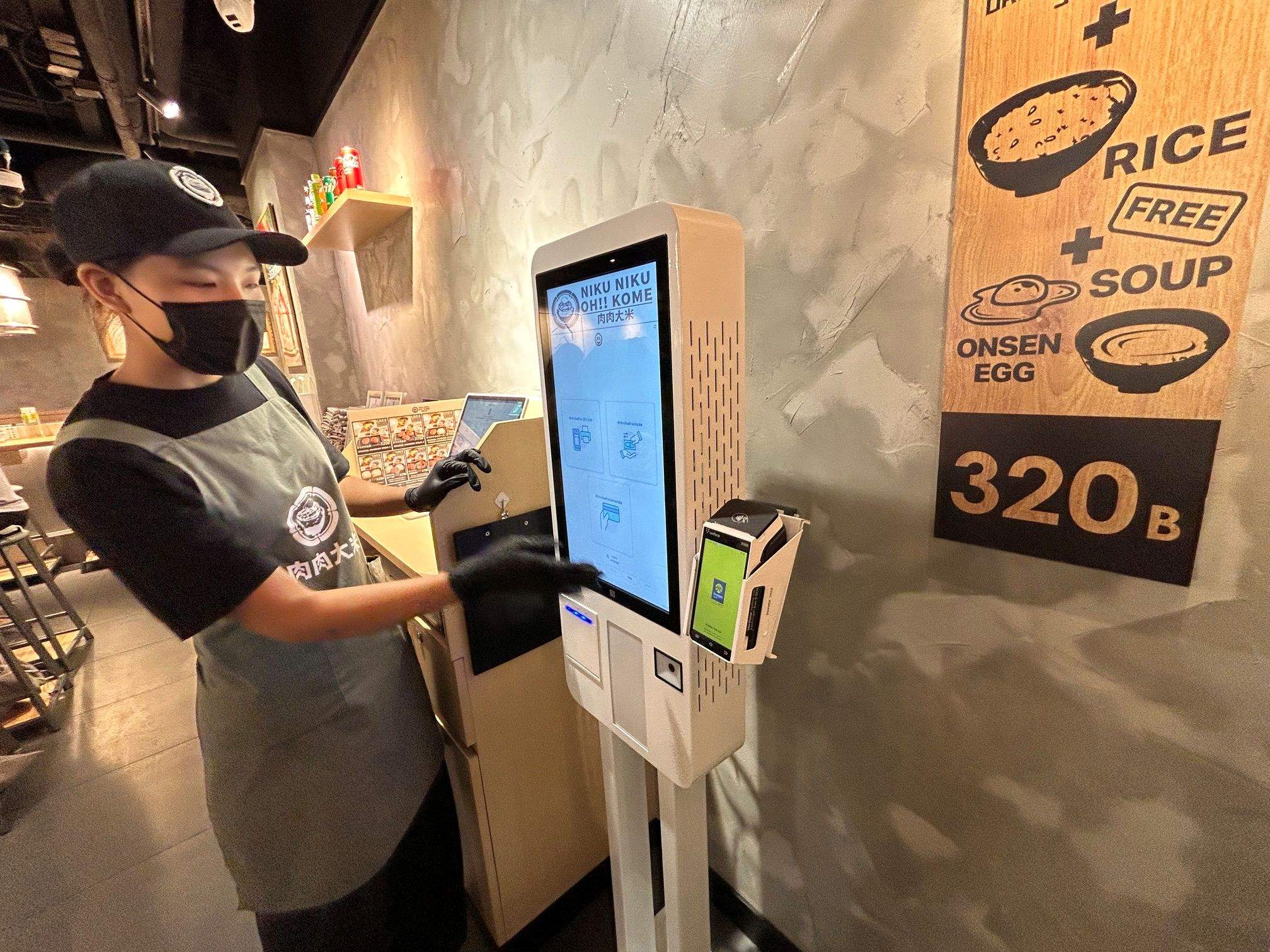
To order, you use a self-service kiosk right at the entrance and pay upfront. It’s incredibly efficient, less messy than paying at the counter, and offers a much smoother process than the often chaotic setup at Kiwamiya.
The Seating and Atmosphere
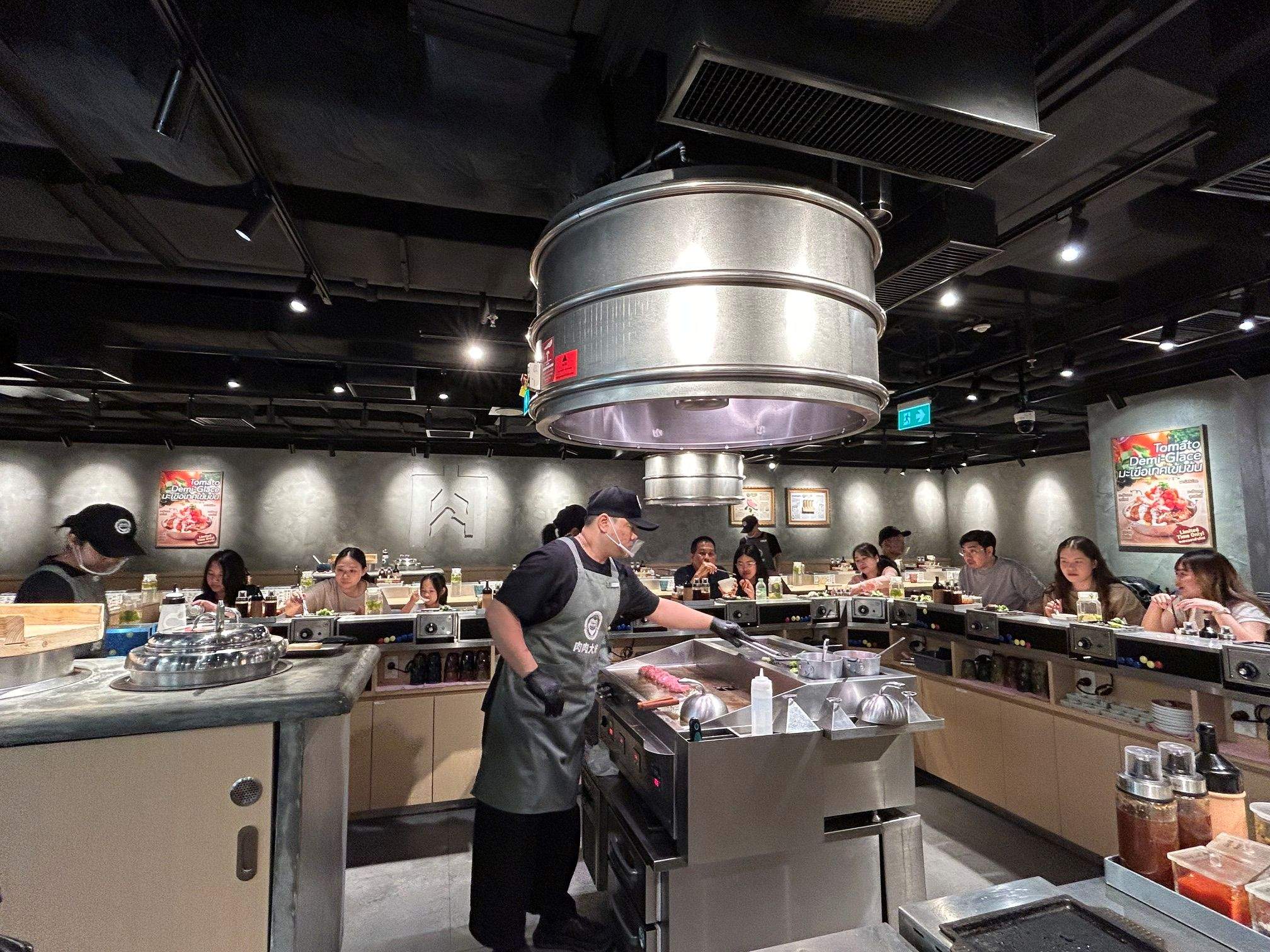
The counter seating layout is similar to Kiwamiya, but with a much larger capacity to serve customers. When we visited, it was relatively quiet. The restaurant was fully staffed, and the team was highly effective and organized—a stark contrast to Kiwamiya, which can feel a bit on the chaotic side.
The Food Experience
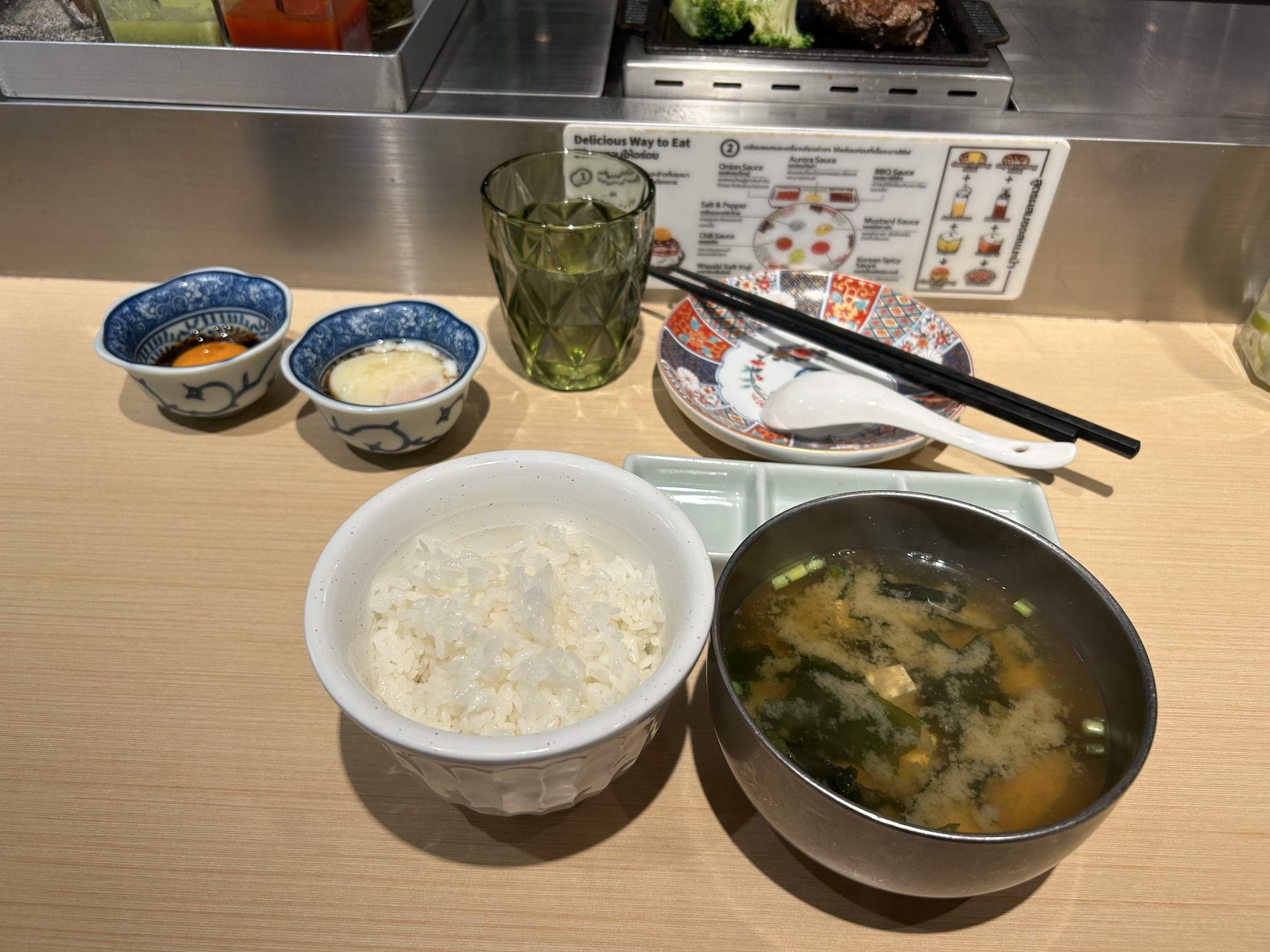
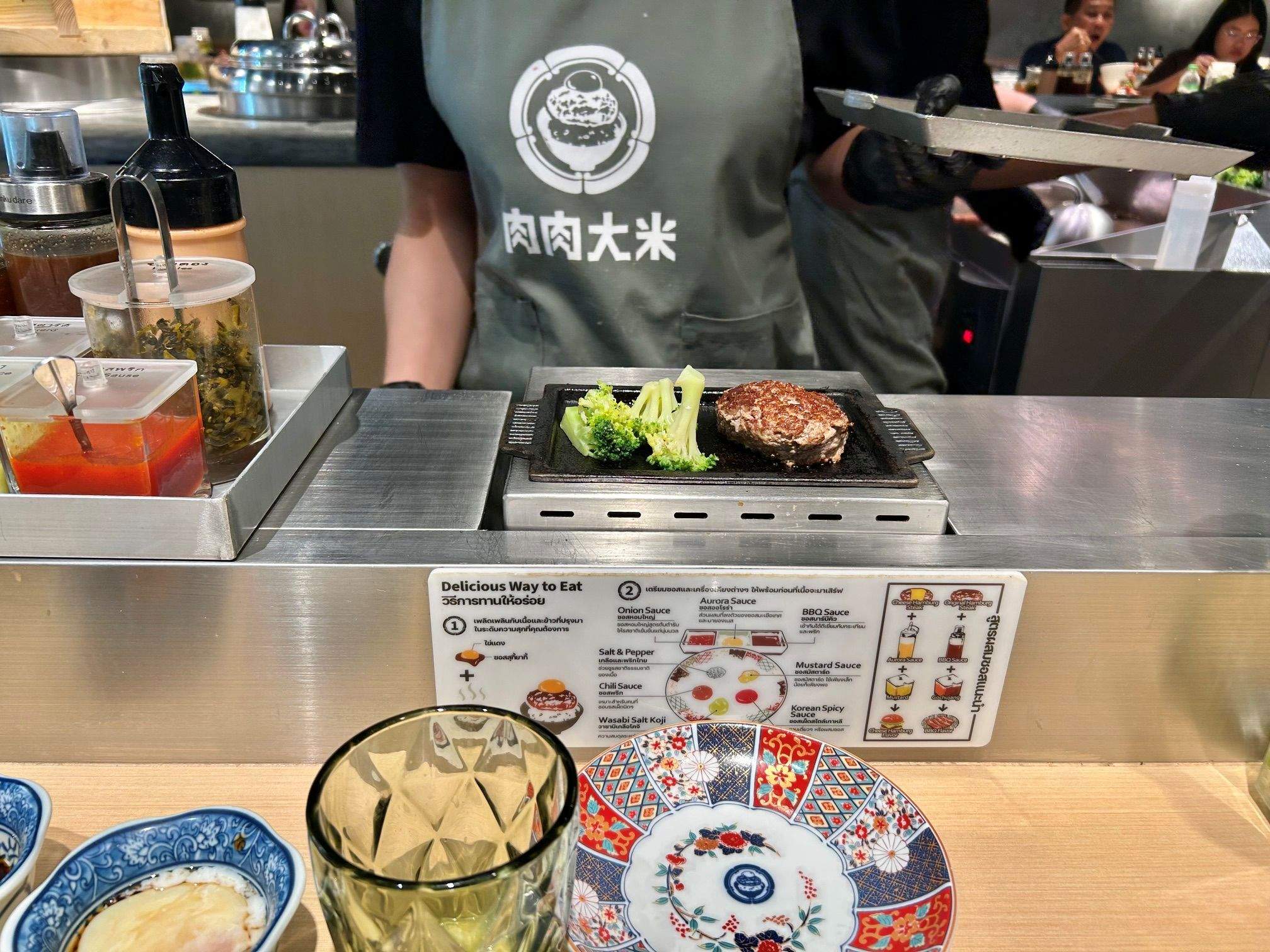
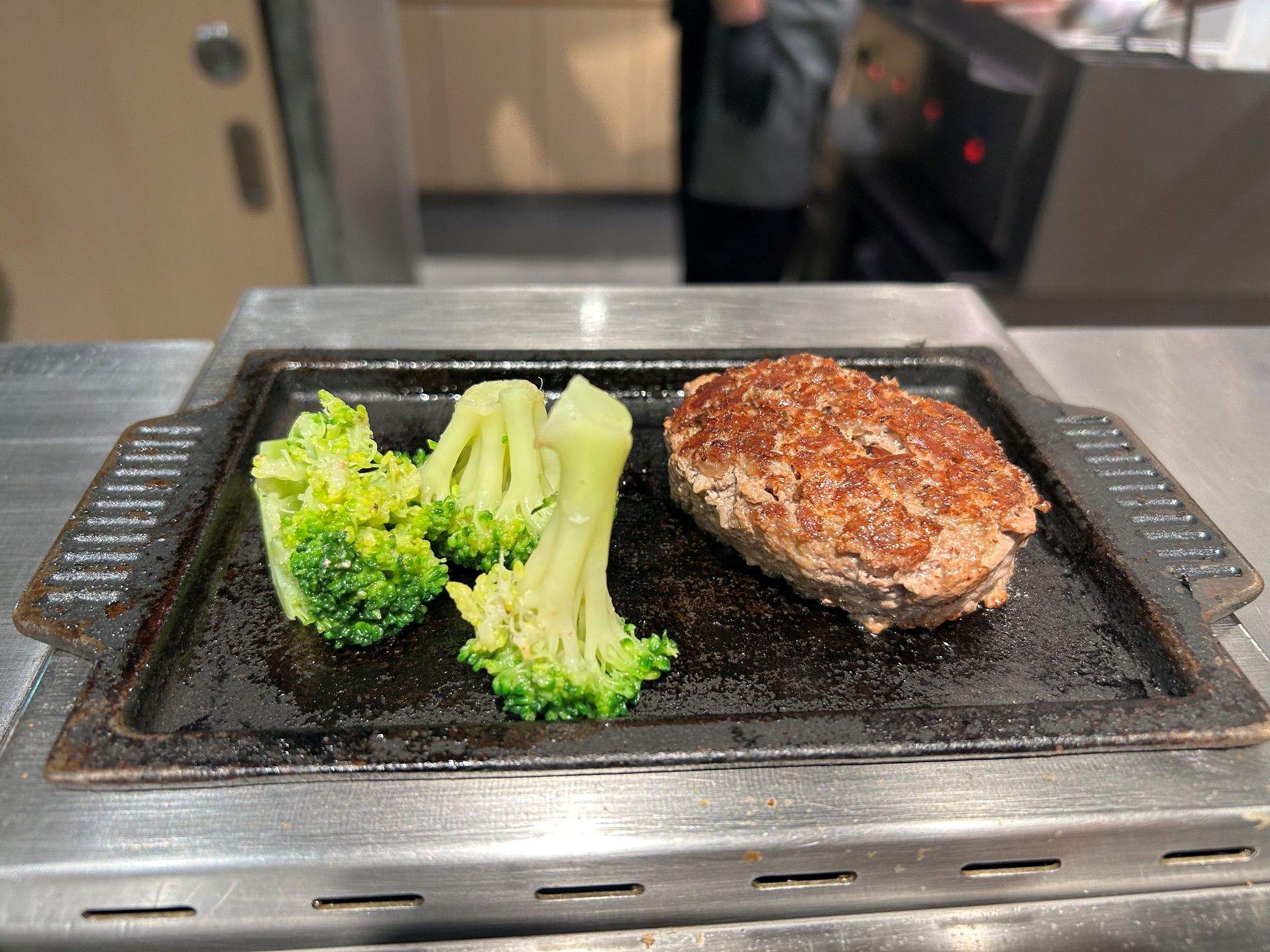
1. The Star of the Show: Milled Rice
Upon doing a bit of research, I discovered that they use freshly milled rice every single day, cooked using special soft water imported from Japan to achieve a fluffy, sweet, and delicious texture. It definitely worked on me—when the staff asked if I wanted a half-bowl refill, I confidently asked for a full second bowl! There is just something special about the quality of the rice here, though my husband stopped after his first.
2. The Hamburg Patties & The Teppan Grill
According to the store signage, they use a blend of high-quality aged beef, and their Facebook page highlights a mix of Wagyu and Australian beef. The patties are freshly shaped and ground right in front of you.
The staff sear the meat on a central teppan (iron griddle) before serving one patty at a time to your personal tabletop grill. While they advertise the initial serve as medium-rare, I felt it leaned closer to a solid medium.
⚠️ Pro-Tip on Cooking: Different customers enjoy it in different ways. We left our patties whole on our grill just to keep them hot. The customer next to us tore theirs into small pieces to sear them completely (much like you would do at Kiwamiya), while others immediately moved the whole patty to their side plate.
Because Niku Niku Oh!! Kome appears to use a leaner beef blend with less fat content, leaving it on the grill too long or breaking it apart will cause the meat to dry out quickly. If you want to preserve the juiciness, eat it immediately or move the patty to the small side plate provided.
Pricing Breakdown:
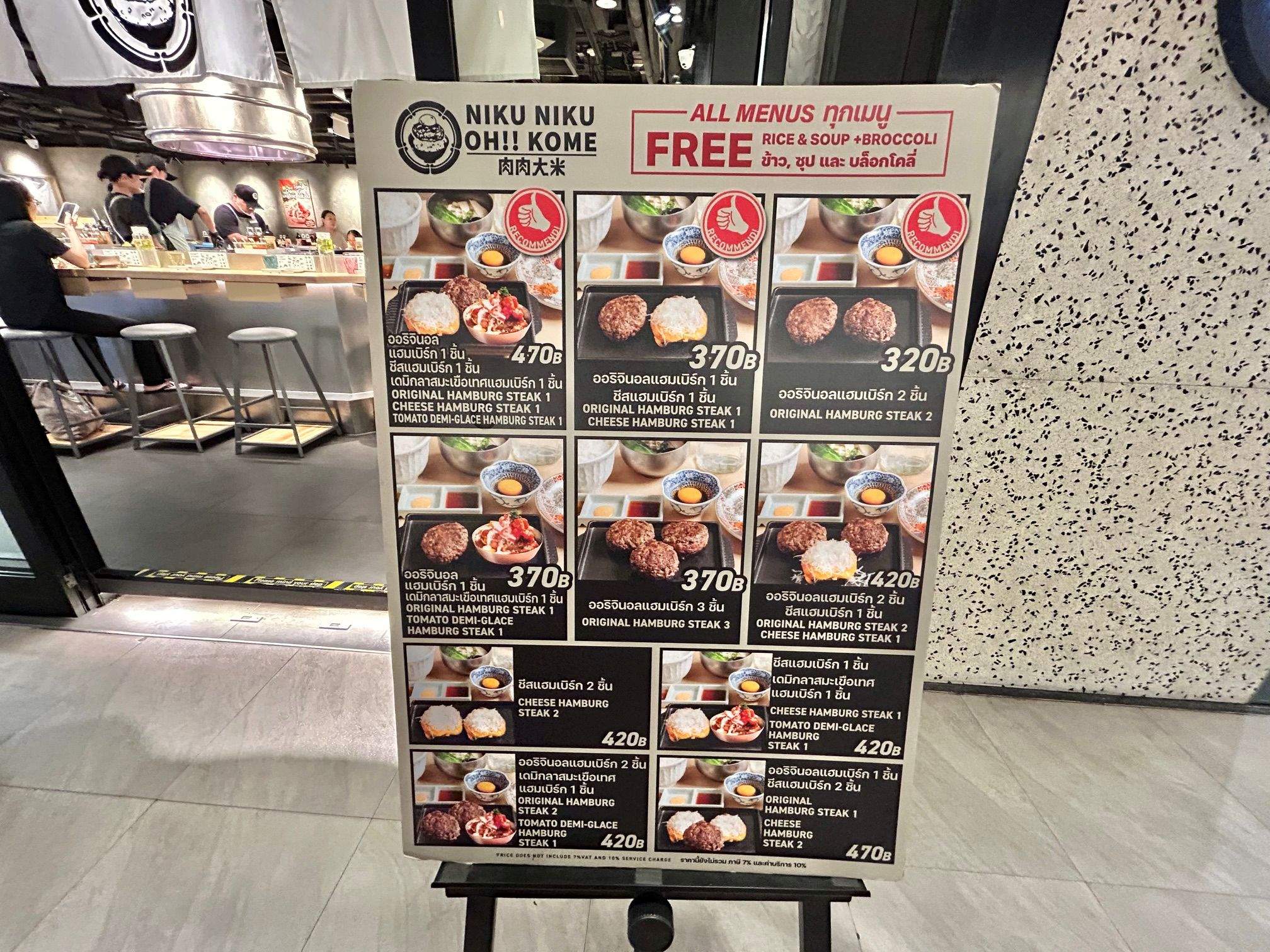
- 2 Original Hamburg Steaks: 320 THB (Set of 2 x 90g patties)
- 1 Original & 1 Cheese Hamburg Steak: 370 THB
- Limited-Time Menu (e.g., Tomato Demi-Glaze): Varies
3. The Egg and Sauce Conundrum
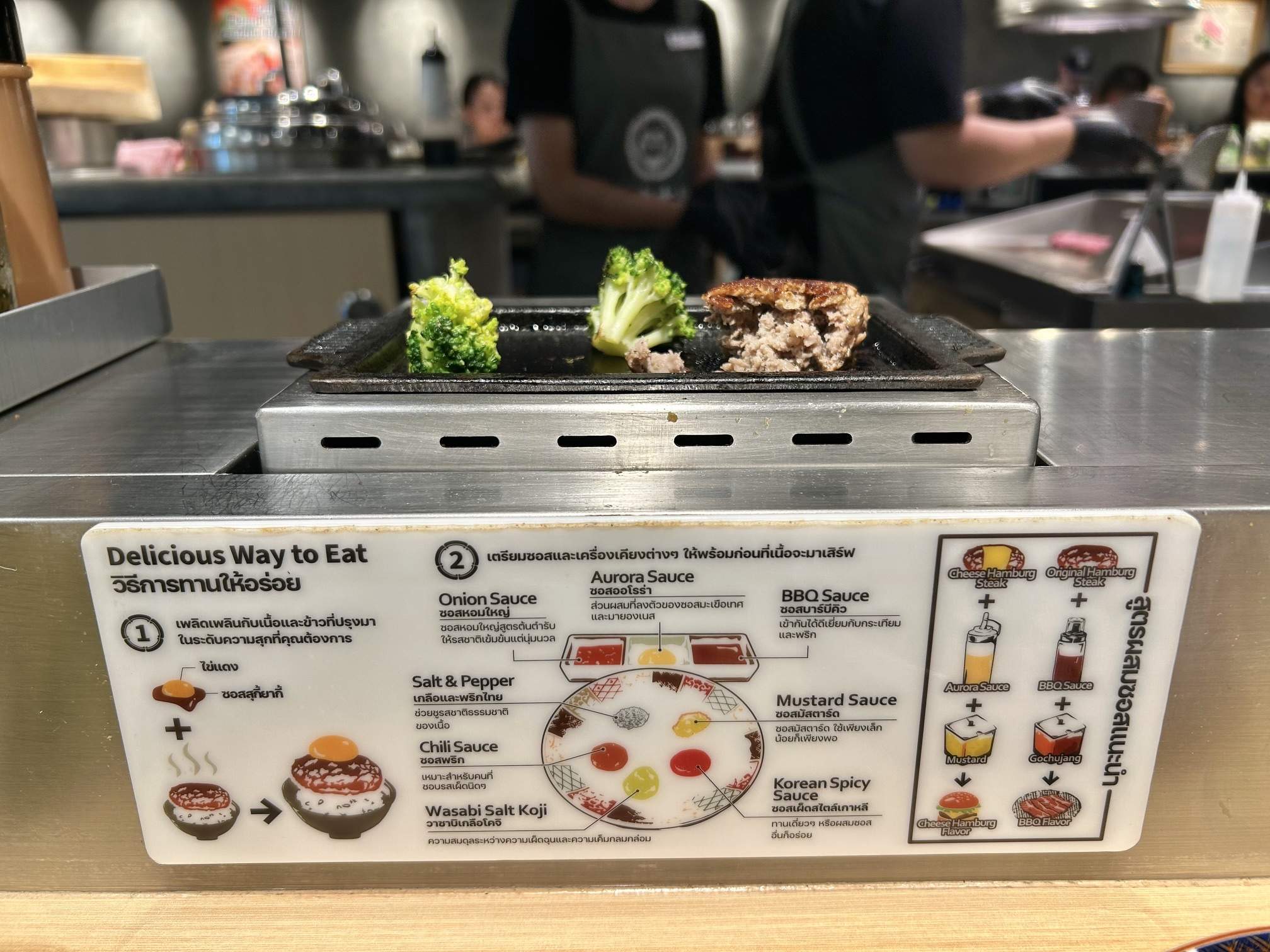
Your meal comes with an egg. Since my husband generously transferred his egg quota to me, I got to try both the raw egg yolk and the onsen egg. Rather than putting the whole yolk directly onto my rice—a mistake I made back when I visited Hikiniku to Come—I used mine as a rich dipping sauce. Dipping worked perfectly for me, and I personally preferred the velvety texture of the onsen version.
When it comes to eating, the official instructions are simple:
- Enjoy the meat and rice. Layer the sukiyaki sauce on top of your rice, then crown it with the egg yolk.
- Prepare your sauces and side dishes before the meat arrives.
However, their efficiency actually outpaced us! Our meat was served so fast that we were still trying to figure out the sauces. The tabletop sauce platter has only three compartments, which got confusing since there are five different sauces, plus salt, pepper, and a less-saucy wasabi salt koji.
The staff didn’t give much instruction, leaning into rapid, high-efficiency service. In traditional Japanese dining, you might expect omotenashi—the art of deeply mindful, quiet, and anticipated hospitality. Here, the vibe is much faster and highly commercialized.
- Our Advice: Use the three-compartment dish for the main “liquidy” sauces—the onion, yakiniku, and aurora. Save the small side plates for the garlic gochujang, chili sauce, mustard, wasabi salt sauce, dry seasonings, and side dishes (which essentially means their pickles).
- The Cheat Sheet: There is a small sign recommending sauce mixes. For the Original, try BBQ sauce mixed with Gochujang. For the Cheese Hamburg, try Aurora sauce with mustard. Mystery solved: The BBQ sauce description says it pairs perfectly with garlic and chili, but no garlic was explicitly provided on our table. I later discovered that their Gochujang is actually labeled as Garlic Gochujang, which explains the hidden garlic! Just experiment with small portions to find what you like best.
4. The Showstopper: The Cheese Hamburg
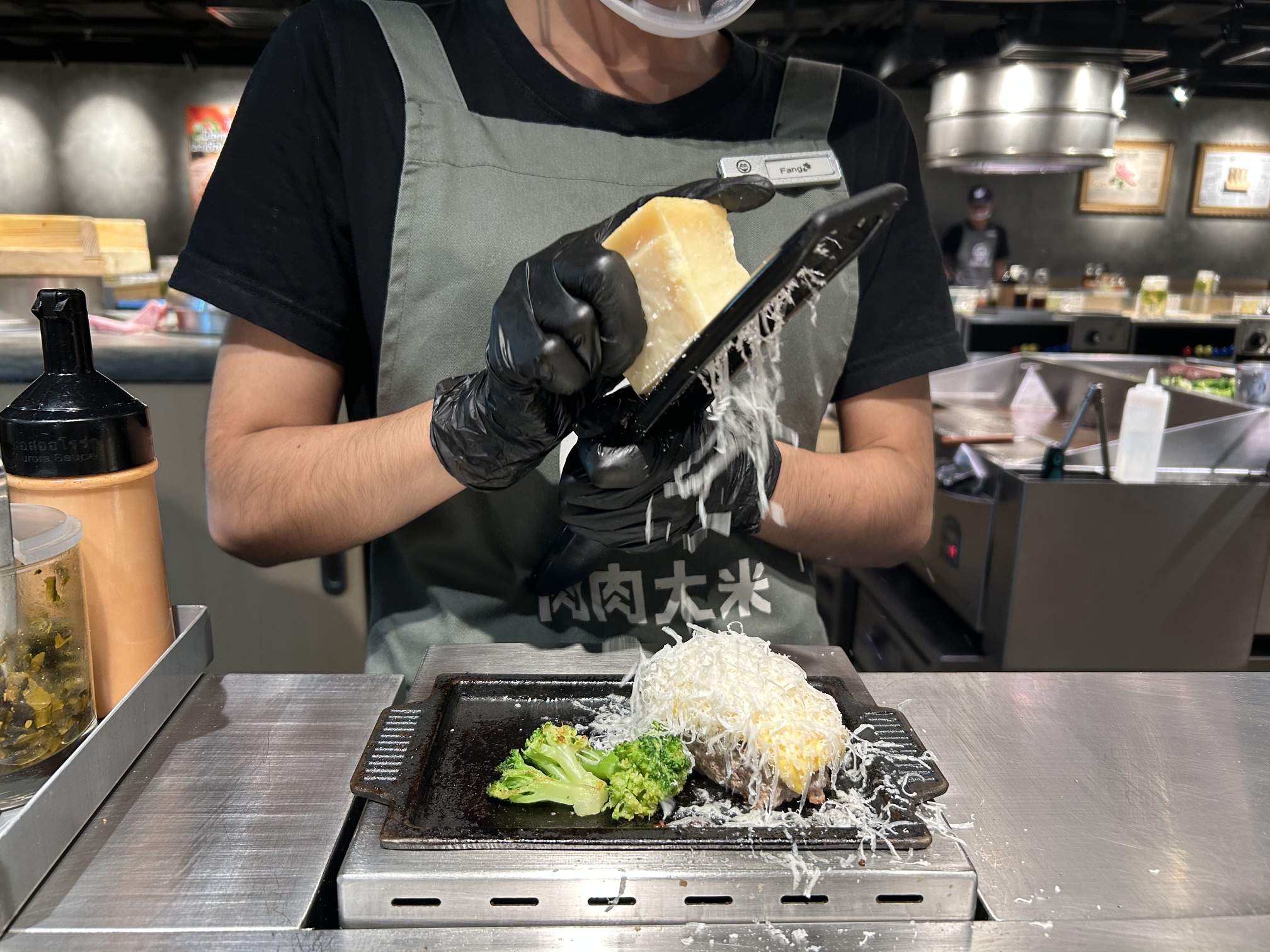
If you order the cheese version, a layer of Cheddar is placed on the patty, and then a staff member freshly grates Grana Padano cheese right over your sizzling tabletop grill. The cheese overflows onto the hot iron, melting into a crispy, rich “cheese skirt.”
It is incredibly indulgent. Even though I usually prefer my food plain without all the dramatic “funfair” presentations, I absolutely loved the rich flavor of that slightly burnt, crispy cheese skirt.
Our Total Bill: 812.13 THB (including a 10% service charge and 7% VAT).
👑 The Ultimate Bangkok Hamburg Showdown
How does Niku Niku Oh!! Kome stack up against Bangkok’s other major players? It all depends on your budget and preferred dining experience:
| Feature | Hikiniku to Come | Kiwamiya | Niku Niku Oh!! Kome |
| Cooking Style | Expertly charcoal-grilled by the chef | DIY cooking on a personal hot stone | Teppan-seared, finished on a personal grill |
| Beef Style | Chunky, tender, and incredibly juicy | High-fat content Wagyu (very rich/oily) | Leaner, classic commercial teppan blend |
| Pacing | One patty at a time (always piping hot) | Served all at once to cook at your own pace | One patty at a time; served very quickly |
| Perks | Premium charcoal aroma & execution | Interactive, melt-in-your-mouth Wagyu | Wallet-friendly, no lines, free-flow sides |
| Price Point | 590 THB (Set of 3 x 90g patties) | Premium / Splurge (Patty sizes from 120g+ up to A5 Wagyu) | 320–370 THB (Highly pocket-friendly) |
The Verdict
The price differences across these three spots definitely correspond to the quality of meat and level of tableside service:
- Go to Hikiniku to Come when you want a perfected, expertly grilled hamburg with that distinct, smoky charcoal aroma—and when your stomach actually has the space to finish three full patties. Now that the opening queues have calmed down, I definitely want to revisit.
- Go to Kiwamiya when you want to splurge on an intensely fatty, juicy Wagyu experience (or want to try their A5 Wagyu steak) with total interactive control over your doneness. This remains my top pick for a luxury craving.
- Go to Niku Niku Oh!! Kome when you want a delicious, fast, casual, and wallet-friendly teppan meal with the added bonus of endless side-dish refills.
📍 Location & Useful Links
- Niku Niku Oh!! Kome Thailand: Suite No. 220, 2nd Floor (Next to Bonchon), Siam Center. Official Facebook Page
- Read my other Bangkok Hamburg Reviews: