The Hidden Landmark of Yaowarat: Discovering Authentic Cantonese Sausage at Tang Kuang Khi Hiang
I was looking for a meaningful gift for my husband’s friend’s mother. Knowing this would be our very first time meeting her, I wanted something culturally appropriate for an elder, presentable, yet wallet-friendly.
That is when the idea of kun chiang (กุนเชียง — Chinese sausage) crossed my mind.
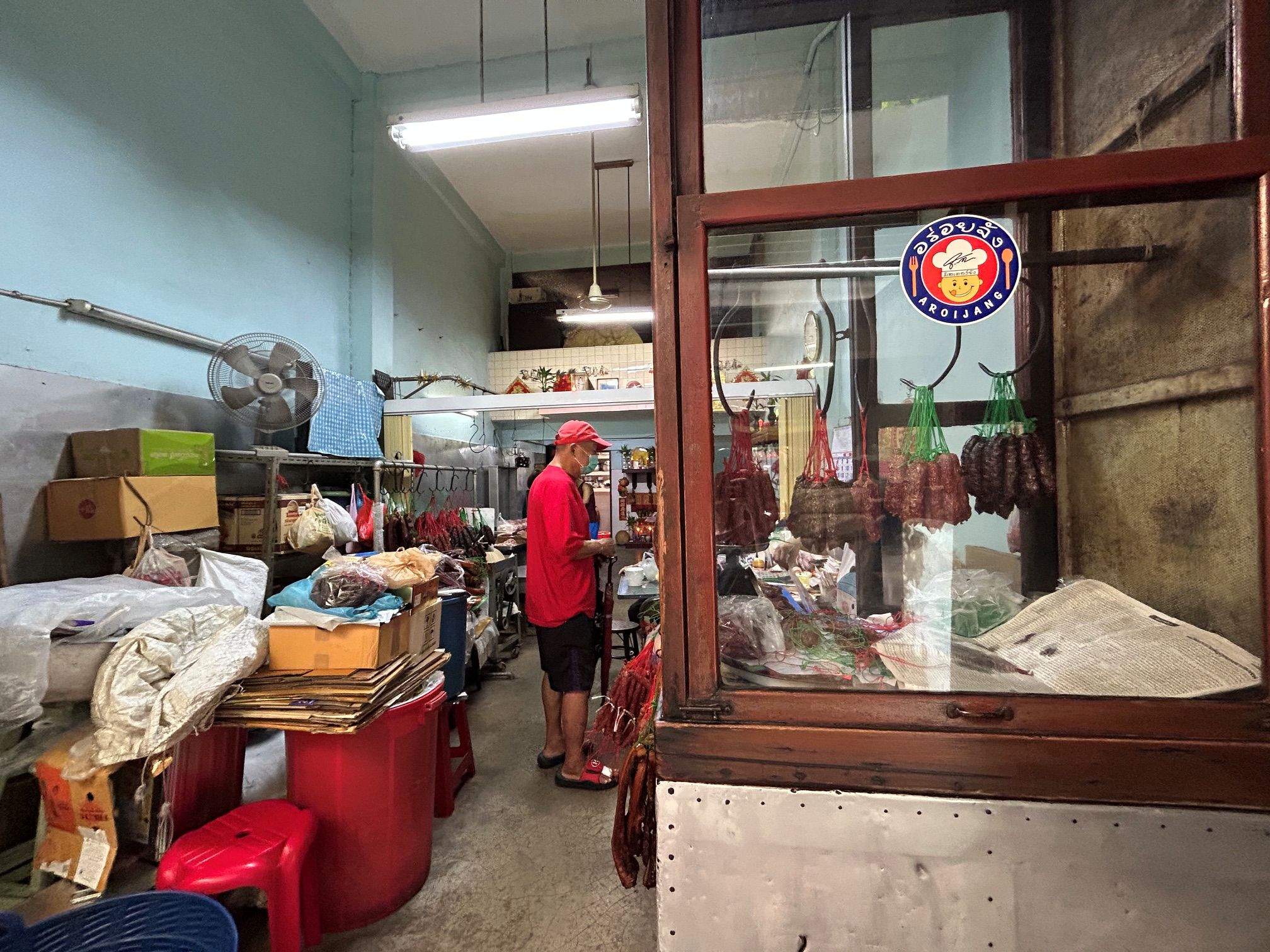
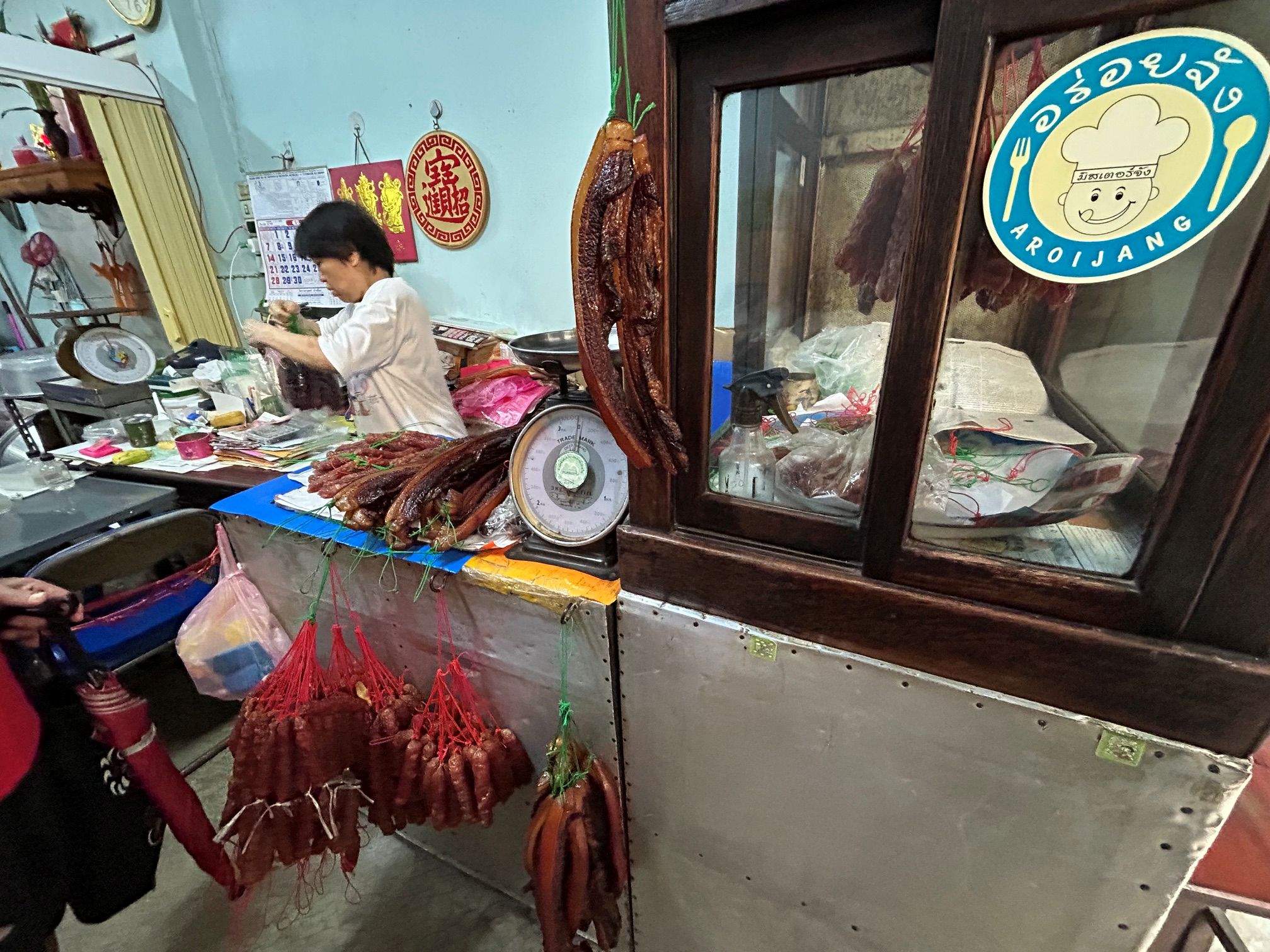
Usually, shopping for kun chiang in Bangkok means picking up a predictably sweet, mass-produced package from a local supermarket. But when I stumbled upon Tang Kuang Khi Hiang (ตั้งกวงคี่เฮียง) highly recommended with stellar Google Reviews, I knew I had found something truly special.
For me, the standard Thai version has always felt a bit “weird” in terms of texture and taste. The Lap Cheung (臘腸) I am used to leans heavily toward a savory-sweet, firm, dry, and pleasantly chewy texture. On the other hand, typical Thai-Teochew kun chiang—a term originally adopted from the Teochew dialect into the Thai language—tends to be much sweeter due to a higher sugar content, as well as softer and plumper.
Wanting to source a truly legendary, popular kun chiang, our hunt led us deep into the labyrinthine alleys of Chinatown. What began as an unintentional search for Cantonese-style sausage quickly turned into an incredible find—with a massive shoutout to my husband for successfully navigating us right to the shop!
This family-run, old-school institution is celebrated by culinary purists for producing authentic, Hong Kong-style Cantonese sausages. They are famously less sweet, less fatty, and completely free of that artificial, waxy texture found in commercial brands. Admittedly, I was a bit anxious about gifting something that deviates so sharply from the common, ultra-sweet Thai-Teochew style sausages most locals grew up with. However, the glowing reputation of this hidden gem made it a risk well worth taking.
🗺️ A Cantonese Encounter in a Hidden Alley
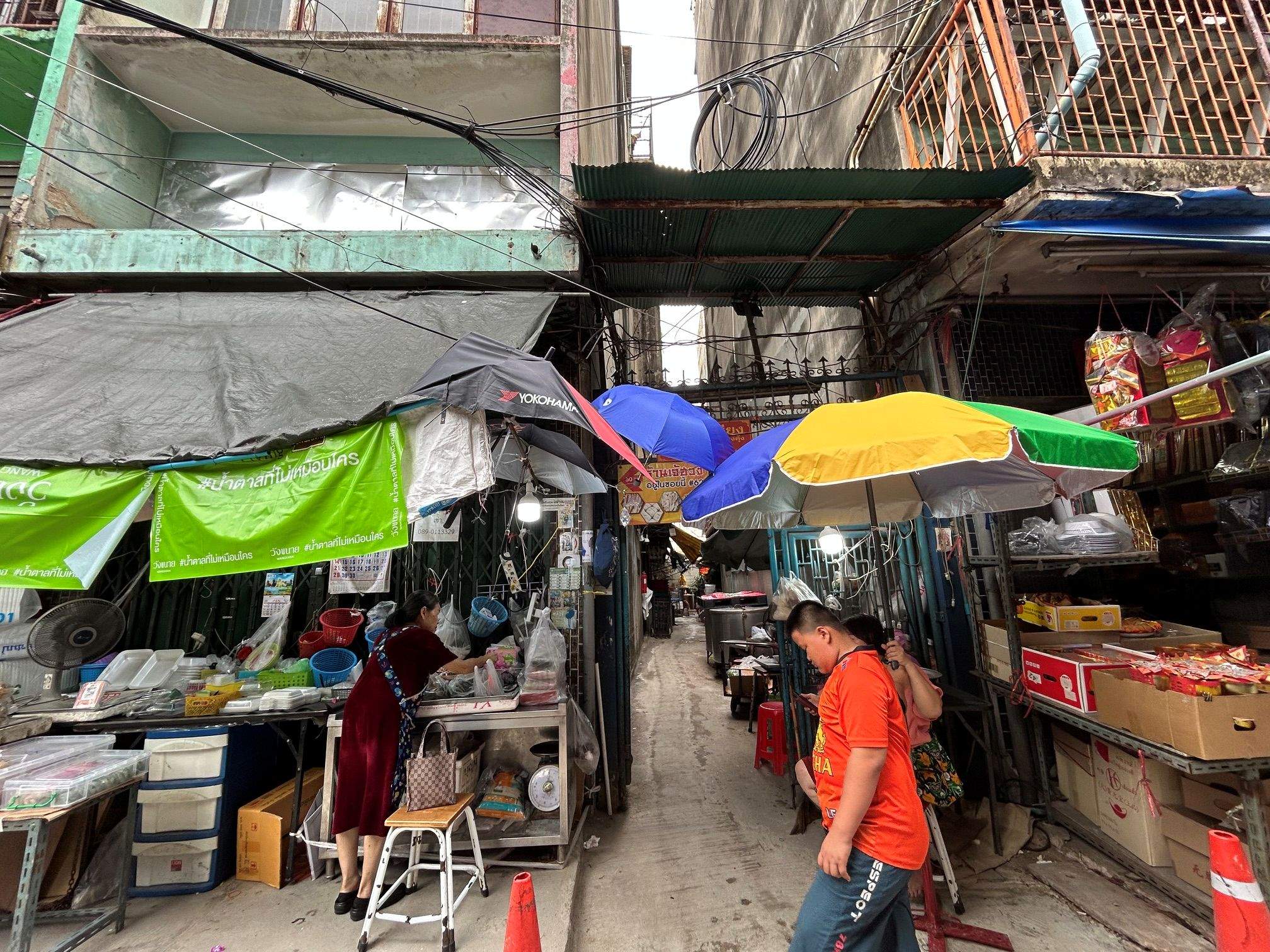
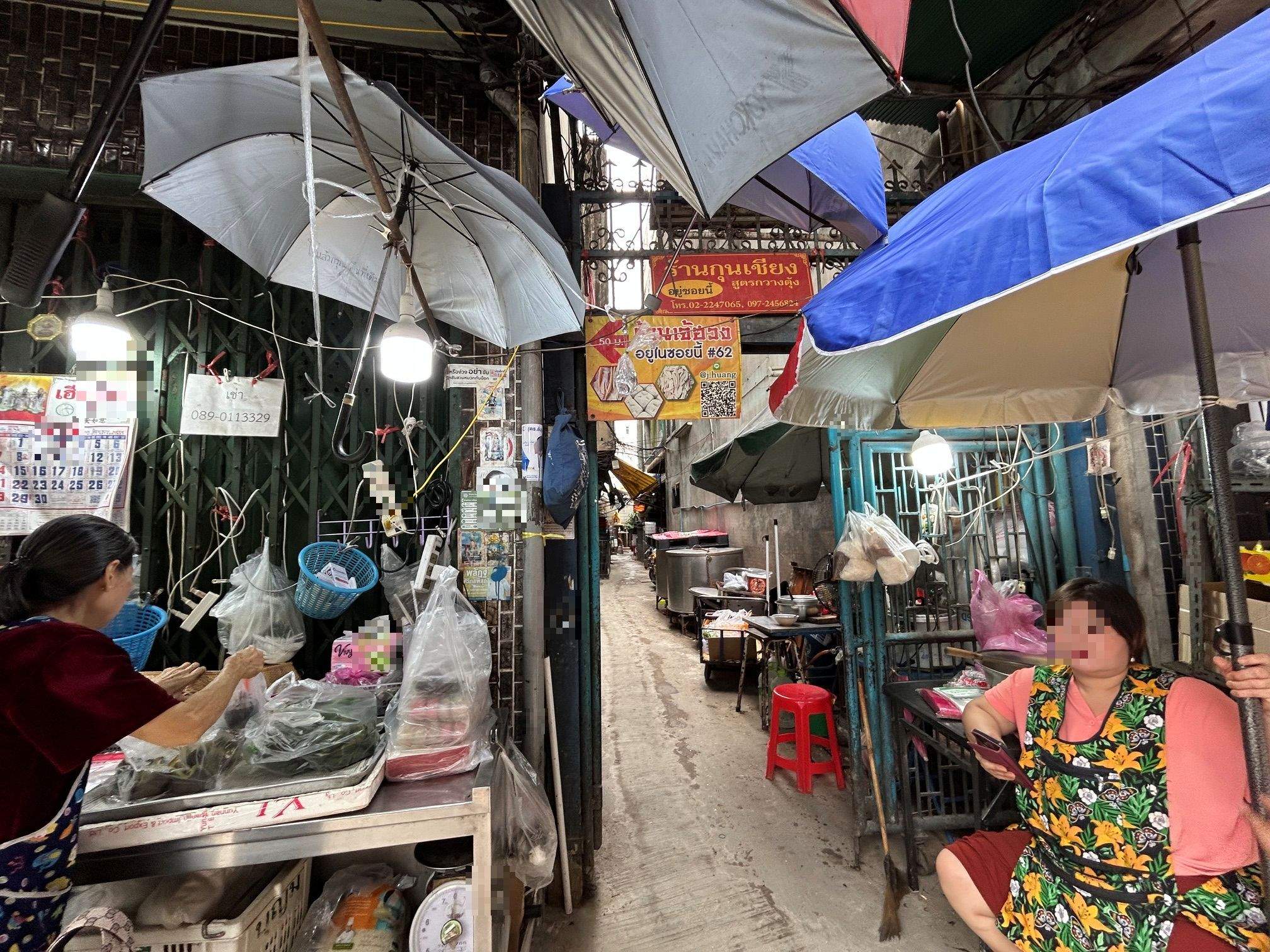
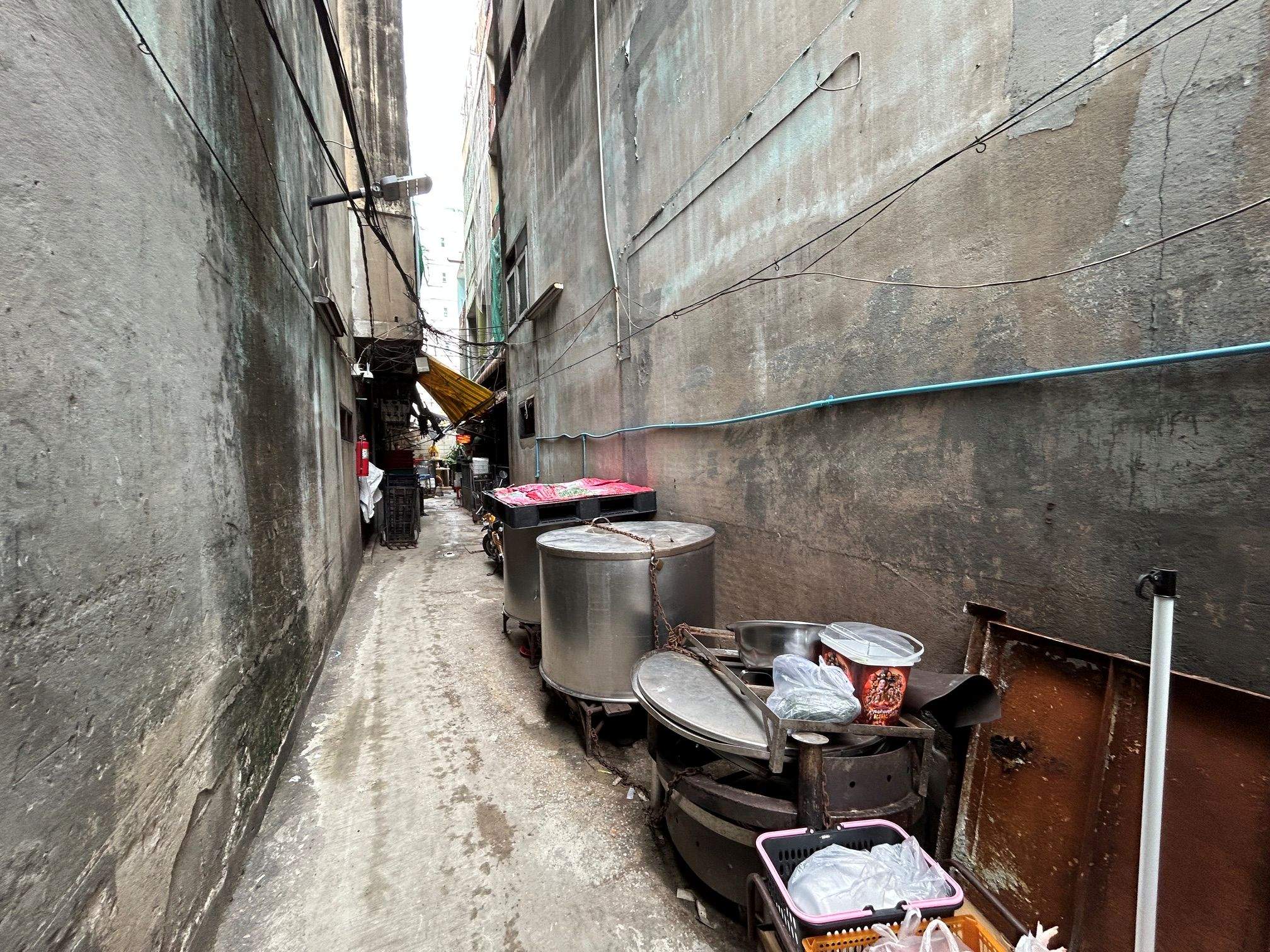
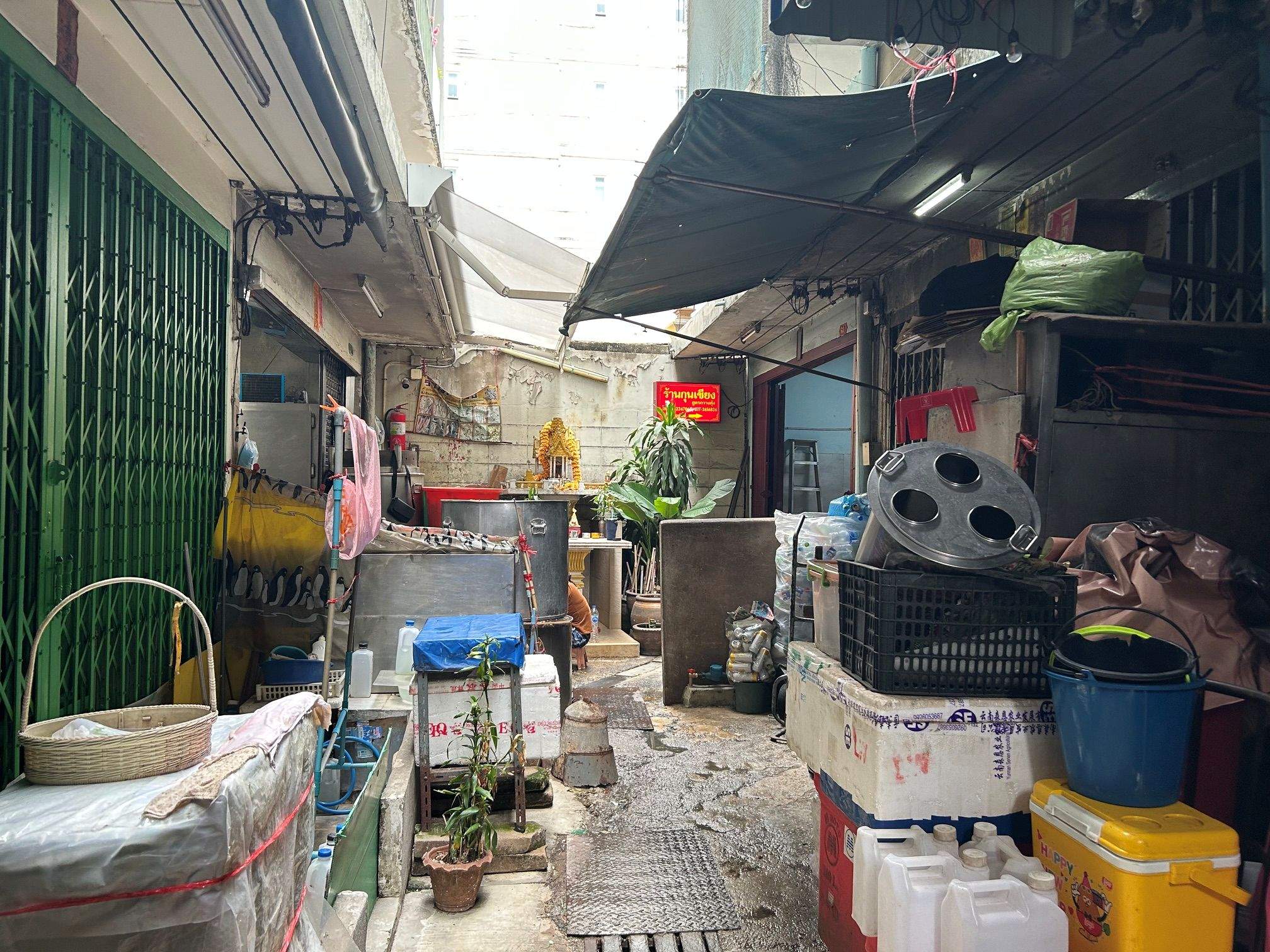
Finding the shop is half the adventure. It sits quietly tucked away inside an alleyway off Soi Charoen Krung 21. Arriving at the storefront, we crossed paths with another customer who was chatting fluently with the shopkeepers in Cantonese and was just about to leave.
Seeing my surprised expression, the friendly customer turned to explain, “I am Cantonese, and this shop family is from Guangdong! You can absolutely speak the dialect here.” He then proudly assured us that this is hands-down the absolute best kun chiang in Bangkok, offering an old-school, uncompromising flavor profile you simply cannot find anywhere else.
The shopkeepers themselves perfectly embody the classic, no-nonsense vibe of old Yaowarat. They aren’t overly chatty or syrupy-sweet; they are brisk, efficient, and direct. In a neighborhood where businesses open and close in the blink of an eye, a shop hidden deep in an alley that stays this busy purely on word-of-mouth and customer loyalty proves one thing: their product is undeniably spectacular.
🥩 Decoding the Menu: Varieties, Twine, and Pricing
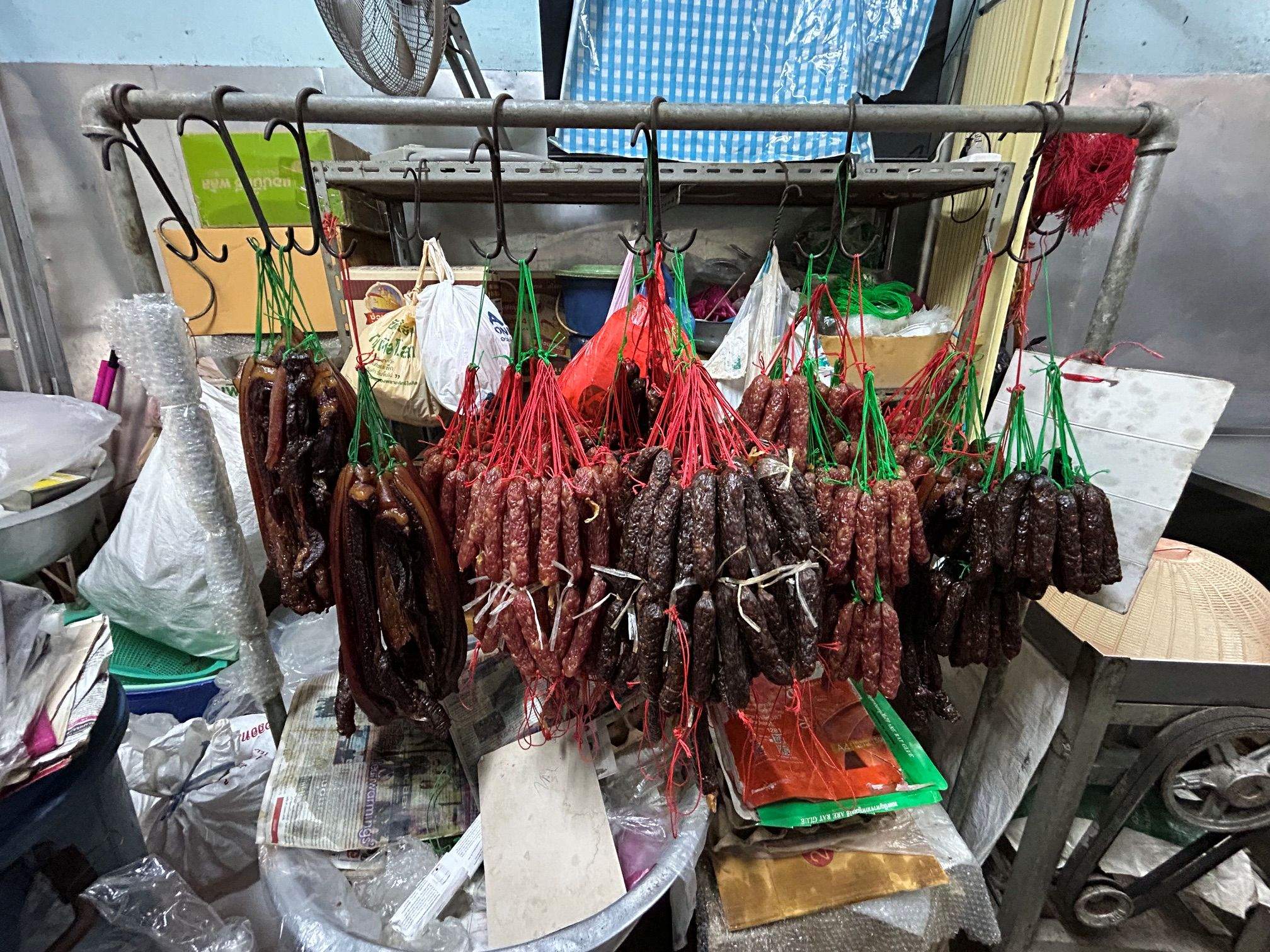
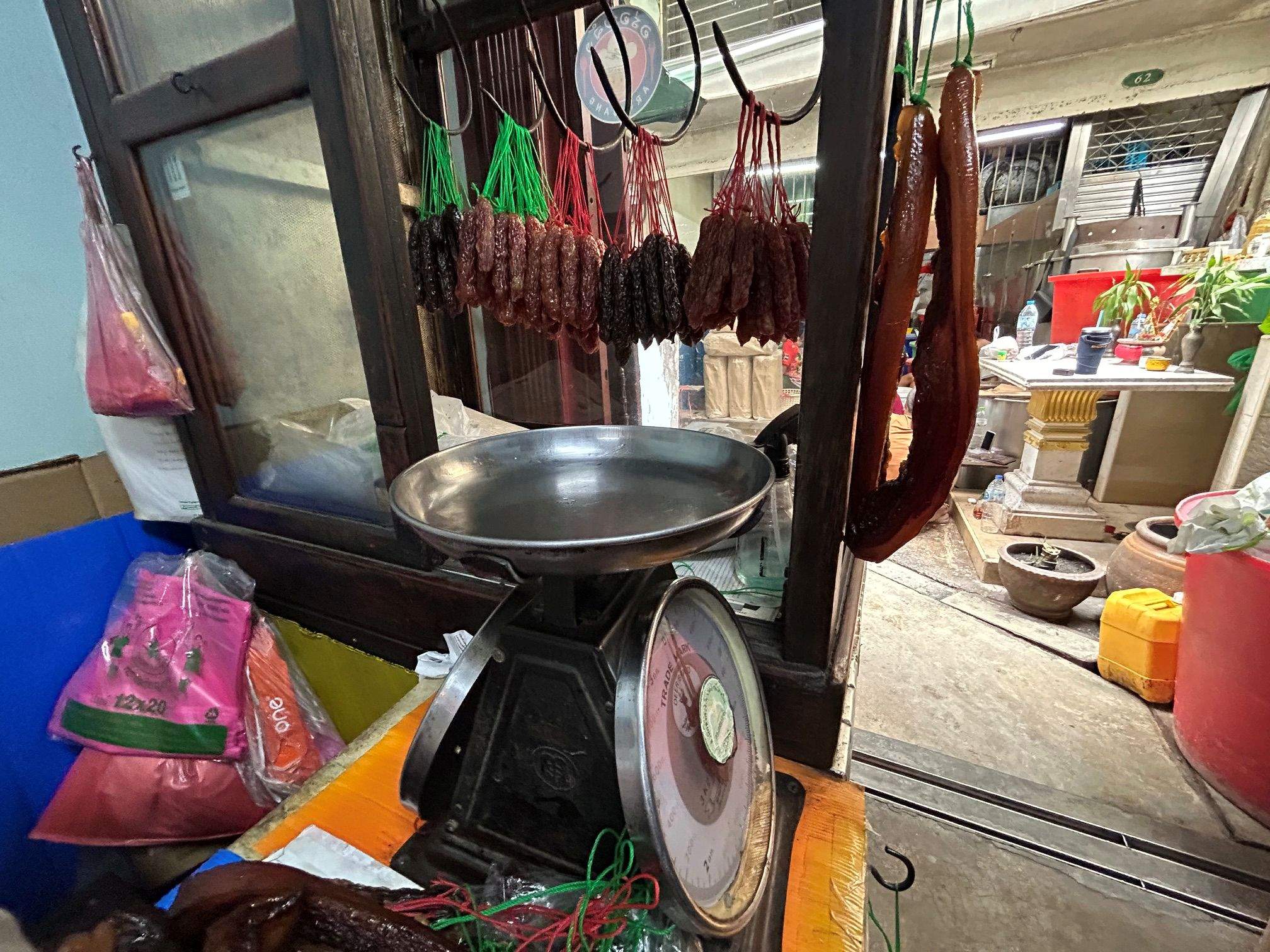
Unlike softer, plumper Teochew sausages, authentic Cantonese sausage is air-dried and cured until firm and dense. Tang Kuang Khi Hiang traditionally uses colored cotton twine strands to help customers distinguish between their varieties:
- 🔴 Red Strands: The traditional recipe blending pork meat with flavorful pork fat, or their premium duck liver.
- 🟢 Green Strands: The leaner pork cuts with minimal fat, or their traditional pork liver.
While older reviews on Wongnai note that the red strands used to cost 440 THB/kg and the green strands cost 400 THB/kg, the shop has since standardized their pricing to a flat 440 THB per kilogram across the board. For maximum convenience, you don’t have to purchase a full kilo; everything can be bought in pairs.
Because duck liver is incredibly rare to find in kun chiang these days, we jumped at the chance to buy a pair of these dark, rich delicacies. The shop recommends buying in “complementary” pairs, so we paired the red-stranded duck liver with the classic, slightly richer pork-and-fat sausages. We walked away with three pairs of sausage for a very reasonable 130 THB.
Beyond sausages, their storefront beautifully displays cured dried pork belly and preserved duck. The glistening pork belly was practically calling my name, but we ultimately gave it a pass as we are trying to be more health-conscious and reduce our fatty meat intake.
🍳 Cooking Tips & The Ultimate Tasting Notes
When you purchase these artisanal links, the shopkeepers offer one golden rule: steam or bake the sausage instead of pan-frying it. Because these sausages are traditional, dense, and air-dried until hard, throwing them into a hot frying pan will cause the casing to seize up and turn tough. Steaming gently rehydrates the casing while letting the interior fat melt perfectly.
The overall taste profile is predominantly deep, complex, and savory-salty—a refreshing, elegant contrast to the sugary-sweet varieties that dominate the modern market. It is a wonderfully unique flavor profile that I truly hope my husband’s friend and his mother will enjoy!
How to Eat It: This sausage is absolutely made for carbohydrates. It shines brightest when sliced thin and laid directly on top of raw jasmine rice in a clay pot or rice cooker. As the rice steams, the natural fat melts out from the sausage, beautifully coating every single grain of rice, imparting a rich glaze and a deeply aromatic, smoky fragrance that is intensely appetizing.
💡 Insider Buying Tips
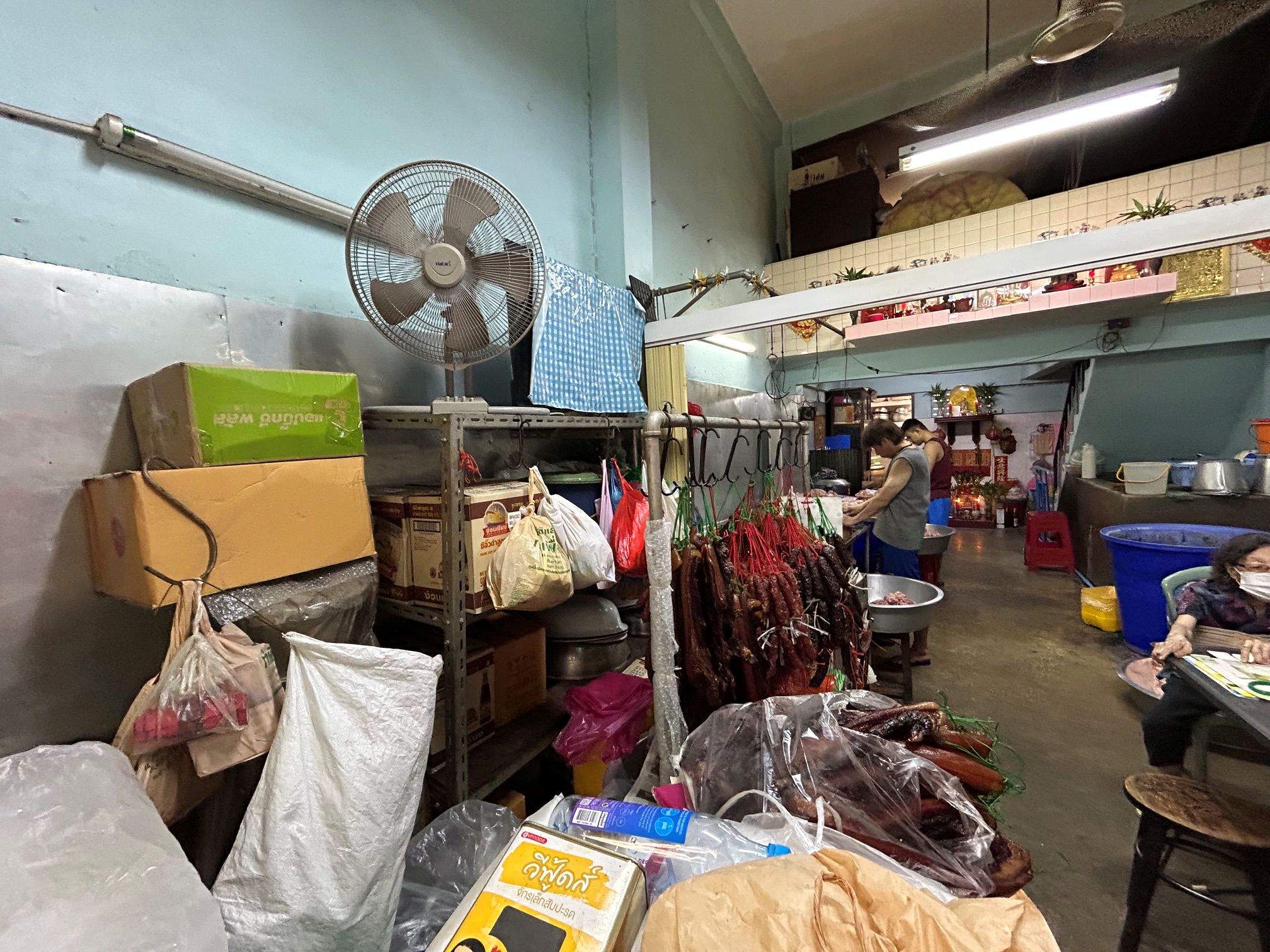
- Upscale & Flour-Free Approved: Their recipe is so highly regarded—and completely flour-free—that several upscale, fine-dining restaurants across Bangkok quietly source their kun chiang directly from this humble shop.
- Time Your Visit: Because everything is handmade and slow-smoked in small, artisanal batches, items sell out incredibly fast. Local regulars highly recommend walking in on a Monday or Thursday, as these are the dedicated days fresh batches come out of the smoker.
📞 Store Details & Location
Before making the trek, it’s always a good idea to call ahead to check for stock updates or seasonal closures.
- Address: 60 Trok Itsaranuphap, Soi Charoen Krung 21, Bangkok
- Phone: 02-2247065, 097-2456824
- Opening Hours: Monday – Sunday, 8:00 AM – 6:00 PM
- Nearest Transit: MRT Wat Mangkon (Exit 3)