From Nanyang Roots to Bangkok Screens: Reviewing “Dear You” & Navigating Thai Cinema Etiquette
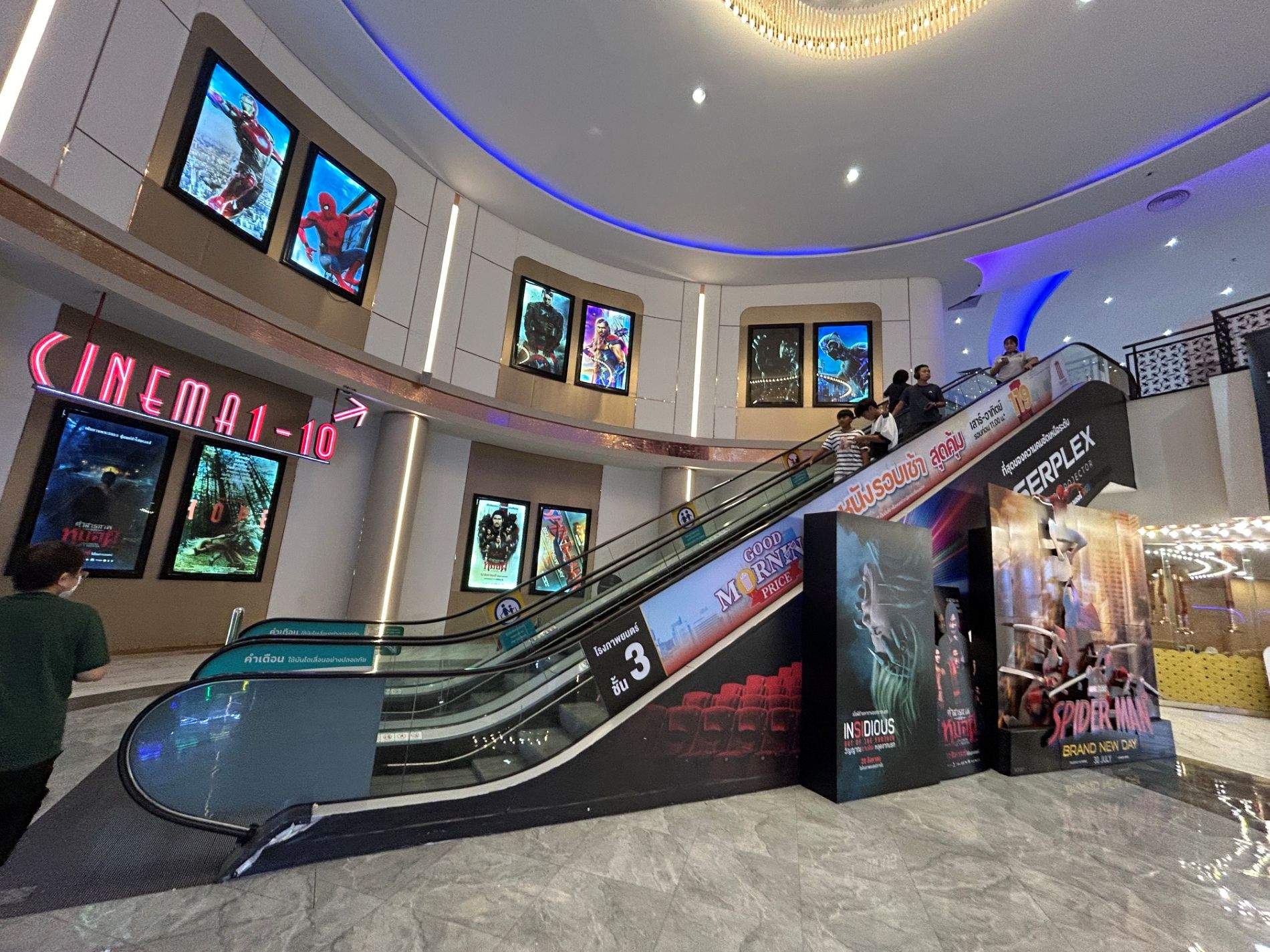
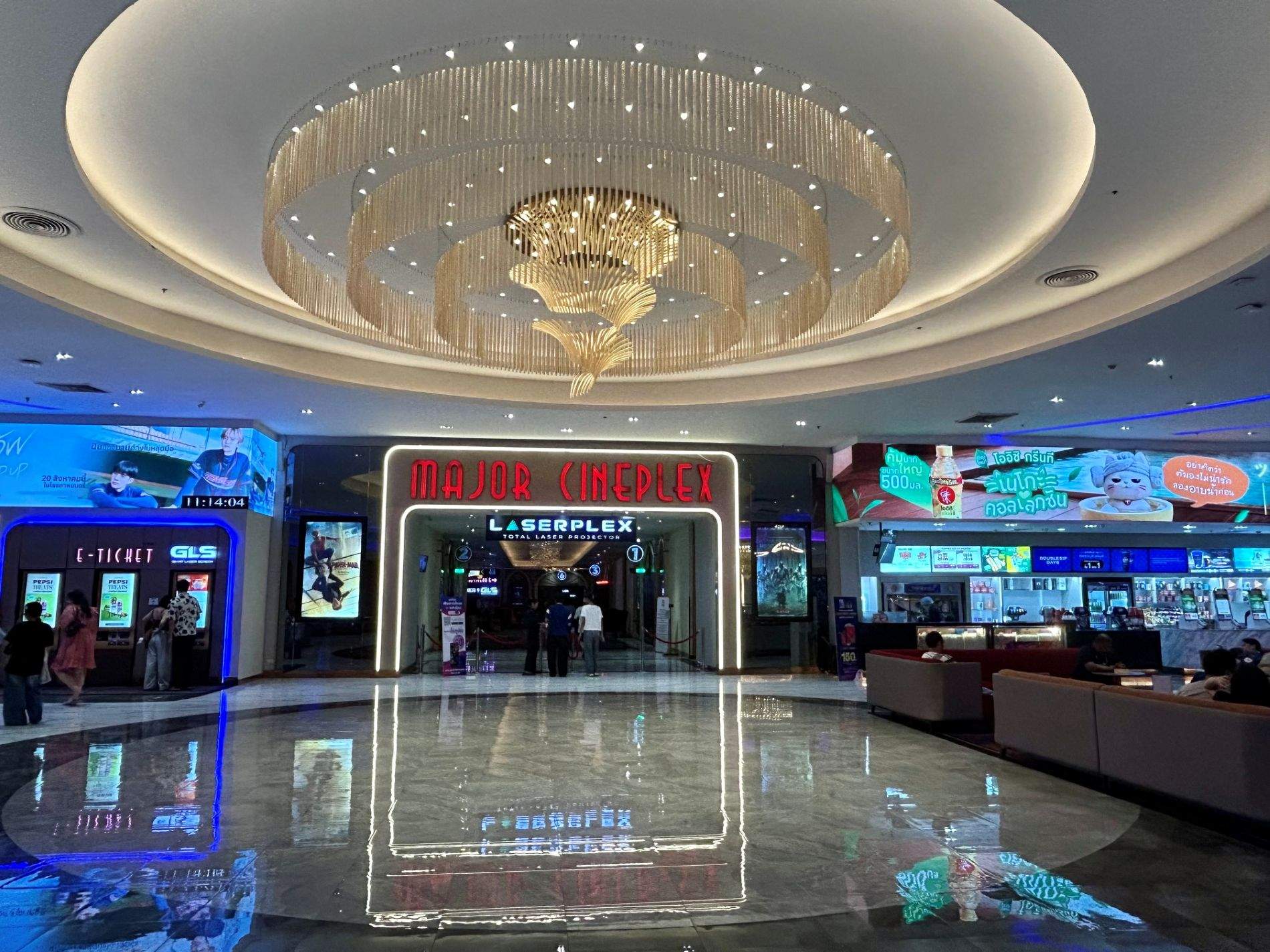
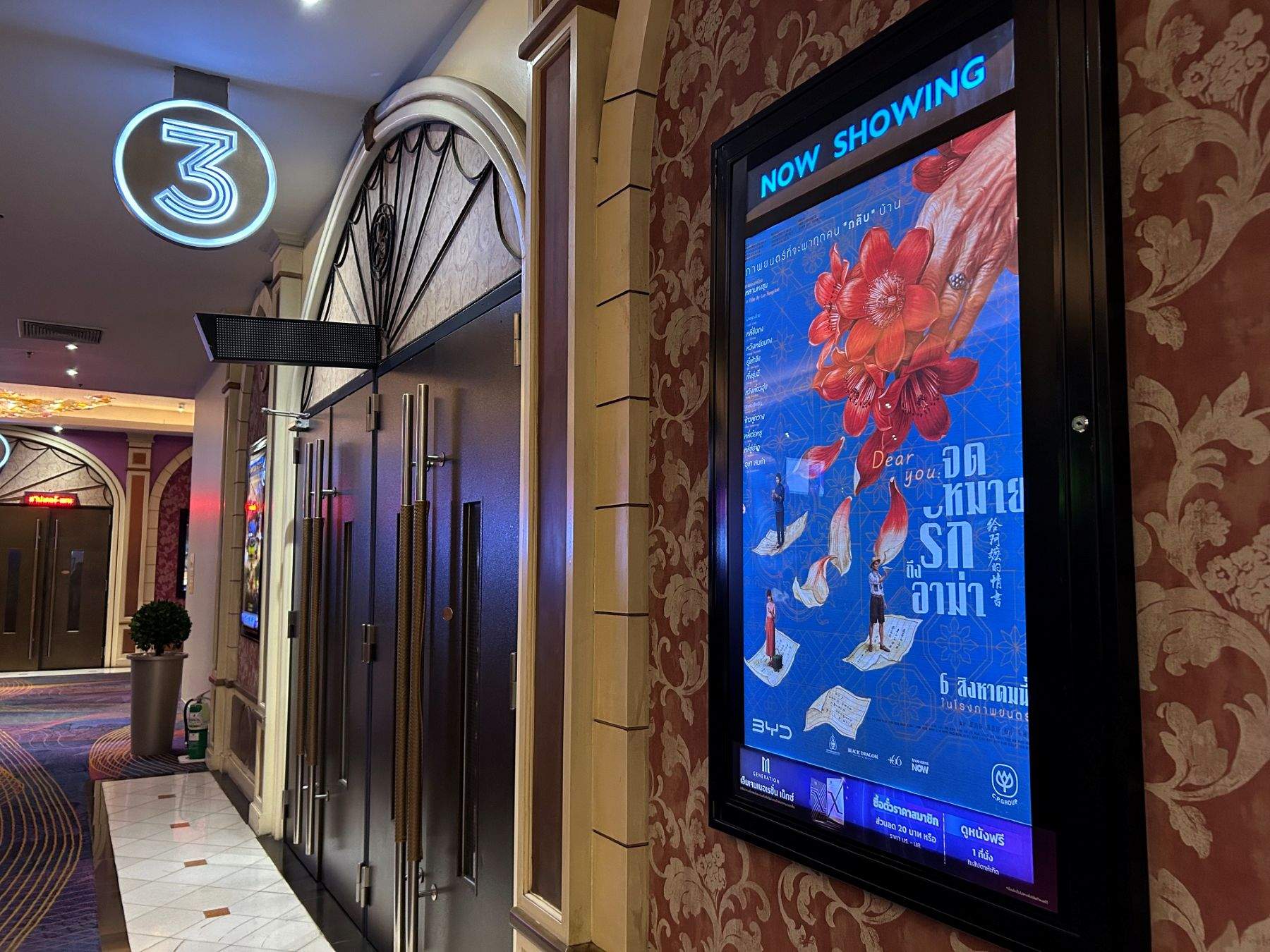
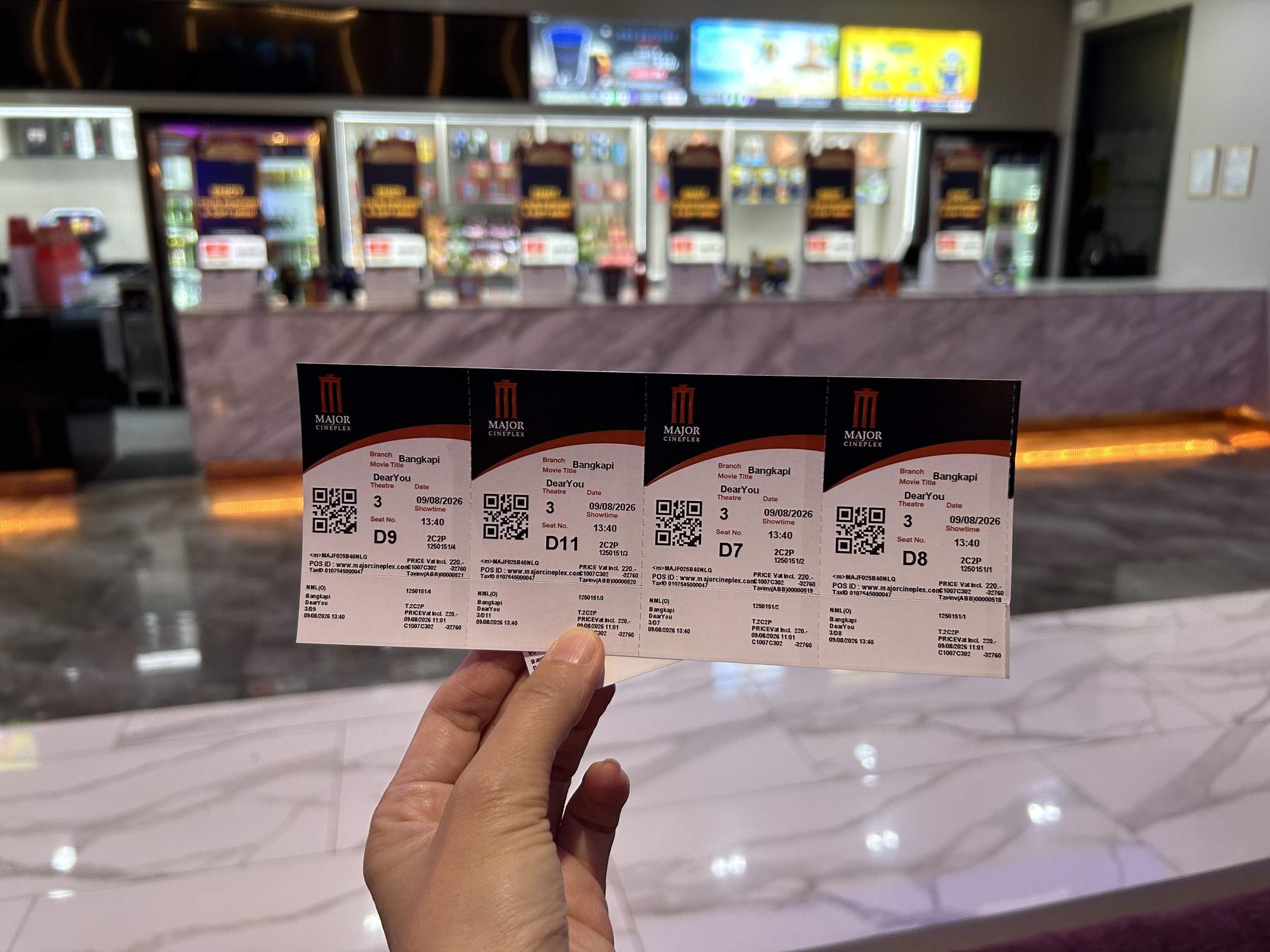
It has been a while since my last trip to the movies in Thailand, where Major Cineplex and SF Cinema dominate the theater scene. This time, we took my father-in-law to see Dear You (给阿嫲的情书), which hit local screens under the Thai title จดหมายรักถึงอาม่า (“Love Letter to Grandma”).
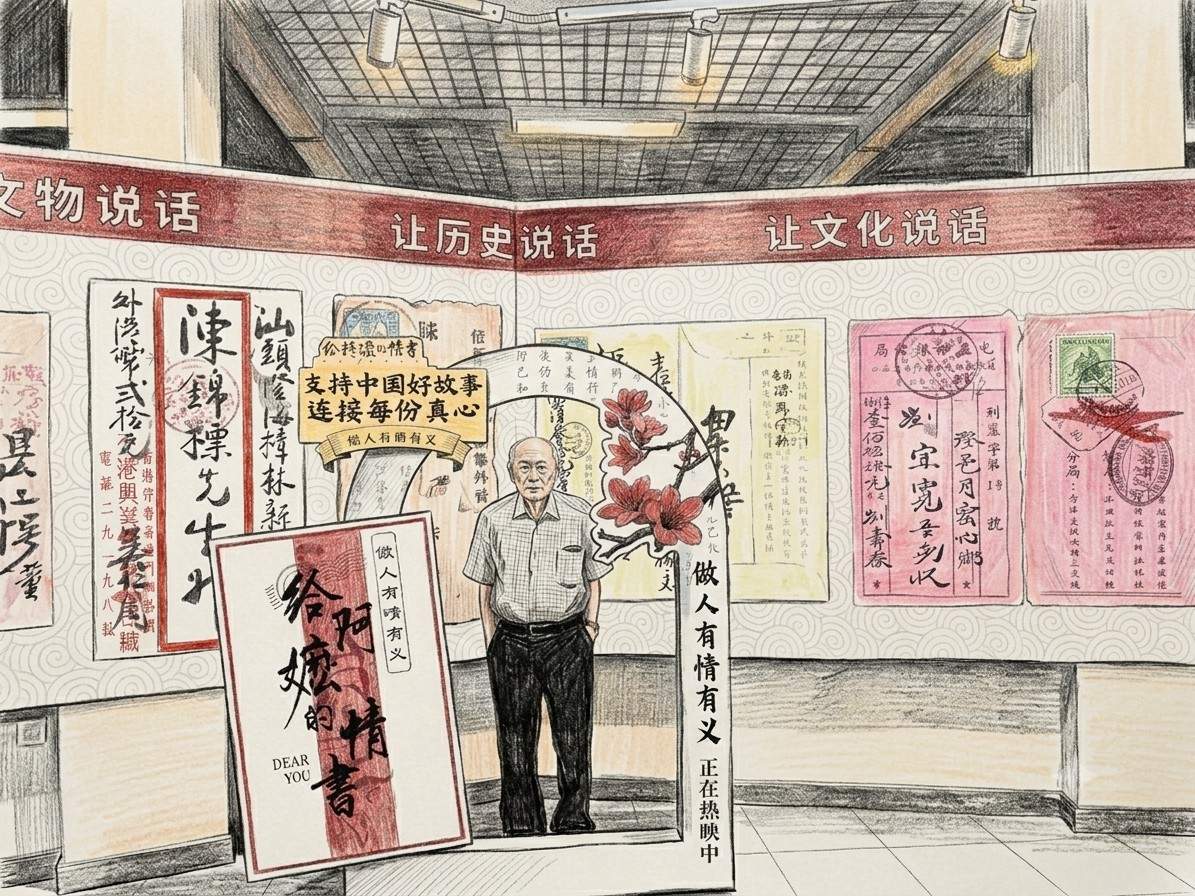
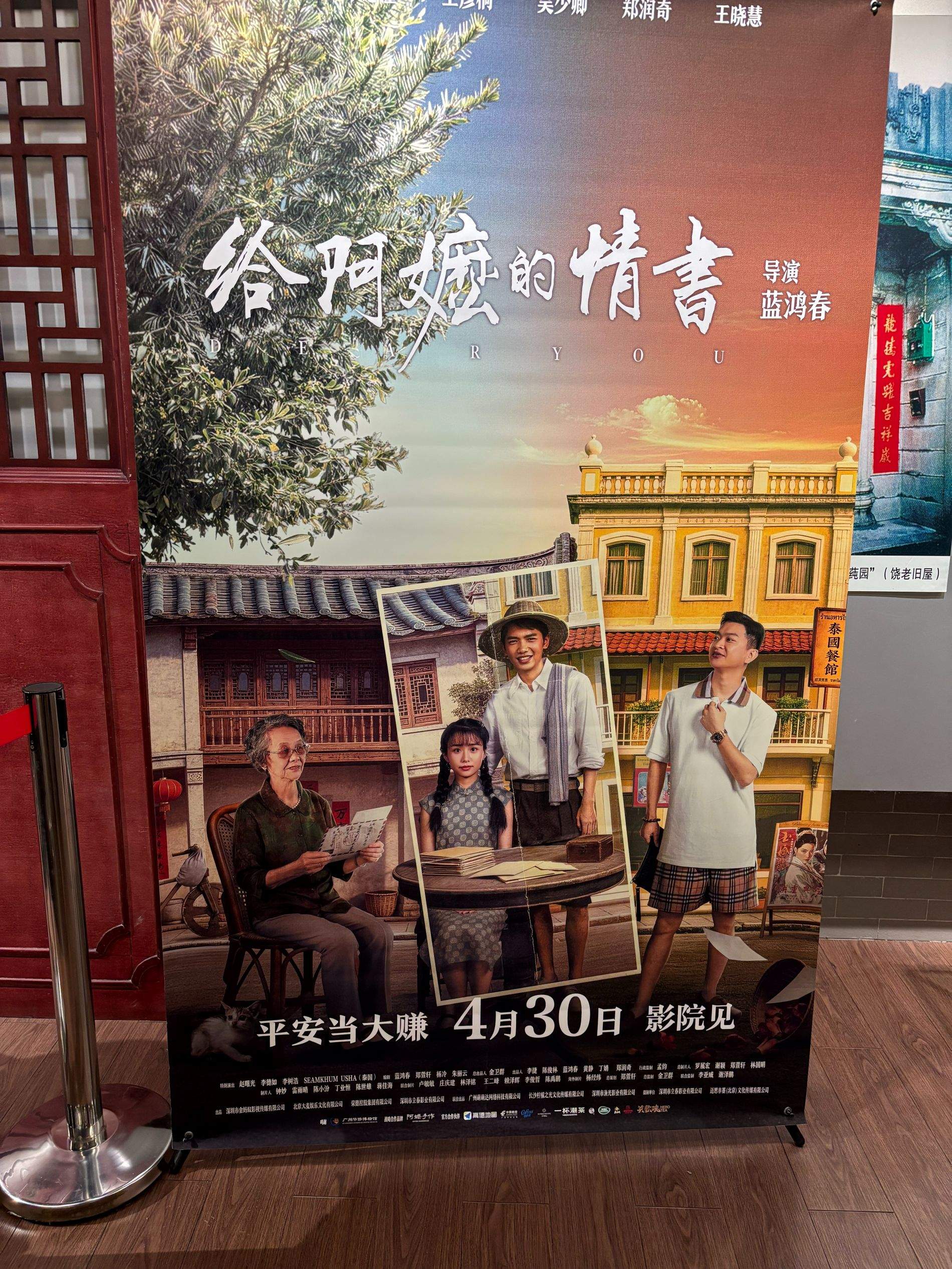
The movie was newly released when we were in China – our cousin first recommended it when we returned for our first ancestral village visit back in May, mentioning that the plot centers on the historical Teochew migration to Southeast Asia. The story follows a young Chinese man who travels to Thailand in search of his grandfather, who fled China in 1948 to escape civil war conscription. Our local travel agent in China even linked our return trip to the film, urging people to watch it to see the struggles of those who fled and to understand and support the journey of returning descendants searching for their roots.
Although Dear You is an original fictional story rather than a direct account of a single real-life event, director Lan Hongchun and his production team based over 90% of the film’s emotional details, settings, and hardships on extensive historical research into the real Chaoshan diaspora and qiaopi (remittance letters) history.
Box Office Success & Bangkok Film Locations
After premiering in China—where it became one of 2026’s highest-grossing films—it sparked a wave of overseas Chinese visiting the Chaoshan and Guangdong regions where it was shot. (Thankfully, we made our trip before the surge of movie traffic!).
While more than half of the story is set in Bangkok, the film is an indie production made on a modest budget of around 14 million yuan (~$2 million USD). Much of the storefront and interior action was built as studio sets in Shantou and other parts of China, paired with token visual establishing shots of Bangkok landmarks like Yaowarat Chinatown.
It stars a largely non-professional cast, though Thai actress Usha Seamkhum (famous for her heartwarming role in How to Make Millions Before Grandma Dies) makes a special and notable appearance toward the end of the film.
Given the plot’s strong connection to Thailand, the delay in its local release was likely due to the extensive Thai dubbing and subtitling production. The studio planned multi-tiered international release waves, launching first in regions with immediate distributor readiness before expanding to secondary markets like Thailand, Vietnam, and Western countries.
Decoding Audio & Subtitle Codes in Thai Cinemas
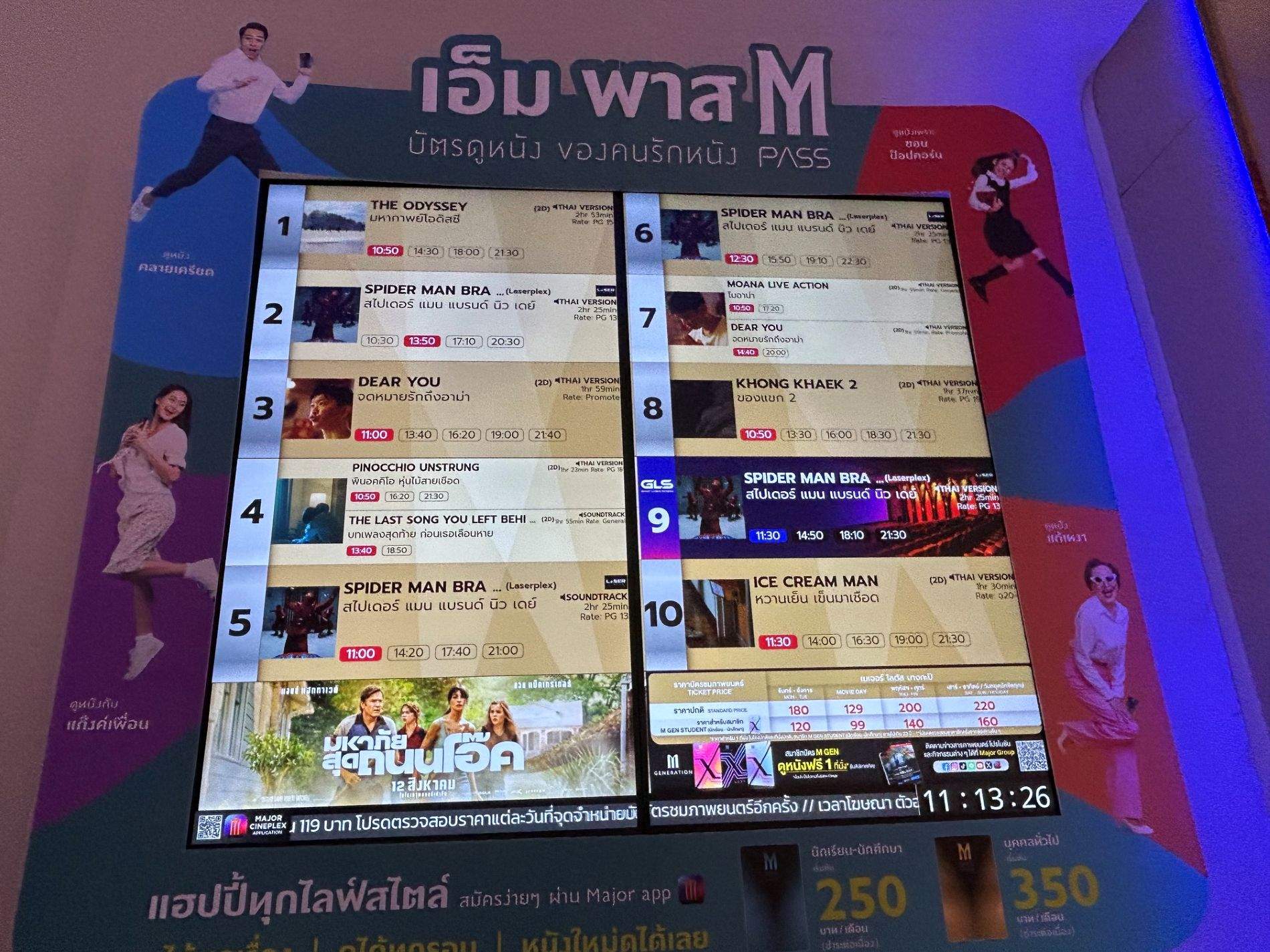
Navigating Thai theater listings can be confusing without knowing the shorthand. Digital display boards and mobile apps use specific language codes so buyers don’t accidentally purchase a ticket for the wrong audio track:
- TH/EN: Spoken Thai audio paired with English subtitles.
- CN/ET: Chinese audio (Mandarin, Cantonese, or Teochew depending on the cut) paired with both English and Thai subtitles (ET).
- Available Options for Dear You: Screenings were offered in
CN (Teochew)/CNTH,CN (Teochew)/ENTH, andTH/EN.
Original-audio screenings are listed as the “Soundtrack” version, which delivers the best impression by preserving the actors’ intended tone, emotion, and original sound design. While I usually prefer original audio—especially since TV and film dubbing in Thailand can sometimes feel monotone due to a small pool of recurring voice actors—we ultimately opted for the TH/EN version to make the dialogue easier for my father-in-law to follow.
A Note on Senior Accessibility in Dubbed Films
Ultimately, my father-in-law still had difficulty hearing the dialogue at his age. Because the Thai-dubbed screening did not feature Thai subtitles, he wasn’t able to fully immerse himself in the experience. Movie distributors should consider including local-language subtitles even on dubbed cuts, especially for films that attract older, hard-of-hearing moviegoers.
Pricing & Redemption Hacks
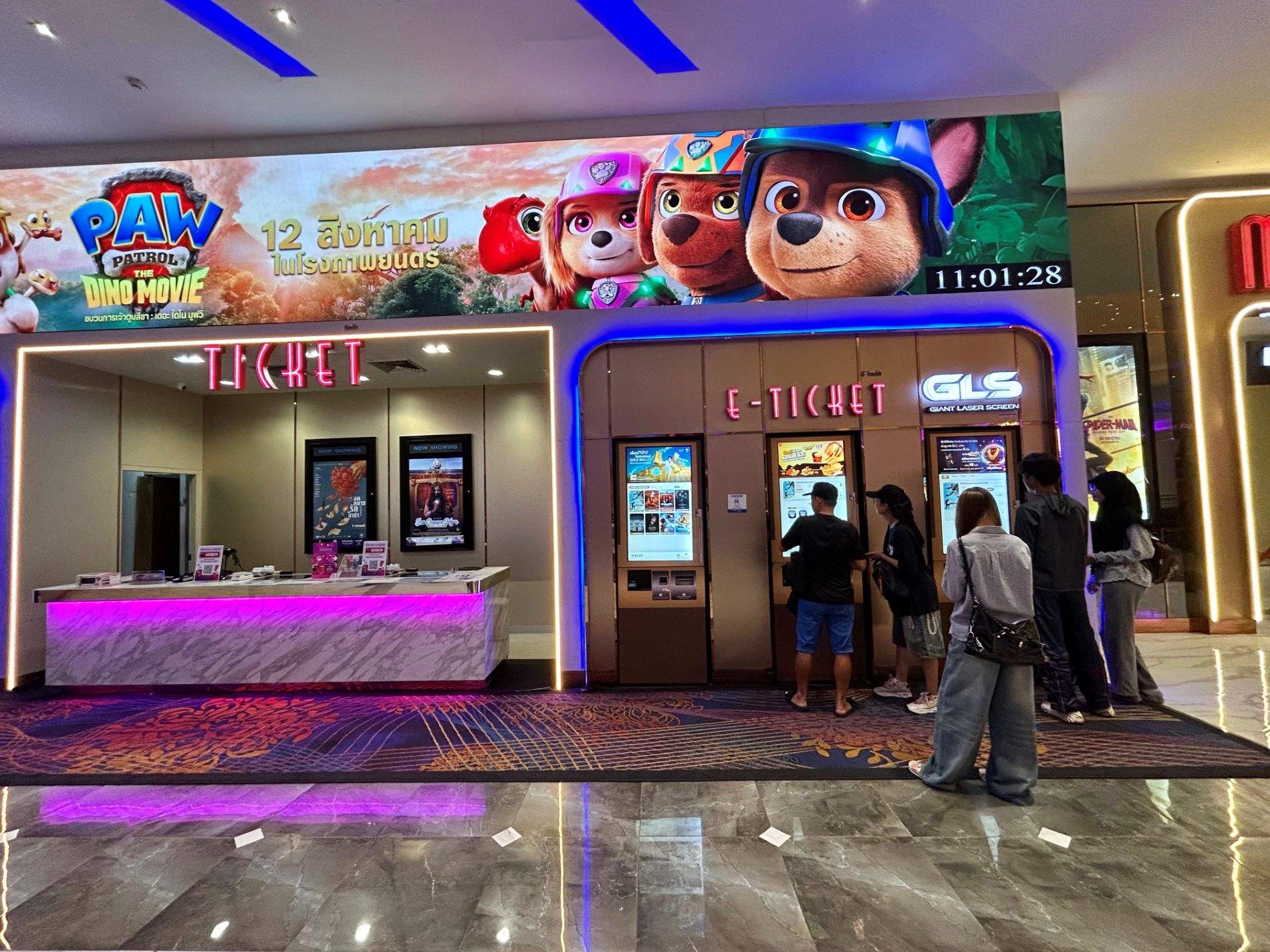
Movie ticket prices in Thailand vary significantly depending on the location and day of the week:
- Local Neighborhood Branches: Standard seats run around 220 THB, while Honeymoon seats are 240 THB for weekend screenings.
- Central Bangkok Branches: Those exact same seats can jump to 300 THB and 350 THB.
- Saving Money: Weekday screenings and early-morning showtimes offer cheaper rates.
Coming from Malaysia, I was surprised to find no discounted fares for seniors. In Malaysia, senior citizens (GSC 55+, TGV 60+) enjoy lower ticket prices.
Since I am not a frequent moviegoer, I bypassed account creation on the Major Cineplex app by verifying my phone number via OTP. To save on tickets, I used my dtac app to redeem 299 coins as a Gold member, securing a single ticket for 149 THB.
💡 Pro-Tip: Once you confirm a dtac reward code, you have a 30-minute window to apply it on the payment screen before it forfeits. Always select your cinema, date, showtime, and seats first, and only hit redeem when you are ready to check out!
Showtime Realities & Cinema Etiquette
In Bangkok cinemas, the printed showtime on your ticket is rarely when the main feature starts. Commercials, trailers, and public announcements typically run for 20 to 30 minutes past the official time (and can stretch even longer for major blockbusters at flagship Major Cineplex locations).
👴 For Seniors & Intergenerational Groups
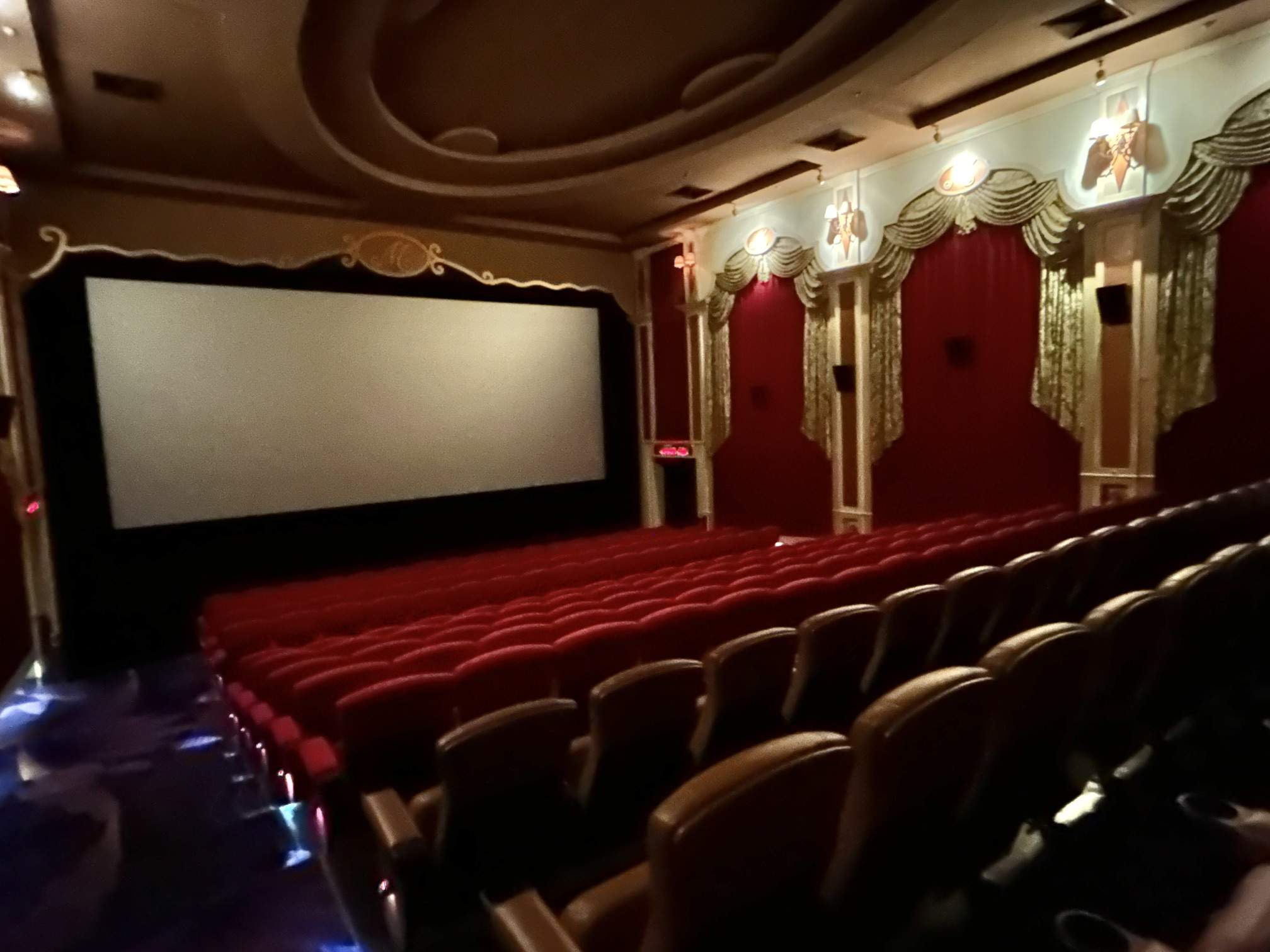
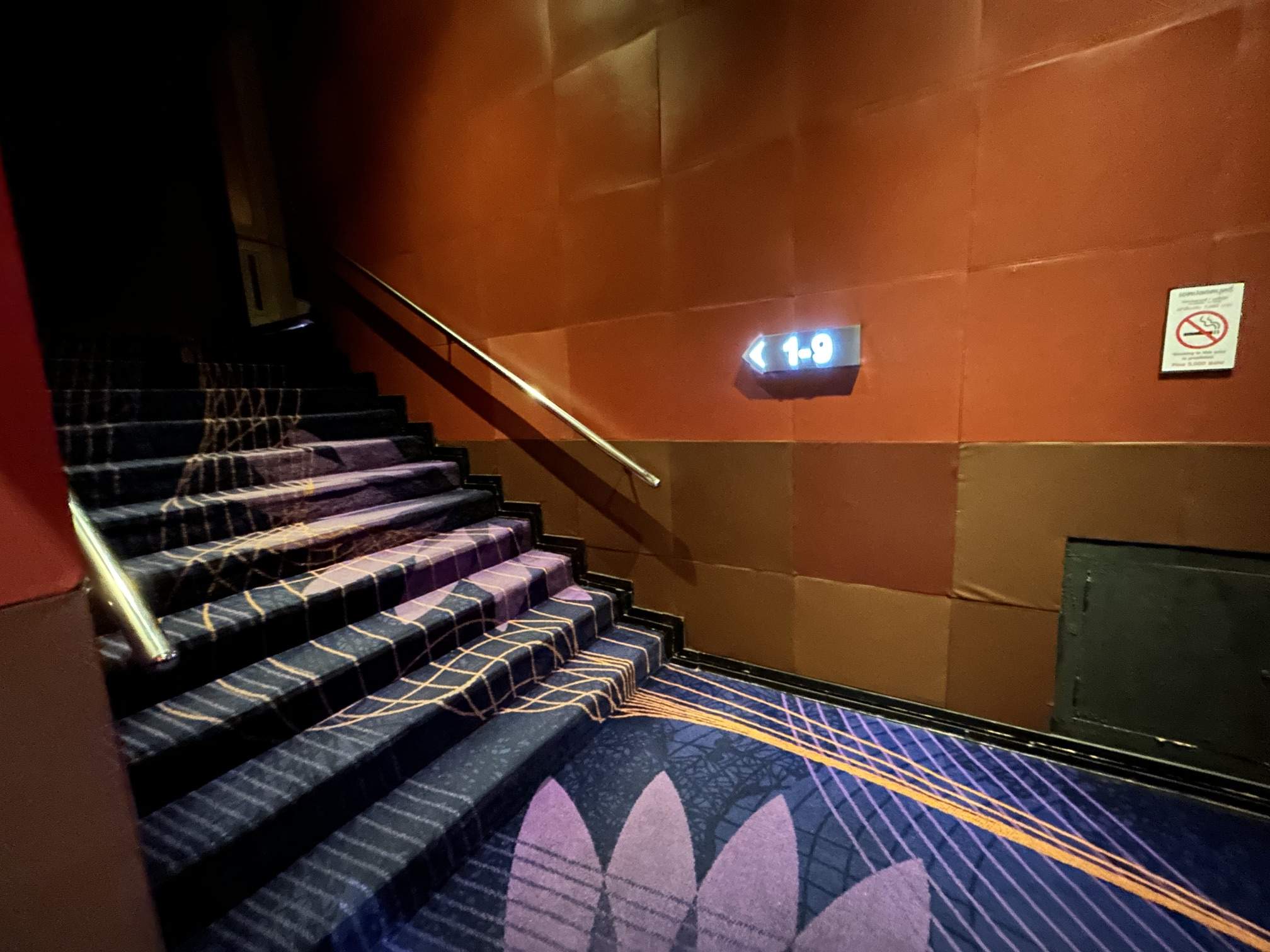
- Enter Before the Lights Dim: While regular moviegoers often skip the 20-minute ad buffer, it’s best to enter the hall early with elderly family members while full lighting is still on to safely navigate steps and avoid tripping in the dark.
- Aisle vs. Center Seating: Booking center seats gives the best viewing angle, but aisle seats are often far more practical for older guests needing easy access to restrooms during the show.
- Accessibility Challenges: Be aware that many Bangkok cinemas require guests to navigate several flights of stairs to access screen halls and restrooms.
👶 For Families with Kids
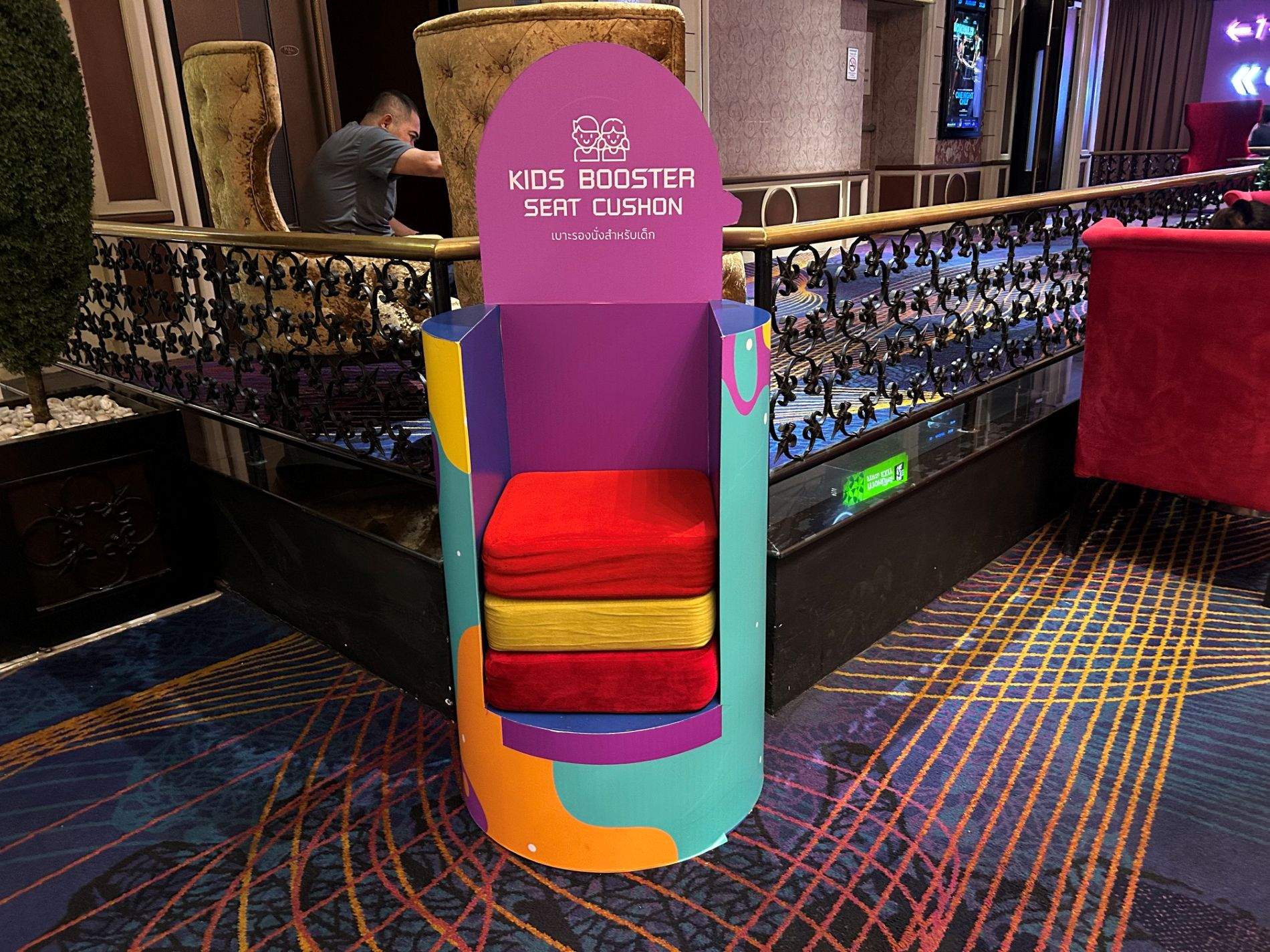
- Child Booster Seats: Free booster cushions are available inside the auditorium lobby area to elevate smaller children for a clear line of sight over the seats ahead.
- Streamlined Entry & Keepsake Tickets: Group ticket bookings consolidate into a single QR code, requiring only one quick scan at the auditorium entrance for the whole family. While you can scan directly from the e-ticket on your phone, the Major Cineplex app also allows you to print physical paper tickets at the venue—a great option if kids or older family members appreciate keeping ticket stubs as souvenirs!
🍿 For General Moviegoers & Cultural Etiquette
- Timing the Trailers: If you are traveling without seniors, aiming to walk into the auditorium roughly 15 to 20 minutes after your printed ticket time allows you to skip the bulk of commercial ads without missing any of the movie.
- The Royal Anthem (Sansoen Phra Barami): Immediately following the trailers and right before the film begins, the Royal Anthem plays alongside a visual tribute to the King. Standard cultural practice involves standing for the duration of the anthem as a sign of respect. While lingering public sentiment around standing has become more nuanced in recent years, following the room’s general lead remains the standard, hassle-free approach for foreign visitors. Our group stood up together.
Final Thoughts & Cultural Symbolism
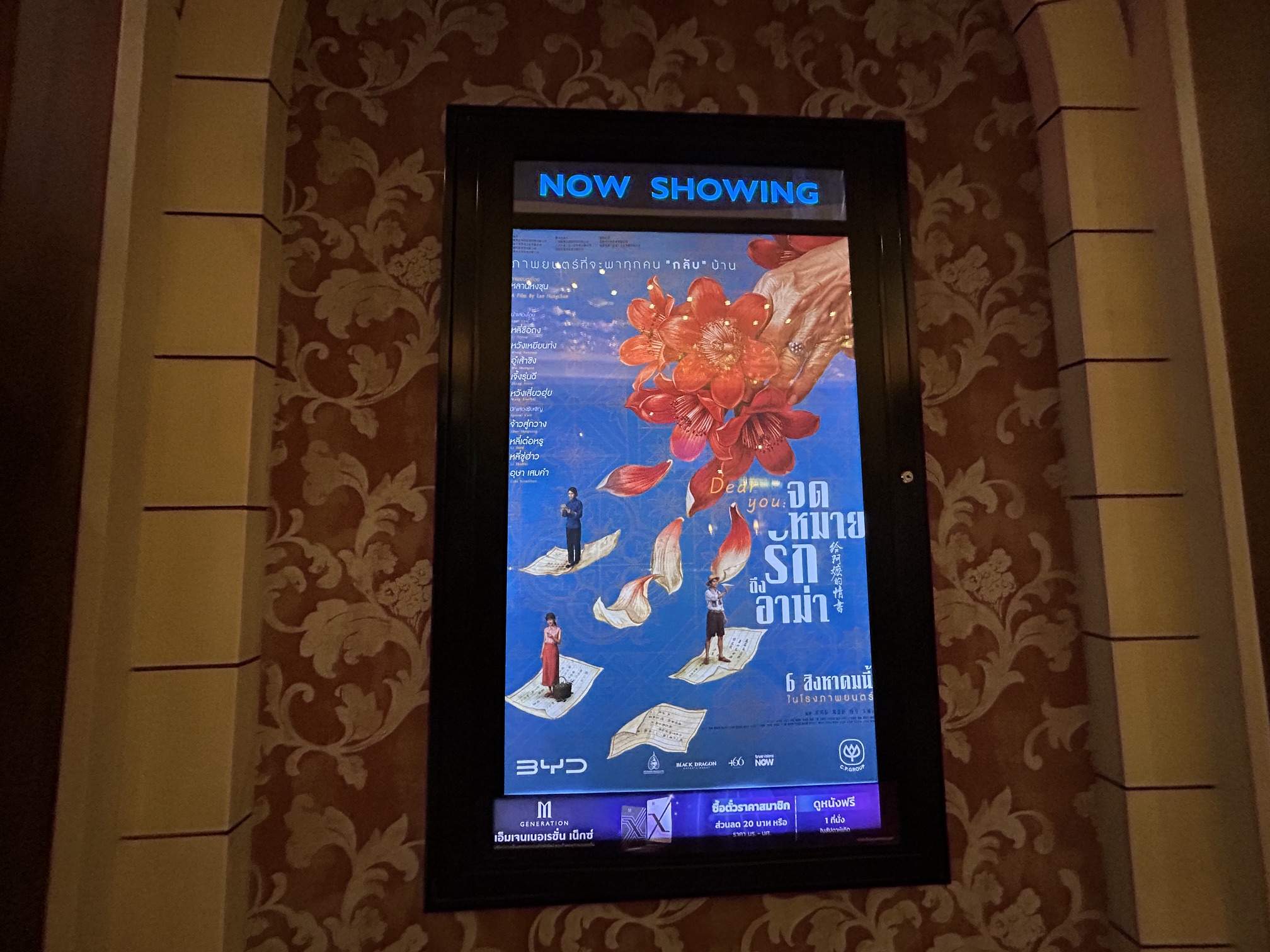
Curious about the striking red flower featured on the Thai movie poster and throughout the film, I learned it is the Bombax ceiba or kapok flower (red cotton tree flower). In the context of the story’s Chaoshan roots and overseas connections, kapok flowers hold deep significance: they symbolize longing, enduring love, and steadfastness across the seas.
Nicknamed the “Hero Flower”, Bombax ceiba also symbolizes courage and strength. It is the official flower of Guangzhou, blooming with brilliant flame-red blossoms every spring. Highly prized in Traditional Chinese Medicine, the dried blossoms are a key ingredient in Cantonese “Five Flower Herbal Tea” (Wu Hua Cha), as well as soups, salads, and traditional culinary preserves.
Did I enjoy Dear You? Yes, I did. Watching it left me with a deeper appreciation for my roots and a clearer understanding of the sacrifices our ancestors made when embarking on their voyage to Nanyang. Listening to fellow cinemagoers chatting after the screening, it was clear that many local Thai-Chinese families shared that same personal resonance. Many were commenting on how much the film’s settings resembled Shantou—a sentiment my father-in-law echoed immediately, noting how accurately it captured the city we had just visited!
While the Thai audio was decent and helped us follow the dialogue, I would love to watch it again in its original Teochew soundtrack to experience the film exactly as the director intended—even though I don’t understand Teochew myself! If you are interested in diaspora history, family drama, or cultural heritage, it is well worth a watch.