The Hikiniku to Come Experience: From Queueing to the Perfect Bite

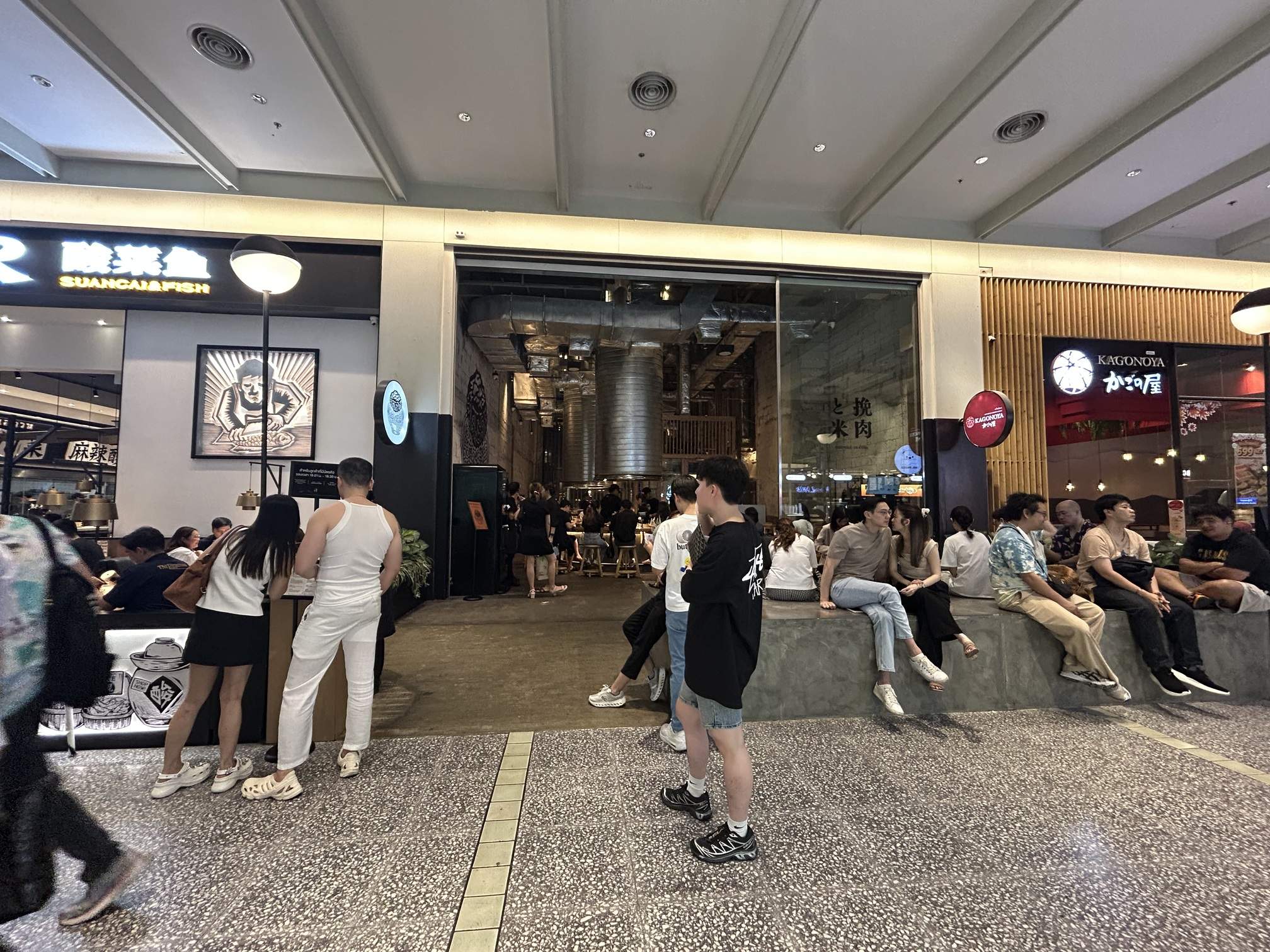

Like almost any popular trend at CentralwOrld, I first heard about Hikiniku to Come (pronounced Hikiniku-to-ko-me, or 挽肉と米 ฮิคินิคุ โตะ โคเมะ) from my husband. He showed a sudden curiosity about what “hamburg” is, mentioning there was a popular restaurant with a perpetually long queue. The Japanese version, called hanbaagu, is a distinct dish from the Western hamburger. While a Western hamburger’s flavor comes from the patty itself, the Japanese hamburg relies on a flavorful sauce or gravy, often including ingredients like red wine or teriyaki, to create a savory and saucy meal.
Having tried Japanese hamburg steak before, my interest wasn’t immediately piqued. But after our positive experience at Katsu Midori, another famous Japanese import, I decided to add Hikiniku to Come to our “must-try” list, especially since my husband had been pondering this place for months. After all, I had the time for restaurant queues, so I decided to make the most of it before I returned to full-time employment.
The Philosophy of Freshness
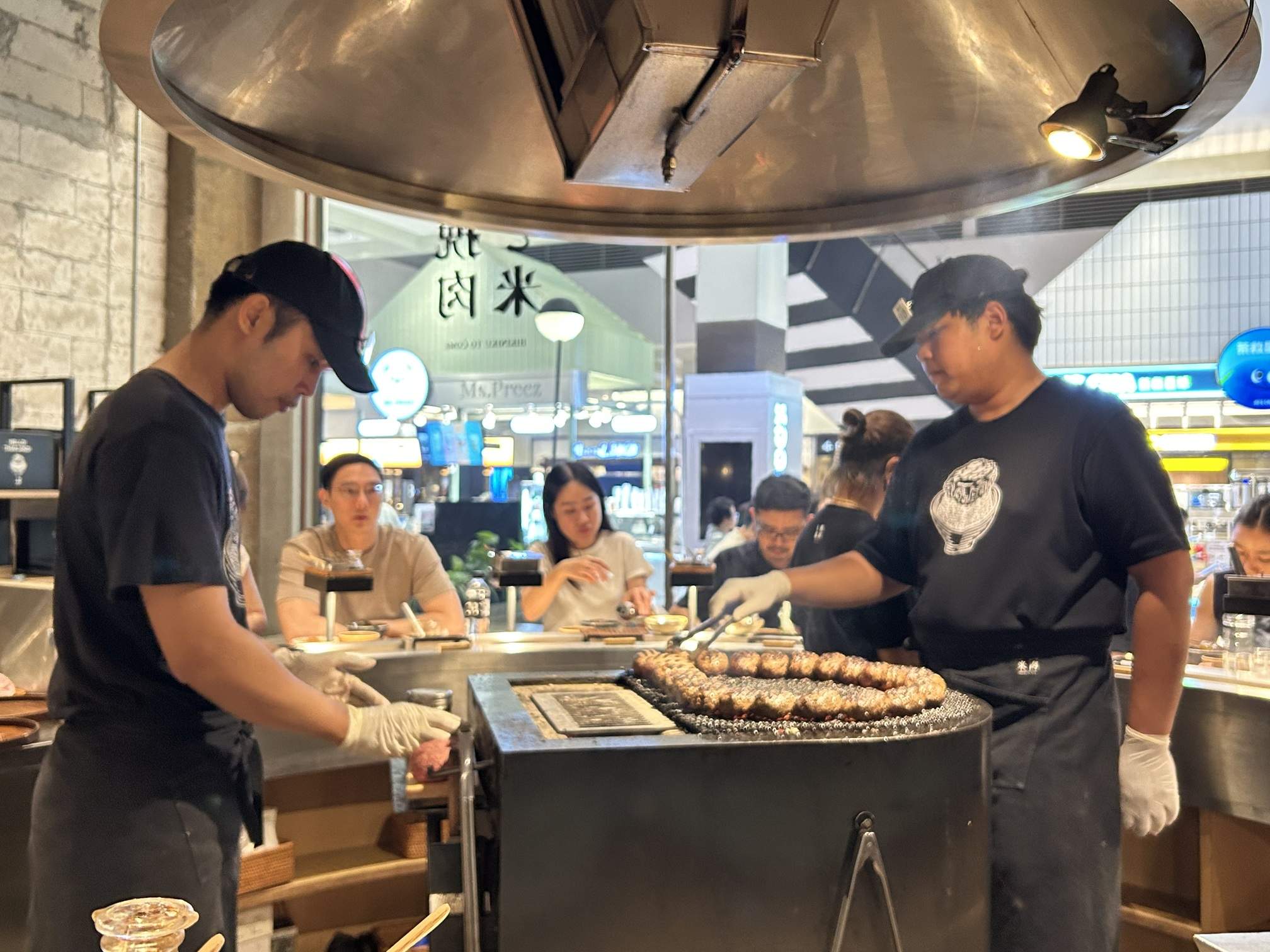
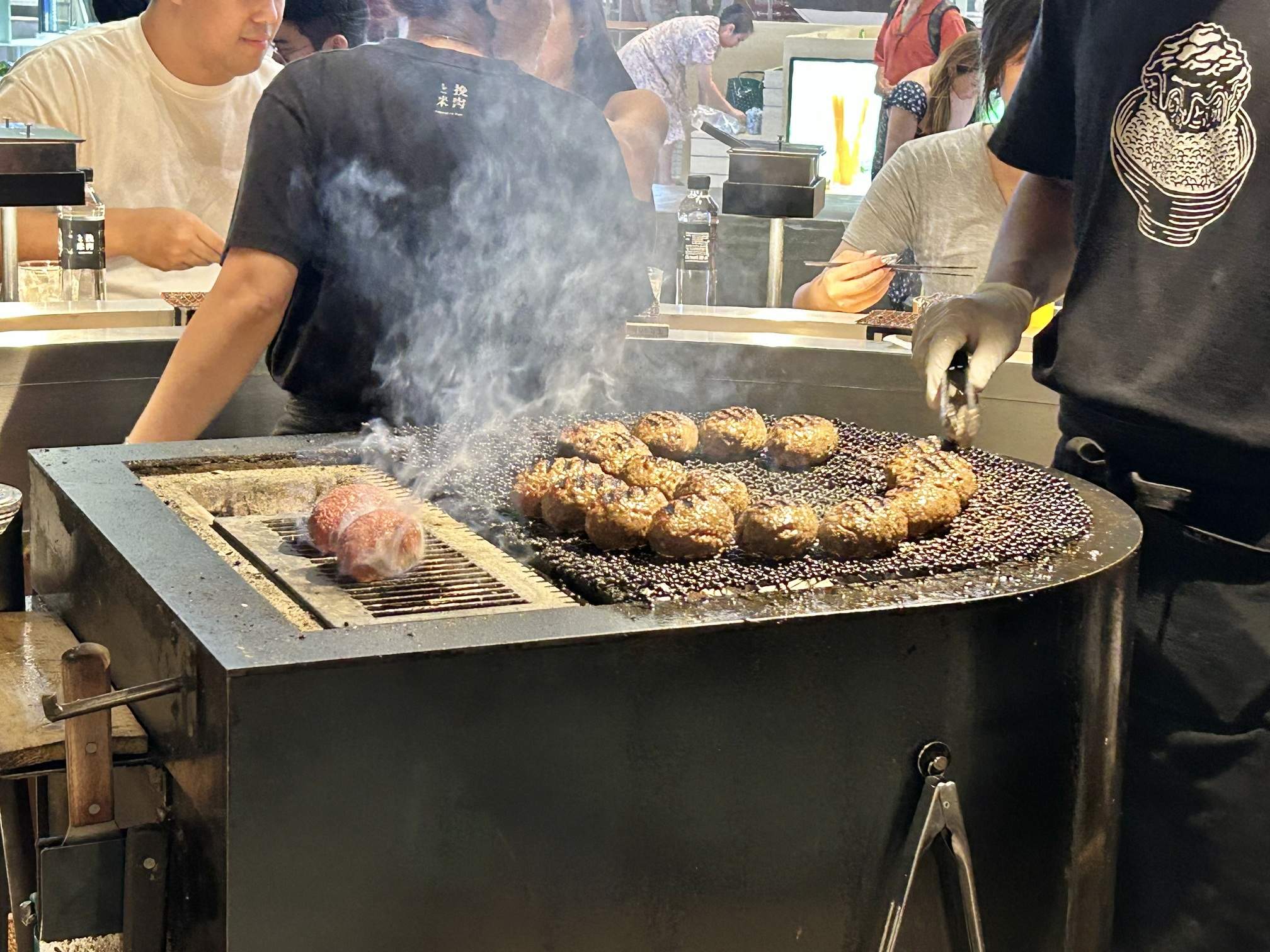
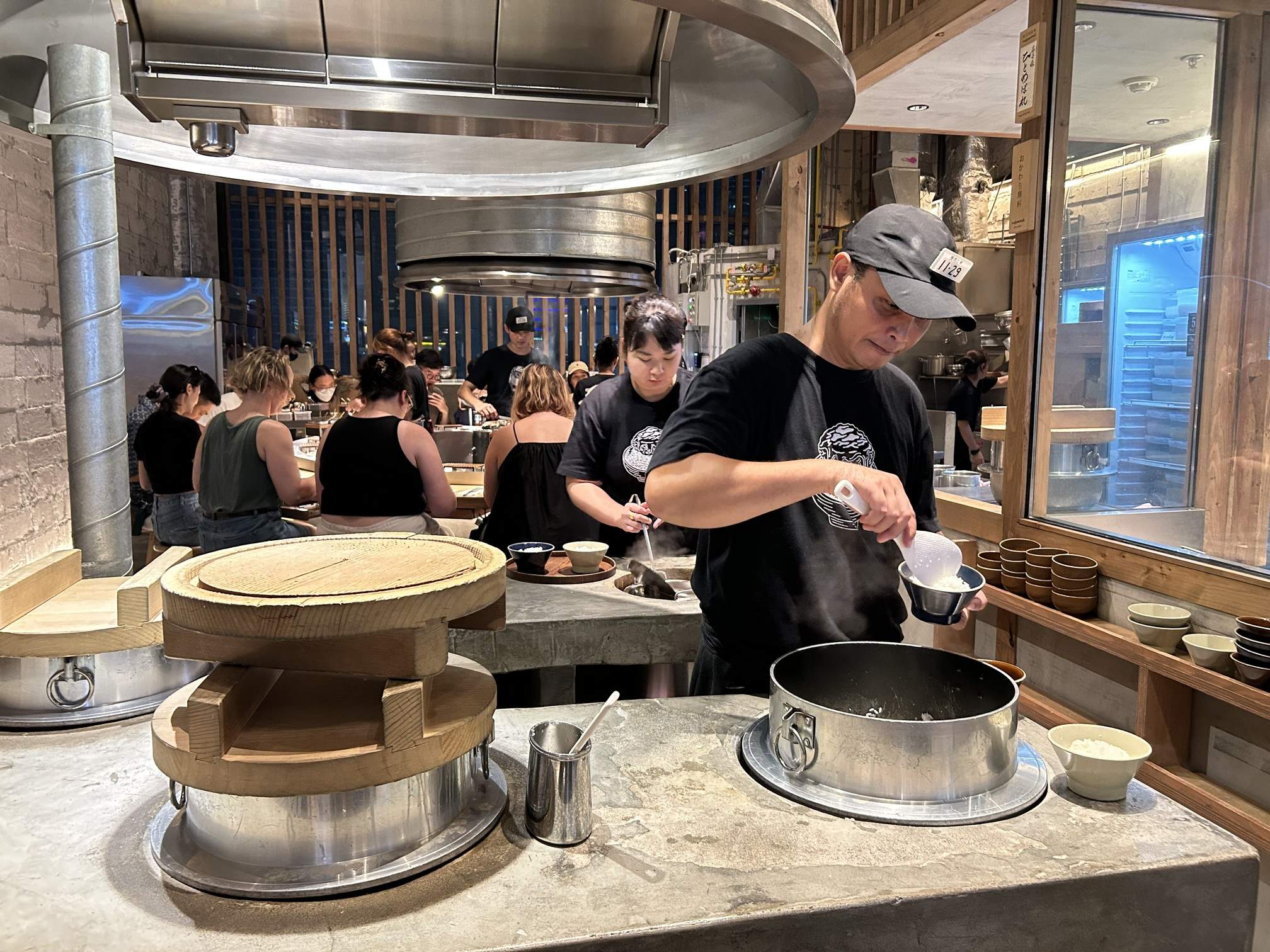
A little research reveals why this restaurant has such a cult following. Hikiniku to Come’s concept is built around the idea of delivering the freshest possible hamburg steak experience. The name itself, which translates to “Ground Beef and Rice,” speaks to their simple yet powerful philosophy.
The restaurant is committed to what it calls the “three Just” approach:
- Just Ground: The meat is 100% premium imported Japanese beef, ground in-house every morning to ensure peak flavor and freshness. The patties are meticulously shaped by hand using a quick and precise patting technique in a temperature-controlled room. This method prevents body heat from transferring to the meat and removes trapped air, resulting in firm, cohesive, and perfectly juicy patties.
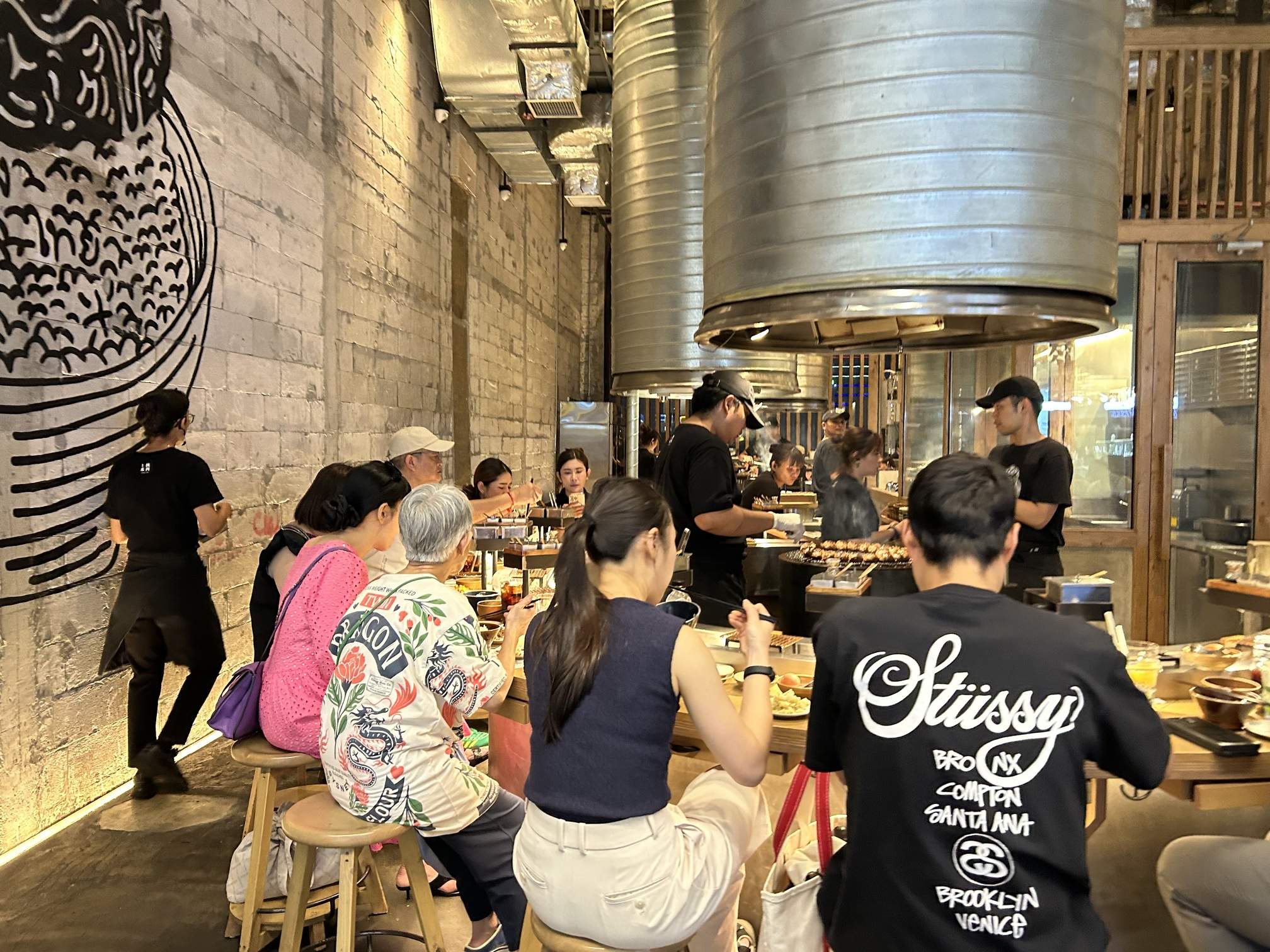
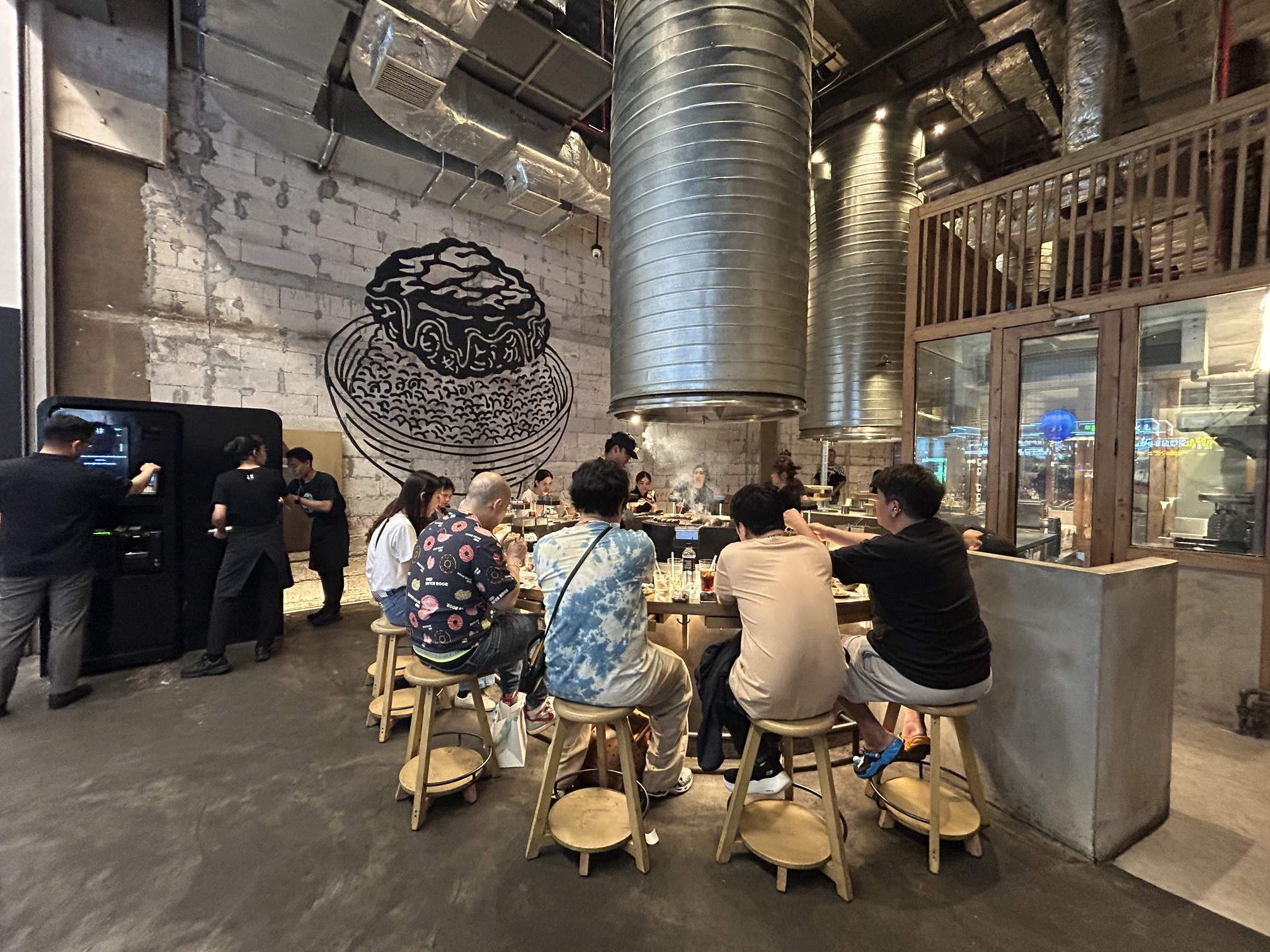
- Just Grilled: Every seat is a “Just grilled premium seat,” placed around an open charcoal counter. The hamburg steaks are grilled over charcoal and served right in front of you—in what feels like just one second! The unique aroma of the charcoal enhances the flavor of the grilled meat. Each piece of the three-piece set is 90 grams, and the chef monitors your eating rhythm to serve each piece individually, ensuring you experience the aroma and flavor of a freshly grilled patty every time.
- Just Cooked: Rice is cooked continuously in a traditional Hagama pot, which circulates heat evenly for a fluffy texture. According to the Hikiniku to Come Thailand Facebook page, they use the Japanese variety “Hitomebore” (ひとめぼれ) from Iwate Prefecture, known for its soft, chewy texture, sweet aroma, and rich umami flavor. They cook rice in batches throughout the day and never serve any that has been left out for more than 20 minutes!
The Queueing Challenge (A Personal Story)


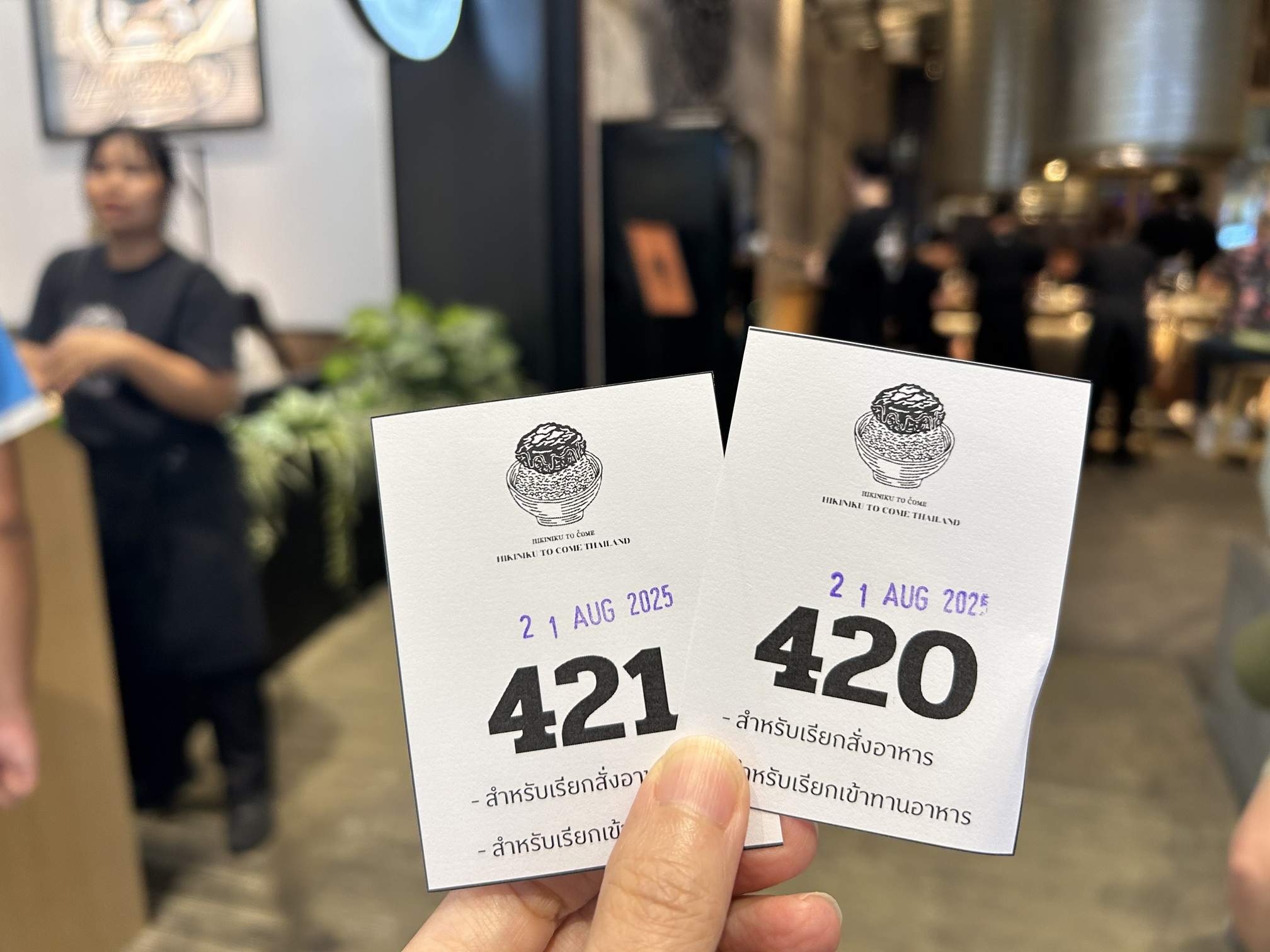

One day, on a spontaneous trip to CentralwOrld, I decided to try for a table at 5:10 PM. Having watched some Thai vlogs, I was surprised to find no tips on their reservation system. I walked to the restaurant and, without fully understanding the process, got a “queue number.” There were a few time slots to choose from, in a 29-minute block, with the prime 6:01–7:30 PM slot already unavailable. I chose the 7:31–8:00 PM time slot, thinking this was a safe bet for my husband to finish work and join me. I naively believed that “registration” meant we would be seated within that time frame.
When we arrived at 7:30 PM, we were given two queue numbers, 420 and 421, and were informed they were just serving number 401. Blimey! If I had known, I would have tried for an earlier, riskier slot! We decided to wait it out since my husband was perfectly fine with the delay. We were finally called at 8:18 PM. After ordering and paying at a self-service kiosk, we were shown to our table about 20 minutes later. The good news is that once you’re seated, your food arrives almost immediately. So, while the initial wait was long, the dining process itself was very efficient.
Understanding the Registration System

To ensure they always serve the freshest food, Hikiniku to Come operates on a registration system, not a reservation system. After our first visit, we finally understood the process and how to use it to your advantage.
What is Registration? It’s a system to secure your desired time slot for the day. You register for a block of time, and then you are given a queue number within that block. This does not guarantee your seating time but rather your place in line for a specific period.
How the Queue System Works: When you visit the store, you’ll encounter two types of queue cards.
- Numbered Queue Cards: Numbers 1-70 are distributed starting at 10:00 AM for immediate dining.
- Time Slot Cards: These cards are for scheduled slots starting from 11:31 AM onward, for those who want to return later.
How to Register (in Thailand):
- Come to the store in person on the day of your visit. Registration starts at 10:00 AM.
- One representative from your group can register for everyone.
- A staff member will show you a QR code to scan. Use it to select your desired time slot and indicate the number of people in your party.
- Take a screenshot of the confirmation on your phone.
- Return to the store at your designated time, show your screenshot, and you will be given your official queue numbers.
- Staff will call you to order and pay at a self-service kiosk. Once a table is available, you’ll be seated in the order of your queue numbers.
A final tip: We found that coming late in the evening sometimes allowed for easy walk-in access.
The Meal & The Verdict
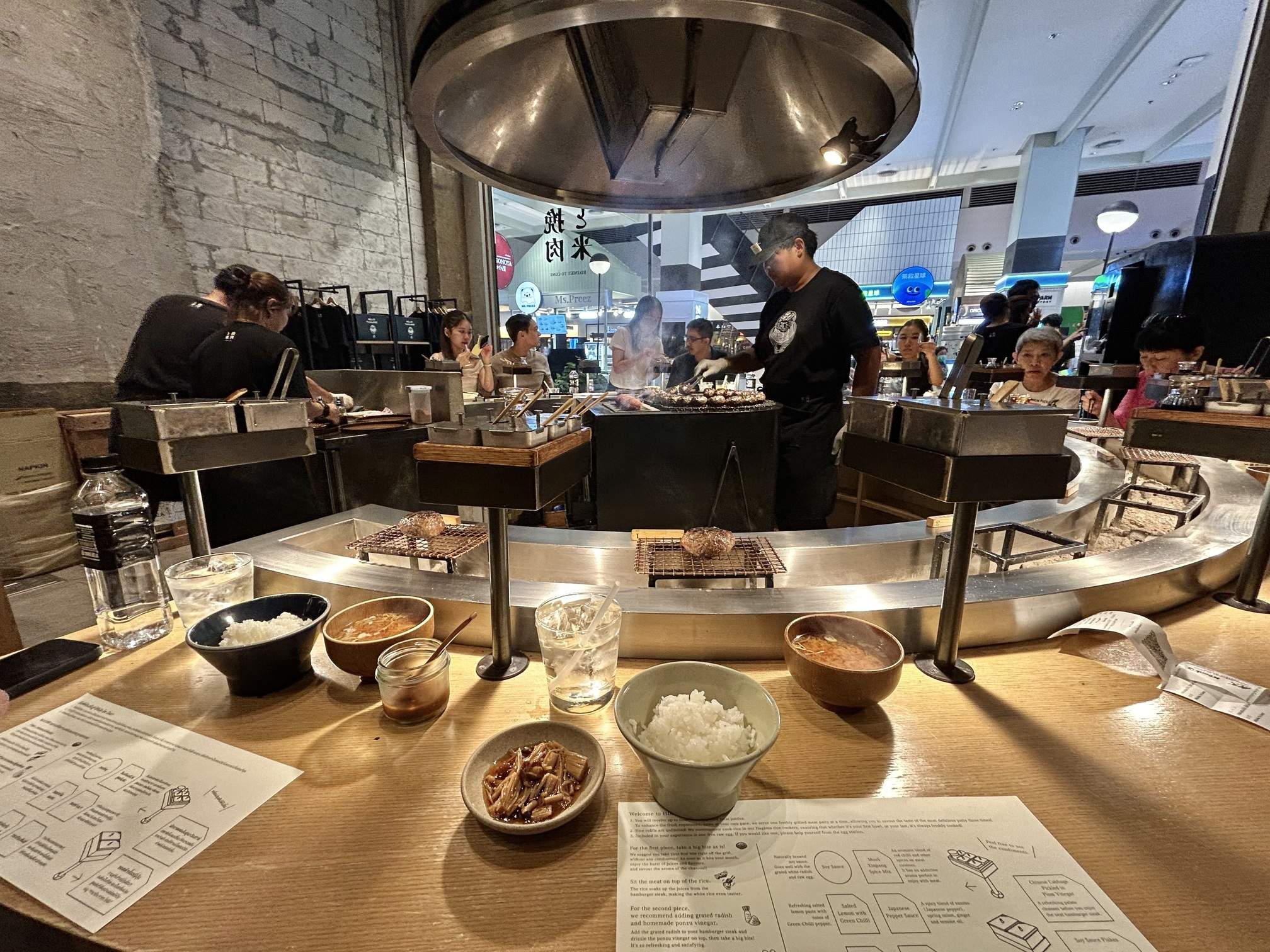

Hikiniku to Come offers a single, basic set menu for 590 baht to ensure the highest quality. The set includes three 90g hamburg steaks, unlimited refills of rice, soup, and one raw egg per person. We also ordered two of their sauces at 30 baht each—the signature sauce and their limited-time “Nameko Nametake” mushroom sauce. Our total bill for two people came to 1,402 baht.
Watching online vlogs, many seemed overly dramatic about the food, especially regarding the signature sauce. Taking my first bite, I thought the hamburg was under-seasoned, but I followed the advice to eat the first piece plain. My husband, however, on his first piece immediately said, “I can understand why people queue for it.” We later realized that the patty is likely not salted to retain moisture, so adding a little salt and pepper (provided on the table) is a good idea. There’s no reason not to season the first piece to your liking!
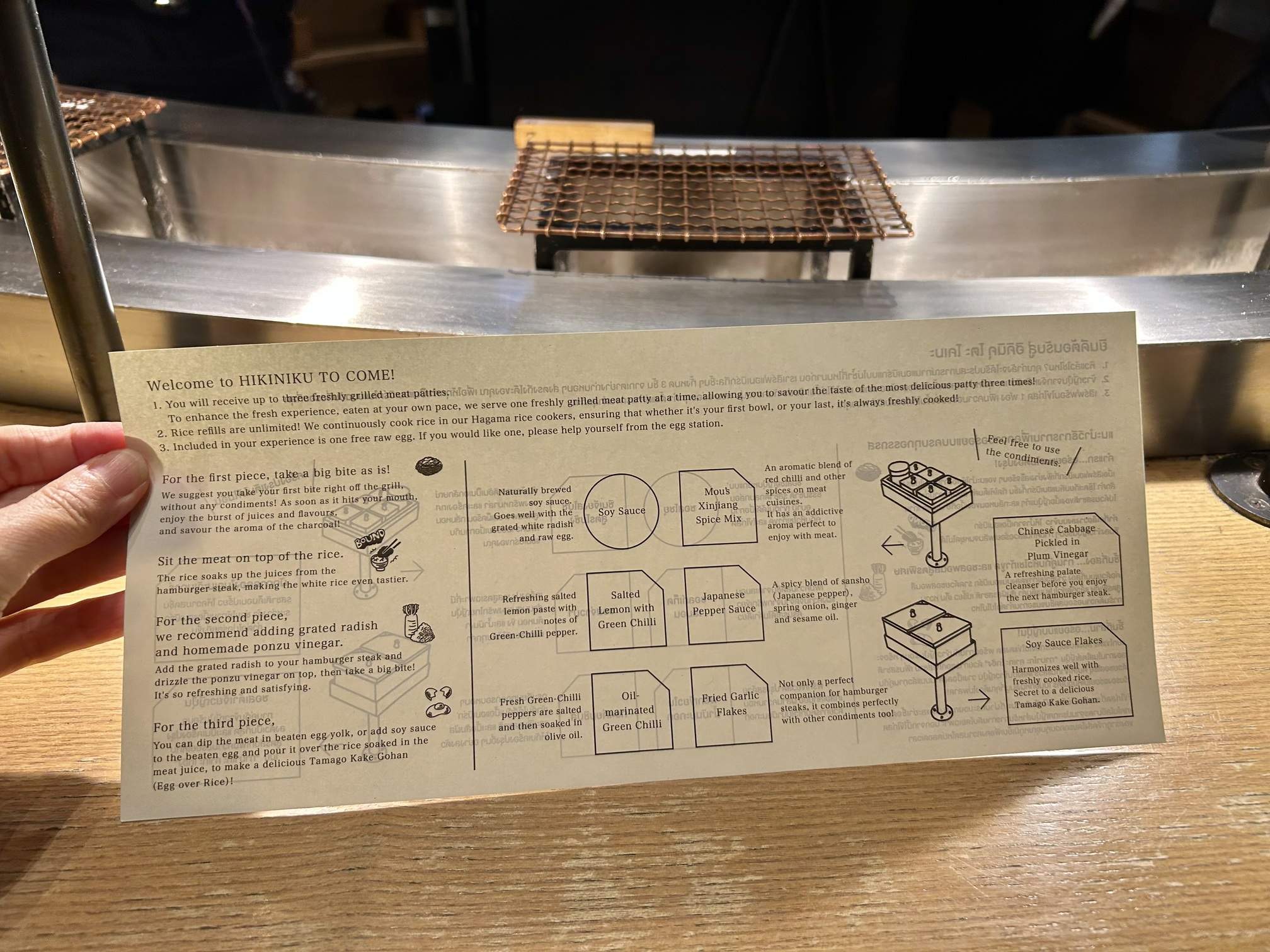


The restaurant even provides recommendations from the chef on how to enjoy the meal. Staff also wait until you finish one piece before serving the next, a testament to their commitment to serving the freshest food.
- For the First Piece: The recommendation is to take a big bite as is, to savor the burst of juices and the aroma of the charcoal.
- For the Second Piece: They recommend adding the grated radish to the hamburg patty and drizzling the ponzu vinegar on top, which creates a refreshing and moreish combination. My husband opted for just the grated radish with very little ponzu sauce, while I enjoyed the radish with sauce.
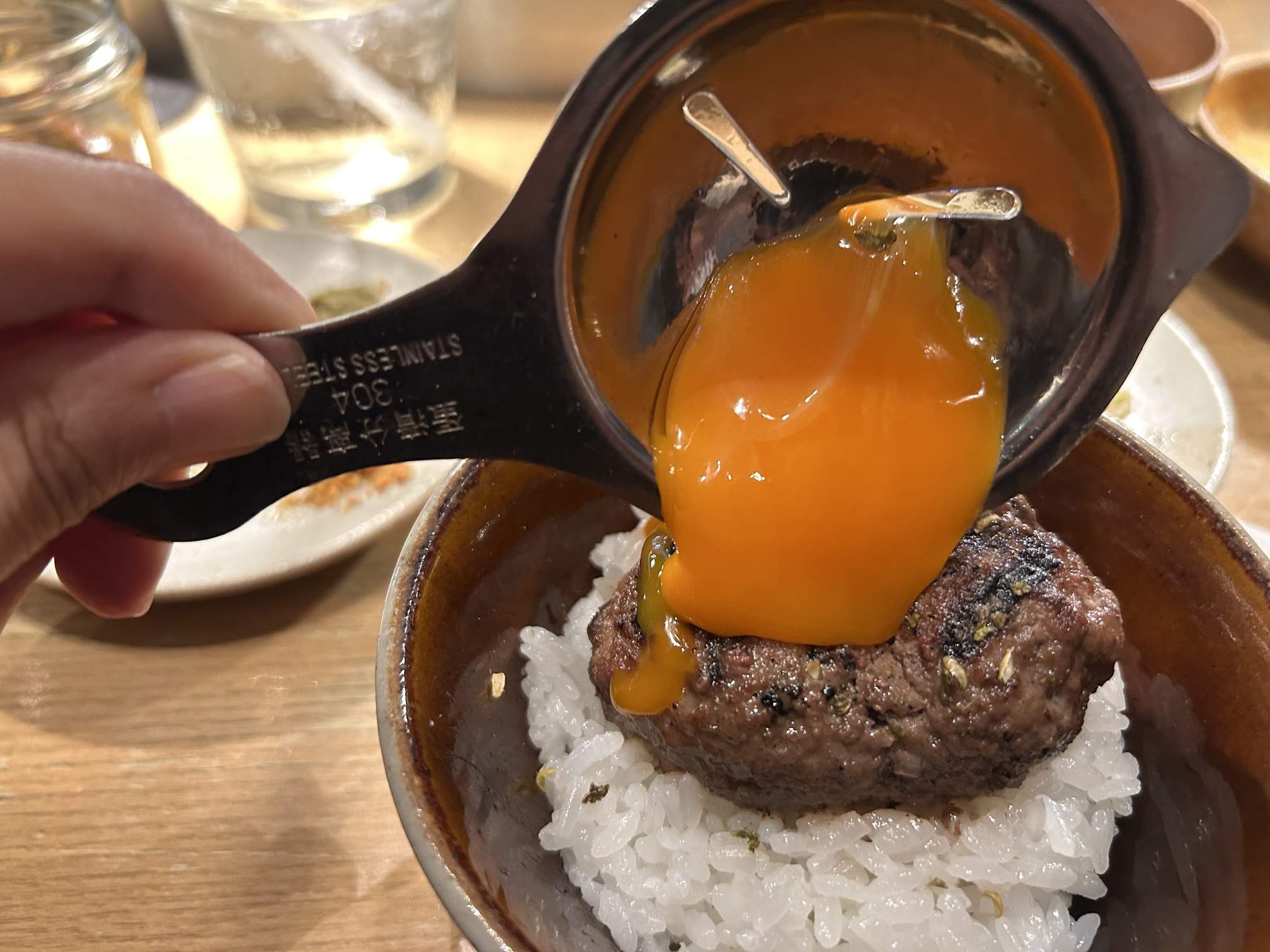
- For the Third Piece: This piece is meant to be eaten with a raw egg yolk. The restaurant gives you a whole egg, and you separate the yolk from the white yourself using a small ladle—a fun and unique touch! I found the whole yolk to be a bit overwhelming and sticky for me, so I’ll probably just dip the hamburg in the yolk next time. The instructions also suggest dipping the meat in beaten egg yolk, or adding soy sauce to the beaten egg and pouring it over the rice to make a delicious Tamago Kake Gohan.
The restaurant offers a wide selection of condiments to customize your meal. The top three favorites among customers are olive-oil marinated green chili, salted lemon with green chili, and fried garlic flakes. Other options include Chinese cabbage pickled in plum vinegar, soy sauce, soy sauce flakes, Mou’s Xinjiang Spice mix, Zhaoma sauce, and a Japanese pepper sauce. My husband particularly liked the green chili, while I preferred the salted lemon, and we both enjoyed plenty of the Chinese cabbage.
While we didn’t care much for the additional sauces, we agreed that the experience and quality of the core meal itself were excellent. Personally, I found the rice to have a slightly moister texture than what I typically expect from high-quality Japanese rice, but my husband liked it. It’s possible the texture is intentionally designed to soak up the hamburg juices.
Ultimately, our experience at Hikiniku to Come made it clear why the restaurant has such a strong following. It’s a place where the dining experience is about more than just the food; it’s about the precision, the fresh ingredients, and the dedication of the staff. My husband says he loved the experience and would definitely be back, and as for me, I picked up a new culinary secret: the patty-shaping technique of lightly bouncing the patty to maintain its texture. Perhaps hamburg will be on my home menu very soon!
Insider Tips & Fun Facts
Facebook: Find them for the latest updates: https://www.facebook.com/p/Hikiniku-To-Come-Thailand-61564606754861/
Not that foreigner-friendly: The queue number announcements and staff’s dining instructions are mainly in Thai. After you get your numbered queue card, it’s a good idea to get a staff member’s attention and ask them to look out for you when your number is called.
New Branch: Hikiniku to Come just opened a new branch at Central Park Bangkok on September 4th, which will hopefully make it easier to get a table.
First Southeast Asia branch: Thailand is their first Southeast Asia opening, with other locations outside Japan in Taiwan, Hong Kong, Korea, and China.
Solo Diners, You’re in Luck! The staff will often call solo diners to fill an empty seat, so if you’re alone with a queue card, hanging around the restaurant might get you in faster.
Lucky Last-Minute Spot: The restaurant will accept walk-in queues as a replacement if a customer with a time slot card doesn’t show up. It’s worth trying if you’re in the area.
The 1129 Pin: If you see staff wearing a pin with the number “1129,” it’s a nod to a Japanese pun. November 29th (11/29) is recognized as Iiniku no Hi (いい肉の日), or “Good Meat Day,” in Japan, because the numbers can be read as “ii niku,” which sounds like “good meat.”
Part of a Famous Family: Hikiniku to Come is operated by the MK Group, the same company behind the popular MK Hotpot chain.