Adventure of a Lifetime: Exploring Iceland’s Ring Road by Campervan

Planning a campervan trip along Iceland’s Ring Road can feel daunting, especially during the shoulder seasons. We’re still buzzing from our unforgettable 11-day journey from October 11-22, 2024, and wanted to share our experience to help fellow adventurers navigate their own dream Icelandic adventure.
Choosing Your Icelandic Home on Wheels
2WD vs. 4WD: Making the Right Choice for October
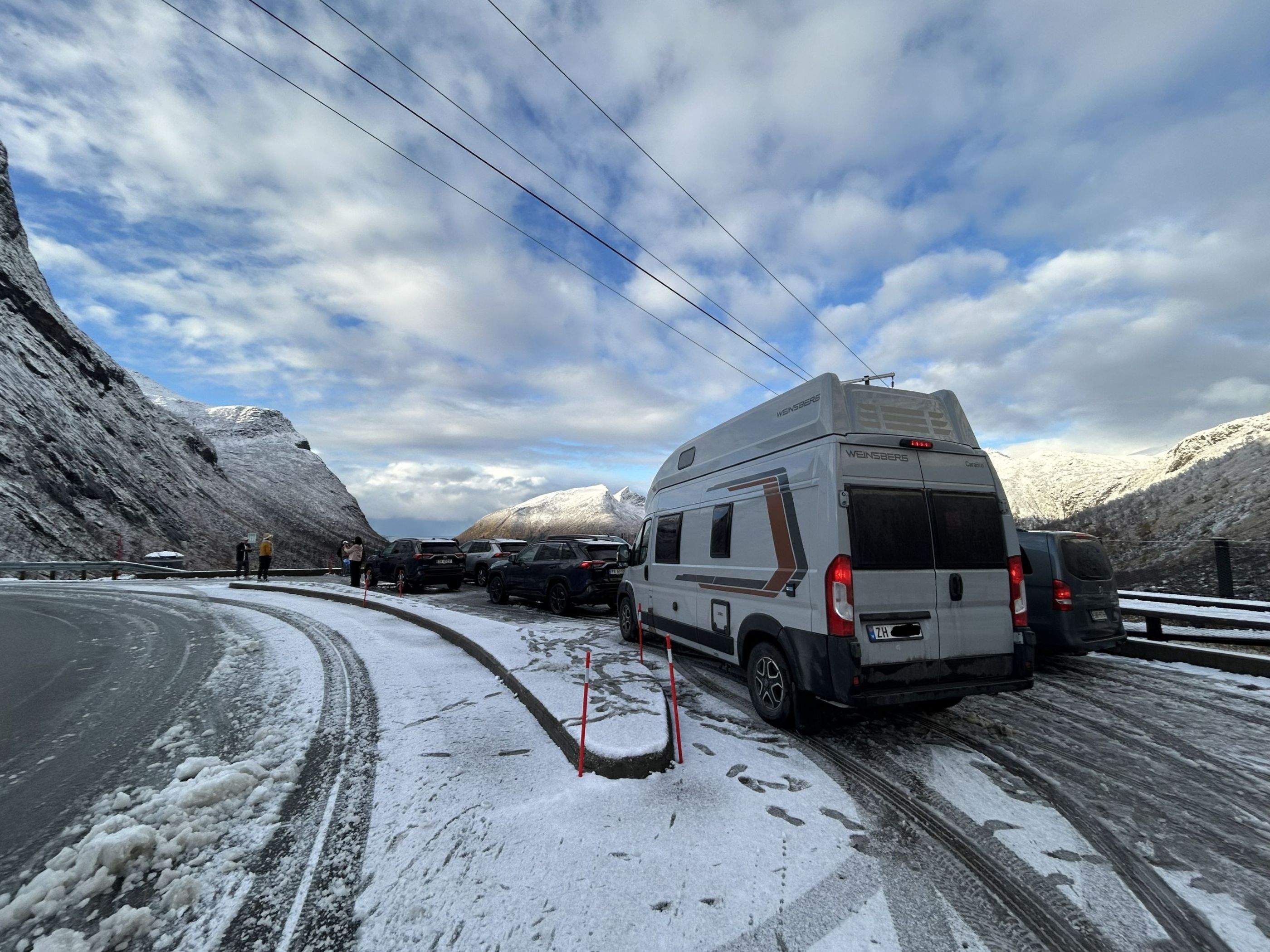
The first major decision we faced was choosing between a 2-wheel drive (2WD) and a 4-wheel drive (4WD) campervan for late autumn. We quickly realized that a 4WD isn’t a magical solution for difficult road conditions. Unless you have extensive experience driving on ice, the key is to be cautious and flexible. We opted for a more budget-friendly 2WD with winter-studded tires, which are an absolute must. While our van handled most of the Ring Road, we had to turn back on the route to Dettifoss due to treacherous ice and decided to skip the Westfjords entirely because of the uncertain road conditions.
Our Campervan: The Cozy Campers Experience


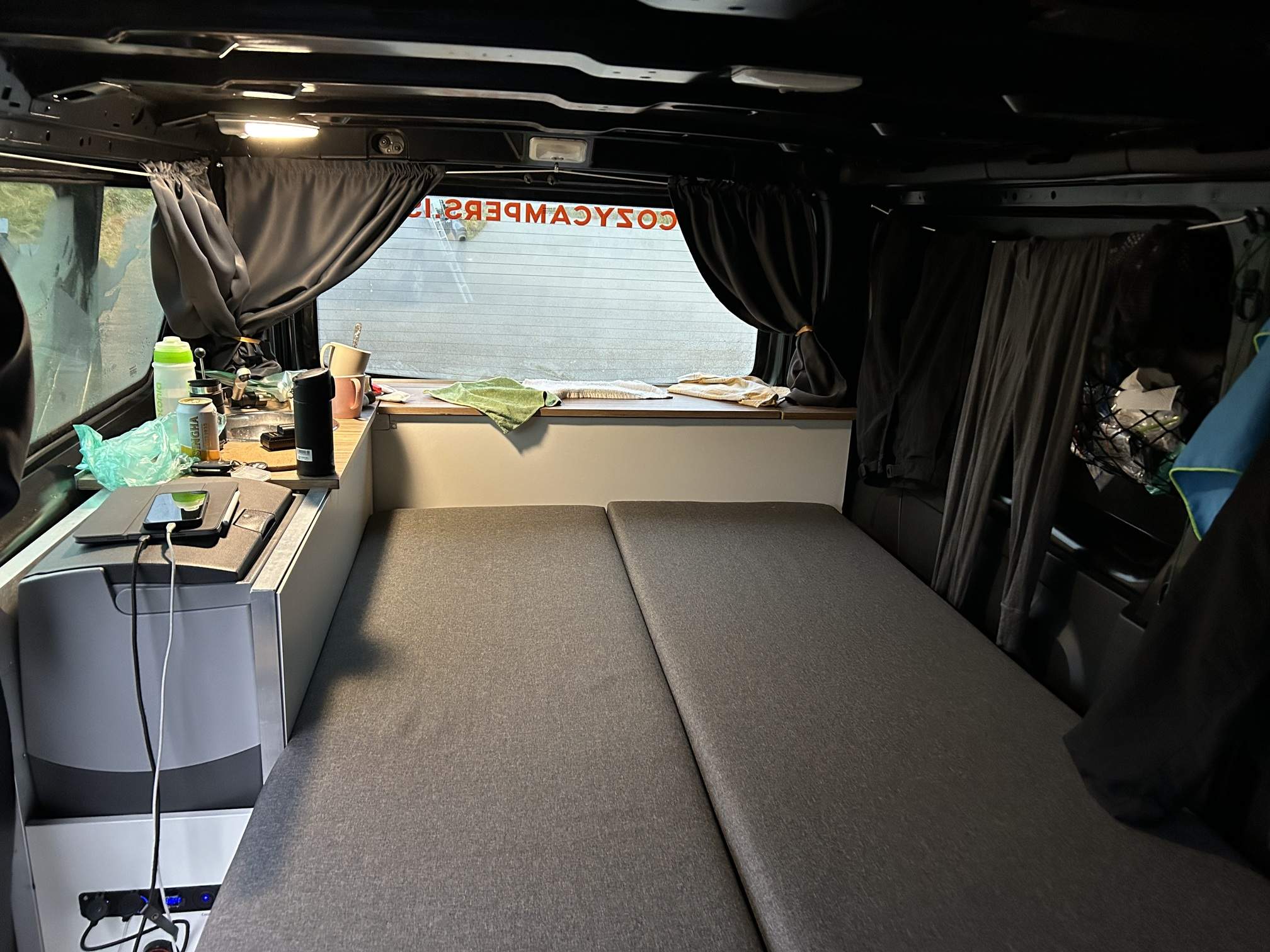

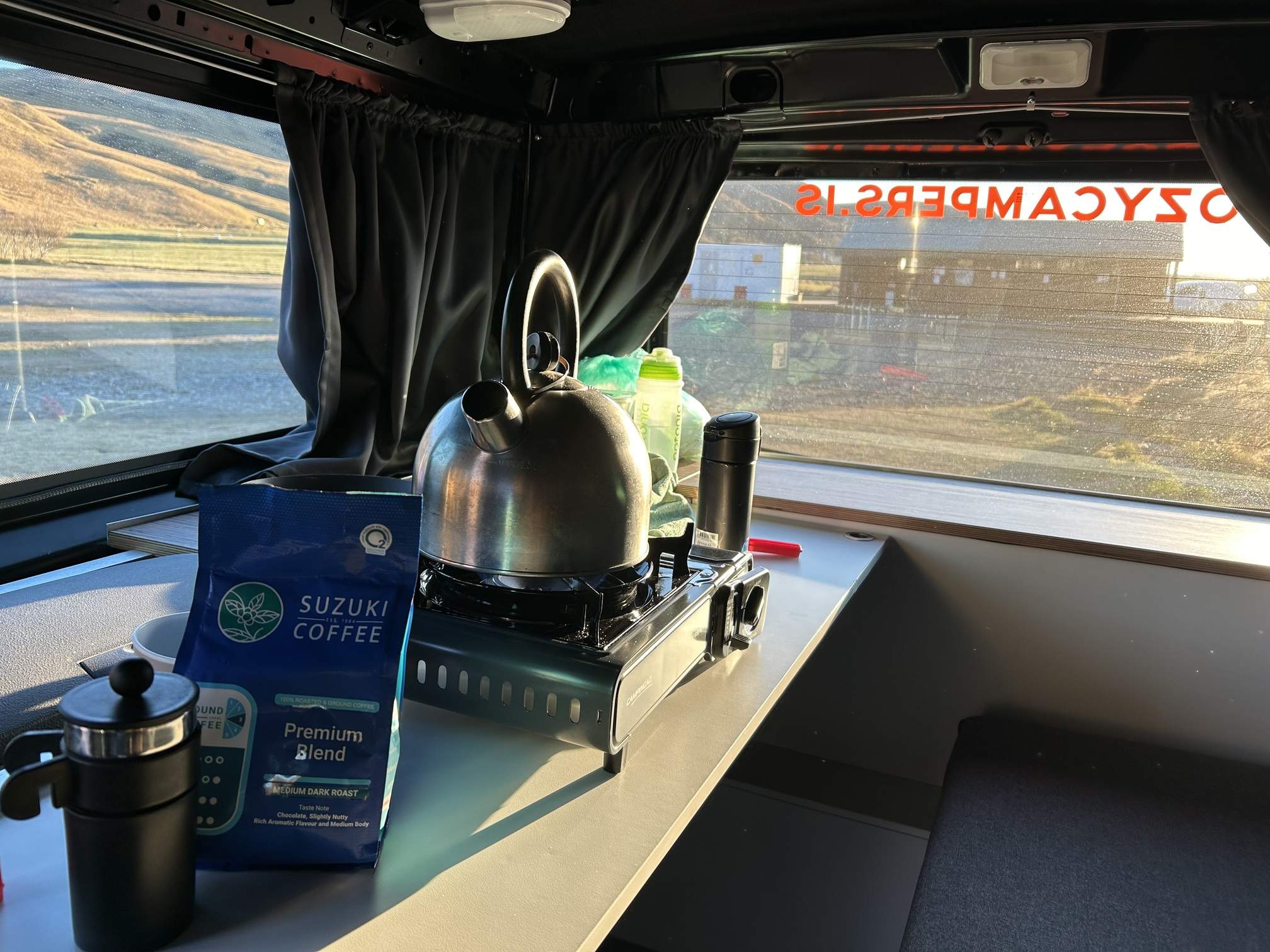
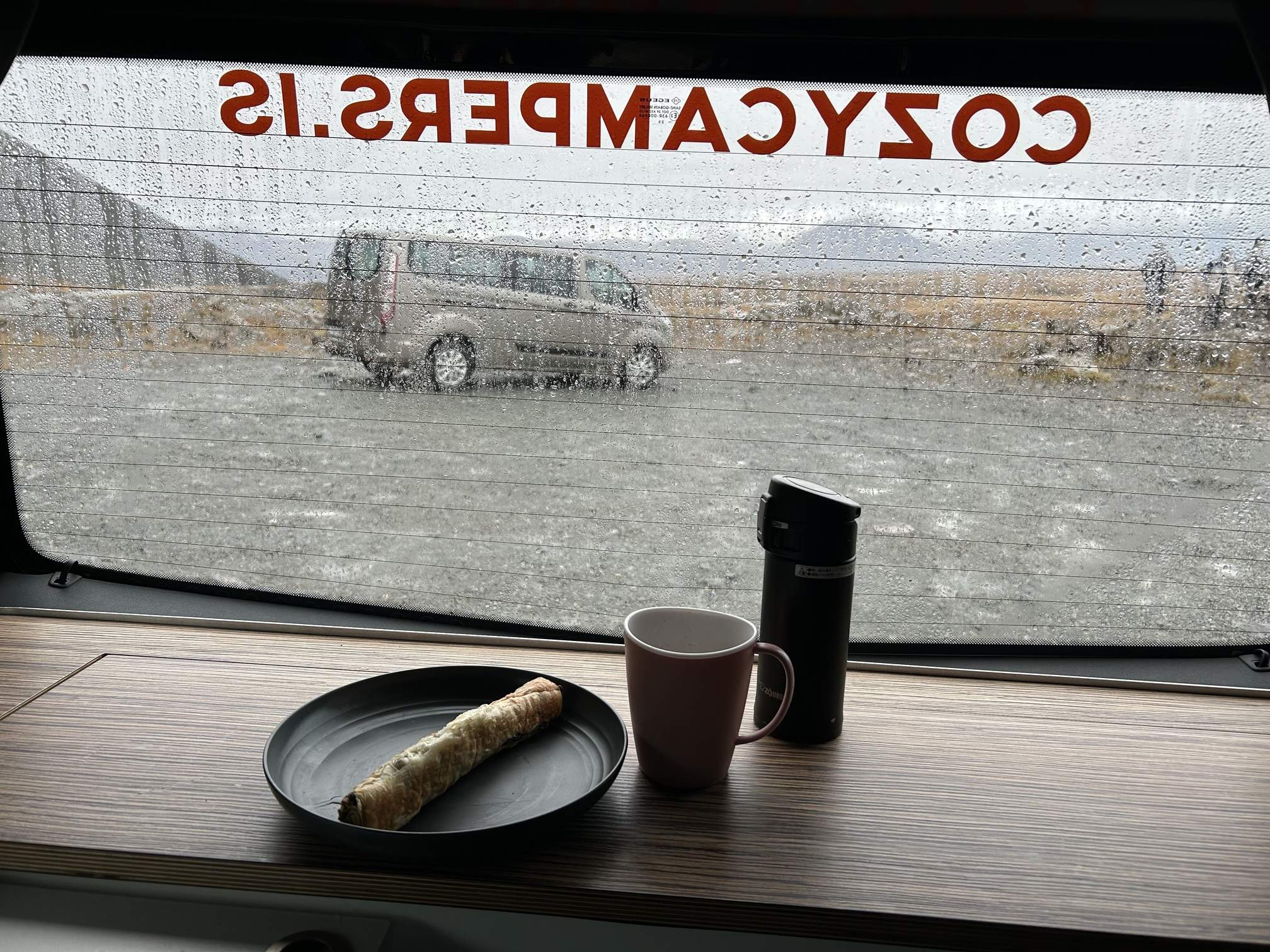
After researching several rental companies, we chose a “Cozy 2” from Cozy Campers. We loved the simple pull-and-flip bed, which transformed a comfortable couch into a sleeping space. All bedding was neatly tucked underneath, leaving extra storage space. The long table next to the panoramic window was perfect for cooking and meals. A tip for future travelers: confirm your van’s features before booking. We initially thought our van had a moonroof but learned it was a premium feature. This turned out to be a blessing, as we heard from another couple that their moonroofs had a leaking issue.
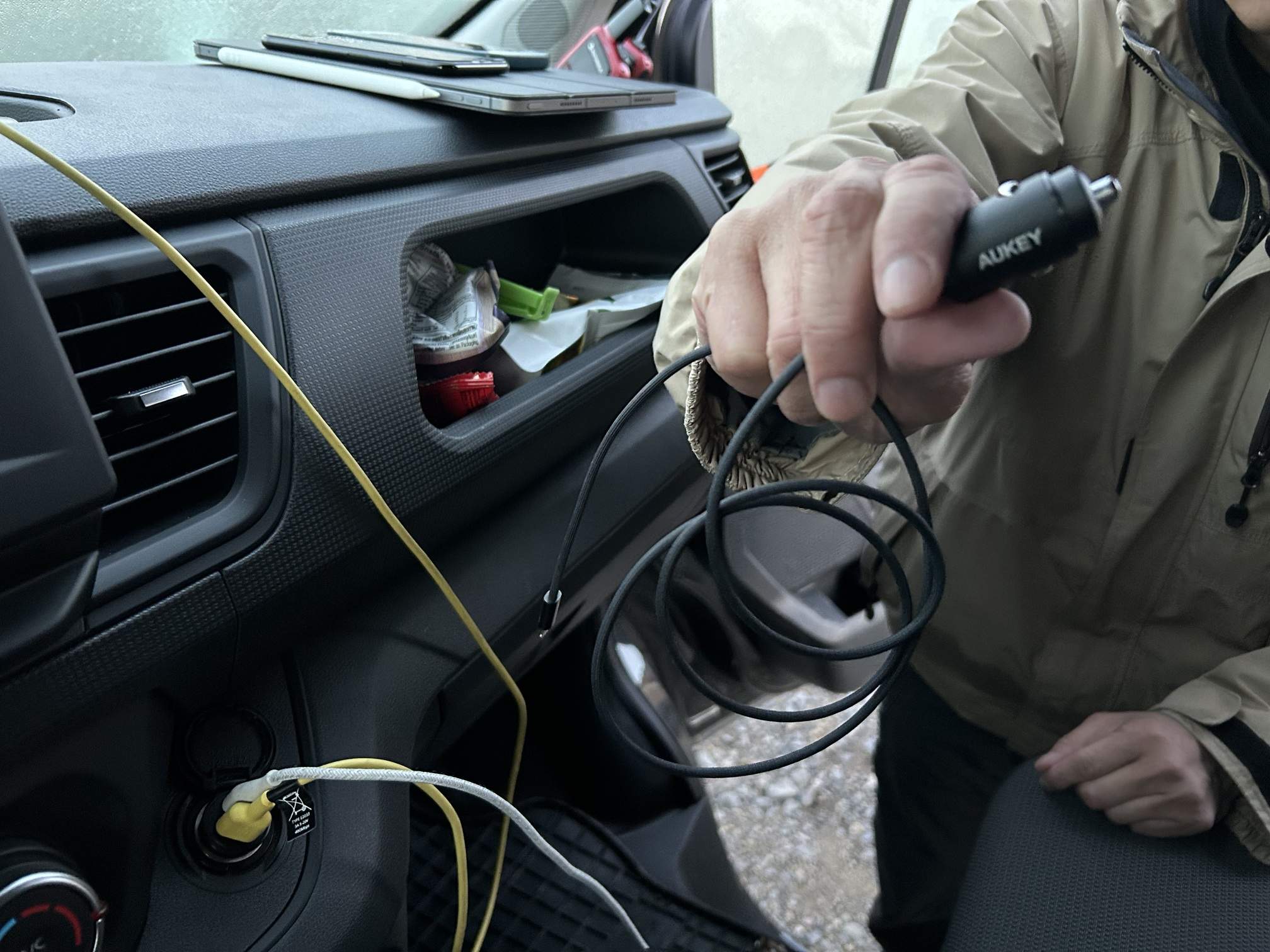

Overall, we were very happy with our van. A minor hiccup was the non-functioning power inverter, for which the company promptly gave us a refund. Luckily, we had a car cigarette lighter adapter and plenty of USB charging points that handled all of our charging needs. We also struggled with a persistent beeping alarm, which we later discovered was caused by our heavy camera bag on the middle seat’s sensitive sensor—a funny and memorable start to our trip!
Life on the Road: Practicalities and Tips
Staying Warm and Clean

The heater was a lifesaver, providing continuous airflow that kept our bed and living area warm. We even used the vents to quickly dry wet shoes! We were never plugged into a power outlet at campsites, so we occasionally had to turn on the engine in the middle of the night to ensure we didn’t drain the battery. The provided duvet was so warm that I didn’t even need the sleeping bag I brought—a true testament to the heater’s power. It also helped dry our laundry at night.
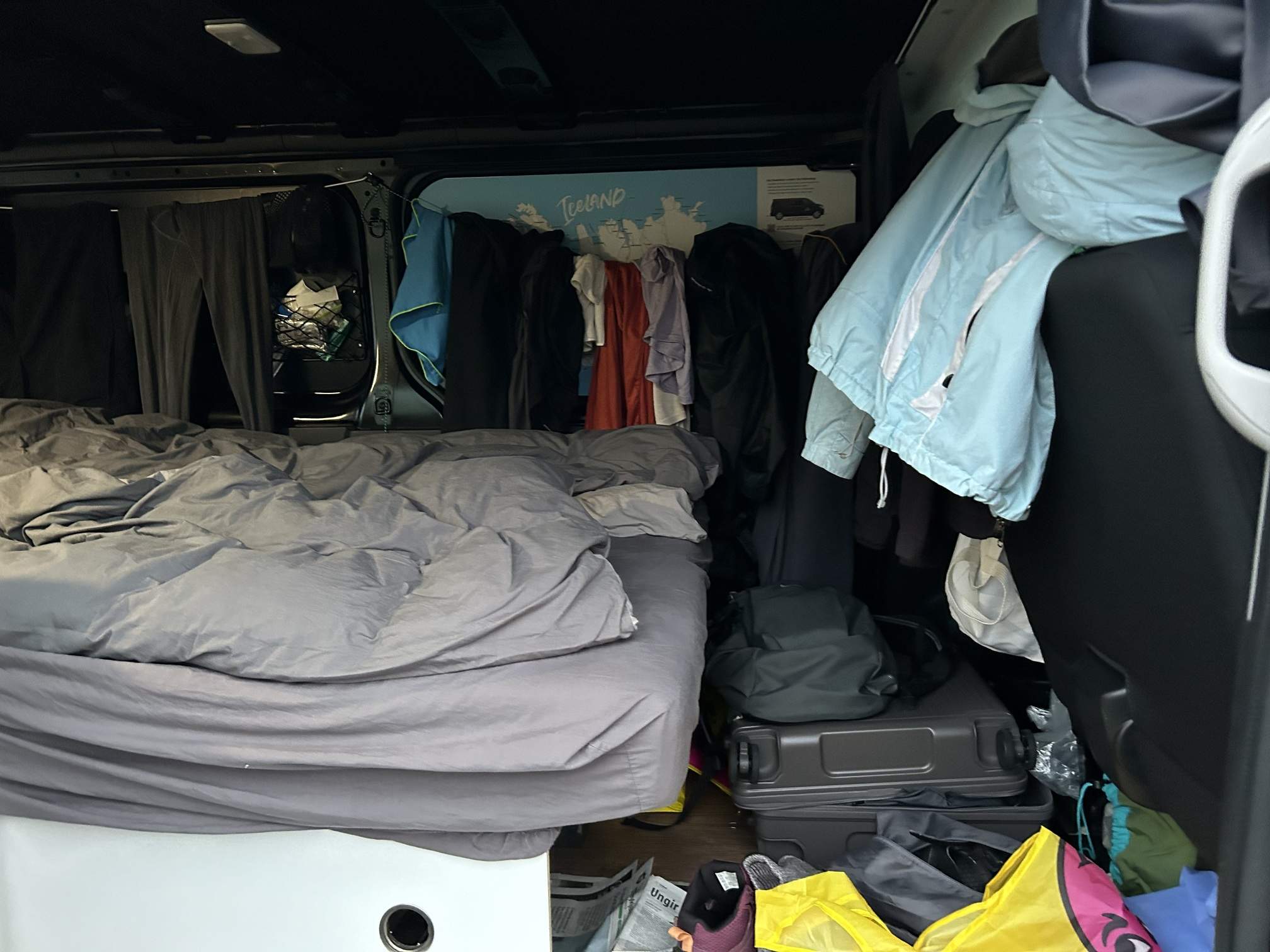

Keeping the van clean was a constant effort. While many travelers recommend a “no shoes inside” rule, we found it incredibly difficult to follow. Instead, we made it a point to sweep out dust and pebbles daily to keep the interior tidy. My biggest challenge was keeping the space organized, especially with jackets and gear always hanging around.
Food and Cooking


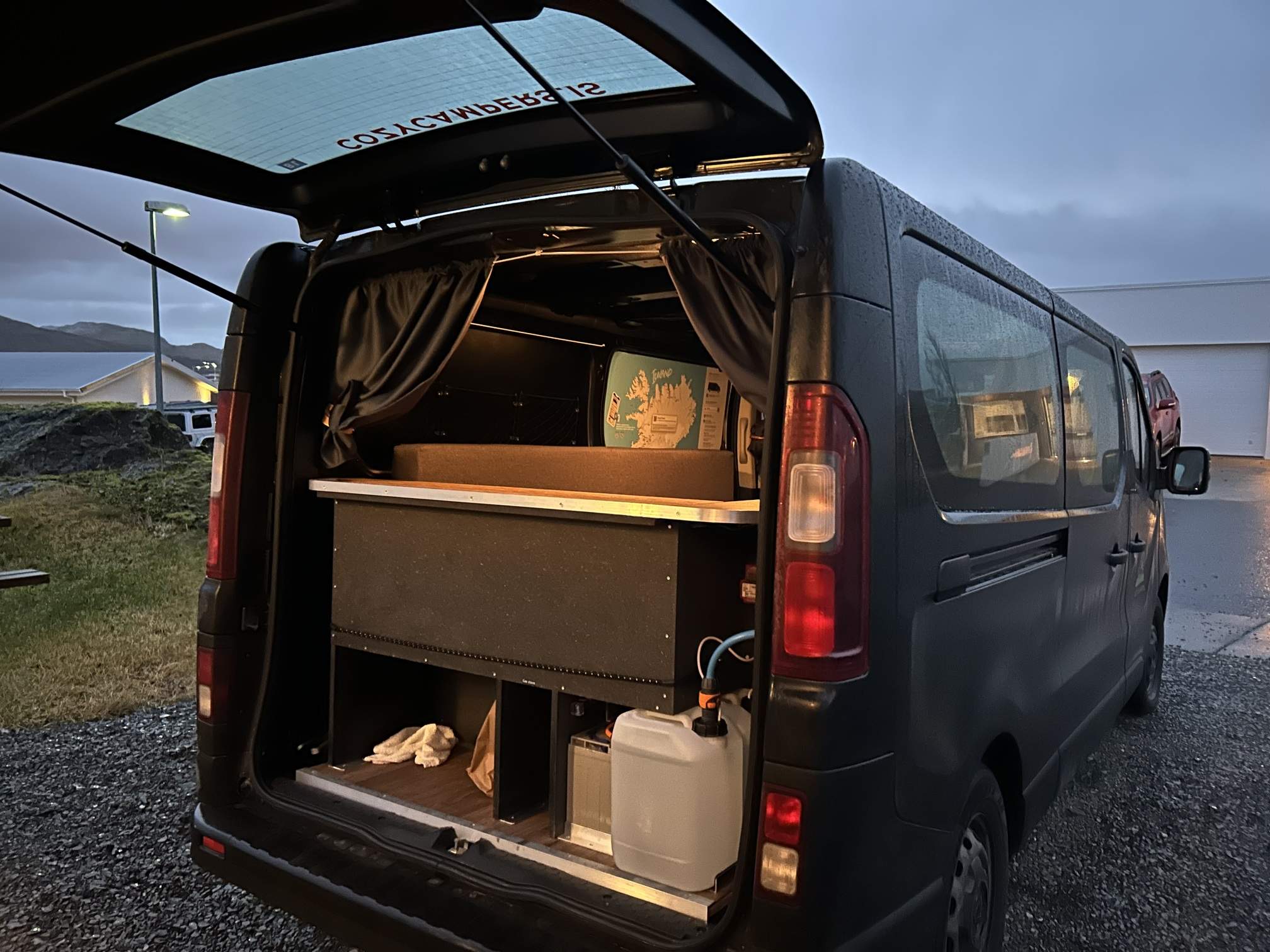
We quickly learned there was no need to over-stock groceries in Reykjavik. Supermarkets like Bónus (with over 30 branches!) are readily available along the Ring Road. We also loved the “free food” shelves at Cozy Campers and many campsites—a fantastic way to reduce waste and find new ingredients. We contributed to these shelves by leaving our own leftover items. While the cooler space was small, we quickly adopted a “less is more” approach. The ample storage on the other side of the van was perfect for our dry ingredients.
Fueling Up: Tips for Payment
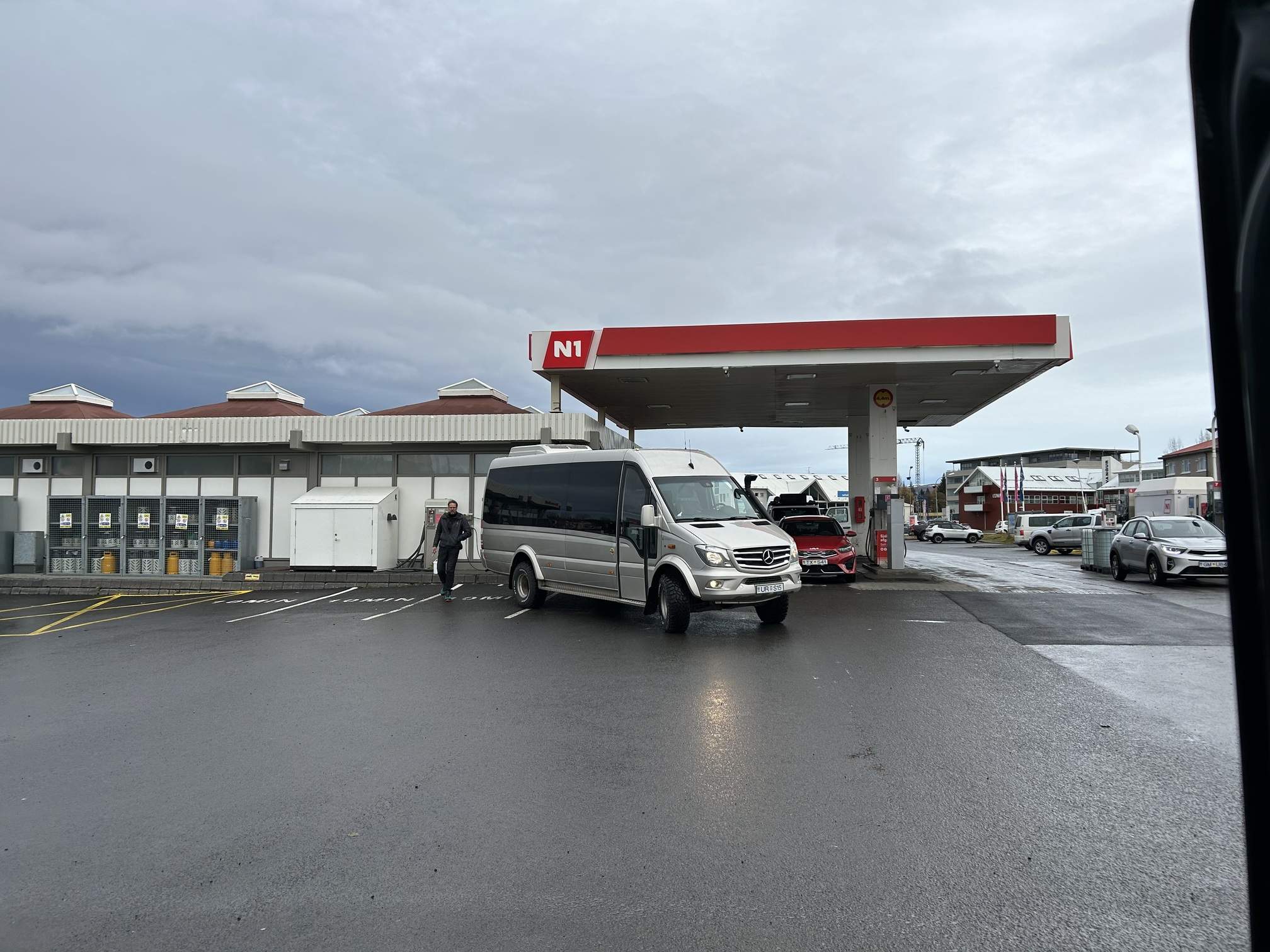

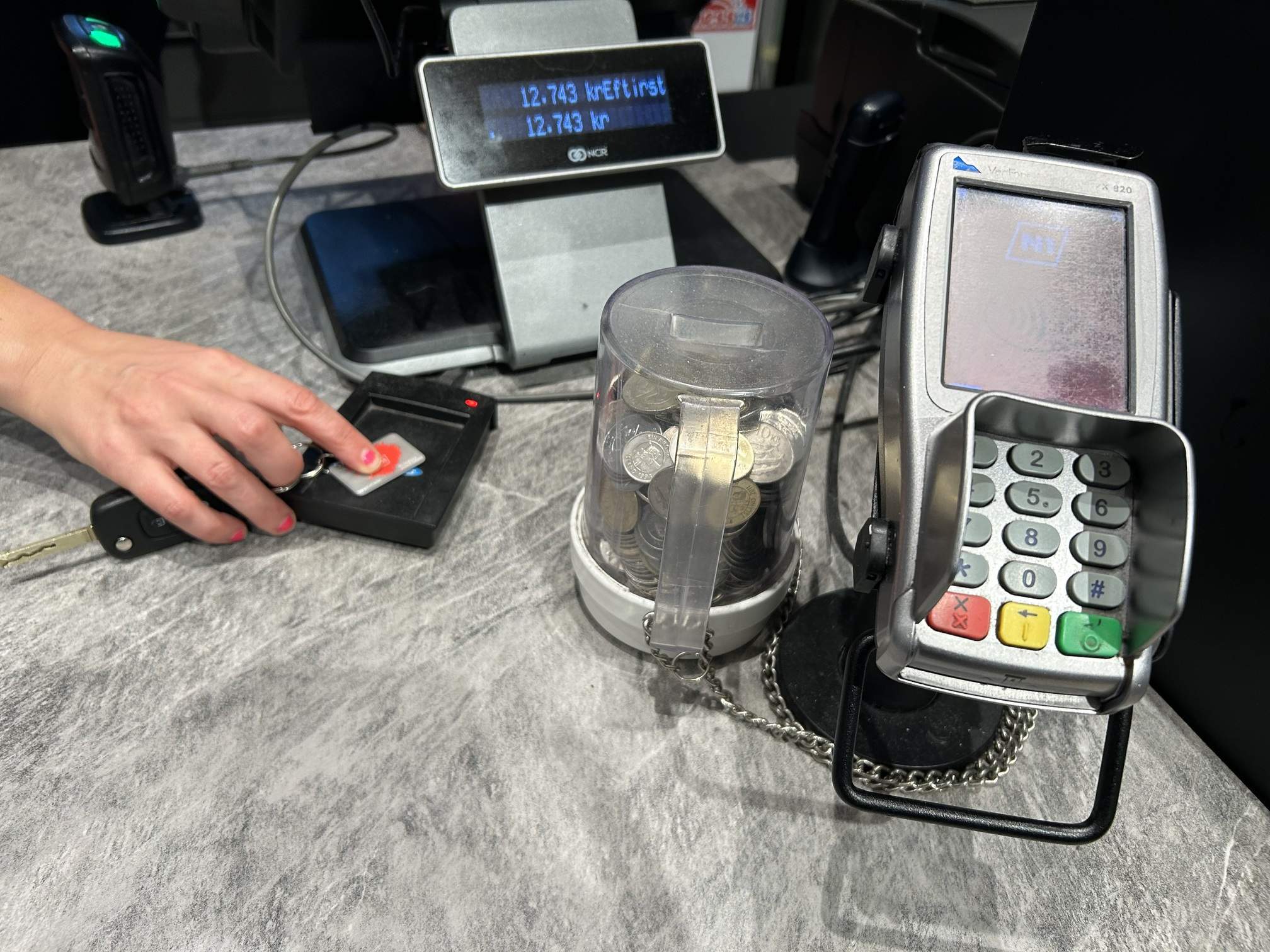
Fueling up was an interesting lesson. Cozy Campers gave us a discount card/chip (Olis and N1), but we quickly discovered it was a bit of a hassle. We had to go inside the station to leave our keys as a tag, go back outside to refuel, and then return inside to pay. This was a lot more work than using the prepaid fuel cards we had bought. Our key tip for a smoother experience: get a prepaid fuel card beforehand. This is crucial if your credit card has a 6-digit PIN, as most pumps in Iceland use a 4-digit system. We found that buying N1 prepaid cards in a mix of 5,000 ISK and 10,000 ISK denominations was a smart move, as a full tank costs just under 10,000 ISK.
Navigating Driving & Ergonomics
Driving a campervan meant a bit of bending, as the interior was only 1.4m high, but we were aware of this. We did bump our heads a few times, but it wasn’t a major issue. For more headroom, Happy Campers has a ‘Happy 3’ model that might be an option. My husband and I took turns driving; I did most of the driving while he handled the navigation. Getting the “additional driver” option is a must—I can’t imagine driving alone! Though we sometimes reverted to driving on the left side of the road out of habit, we had no serious incidents.
Budgeting and Logistics
Cost Breakdown
Booking during the low season was a huge win, as we received a massive 40% discount. Our final cost for the 11-day rental was 1,442 Euro, which included:
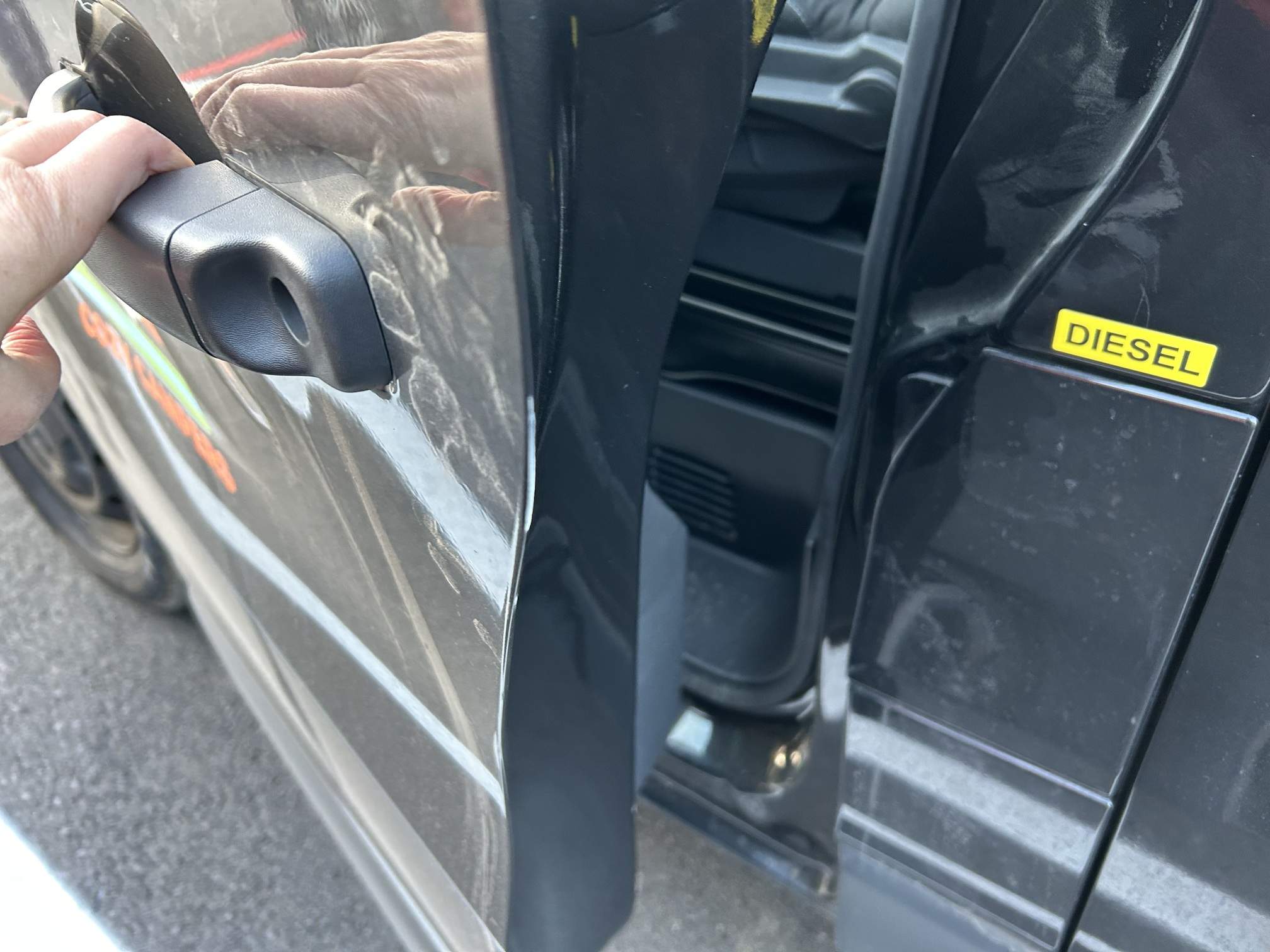
- Premium insurance (468 Euro): This was a lifesaver. We didn’t have to worry about minor scratches or dents, like the one we got when the wind caught our car door and slammed it into a neighboring vehicle.
- Additional driver (60 Euro)
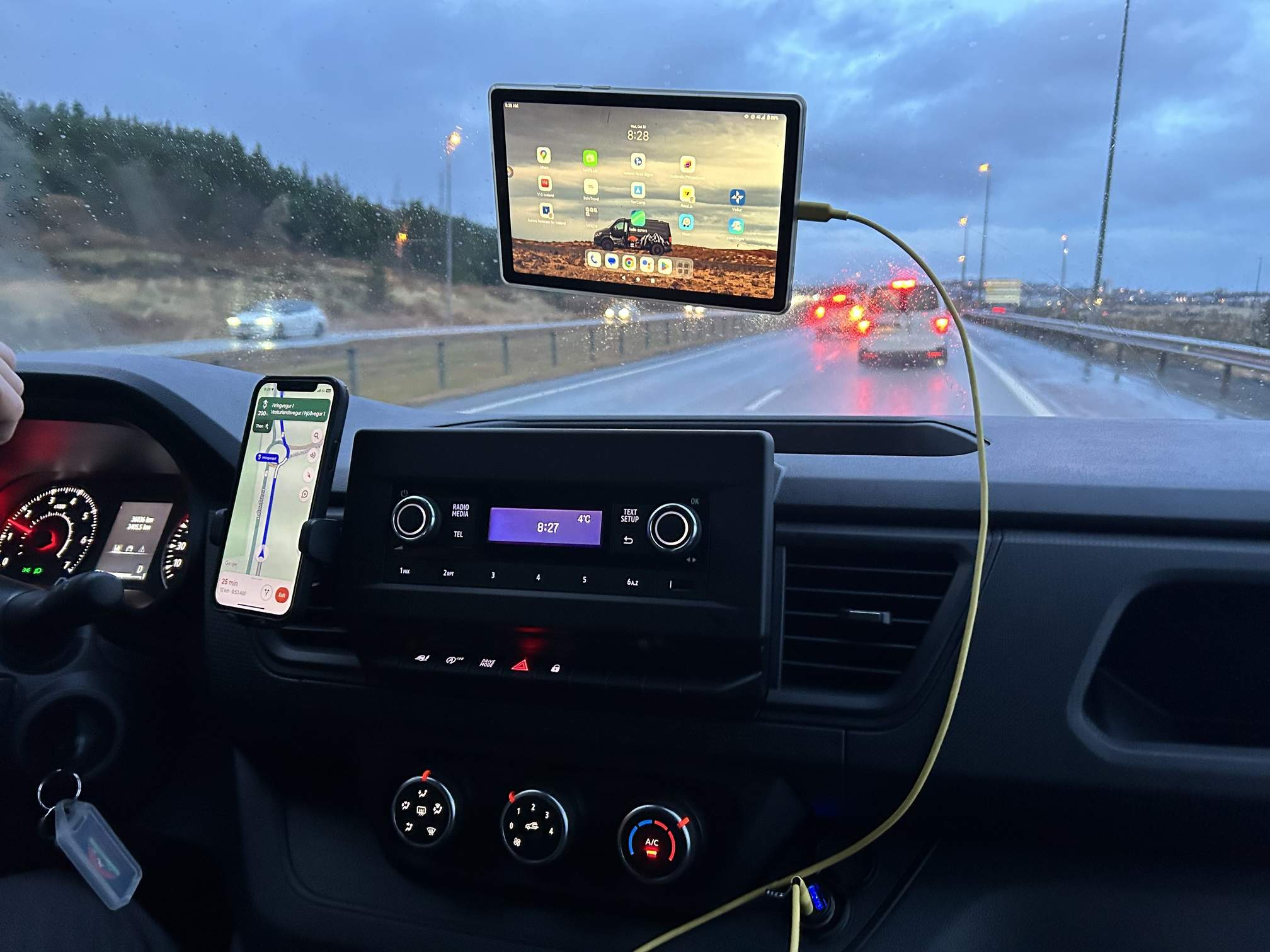
- Tablet with 4G Wi-Fi (96 Euro): The Wi-Fi was reliable, though we mostly used our own phones for GPS and maps.
- Extra 2 gas canisters (16 Euro): We only ended up using two, partly because we utilized the kitchen facilities at campsites, and even got a refund for the two we returned!
Tunnel Pass & Roadside Assistance
We didn’t take the tunnel pass, as the Vaðlaheiðargöng in North Iceland is the only tunnel that charges a toll. We simply paid online within the 24-hour grace period. We also opted out of roadside assistance and were fortunate enough not to need it.
Pick-up and Drop-off Process
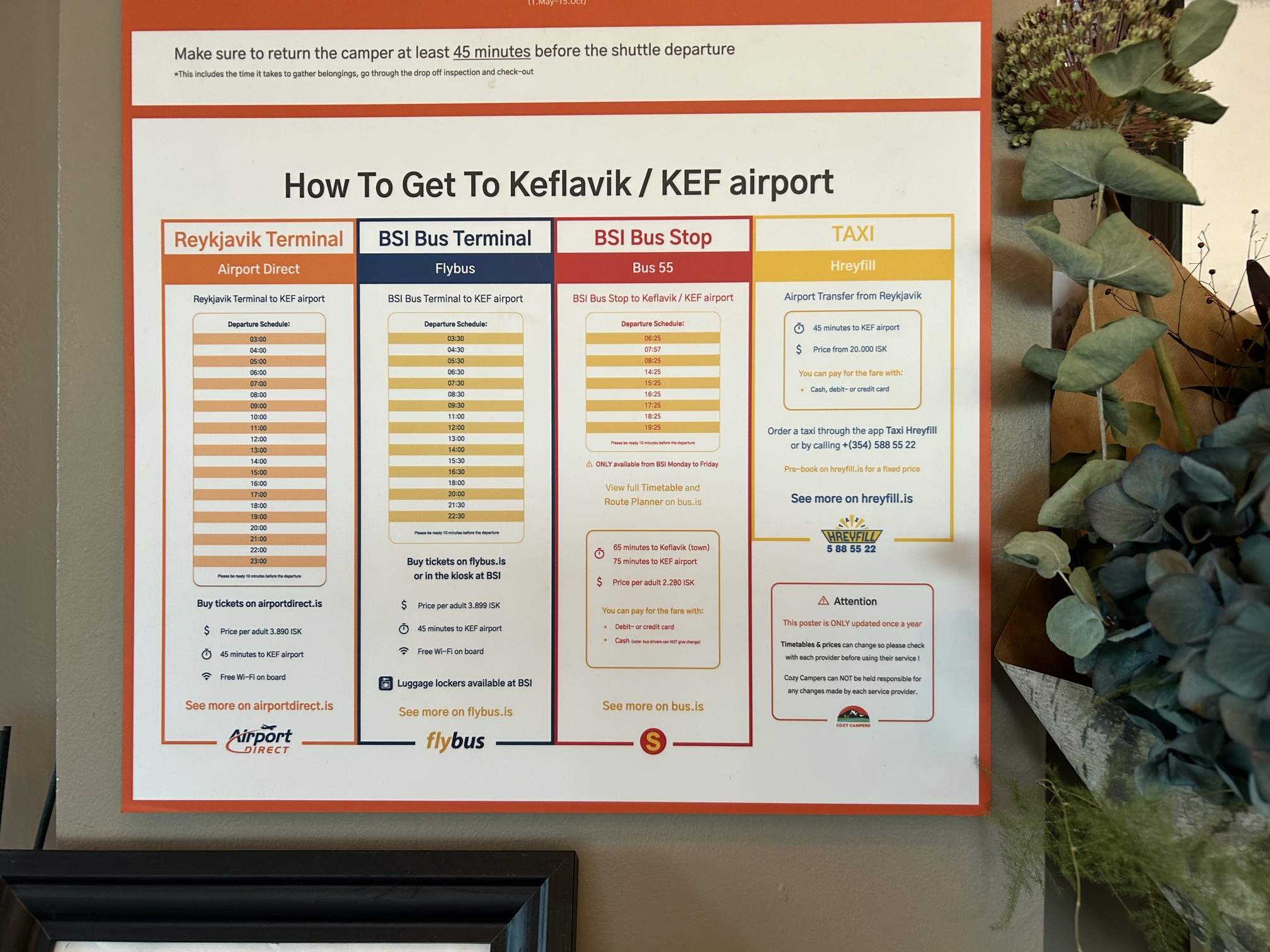
For pick-up, we were collected by a free Hreyfill taxi shuttle arranged by Cozy Campers from our guesthouse. The shuttle arrived promptly, and we were at the rental office in 15 minutes. For our return, we used their free shuttle service, which dropped us off at Perlan. We refueled at a nearby N1 station, and while we had a receipt as proof, we were not asked for it during the quick check-out process.
Our Camping Journey
Finding open campsites in October can be tricky, but we found a great selection. Here’s a look at some of our stops (all prices are per person, per night, unless otherwise noted, plus a standard lodging tax of 300-333 ISK):
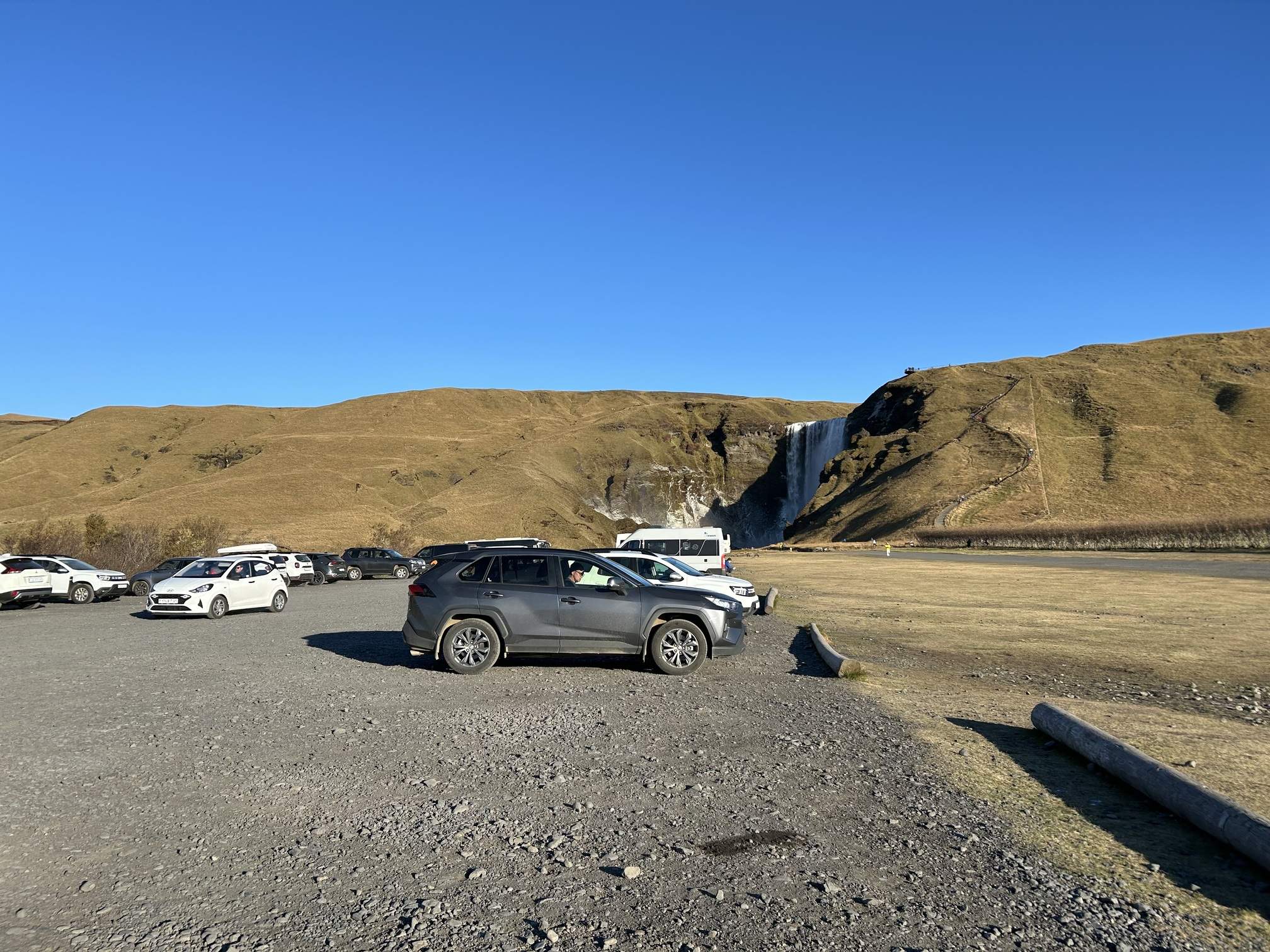
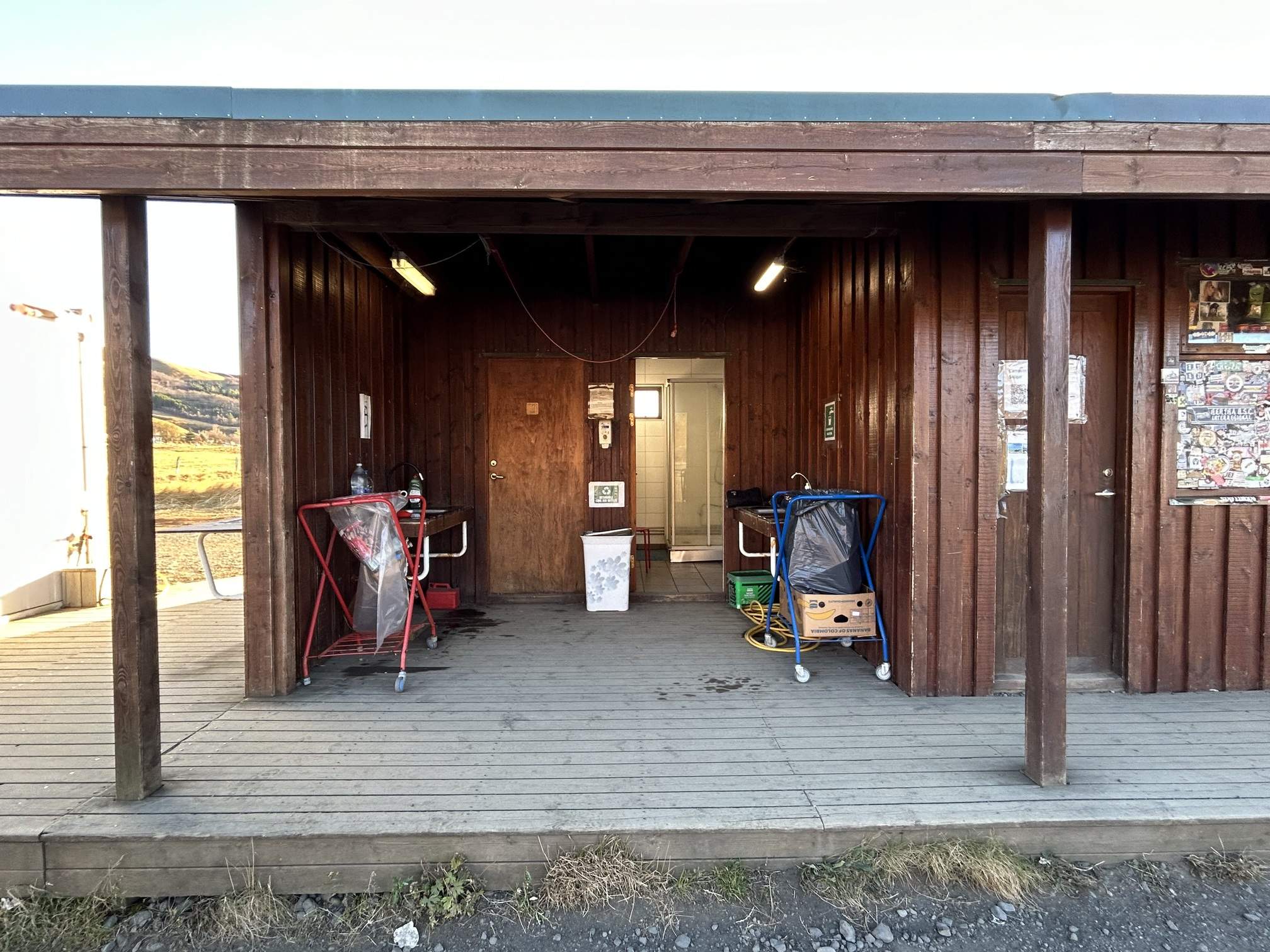

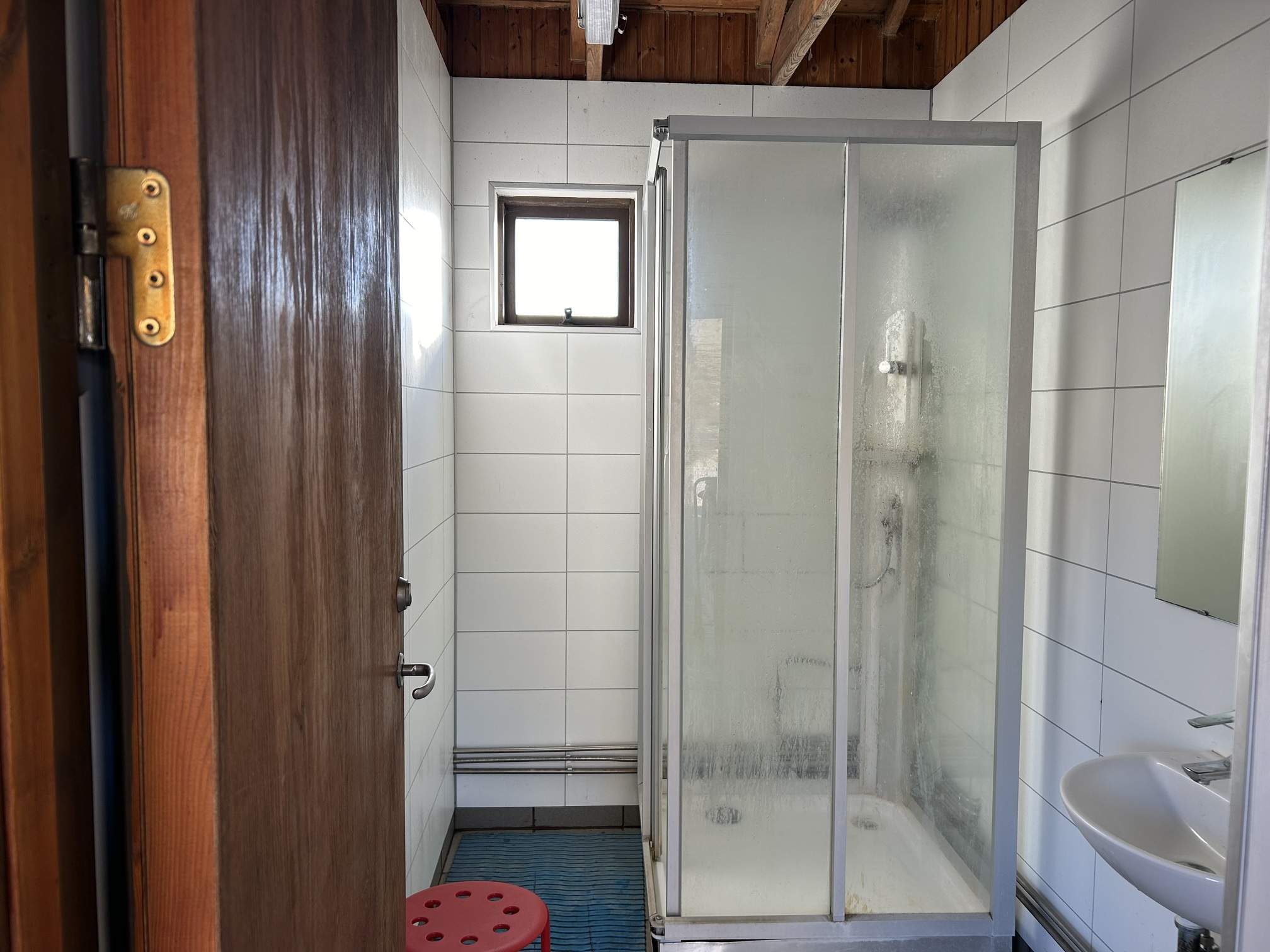
Skógar Campsite (2,200 ISK): Basic facilities with paid toilets and showers (400 ISK for 5 minutes). The proximity to Skógafoss Waterfall was unbeatable. We were so close we saw the Northern Lights from our van! An attendant came to collect payment at night. Link to site

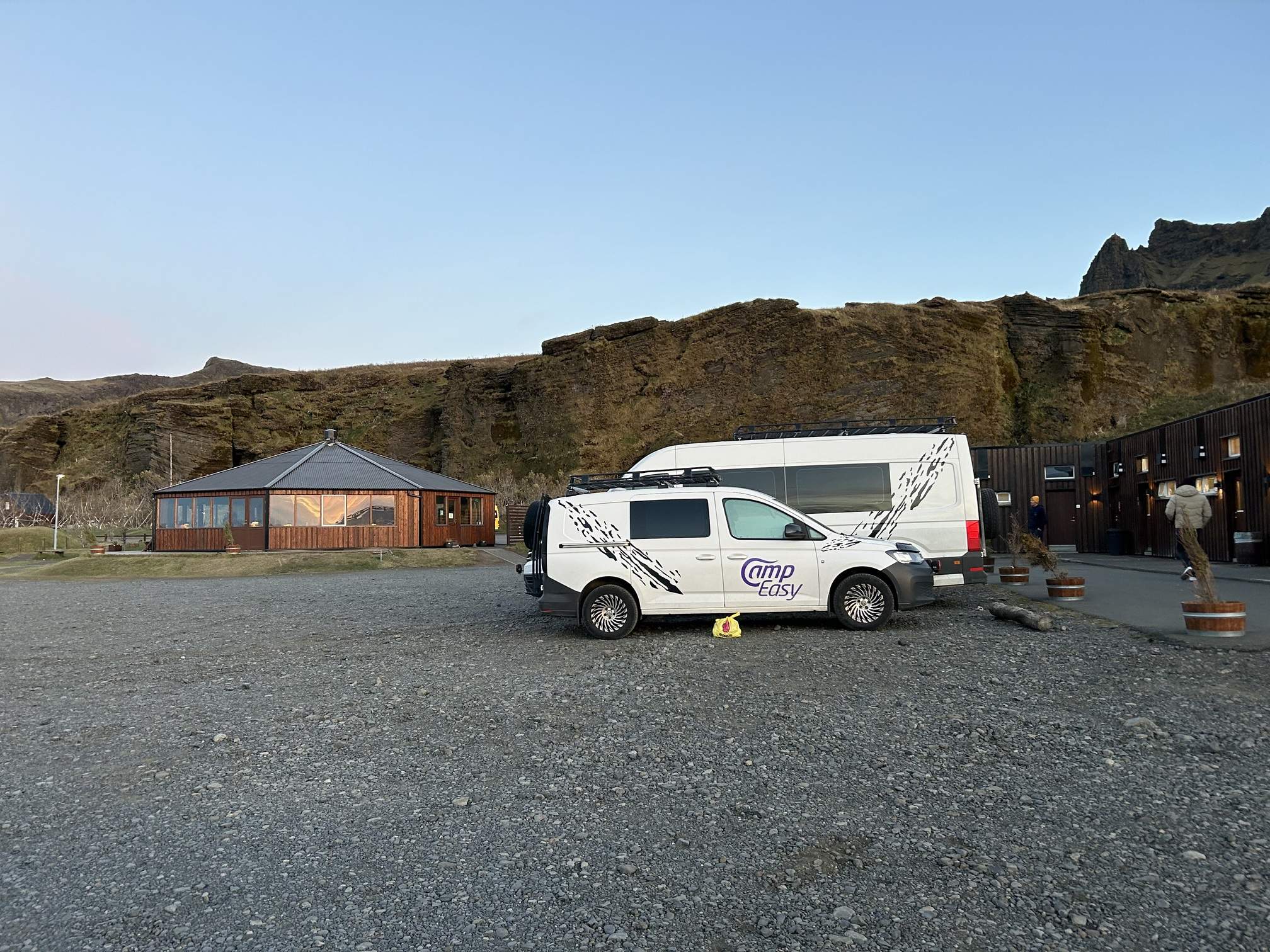
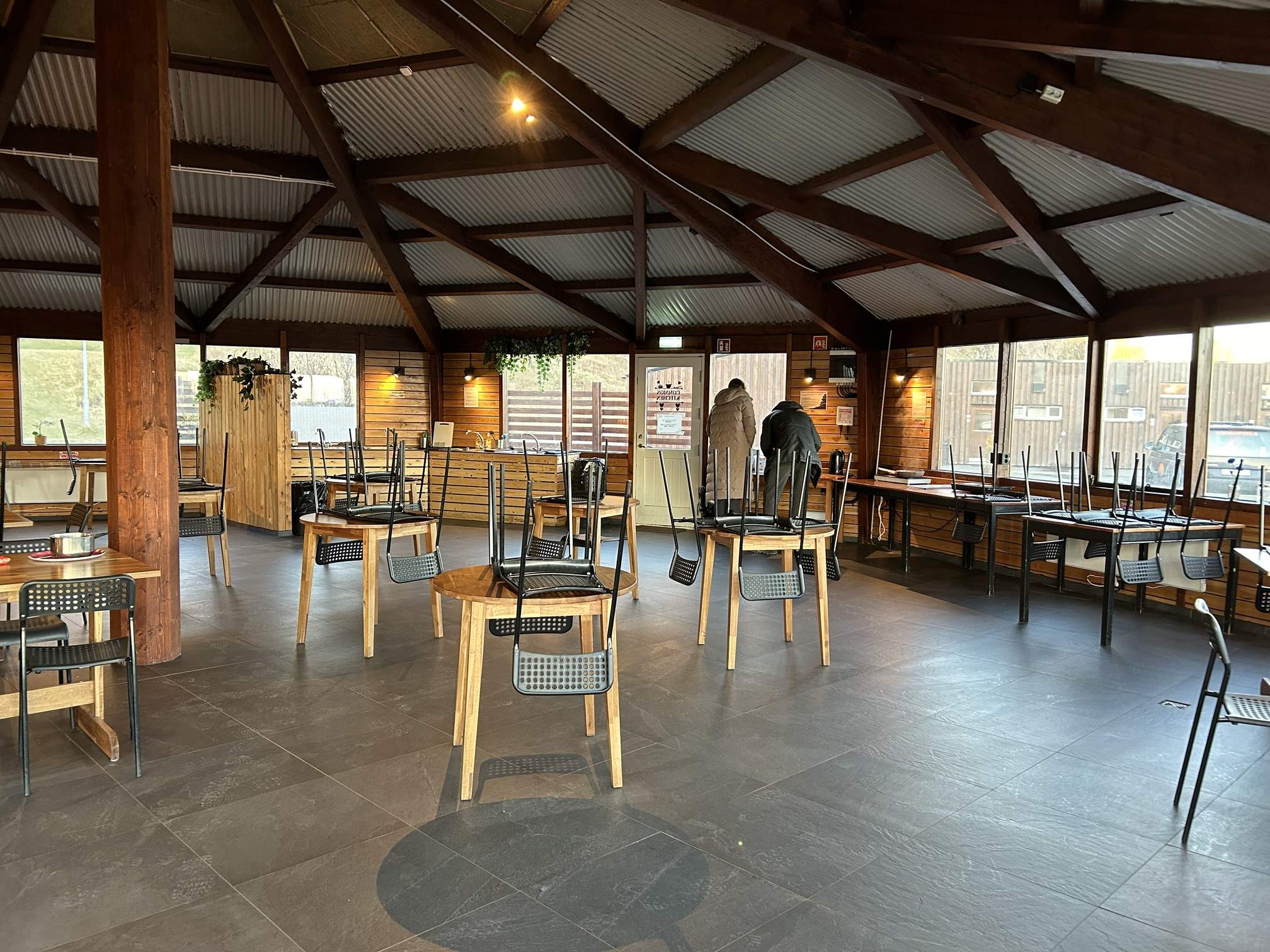
Vik Camping (2,000 ISK): This spacious, crowded campsite was a favorite. It had plenty of cooking stations and a great communal area. The “open paid shower” (300 ISK for 5 minutes) was a unique experience. We paid at the office and got coins. Link to site

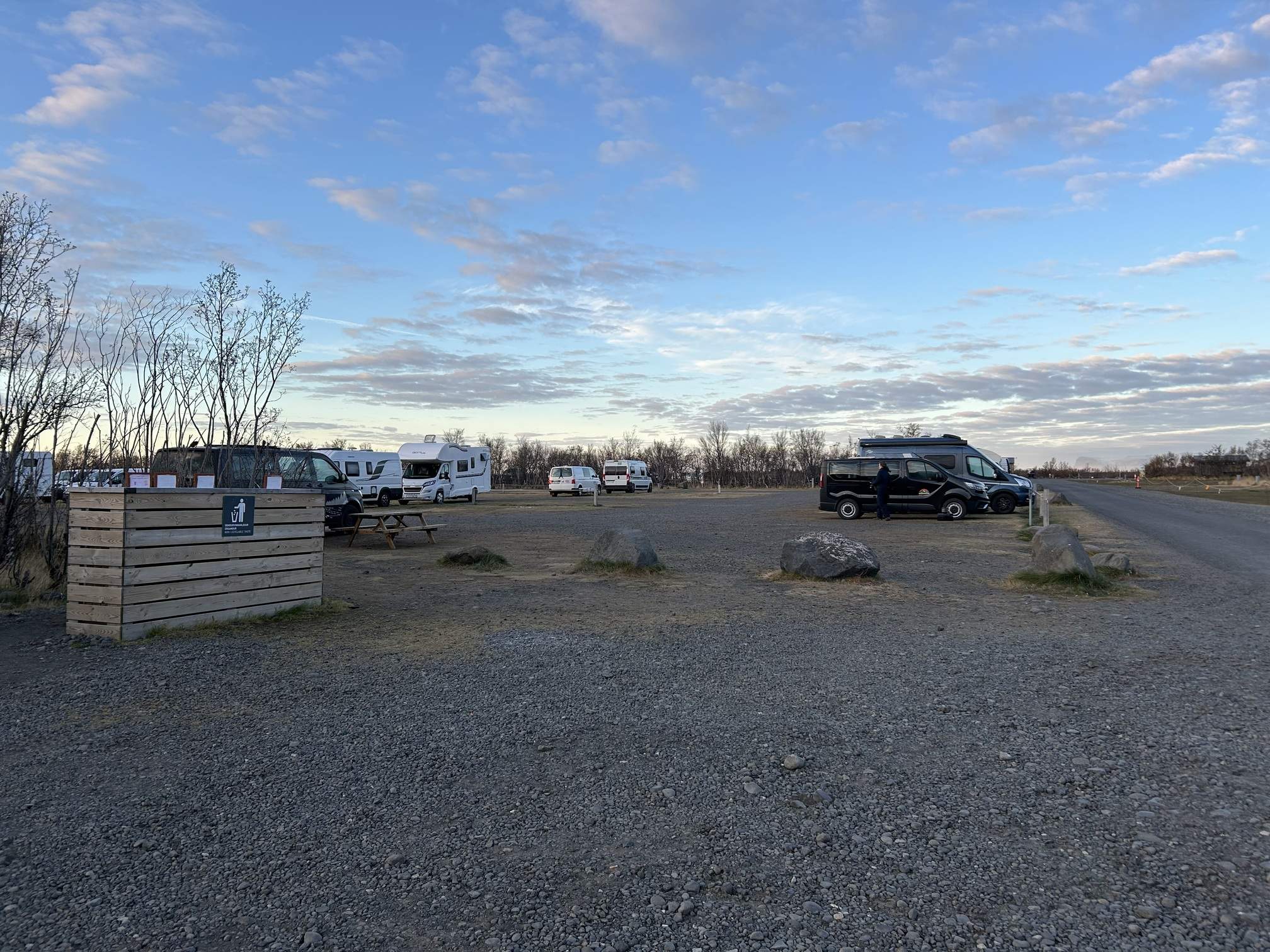
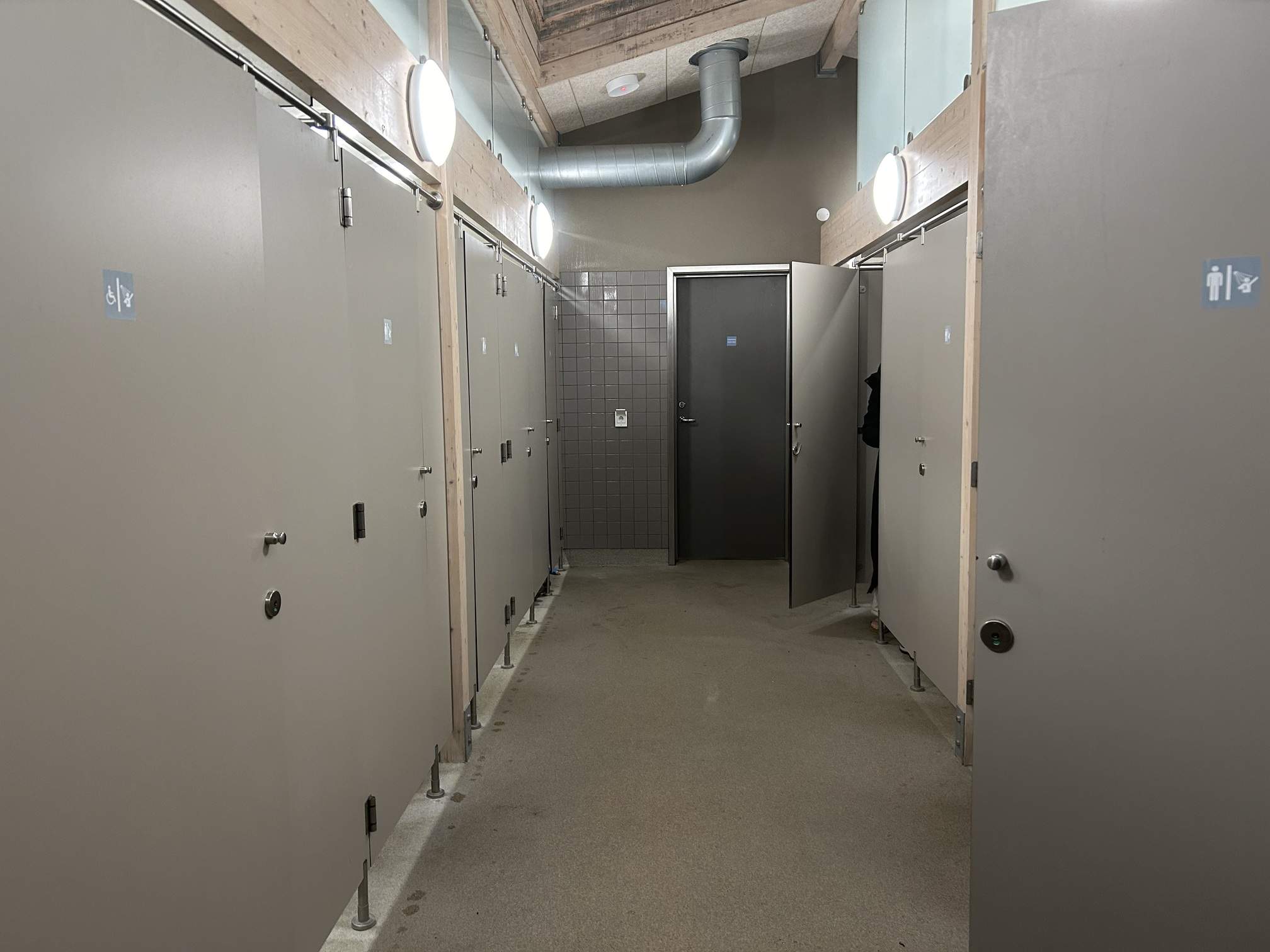
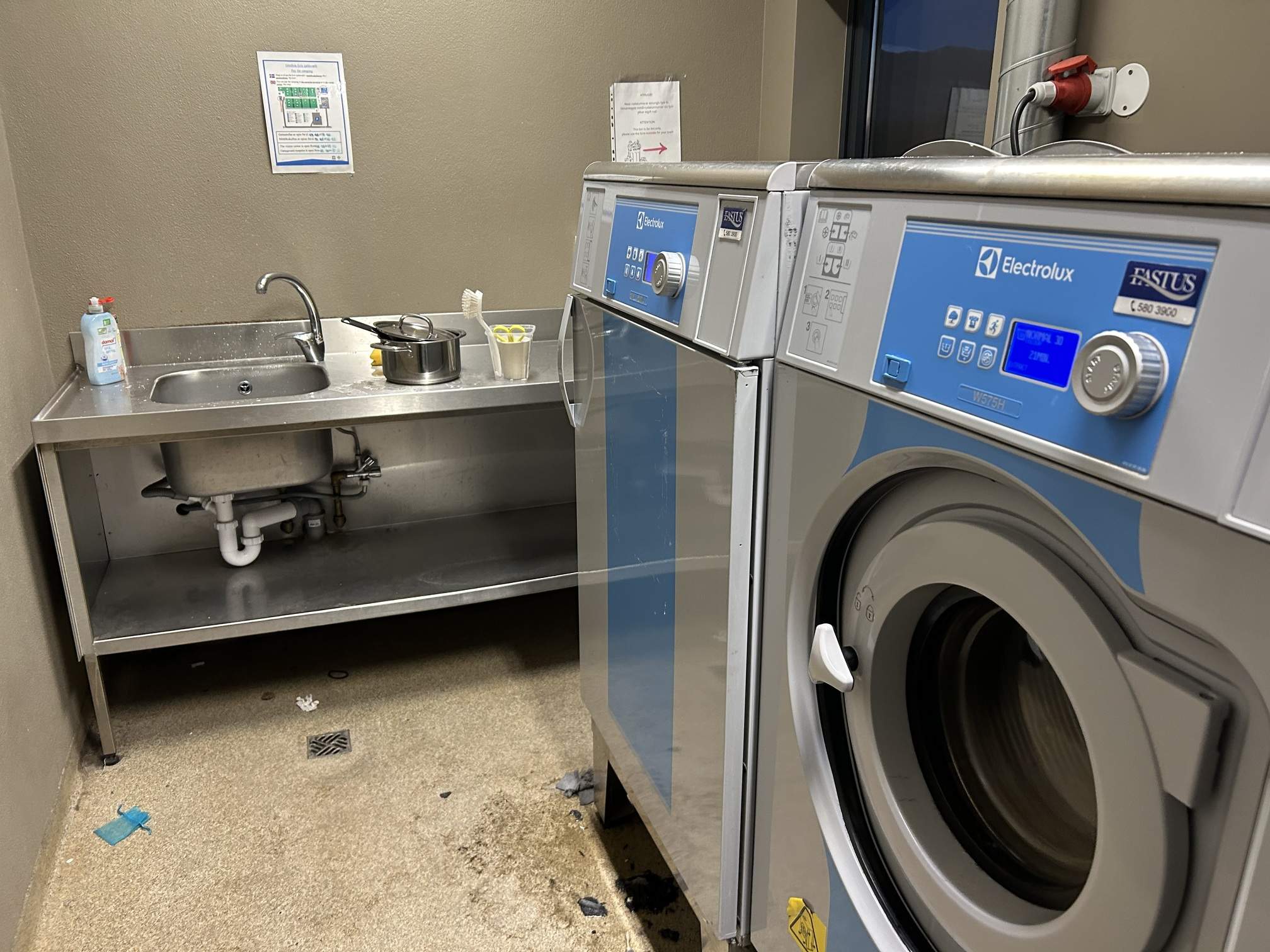

Skaftafell Camping (2,800 ISK): Located in Skaftafell National Park, this site had showers, free washer, and dryer—all free, a huge bonus! We paid at the visitor center. Link to site
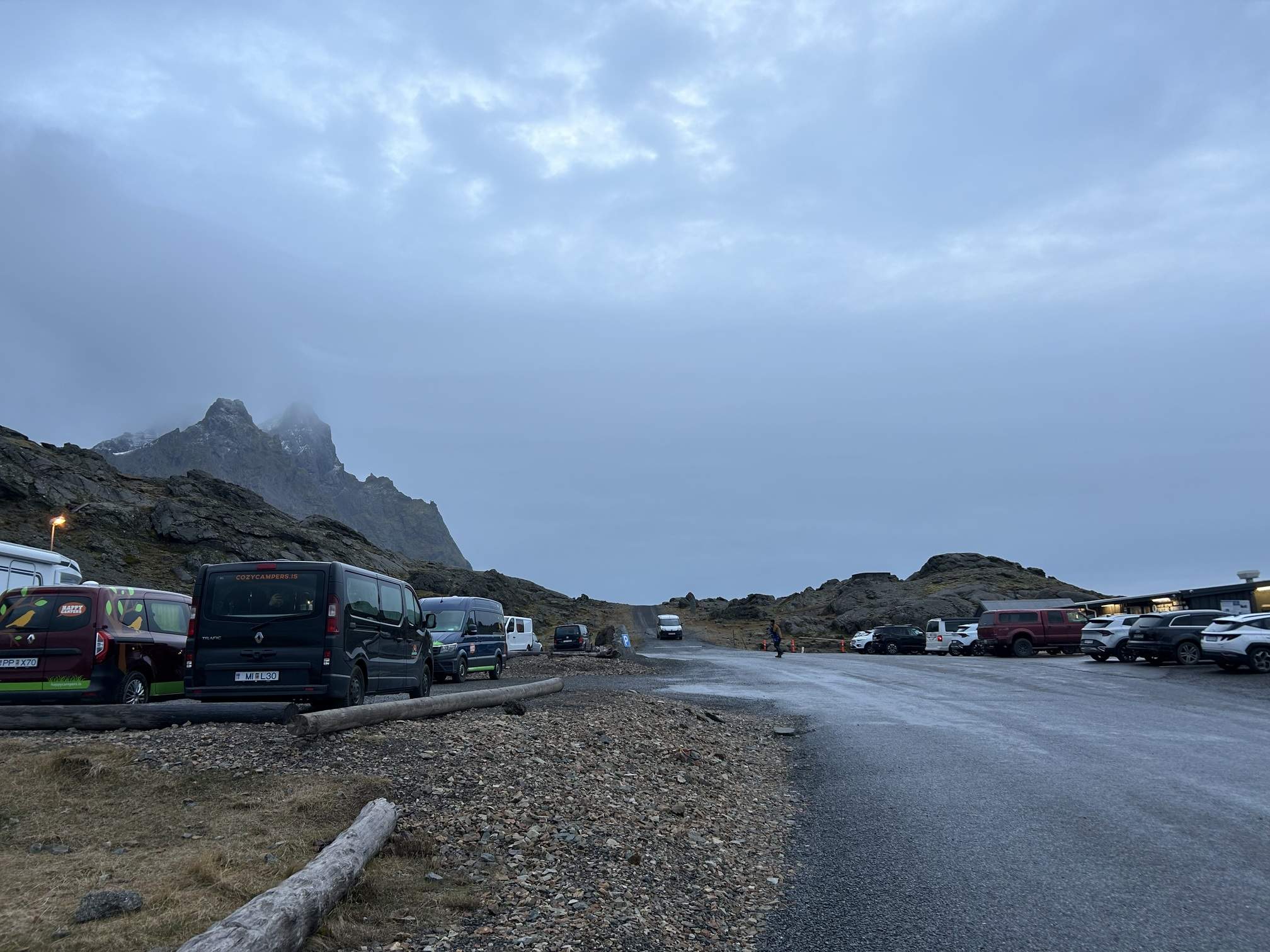

Vestrahorn Campsite (Viking Cafe) (2,500 ISK): More of a parking spot than a traditional campsite, it came with a great perk: free admission to Vestrahorn beach and the Viking village. That night, the wind was howling and our van was shaking—what an experience! Link to site
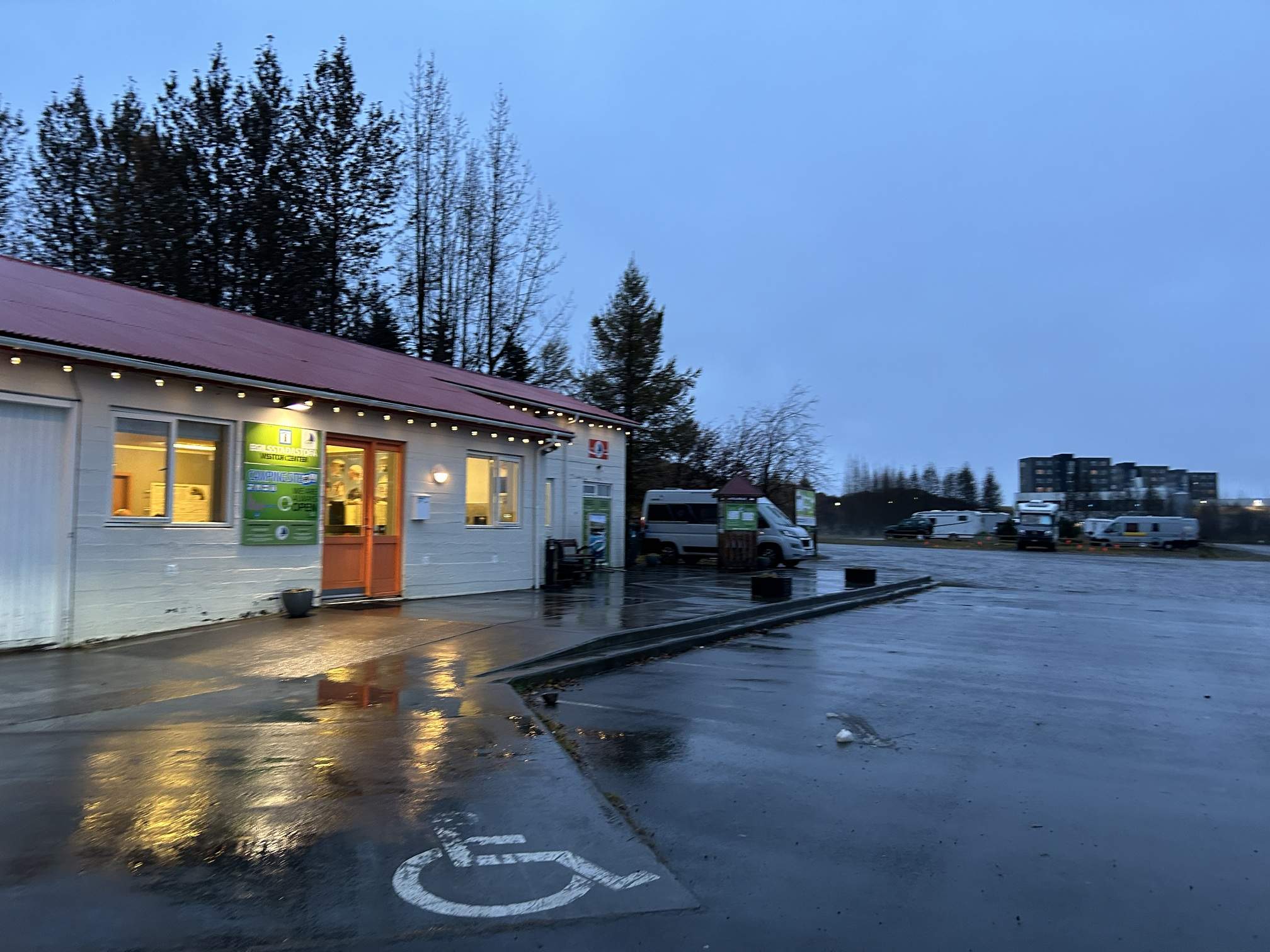
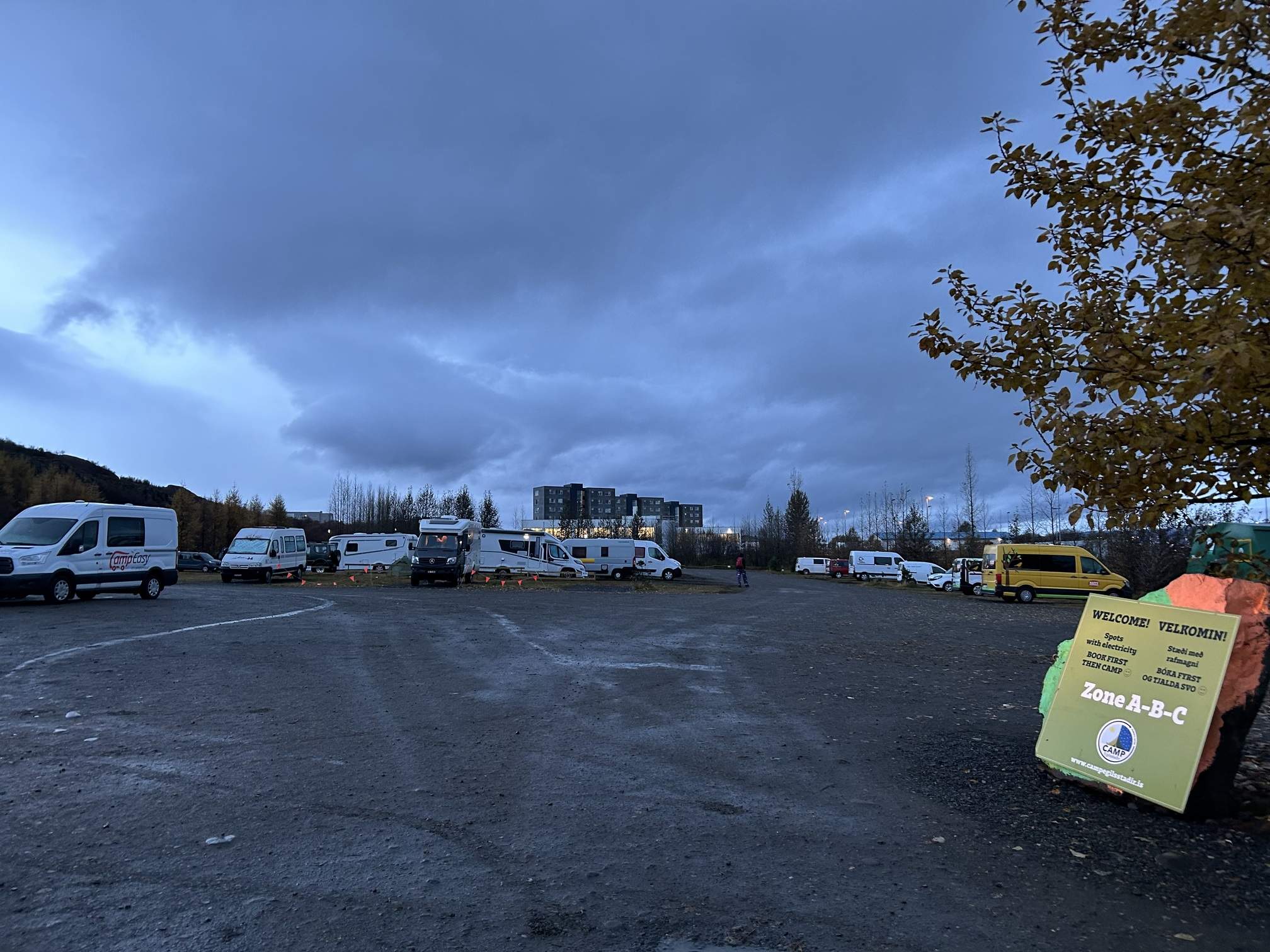

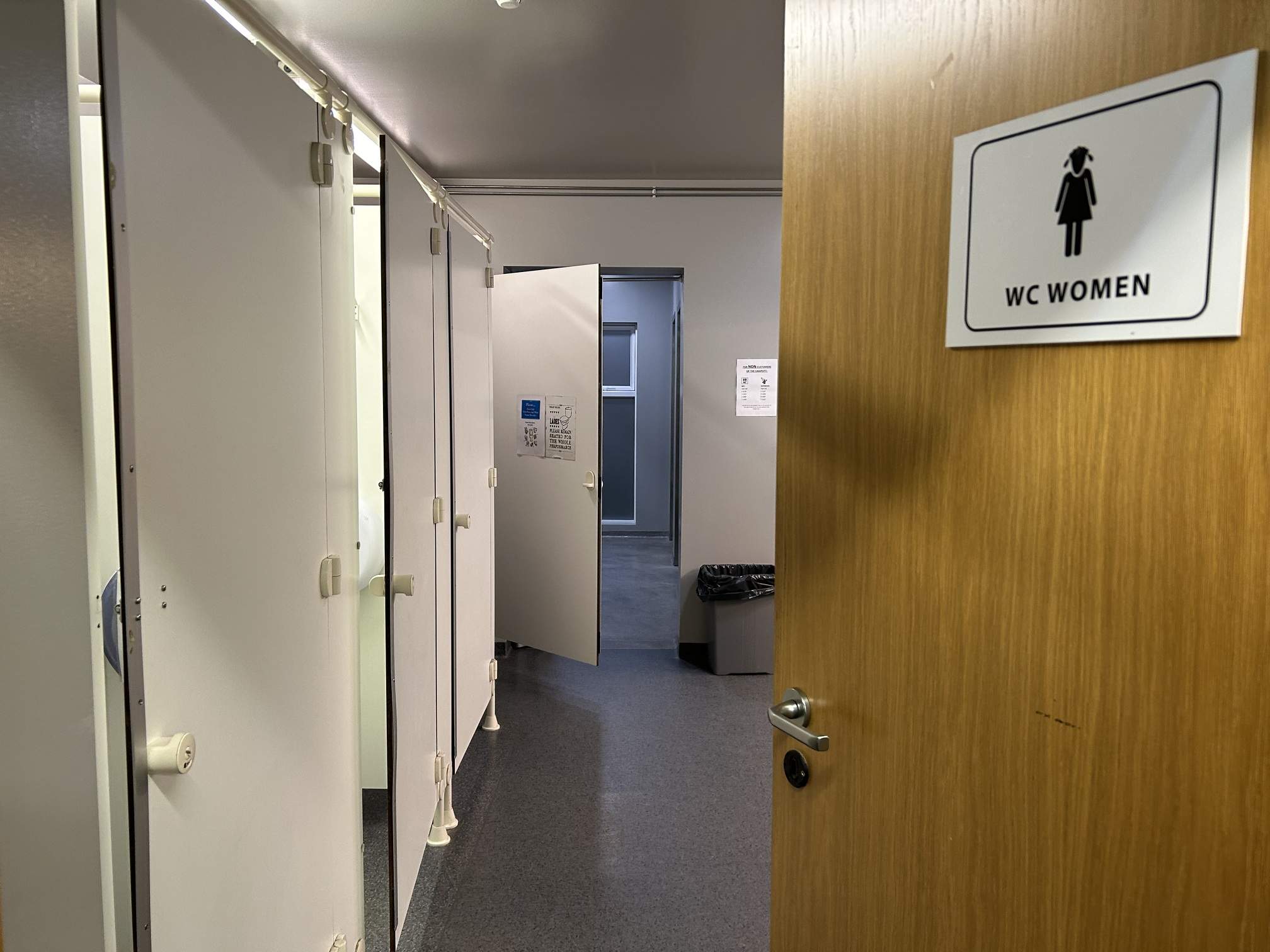
Camp Egilsstaðir (2,600 ISK): A solid campsite with all amenities, including a shared kitchen and separate facilities for men and women. One of our favorites! Link to site

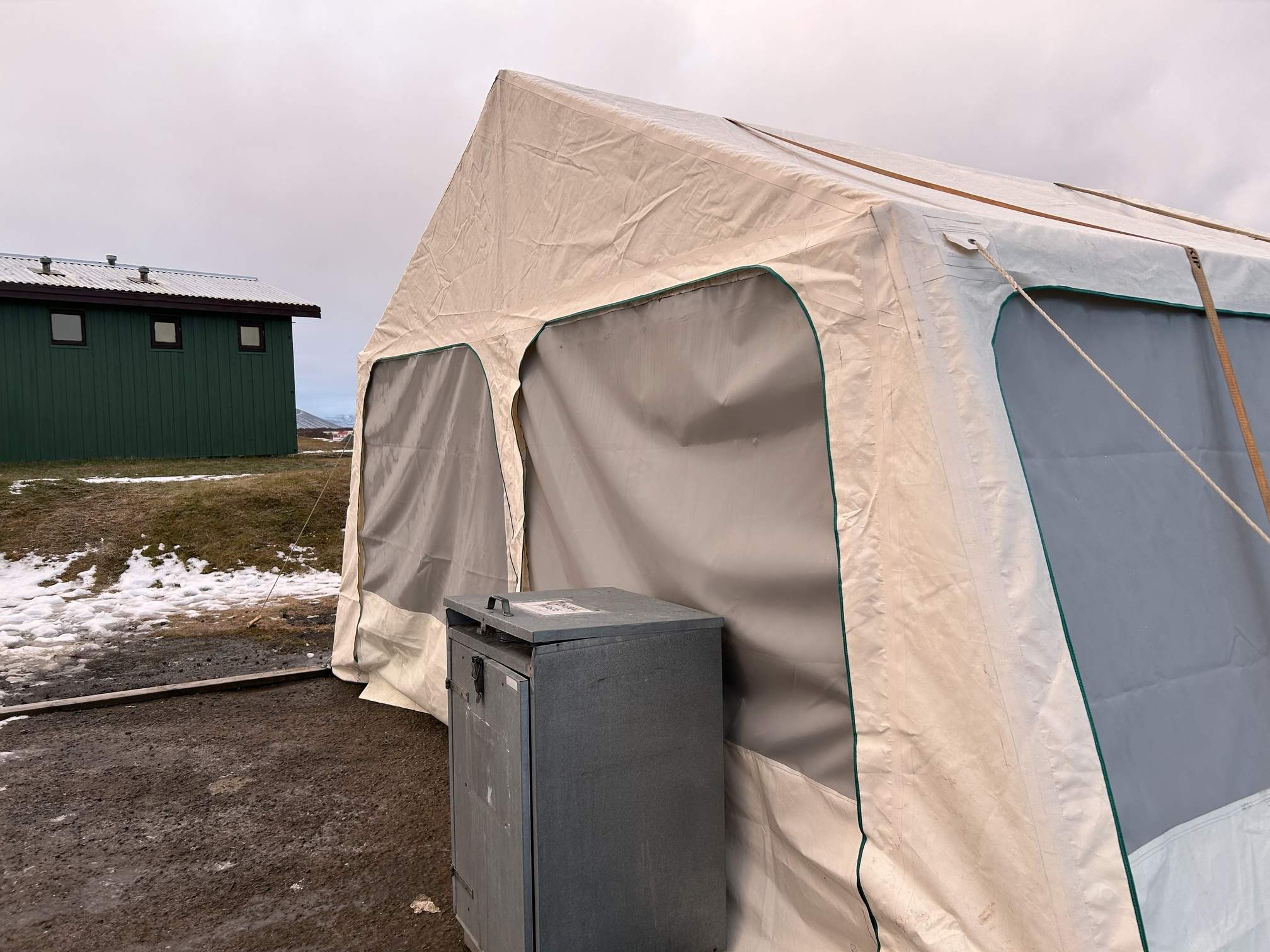

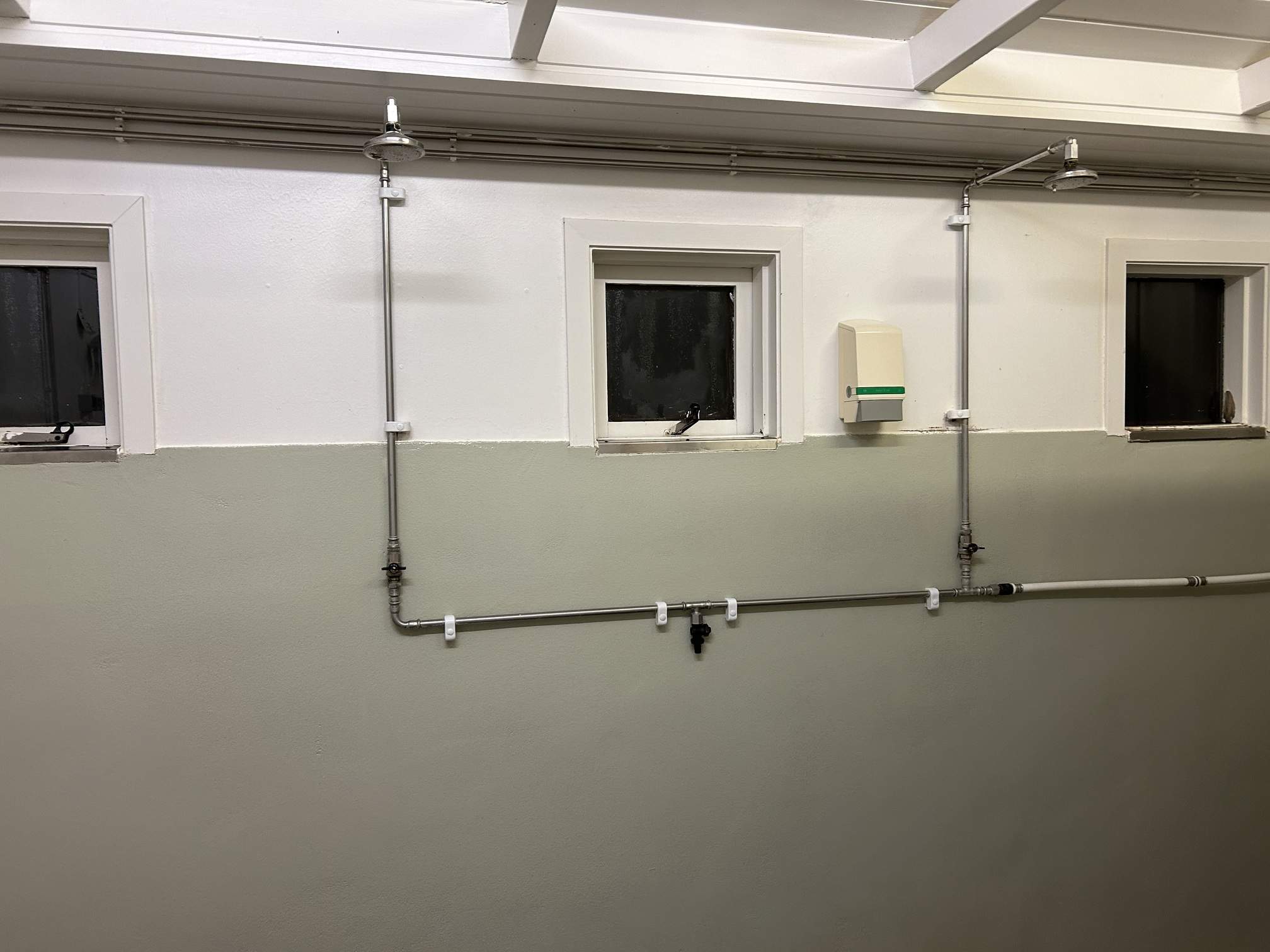
Hlíð Bed and Breakfast (Myvatn) (2,400 ISK): Another “open shower” facility where the water is left dripping to prevent the pipes from freezing. We learned to wait until late to have the space to ourselves. Payment was made at a manned counter inside the office. Link to site

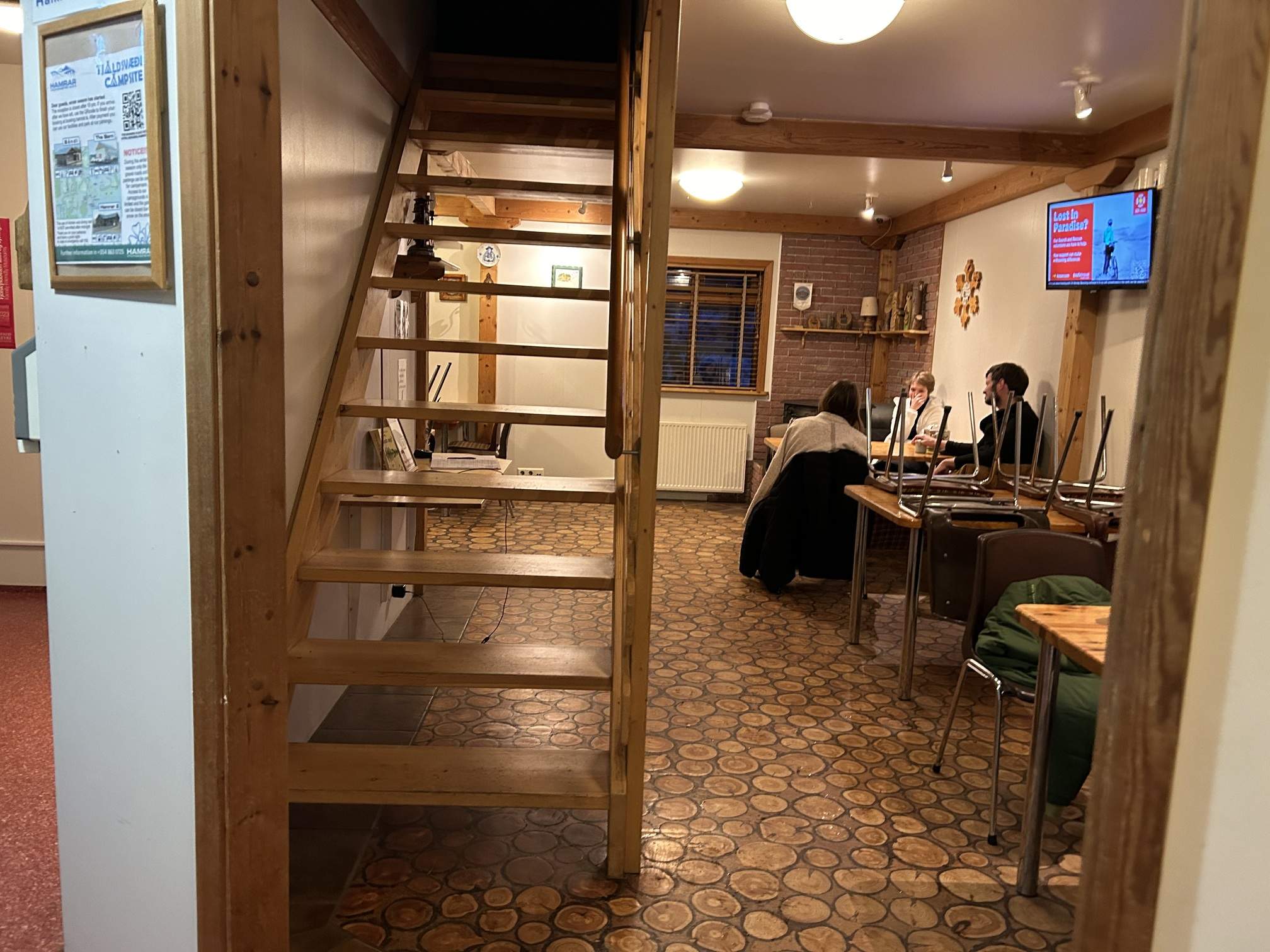
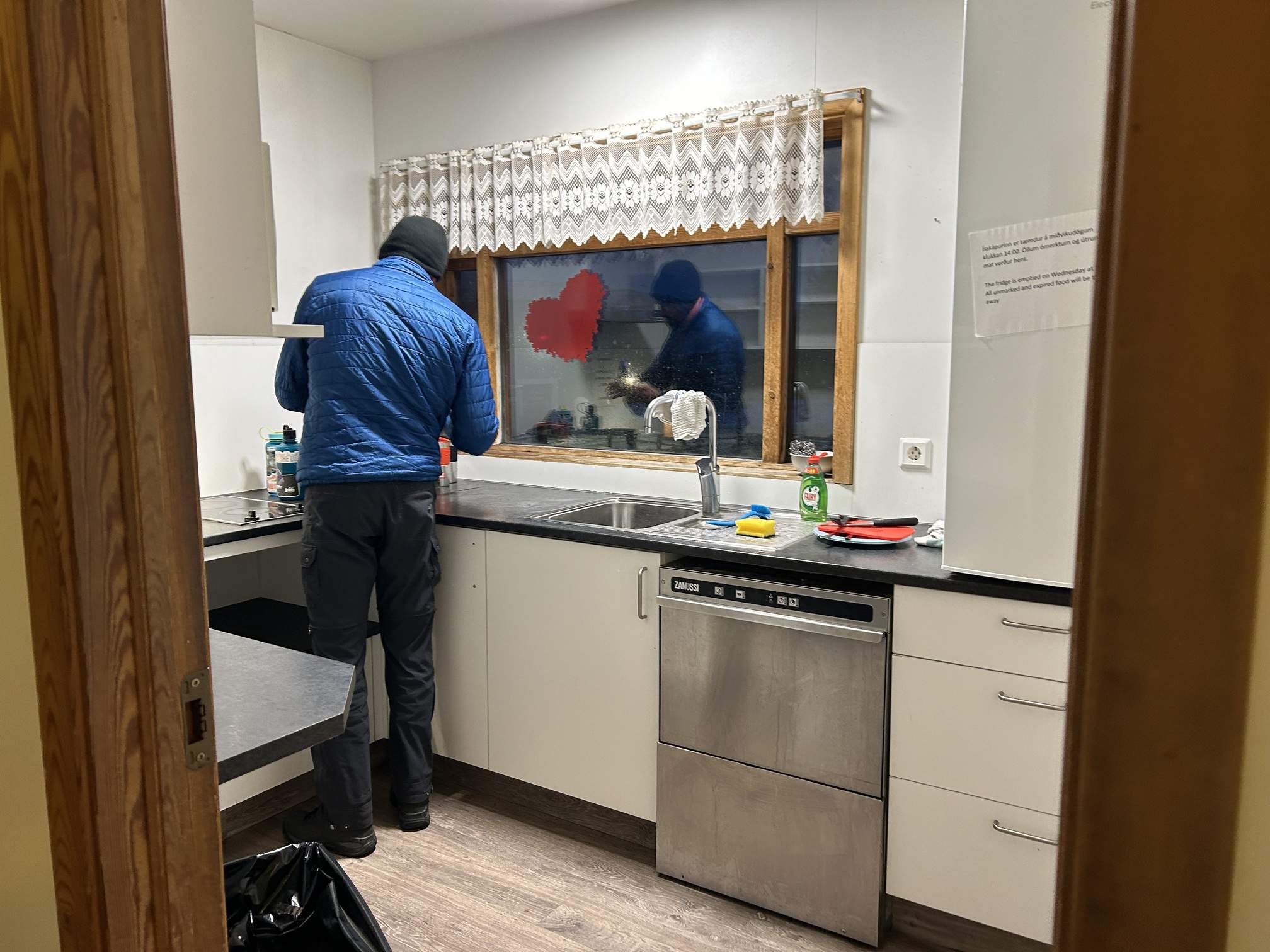
Hamrar Campsite (Akureyri) (2,350 ISK): A well-equipped site. We opted to cook inside our van due to the busy kitchen. Payment was at a manned booth. Link to site


Blönduós Campsite (2,000 ISK): Had a small kitchen with an induction stovetop and some leftover supplies left by previous campers. An attendant collected payment in the morning and evening.


Búðardalur Camping (2,000 ISK): A quiet spot with only toilet and bathroom facilities, but we were happy to enjoy the peace and quiet. We paid with the Parka app.
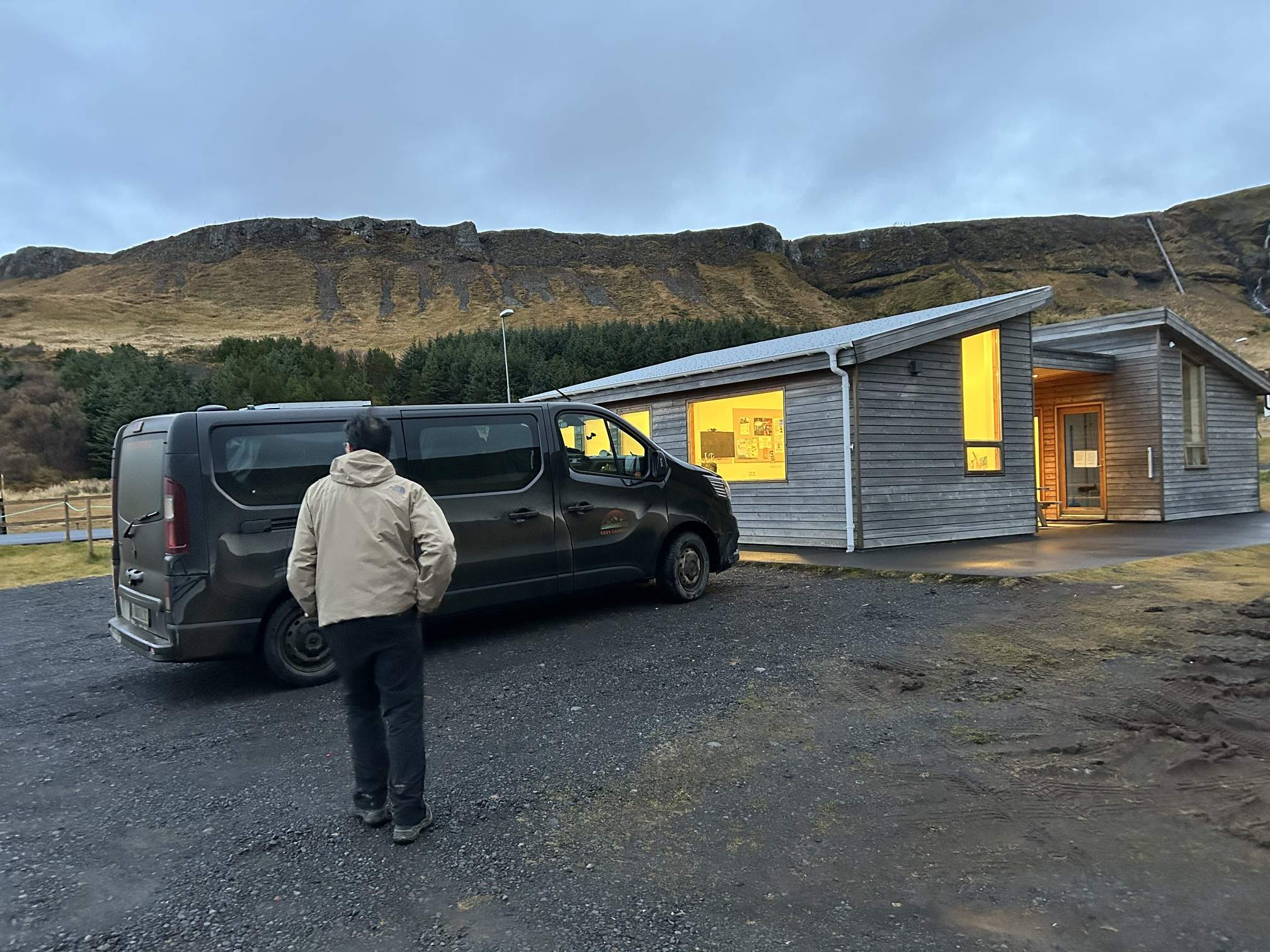

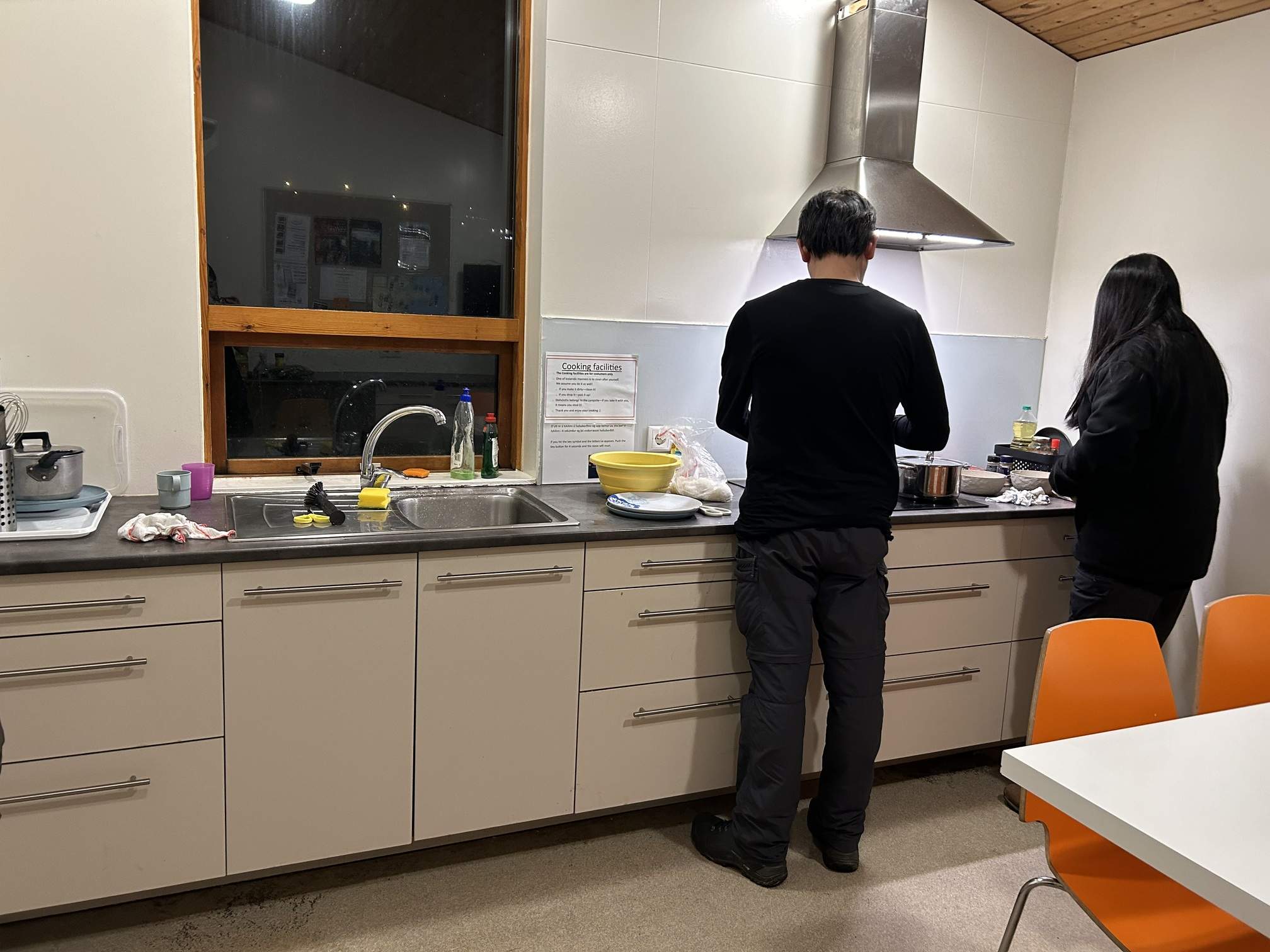
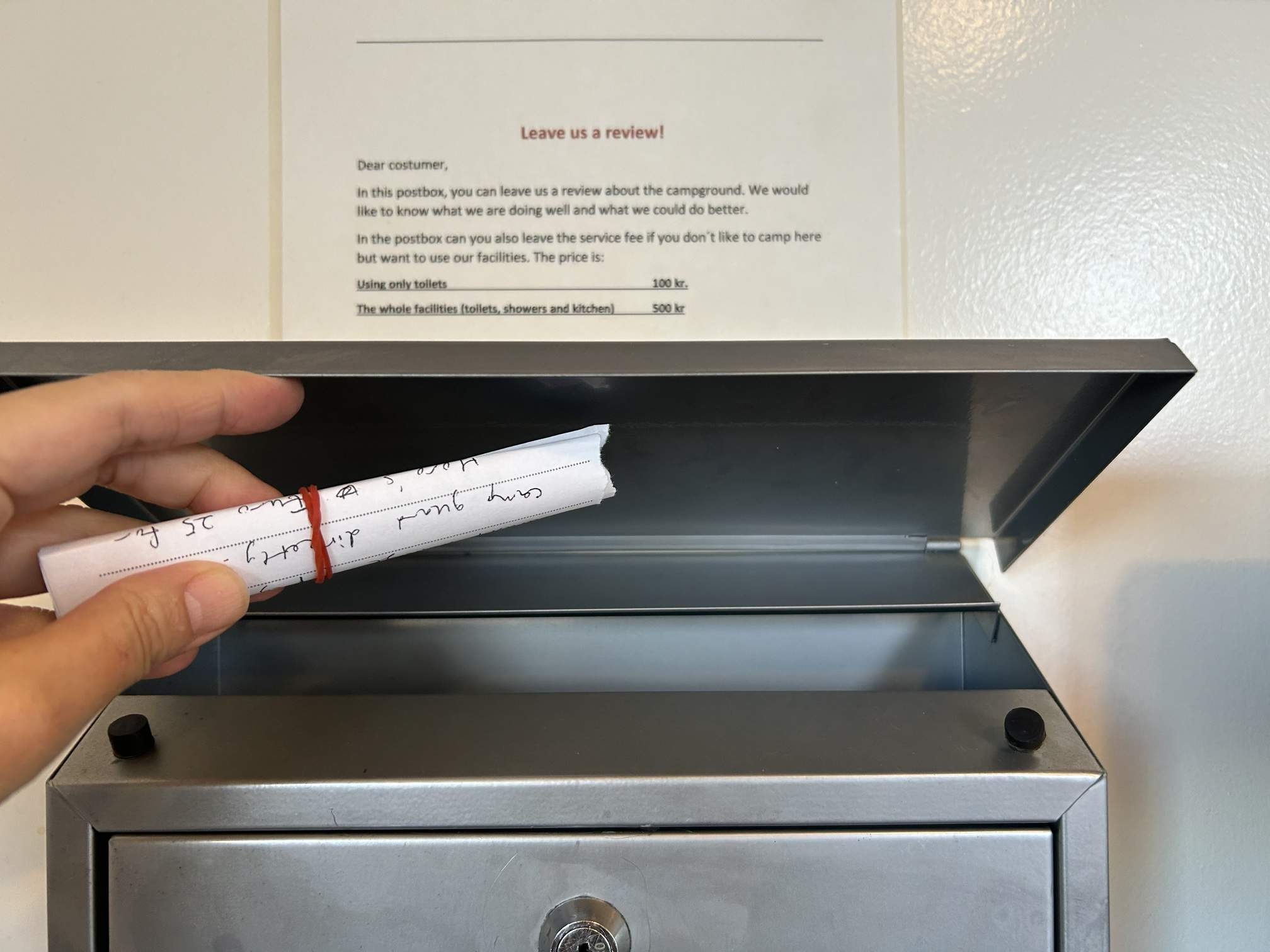
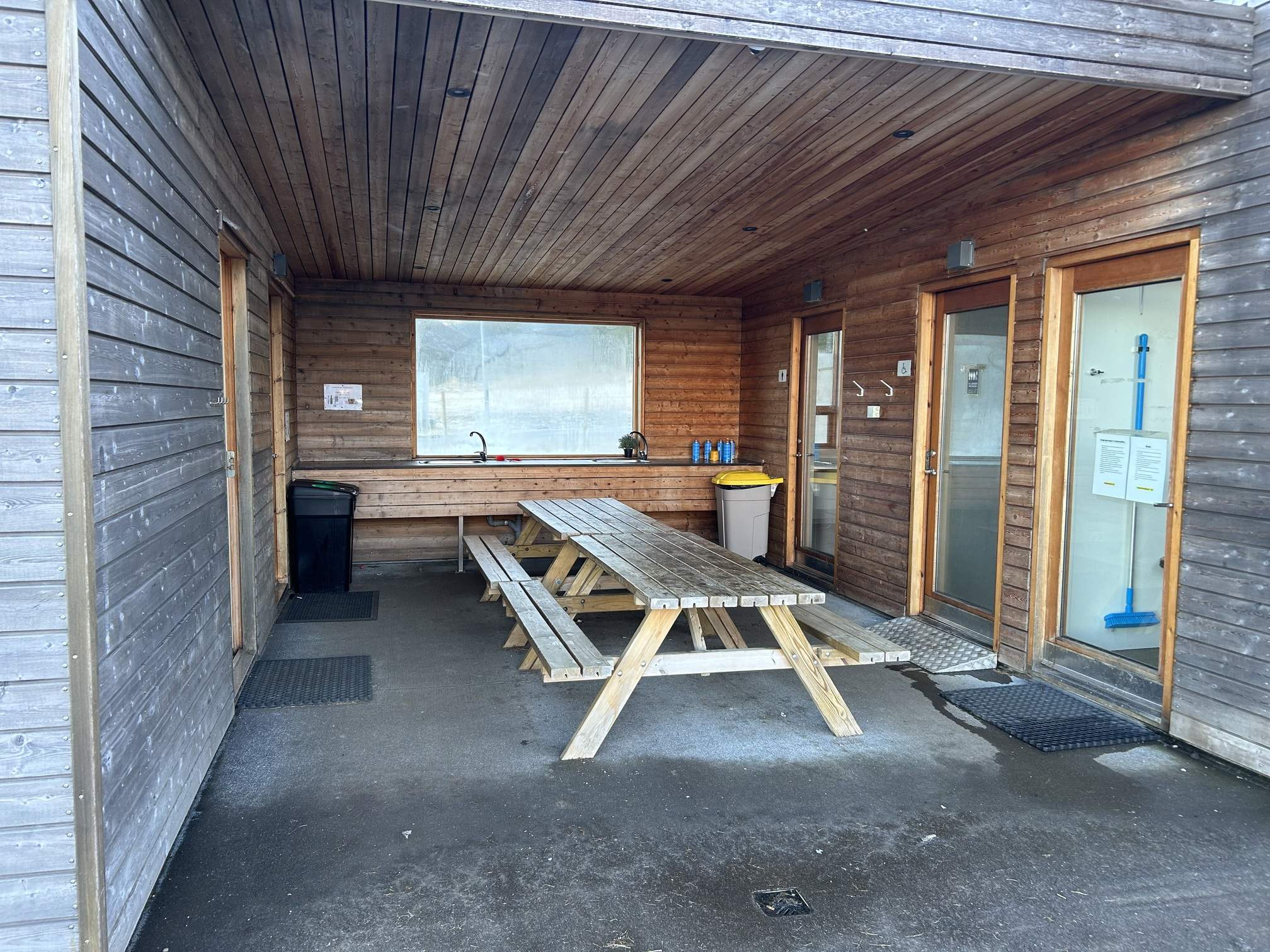
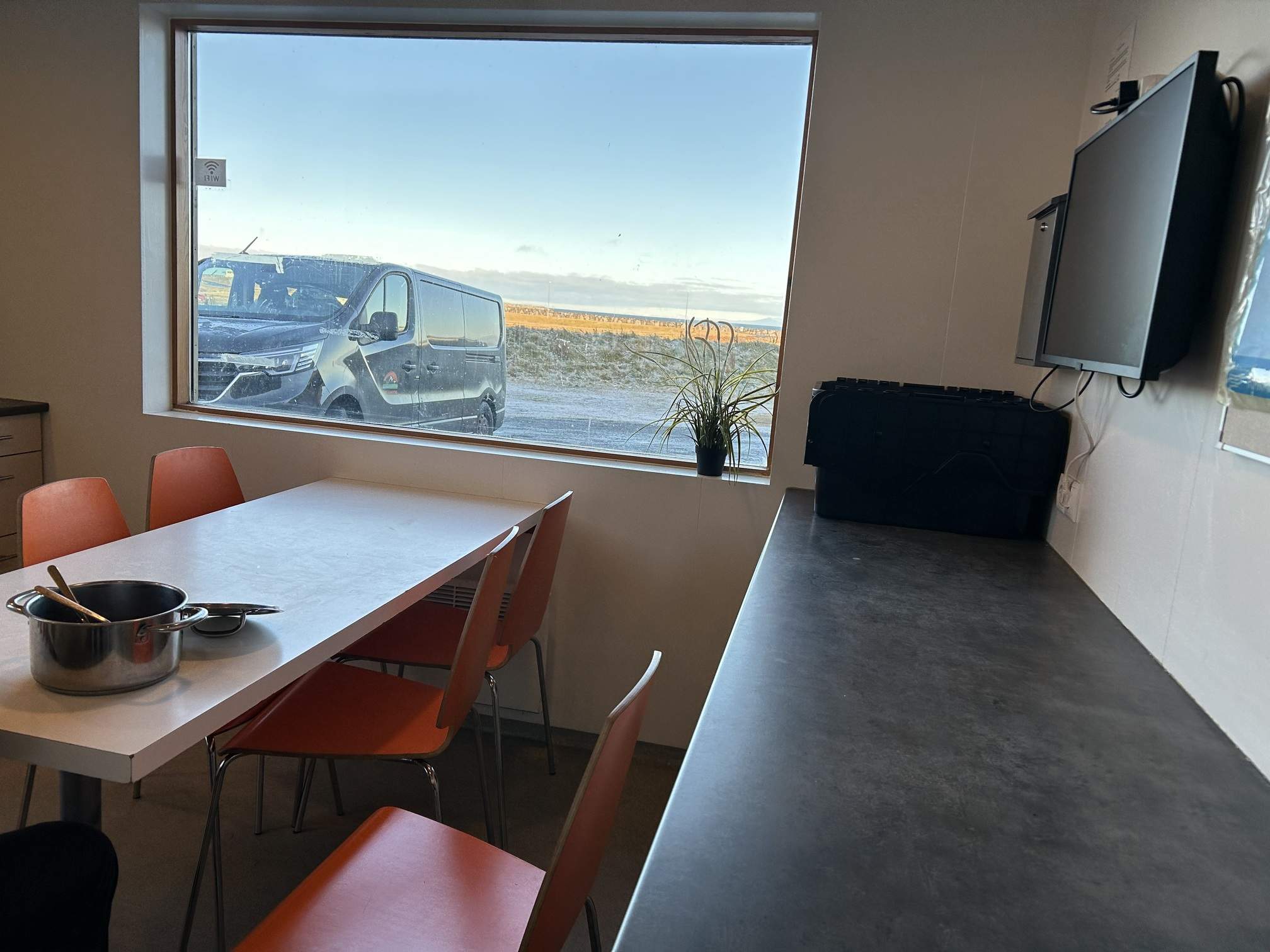
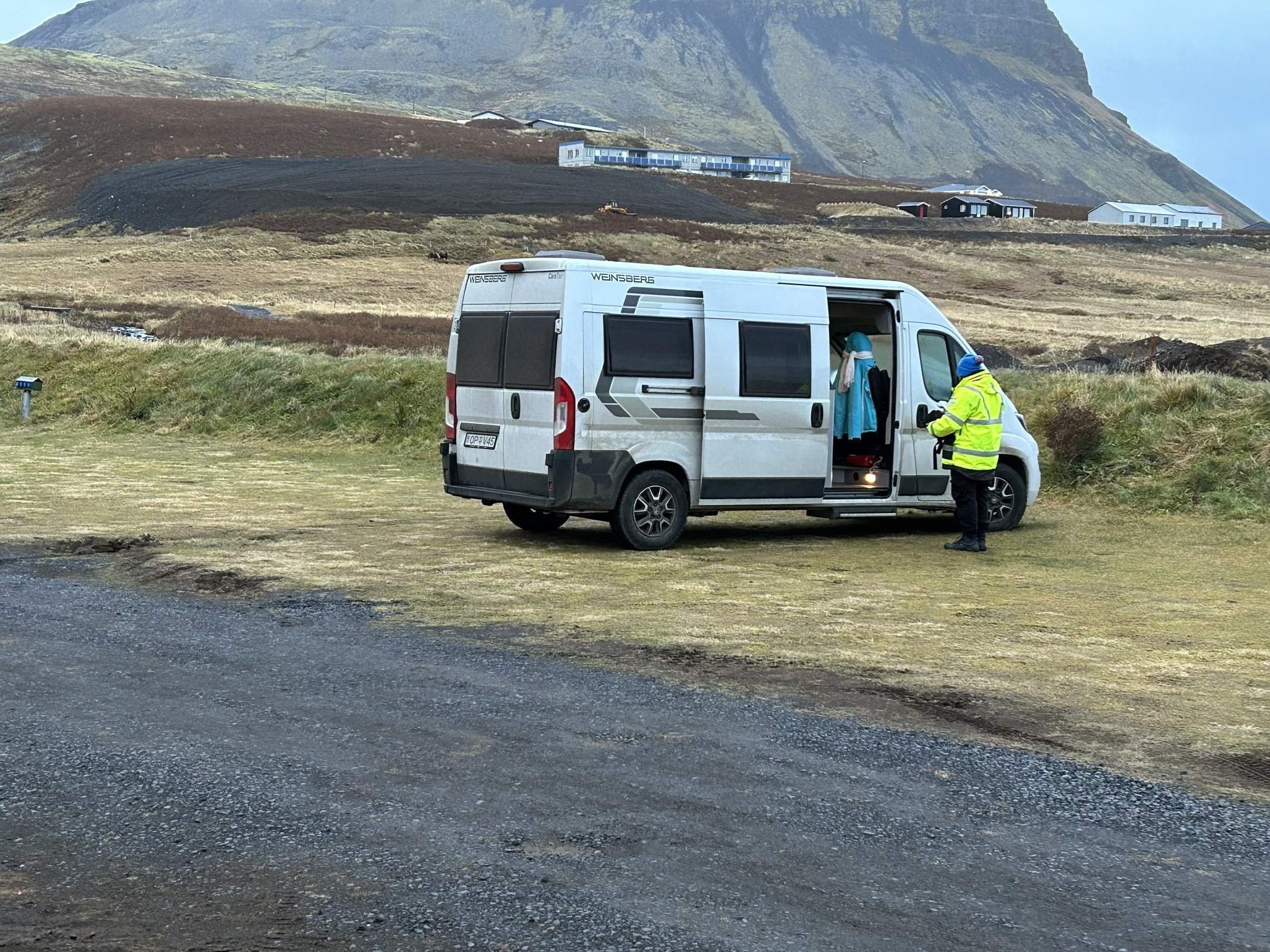
Campsite Ólafsvík (1,900 ISK): We stayed for two nights here, a perfect base for exploring Kirkjufellsfoss. This was one of our best stays—clean, quiet, and with a well-equipped kitchen. An attendant collected payment in the morning and evening.
Grundarfjörður Campground (1,600 ISK): This site was open with only toilet facilities. We opted for the nearby Ólafsvík instead. We heard many travelers use the public pool, Sundlaug Grundarfjarðar, for showers.
We loved the convenience of cooking inside our van, but when we found empty kitchen facilities at smaller campsites, we used them to cook rice. The best campsites were definitely those with free showers, but even with paid showers, we made sure to clean up daily.
Our final days involved transitioning to an Airbnb and a sedan, which allowed us to thoroughly clean the van and explore Reykjavik. The ultimate bonus was witnessing the magnificent Northern Lights at Skógar Campsite, Hlíð Bed and Breakfast, and even from our Airbnb.
Final Tips for Your Icelandic Campervan Trip
- Be flexible: A campervan gives you the freedom to change plans as needed, especially in Iceland’s unpredictable weather.
- Choose your vehicle wisely: A 2WD with winter tires is sufficient for most of the Ring Road in October, but a 4WD is necessary if you plan on exploring more rugged terrain.
- Don’t over-pack groceries: Supermarkets are plentiful along the route.
- Use shared spaces: Take advantage of communal kitchens at campsites to save on gas and simplify cooking.
- Cleanliness is key: Sweeping daily will make your small living space feel much bigger.
- Park smart: Don’t ask others to move their cars when there are ample parking spots at campsites.
A campervan journey is an incredible way to experience Iceland’s breathtaking landscapes. It’s a great choice for first-timers, thanks to the country’s well-equipped campsites and facilities.