Flying SAS: The Flag Carrier Paradox—When Automation Triumphs Over the Fragile Sticker

I’ve flown Scandinavian Airlines (SAS) a couple of times over the years and always felt a quiet ambivalence toward the carrier. As the flag carrier of Sweden, Norway, and Denmark and a global leader in operational metrics (ranked #1 in Europe for punctuality), one expects a premium experience.
Instead, SAS often falls into a strange middle ground: efficient in operation, but utterly indifferent in service. This begs the question: why does a national airline—known for its Scandinavian DNA of efficiency—behave like a budget carrier? This recent trip provided one small incident that perfectly encapsulated that feeling: the battle for a fragile sticker.
The Fragile Sticker Incident at Tromsø

We had been careful with our luggage, and thanks to Thai Airways, our bag already had a fragile tag on the way into Norway. My husband had unfortunately discarded it before our SAS leg from Tromsø to Oslo, necessitating a new one.
My question to the ground staff at Tromsø Airport was simple: “I would like to get a fragile sticker for my bag.”
The response was immediate, brief, and cold: “We don’t have.” This was delivered with an empty queue line and a staff member who seemed perpetually disengaged.
When I asked how to proceed with check-in without a fragile sticker, the response was a casual dismissal: “You drop it at the automatic check-in counter.”
Sometimes, it’s that one small moment of indifference that wins or loses a customer. The request wasn’t complicated; it just required a basic level of human engagement that was clearly unavailable.
The Power of a Simple Sticker
This lack of human connection isn’t unique. Reading older feedback online (“The customer service representative was a nasty human who couldn’t even complete a simple request…”) reinforces the idea that the issue sometimes lies not in the policy, but in the frustrating absence of the human element when it’s needed most.
SAS Operational Reality: The Triumph of Efficiency
Aside from the frustrating human interaction, the operational side of the flight was fine—this is where the “Scandinavian efficiency” truly shines.
Check-in and Baggage Rules

The entire ground process is driven by automation. All check-in, printing of boarding passes, and printing/attaching of luggage tags are handled entirely by passengers using self-service machines.
- Checked Baggage: SAS’s allowance is strictly piece-based, not weight-based. For the standard SAS Go fare, you are limited to one 23kg checked bag unless your fare class (like SAS Plus) allows more.
- Carry-on Strictness (Unenforced): You are allowed two pieces:
- One underseat bag (max 40 x 30 x 15 cm / 18 L).
- One carry-on bag for the overhead compartment (max 55 x 40 x 23 cm / 8 kg).
- Crucially: While the rules are defined, on both our Oslo-Tromsø and Tromsø-Oslo flights, they did not check the weight or size of our hand-carry bags at the gate.
Boarding and Seating Logistics
The efficiency extended to the gate and onboard rules:
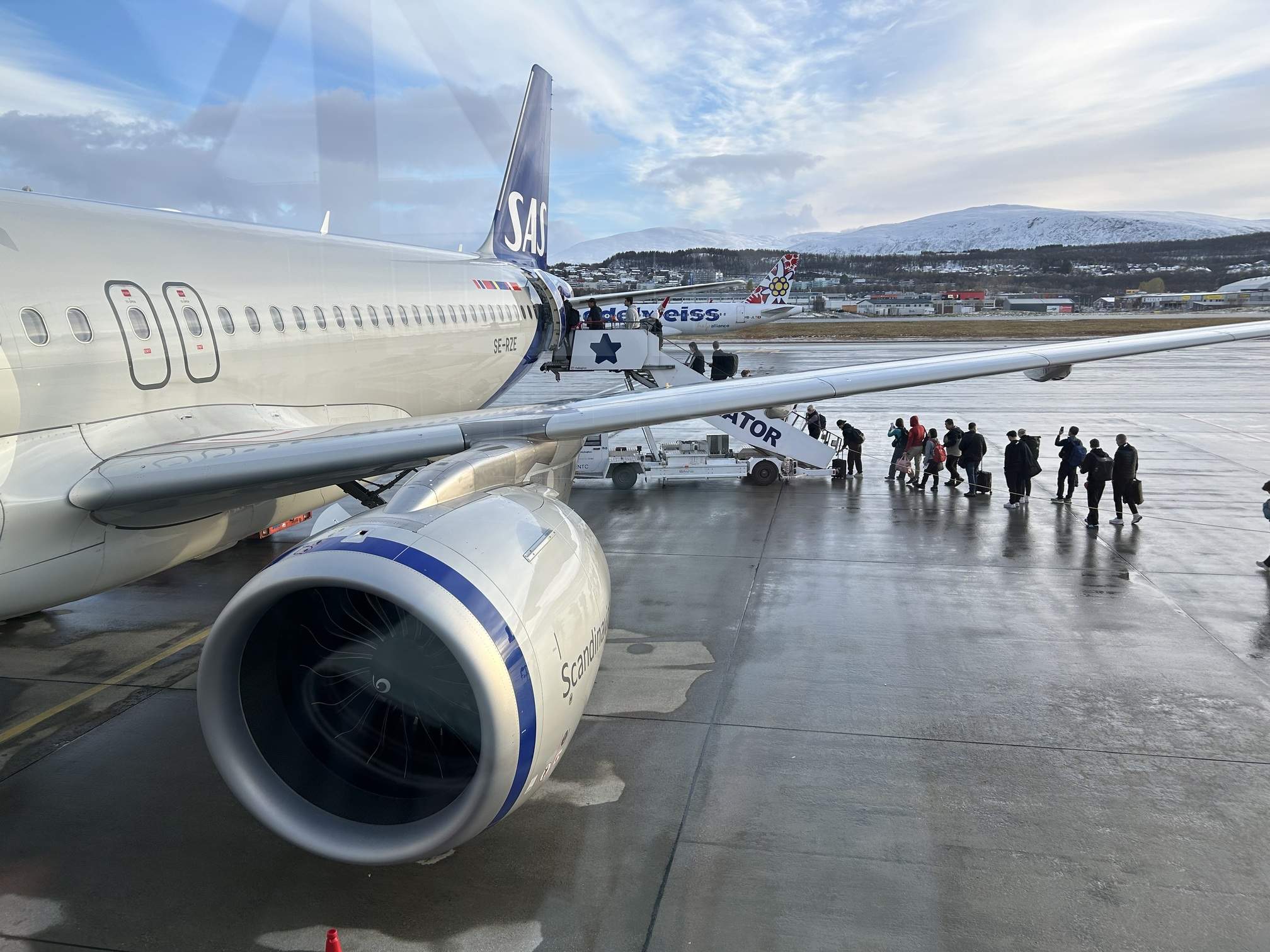
Boarding Experience: From Tromsø to Oslo, we observed strict zone-based boarding, where the system prevented passengers from scanning through their ticket until their zone was called—a great use of technology to maintain flow. They also utilized back boarding for rear section (row 20-32) (using a separate door and stairs directly onto the tarmac), which helped speed up the overall process.


Emergency Row Restriction: We secured coveted emergency row seats on the outbound leg, which provided fantastic leg space. However, be aware that the safety rule is strictly enforced: no bags are allowed in front of the seat, meaning even a small jacket must be stored in the overhead compartment.

Seat Selection Mystery Solved: Online check-in opens 30 hours before departure. The ability to select seats for free is tied to EuroBonus membership. My ability to select seats for both my husband and myself (under the same booking) while my sister could not (on a separate booking) was likely due to my recently registered EuroBonus member status, which allows members in Economy to change their assigned seat free of charge once online check-in opens.
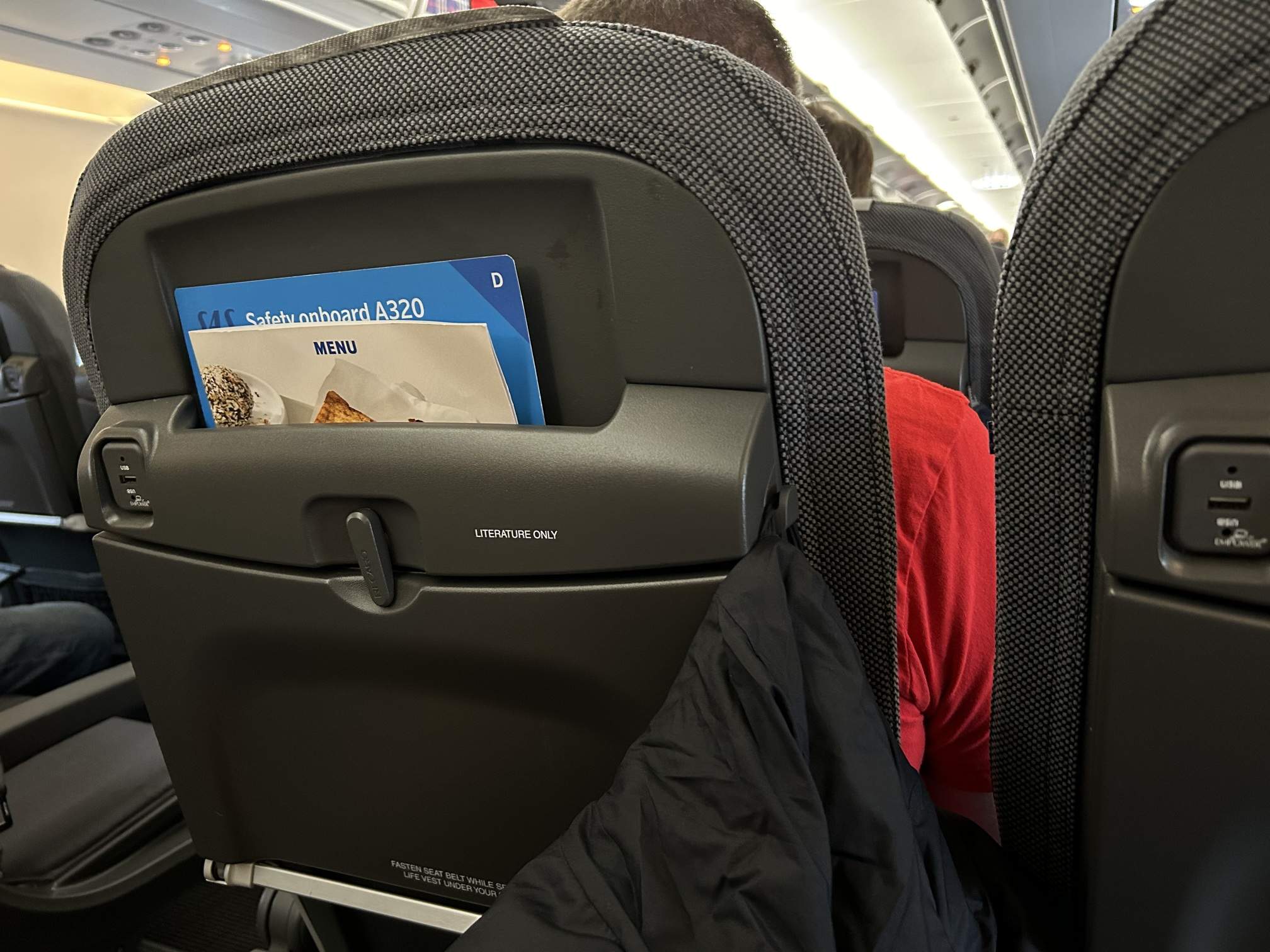
You’ll also find a working USB charging point and coat hook available at the seat.
In-Flight Service
- Complimentary Service: The in-flight service is basic but complimentary, which is a definite plus for a regional carrier. You get free, refillable drinks on board (coffee, tea, and water), which the crew gladly provided.
- Comfort: The seats are not the most comfortable, but for a short flight, the narrow pitch is perfectly manageable.
Final Thoughts: The Cost of Automation
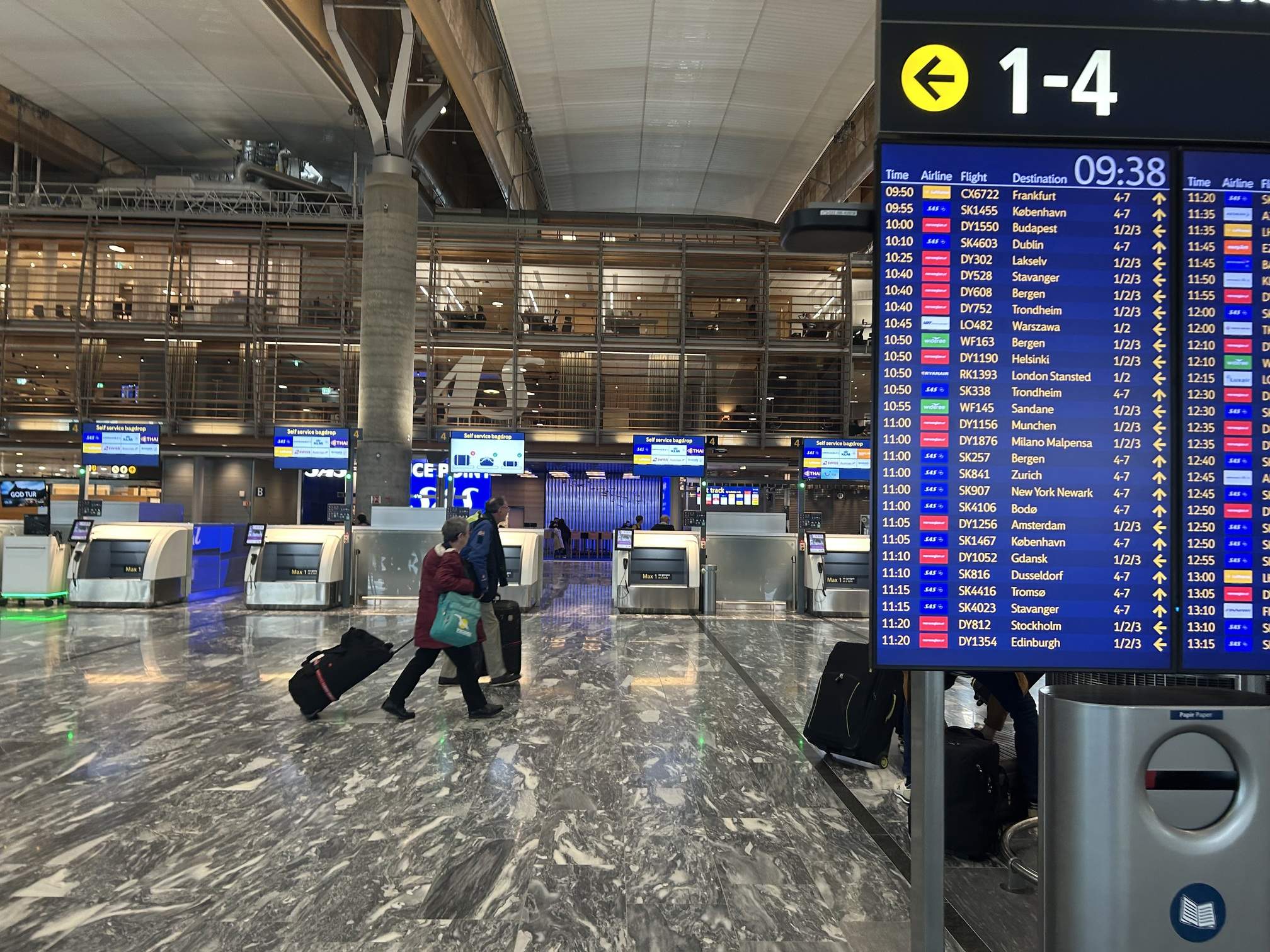

Flying SAS is an experience defined by a powerful, yet cold, automation engine. If your journey is simple, on time, and requires absolutely no assistance, it’s remarkably efficient. If, however, you require a small, human touch—like a fragile sticker—be prepared to navigate the automated system alone.
SAS is a tolerable airline out of necessity, but by prioritizing machine-like efficiency over basic hospitality, it sacrifices the very human connection that converts a one-time passenger into a loyal, dedicated customer.