Sushiro Review: Good Food, Great Value, and the Queue Conundrum

2026 Update: The Digital Deep-Dive and the 30-Minute Grace Period
I finally returned to Sushiro four months after my first visit. This time, I arrived with a bit more “technical curiosity” and a mission to solve the queue once and for all. If you are a regular diner in Bangkok, here are the latest “quality of life” discoveries for your next sushi run.
The App Barrier (Expat Edition)
Sushiro has an official reservation app, but there is a frustrating catch for those with foreign app stores. My phone is linked to the Malaysia App Store, which surprisingly allows me to download the Sushiro apps for Malaysia, Singapore, Indonesia, Hong Kong, and Taiwan—but the Thailand version is strictly region-locked.
If you can access the Thai app, it offers two golden options:
- “Go Later”: Book a specific time slot in advance.
- “Go Now”: Get a digital queue ticket while you are on the way.
- Note: Even with an app booking, you still need to check in at the physical machine at the branch to get your “activated” slip.
A Friday Night Success Story
On a recent Friday at CentralwOrld, the contrast between the two sushi giants was clear. By 6:00 PM, Katsu Midori’s mobile queuing (via the QueQ app) had already shut down—they were full for the night and stopped accepting new bookings.
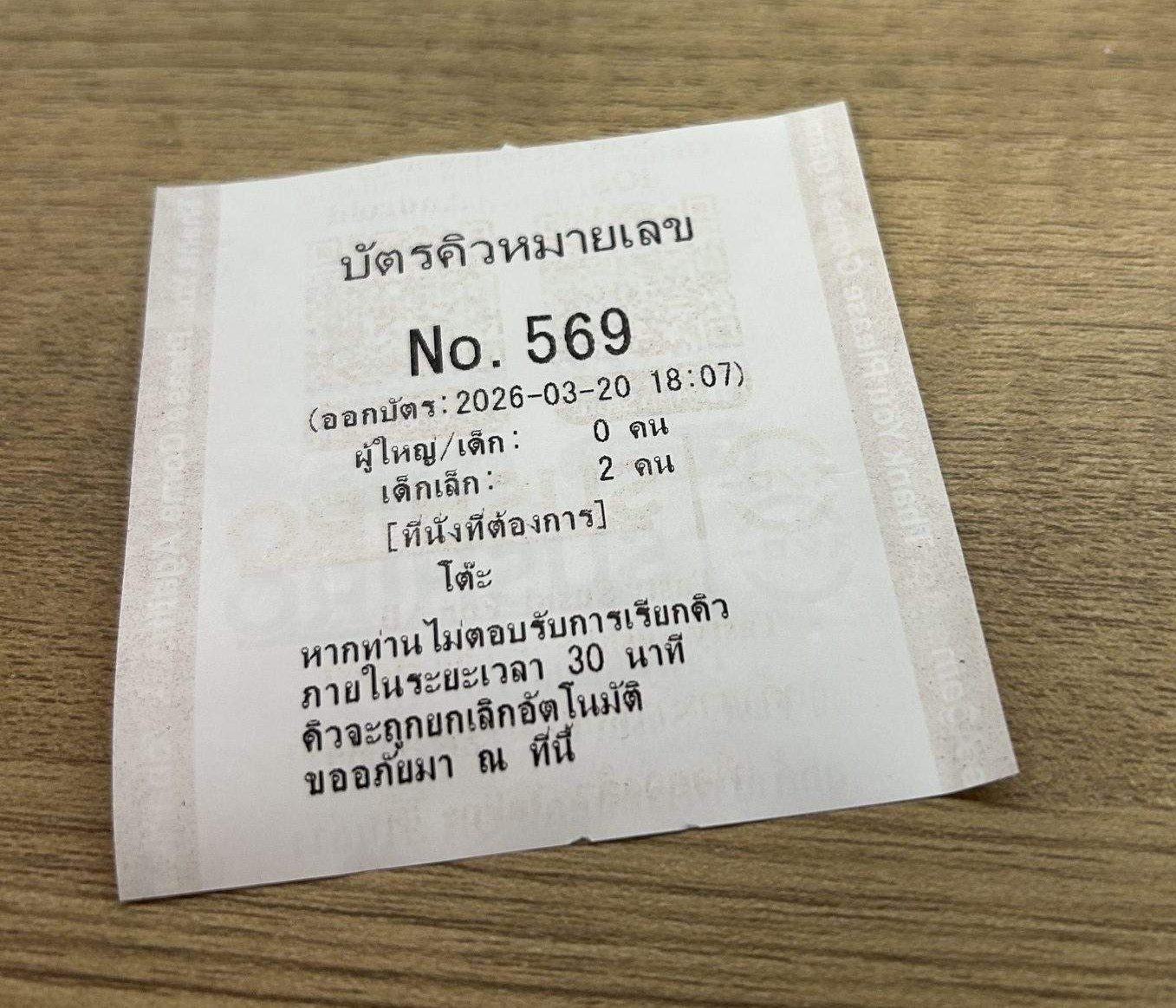
I turned to the Sushiro machine. In my haste to navigate the Thai-only interface, I accidentally registered us as “2 Small Children” (เด็กเล็ก). I retreated to my usual waiting spot at TK Park to borrow and return books, then doubled back to grab a second “correct” number just in case. As it turns out, the staff didn’t mind the error—they just need an accurate head-count for the table size!
- The Wait: At 6:08 PM, the screen predicted an 85-minute wait. In reality, we were seated much faster than that.
- The 30-Minute Grace Period: I spotted a crucial detail on the physical slip: “If you do not respond within 30 minutes of your number being called, the queue is cancelled automatically.”
- The Hack: This 30-minute window is a total game-changer. Instead of releasing my number to a stranger because my husband is stuck in a meeting or fighting Bangkok traffic, I now know I have a half-hour buffer to keep the reservation alive.
The Bill: Going “All Out”
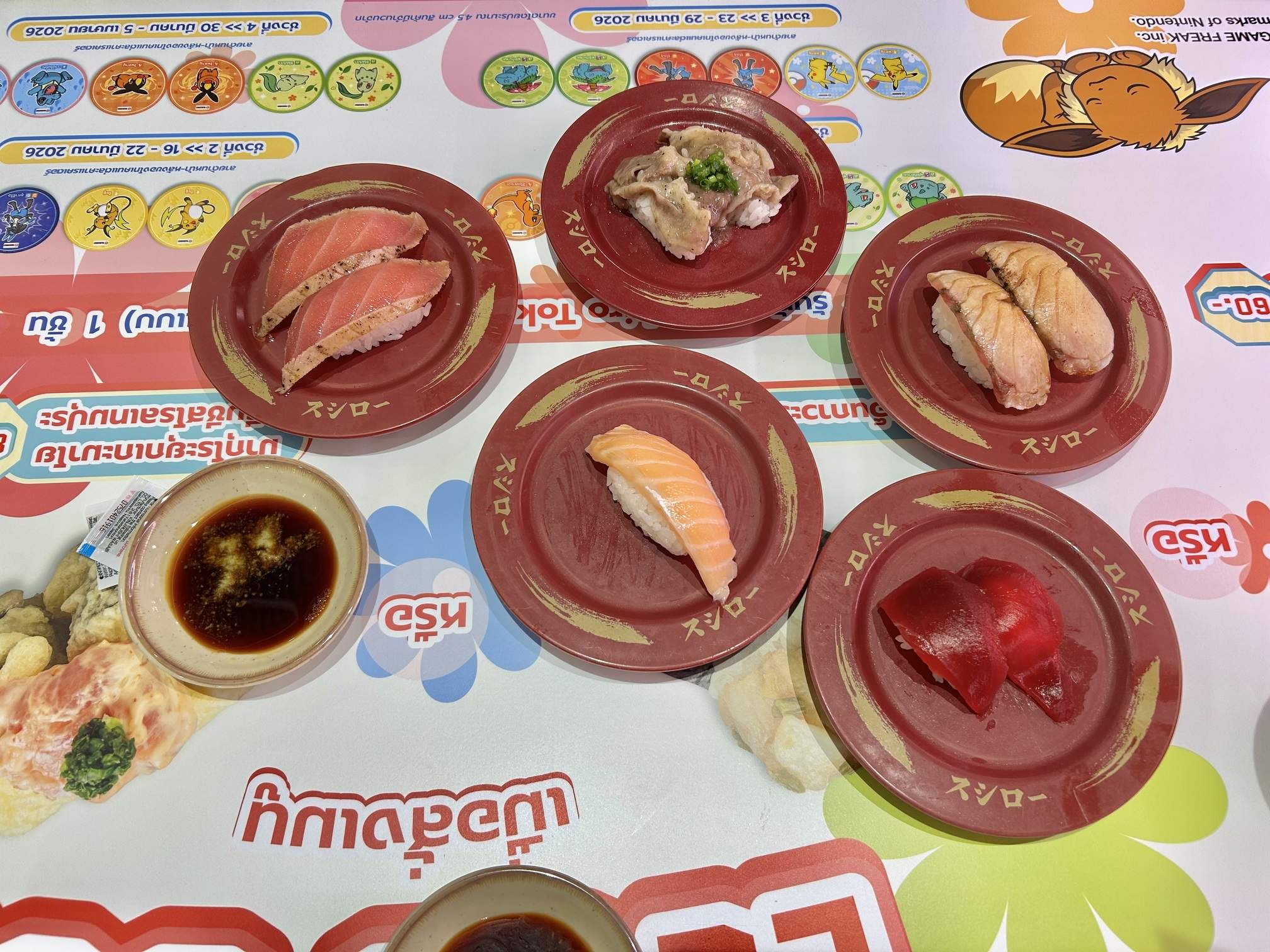
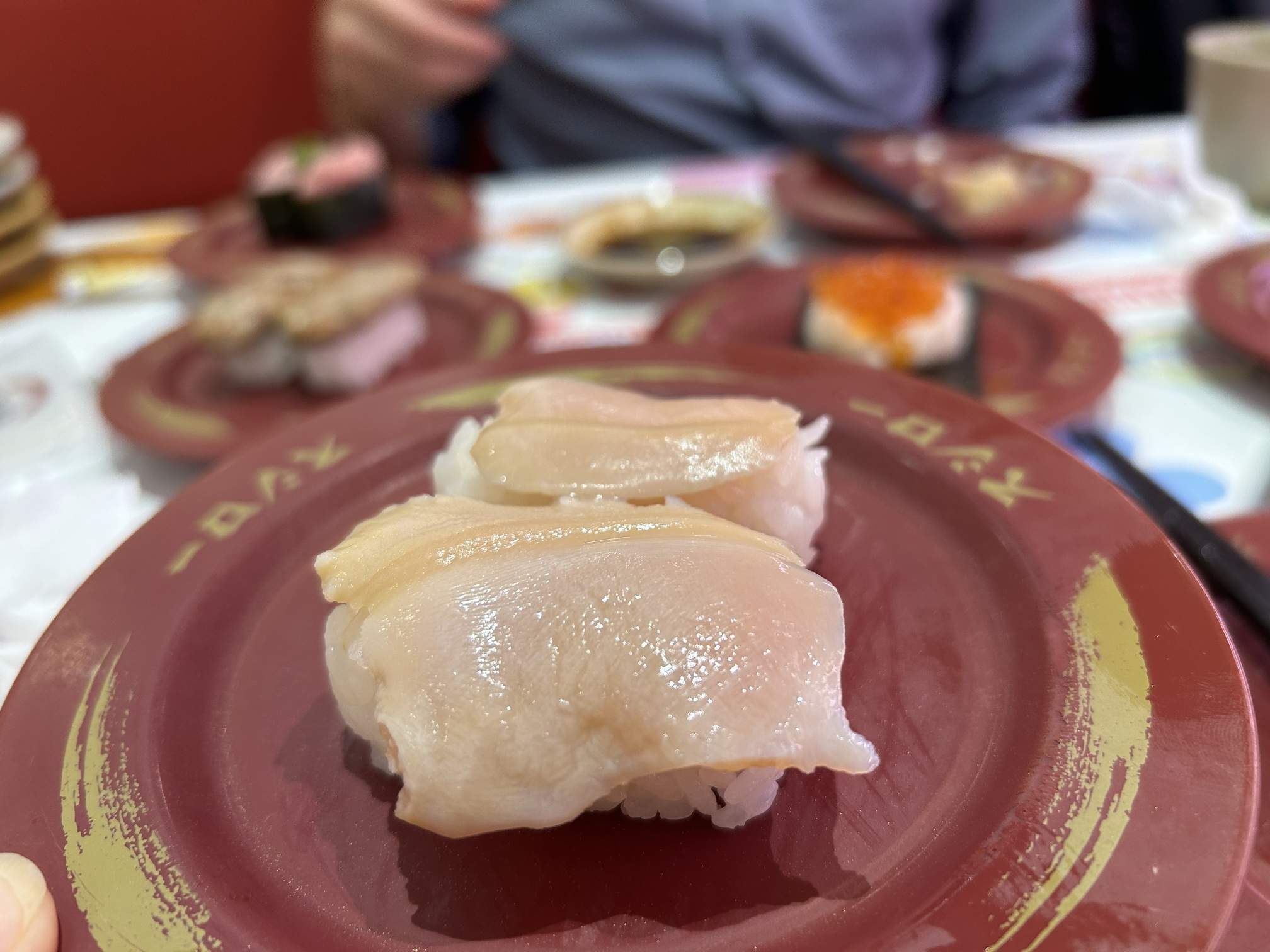
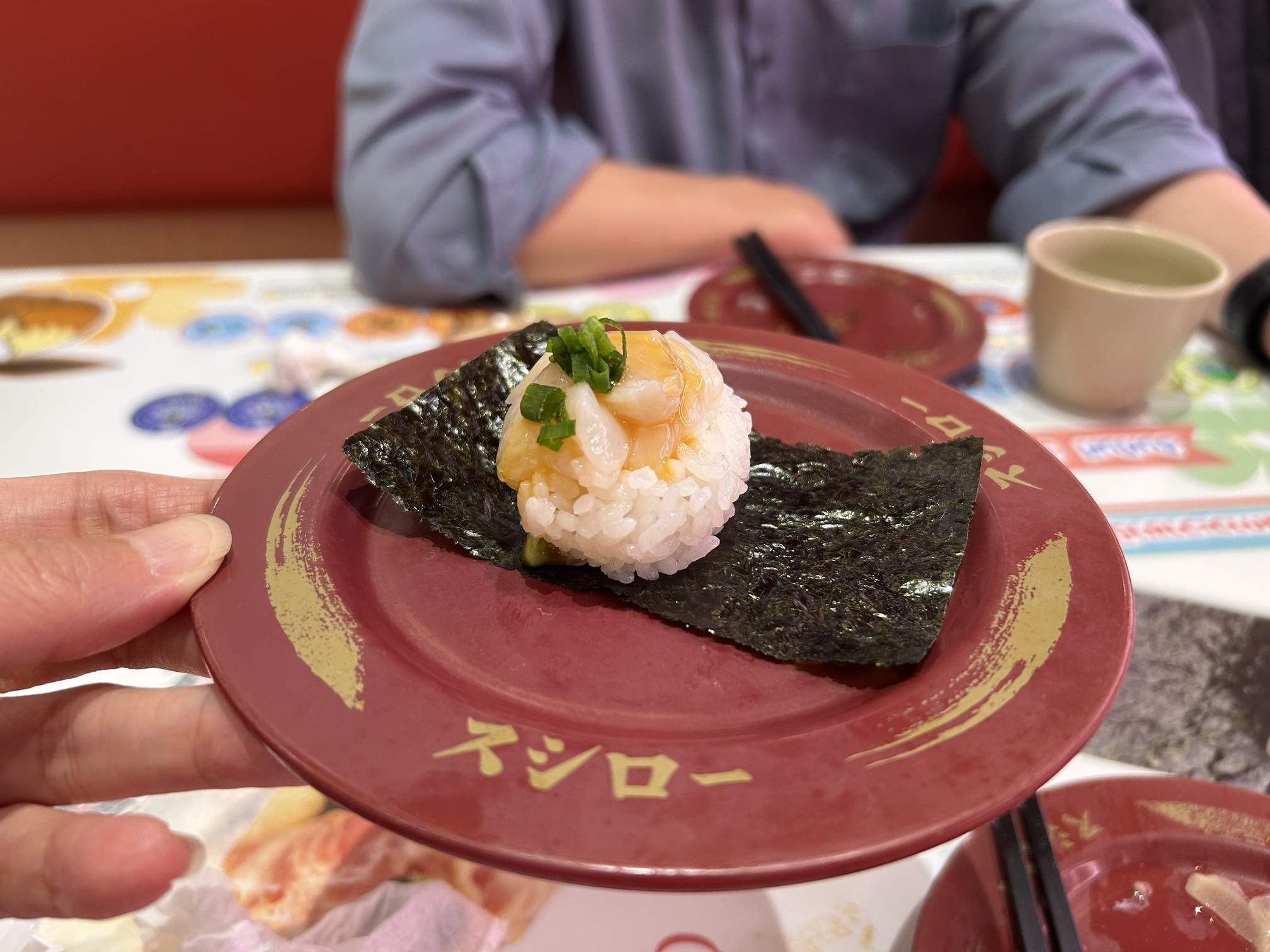
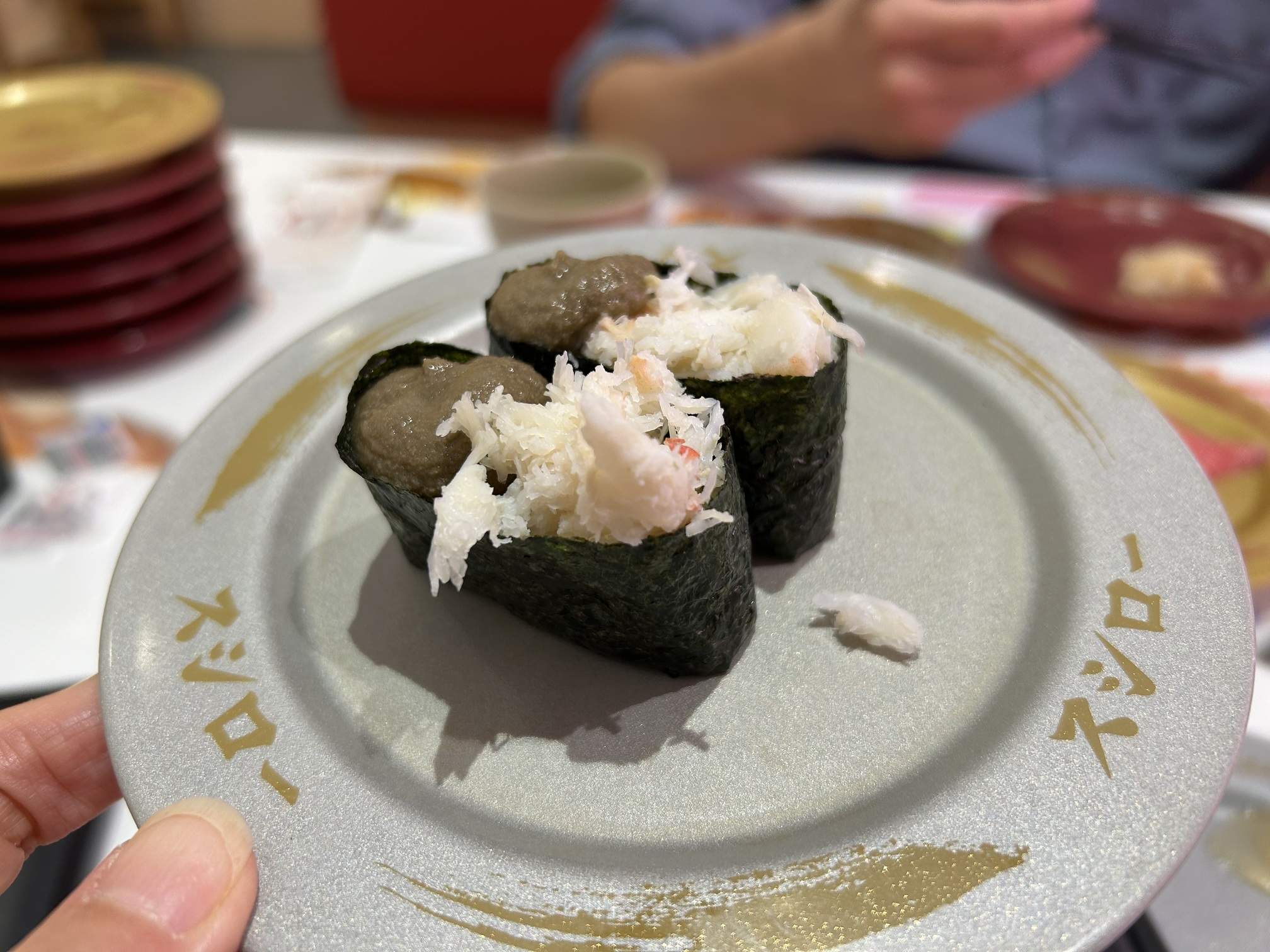
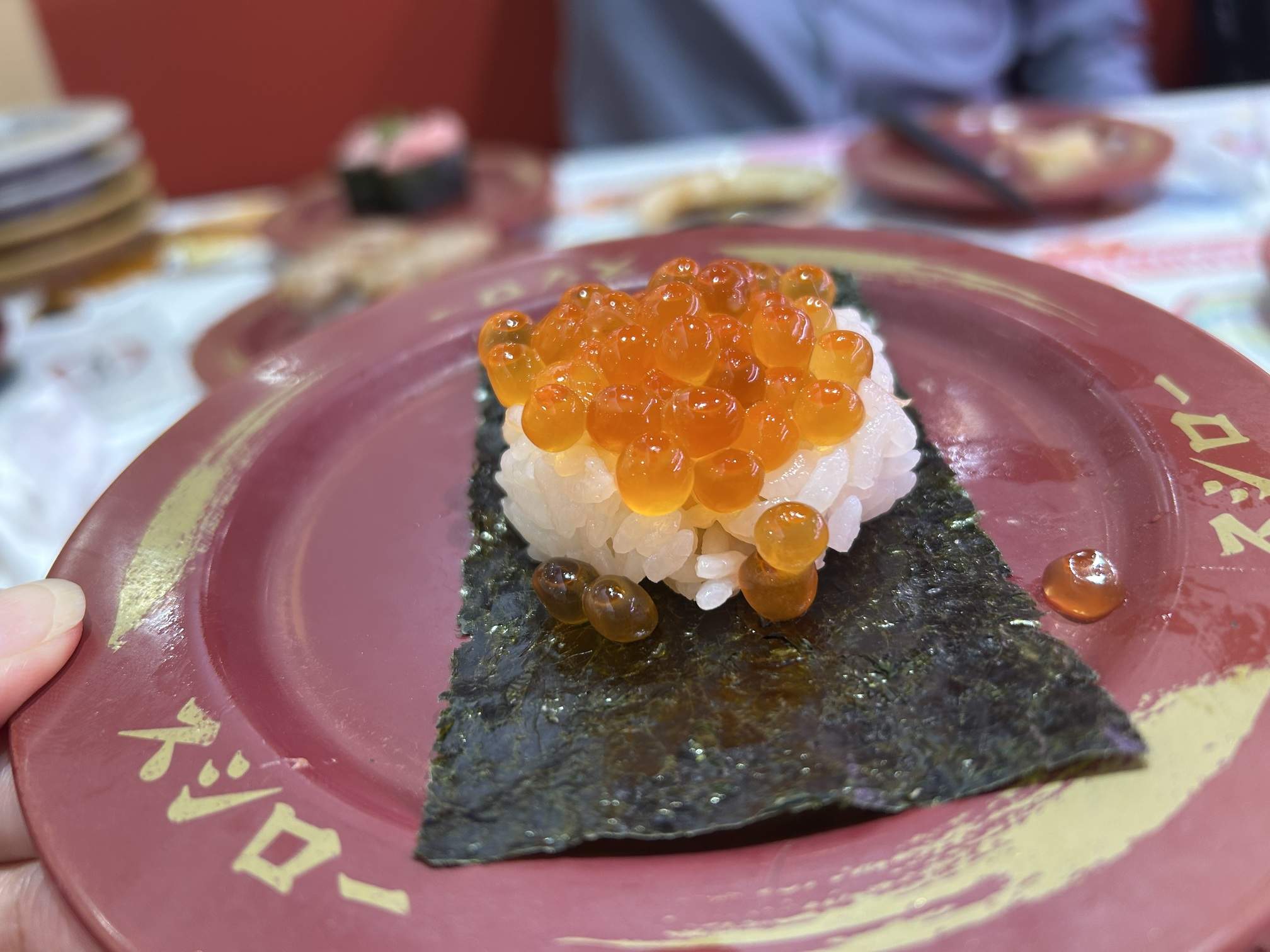
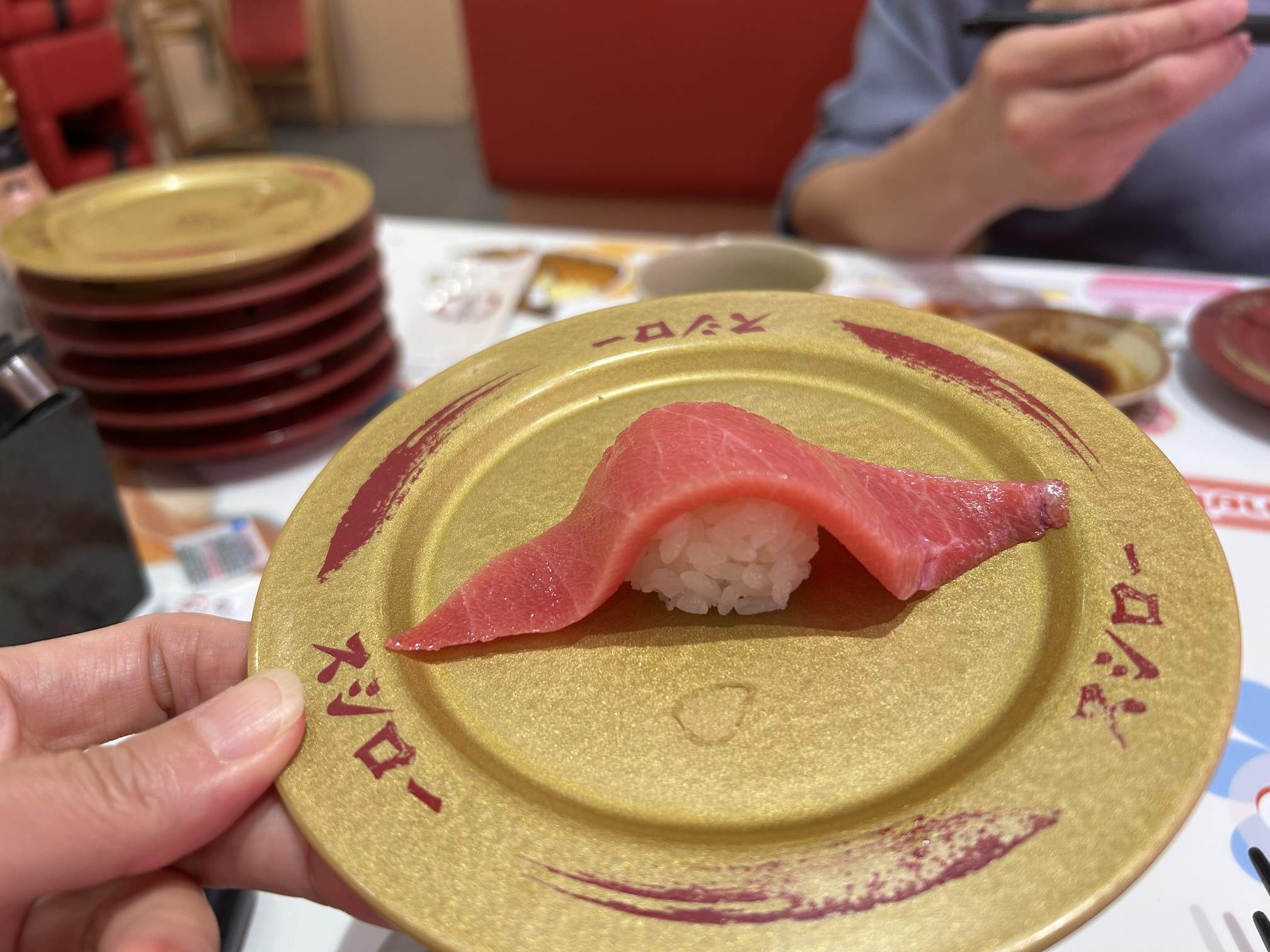
Since we hadn’t had a proper sushi fix in a while, we ignored our previous “budget-only” strategy. We ended up with 30 plates, leaning heavily into the premium red plates and trying out some seasonal specials.
- The Total: 1,518 Baht.
- The Verdict: Even at double the price of our first visit, it felt like a satisfying, high-value meal. While the internal comparison still stands—Sushiro for consistency and convenience, Katsu Midori for superior fish quality—the ease of the Sushiro system makes it the clear winner for a spontaneous Friday night.
Original post: (Nov 2025)
For the longest time, I was completely baffled by the perpetual queues at conveyor belt sushi restaurants like Sushiro and Katsu Midori. The question always was: is this fast-casual food truly worth a multi-hour wait? While I’ve previously committed to the Katsu Midori queue, I recently made the leap to the other side. My curiosity finally won out on a weekday evening, leading me to the Sushiro CentralwOrld branch—a decision prompted only because I had to give up my Katsu Midori number when my husband was delayed in a meeting.
The Queue Experience: A Valuable Hack


I secured my first queue number (388) at 6:45 PM. The system predicted a 70-minute wait, confirming Sushiro’s massive popularity. This waiting time, however, is a huge benefit: it’s considerably shorter than the 2-3 hour wait Katsu Midori often demands, even on a weekday evening!
Around 7:40 PM, my number was close, but my husband hadn’t finished work. I approached a couple and offered them my queue number; they were overjoyed! They graciously offered me their later number (433, obtained at 7:08 PM), just to keep my place in line.
- The Queue Hack: Because Sushiro uses a physical ticket (unlike Katsu Midori’s QueQ app), swapping or trading numbers is simple, making it the perfect waiting wife hack for those weekday nights when your dinner time is uncertain.

My number was finally called at 7:55 PM. Unlike Katsu Midori, the staff offered minimal guidance for first-timers, which is understandable given Sushiro has been operating in Thailand since 2021 and likely assumes a high rate of repeat customers. Despite the peak hour dining sign, the 60-minute limit wasn’t strictly enforced once the dinner rush subsided.
Dining at the Belt: Quality and Cost Breakdown


We placed our orders using the provided tablet, limited to four dishes per order. When the first dishes arrived, I was alone and completely missed the delivery! The staff had to alert me, as I didn’t realize the express belt is situated right above the regular, circulating belt.


We focused heavily on the red plate (40 baht) to keep costs down. The white plates (30 baht) are primarily for vegetarian options and crab stick rolls. We supplemented with some of the 80 baht and 100 baht salmon and tuna sushi trios.


The Wallet Check: We finished with 16 plates in total, and the bill came to a very respectable 858 baht. This definitively confirms Sushiro as an incredibly affordable eat. For payment, diners need to stack the plates according to plate colour, and the staff will come to count and scan them to a payment card, before you head to the counter to complete the transaction.
What We Tasted
| Category | Highlights | Lowlights |
|---|---|---|
| Favorites | The boneless short rib beef with salt, salmon belly with radish, and red snow crab wrap were the most successful plates. | Not a big fan of their hamburg with cheese sushi. |
| Value | 16 plates for 858 baht is excellent value. | |
| Quality Notes | Rice Options: Sushiro allows a mini/less rice option, but it’s limited to certain menu items, whereas Katsu Midori (from memory) allows this flexibility across all or most of their sushi menu, which is better suited for a carbohydrate reduction diet. | Both the wasabi and green tea were notably weak in flavor, which detracts slightly from the experience. |
The Verdict: Sushiro vs. Katsu Midori
My husband (who had tried Sushiro before Katsu Midori) knew my preference would lean toward the competition, and he was correct.
Sushiro’s primary strength is its price, accessibility, and significantly shorter wait time. The 40-baht plates make it truly budget-friendly, and it boasts more branches across the city than Katsu Midori (which is limited to CentralwOrld, Dusit Central Park, and Mega Bangna).
Katsu Midori still holds the clear upper hand in quality. It offers superior fish and preparation, even while remaining competitively priced, and is more flexible with custom orders like the less-rice option.
The Final Takeaway: While Katsu Midori delivers a better overall product, I wouldn’t hesitate to return to Sushiro for a quick, budget-focused meal when convenience and a guaranteed shorter queue are my main priorities.