A Photography Journey to Papan and Tronoh

My younger brother was the one who first sparked my husband’s interest in Papan. After doing some extensive research, my husband became fascinated by the town’s visual potential, though he was baffled by the conflicting news online. Many vloggers still claim the town is “radioactive”—a claim that left him wondering: If it were truly dangerous, why are there still residents living there today, and is it safe to visit?
Reading further, we discovered Papan’s poignant history. Like many mining towns in the Kinta Valley, it is a place where commercial interests once took precedence over livelihoods. The 1982 Bukit Merah radioactive pollution incident is the root of these stories; while the waste trenches were originally planned for Papan, fierce community protests eventually moved the site elsewhere.
Today, the claims of Papan being a “radioactive ghost town” feel more like sensationalist clickbait than fact. We hope future content creators will fact-check before spreading such unsettling rumors.
⚠️ Papan’s History vs. Internet Hype: Is it Still Radioactive?
If you search for Papan on social media, you’ll find no shortage of videos claiming it is a “Radioactive Ghost Town.” For photographers and travelers, it’s important to separate the tragic history from the modern-day reality.
- The Origin: The 1982 Bukit Merah Incident The rumors stem from a real environmental tragedy involving Asian Rare Earth (ARE). In 1982, the factory began extracting rare earth elements, producing thorium (radioactive waste). When the government proposed a waste storage trench in Papan in 1984, about 3,000 residents staged massive protests and hunger strikes, successfully blocking it. The waste was eventually relocated to the Kledang hills.
- Hype: “The Town is a Death Trap” Many vloggers claim Papan was abandoned due to radiation. This is incorrect. The true cause of decay was the global tin price collapse in 1985. When the mines closed, the economy died, and people moved away for work.
- The Verdict: Is it Safe? Yes. A massive US$100 million cleanup was completed in 2011. The waste is entombed in a permanent, monitored repository far from the town’s main street. Papan is a “ghost town” because of economics, not radiation.
Exploring the “Town That Time Forgot”

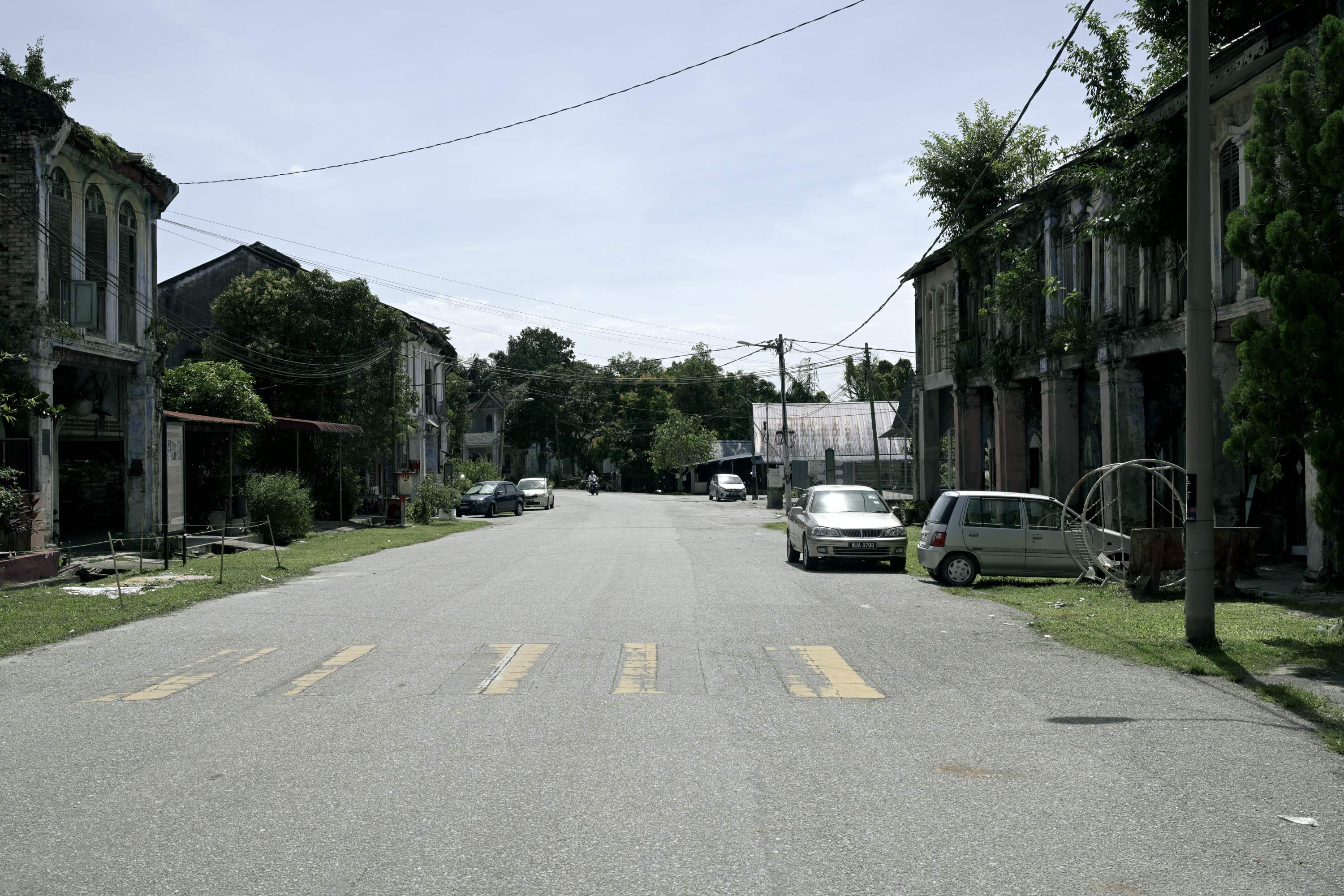
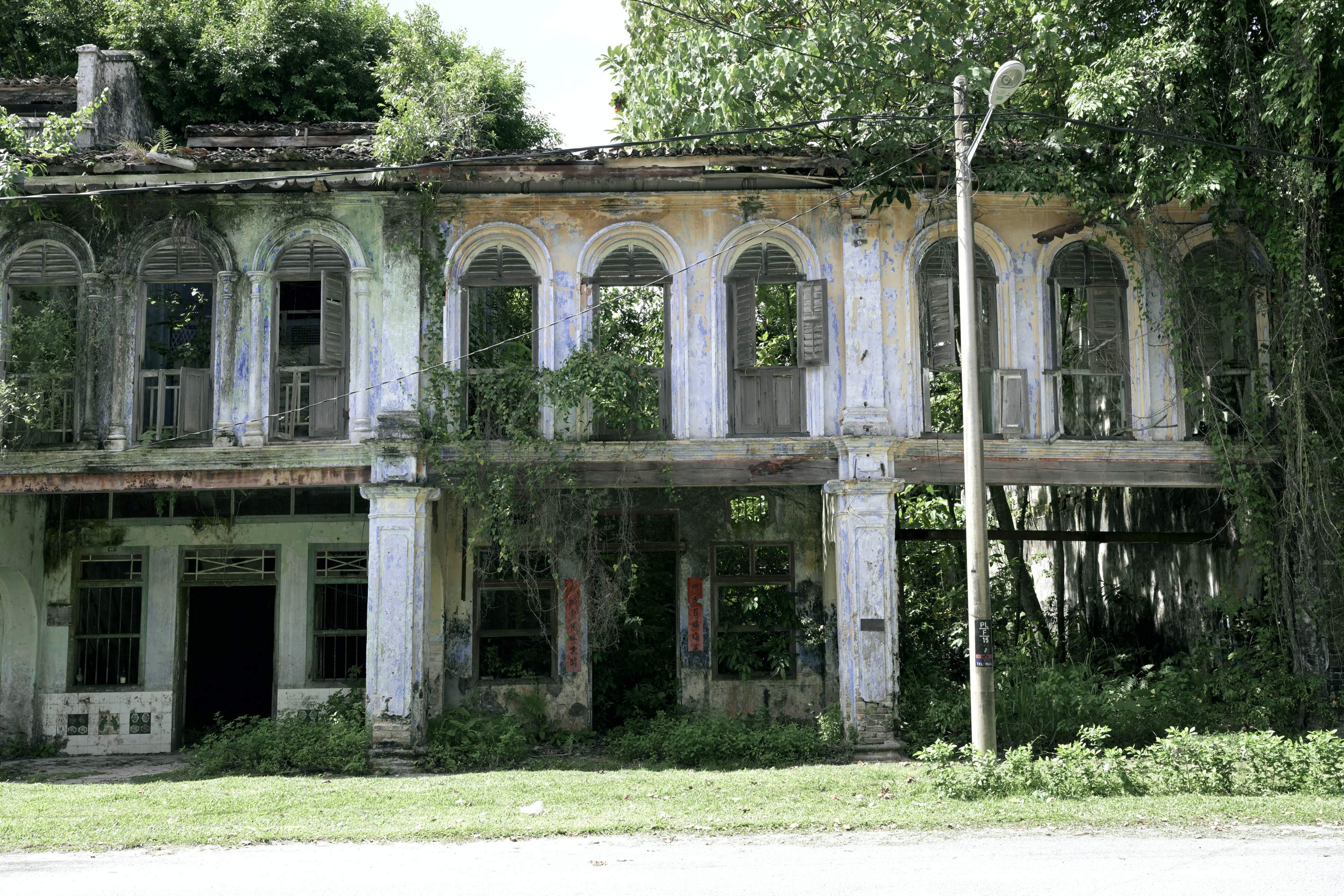
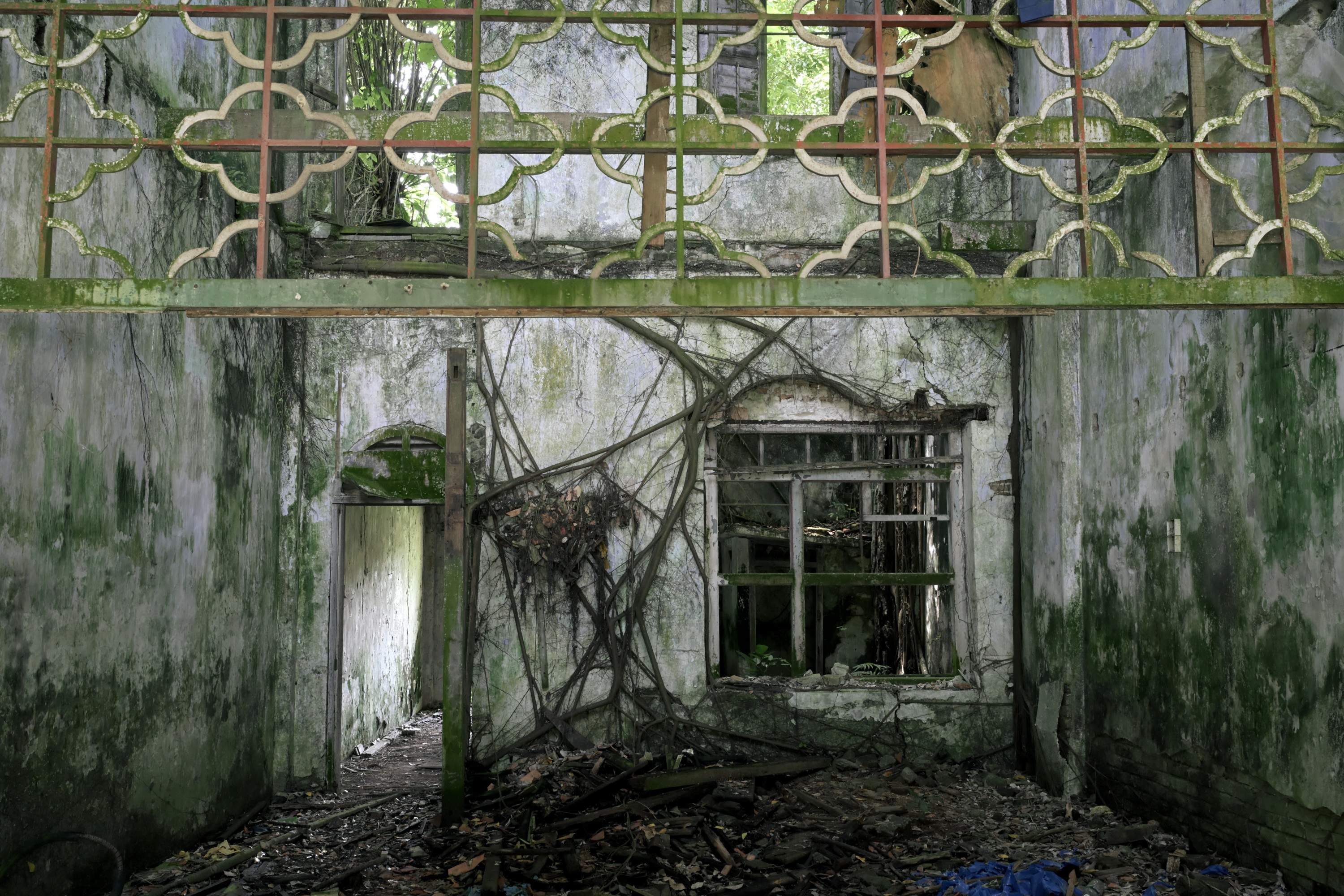
Papan is a small village, about a 30–40 minute drive from Ipoh. It consists essentially of two rows of pre-war shoplots. While many are abandoned and crumbling, the town is far from empty. We saw other visitors during our stay—including foreigners who tend to zip in and out—but we spent hours there, two consecutive days, while my husband took a gazillion photos.
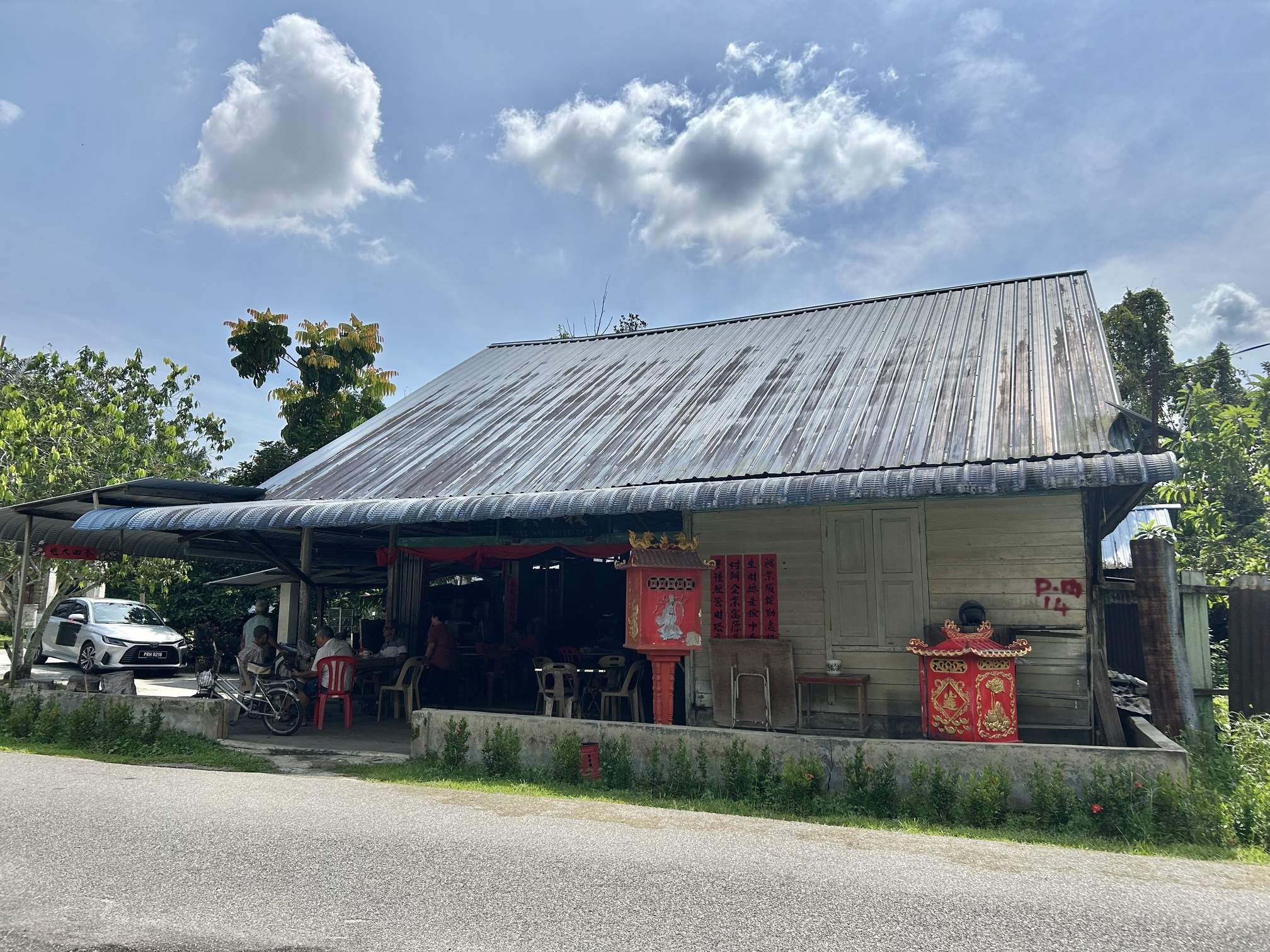
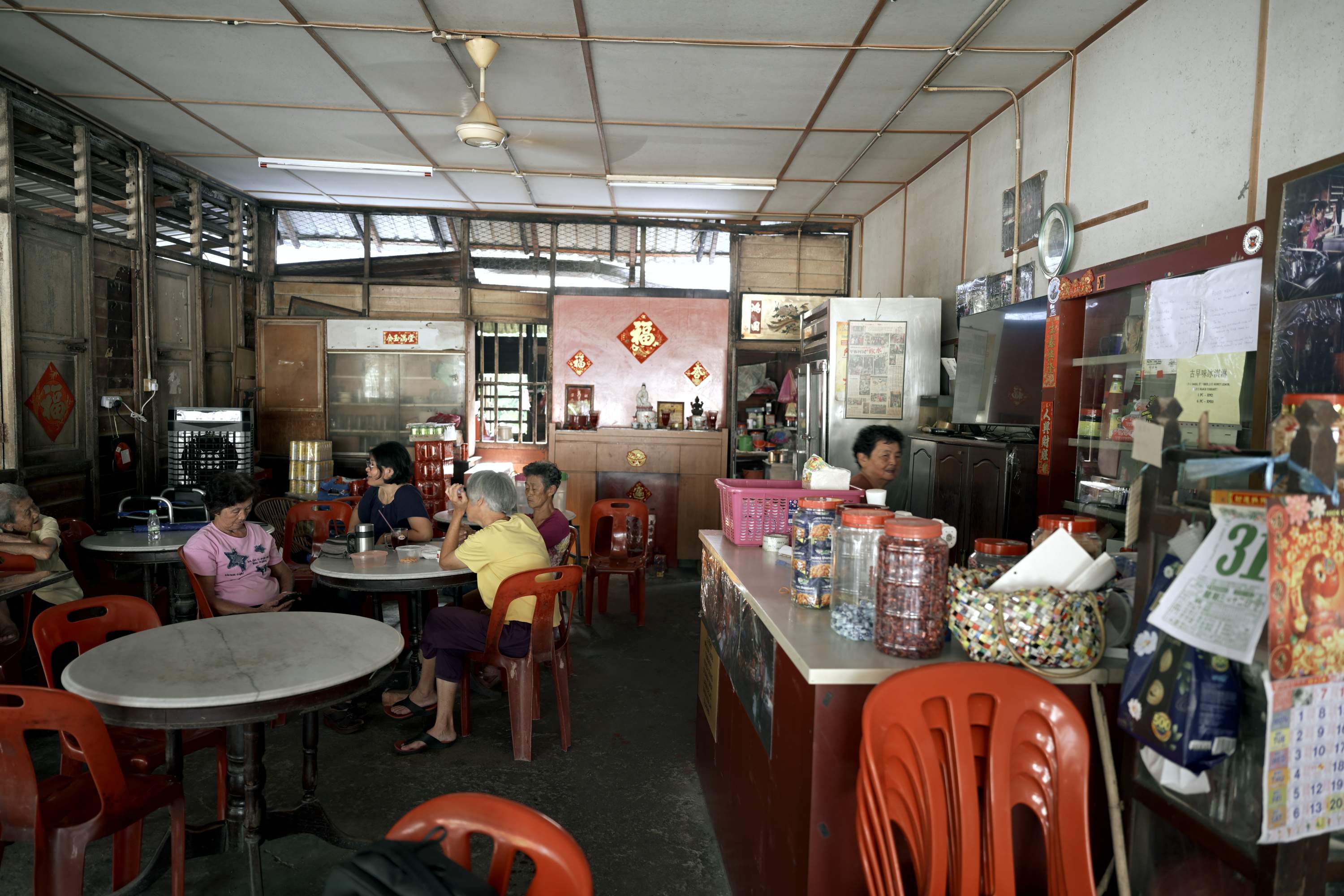
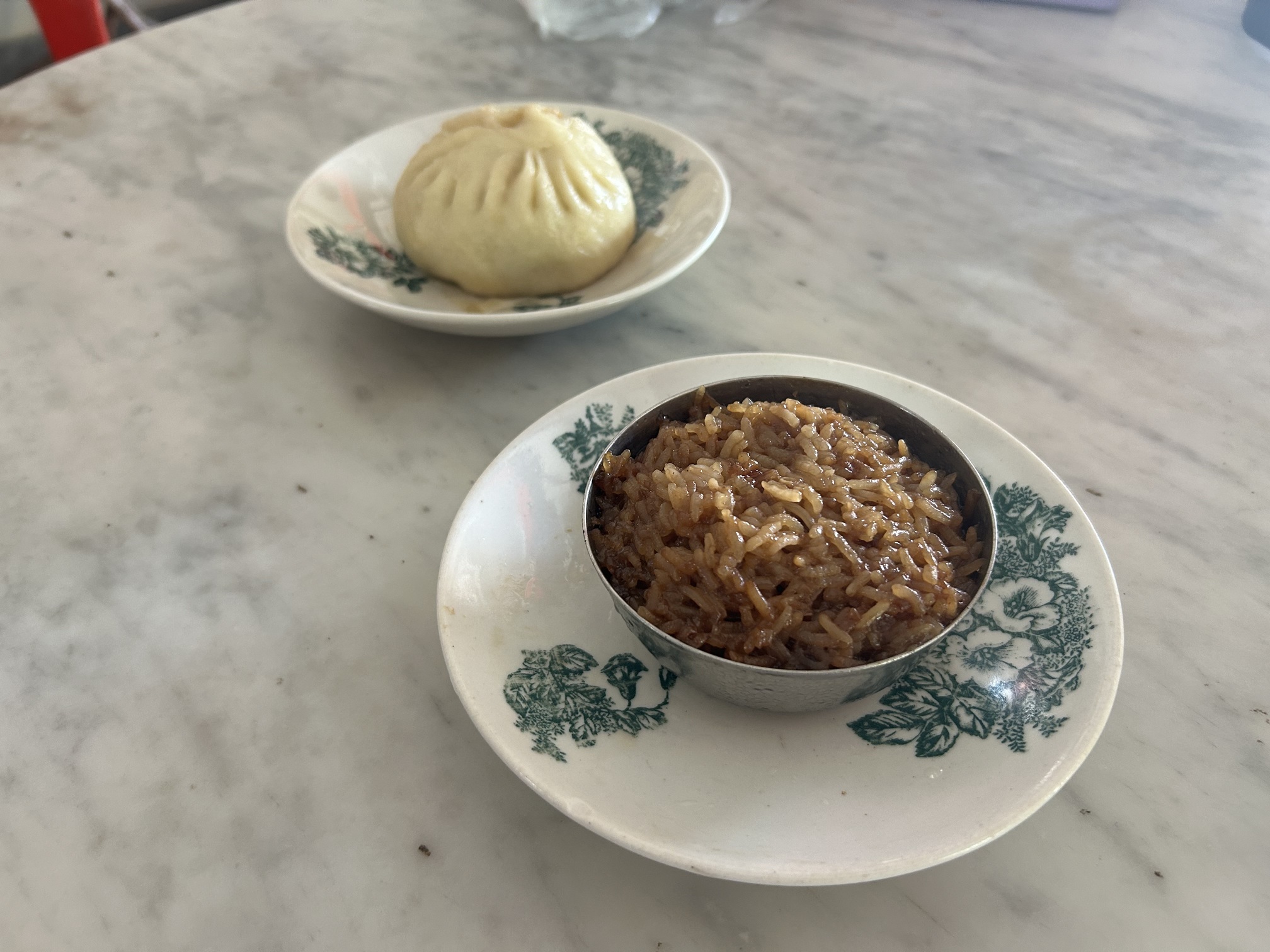
The heart of the village is the local Yee Hin coffee shop (义兴茶室) (Open 6:00 AM – 4:00 PM daily), where residents sit and chat over traditional coffee. There’s no formal menu—just pao and lor mai kai. Noticing the language barrier, I offered to write down an English menu for the elderly staff to help with foreign tourists, many of whom arrive via Grab (the fare was roughly RM 16 from Ipoh on New Year’s Day morning).
Attraction Spots in Papan:
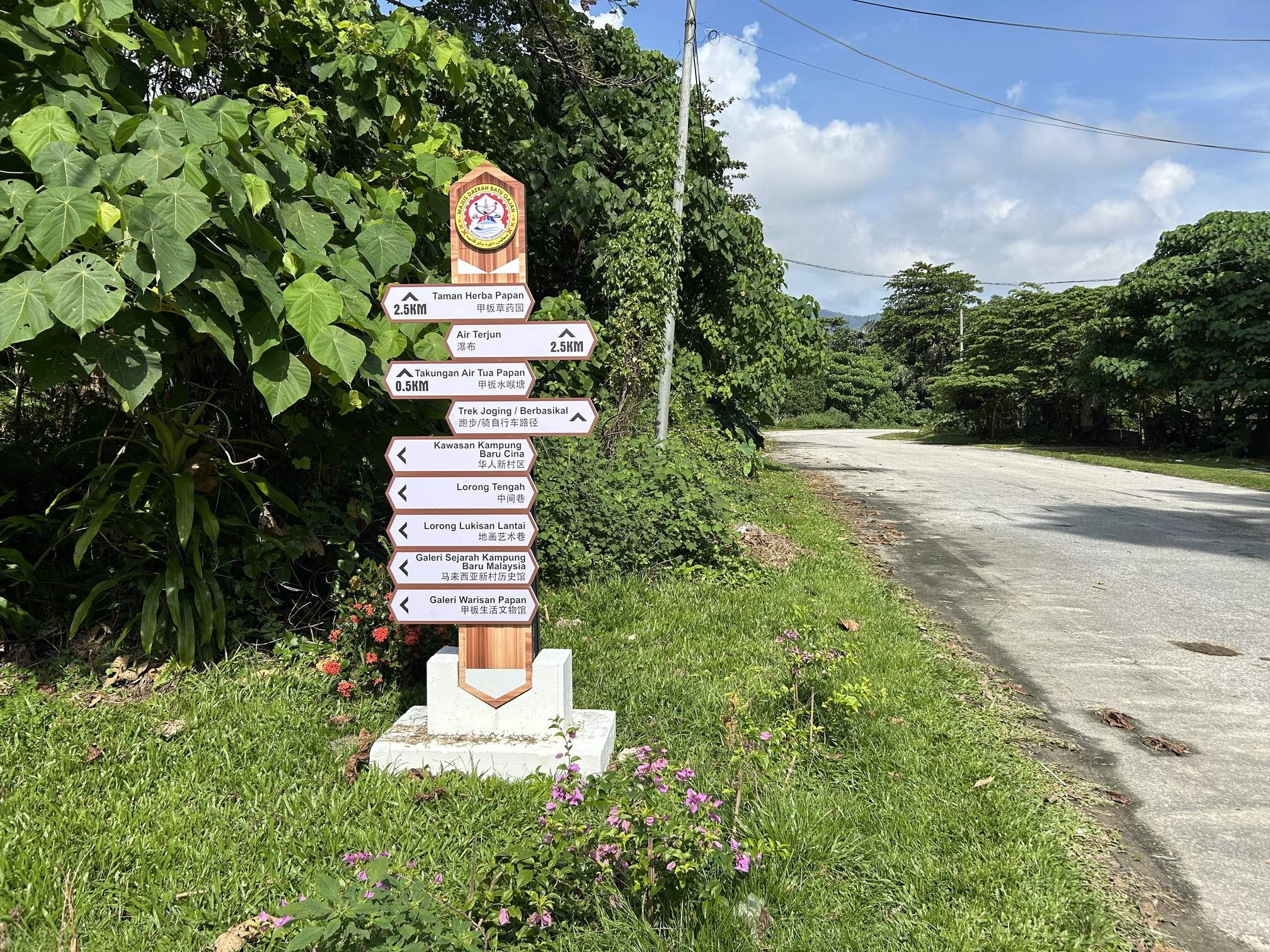
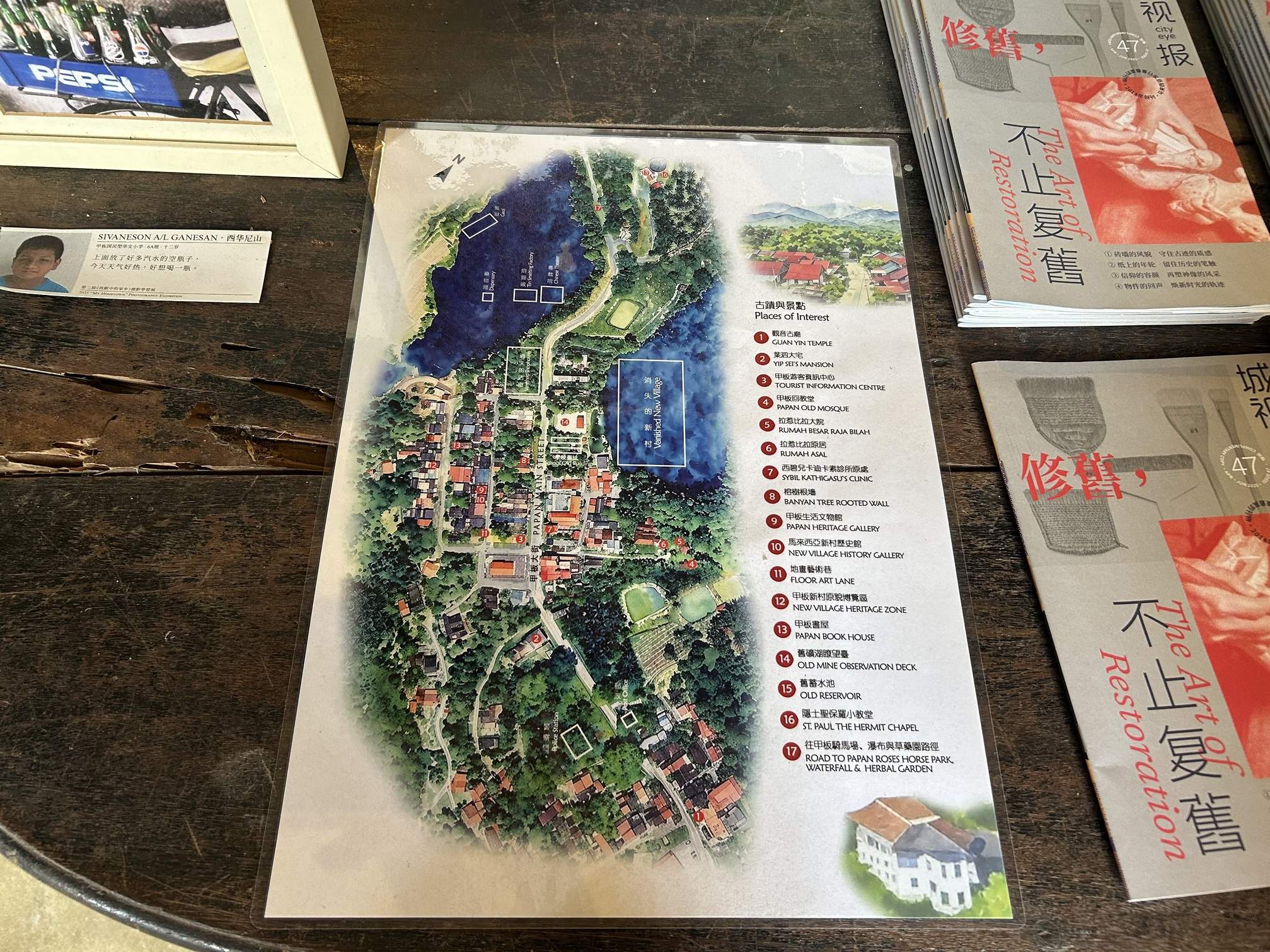
There are 17 place of interests listed, and we covered some, if not most of it.
Our top favorites:
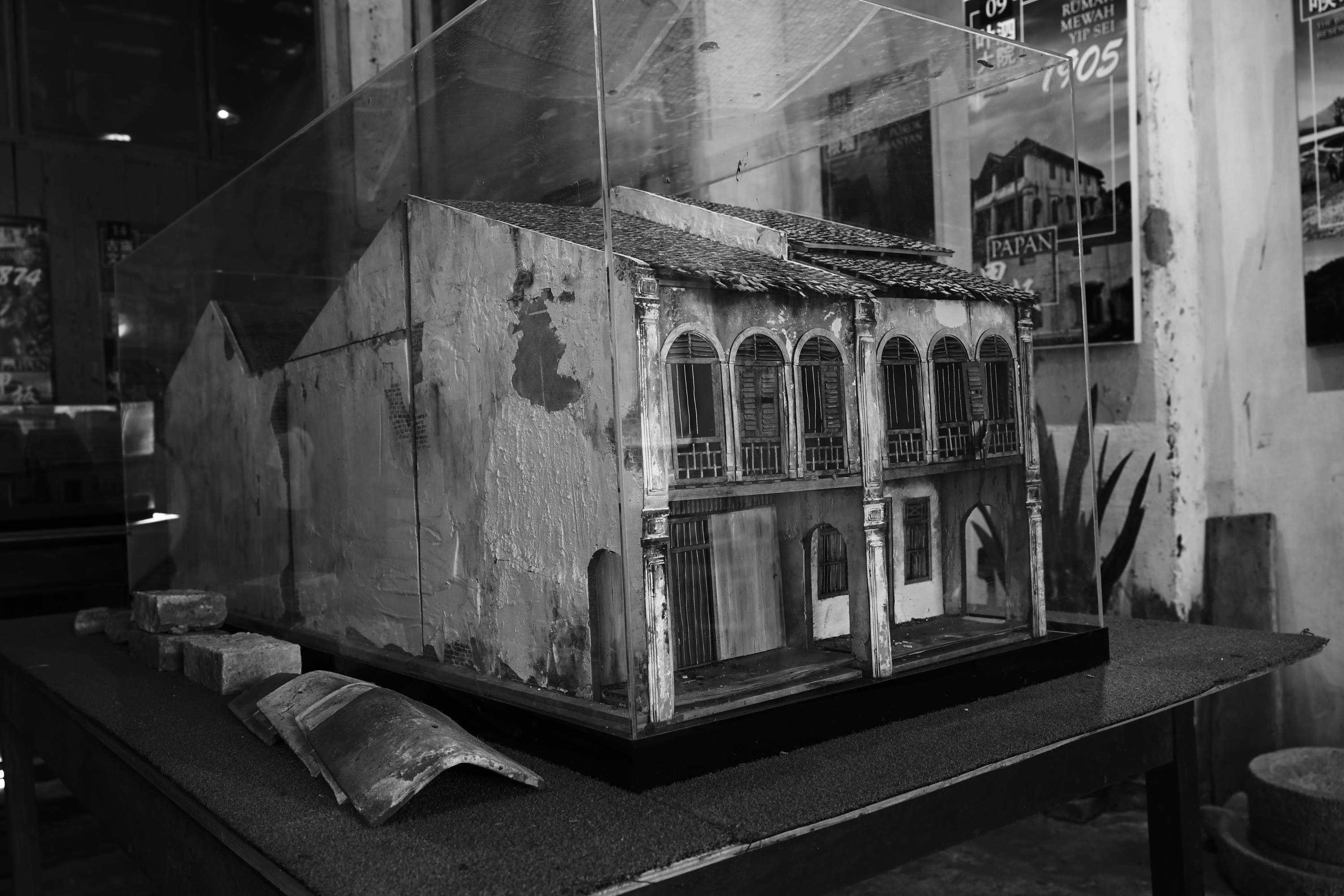
The Tourist Info Centre: Beautifully maintained with a great photo opportunity at the back.
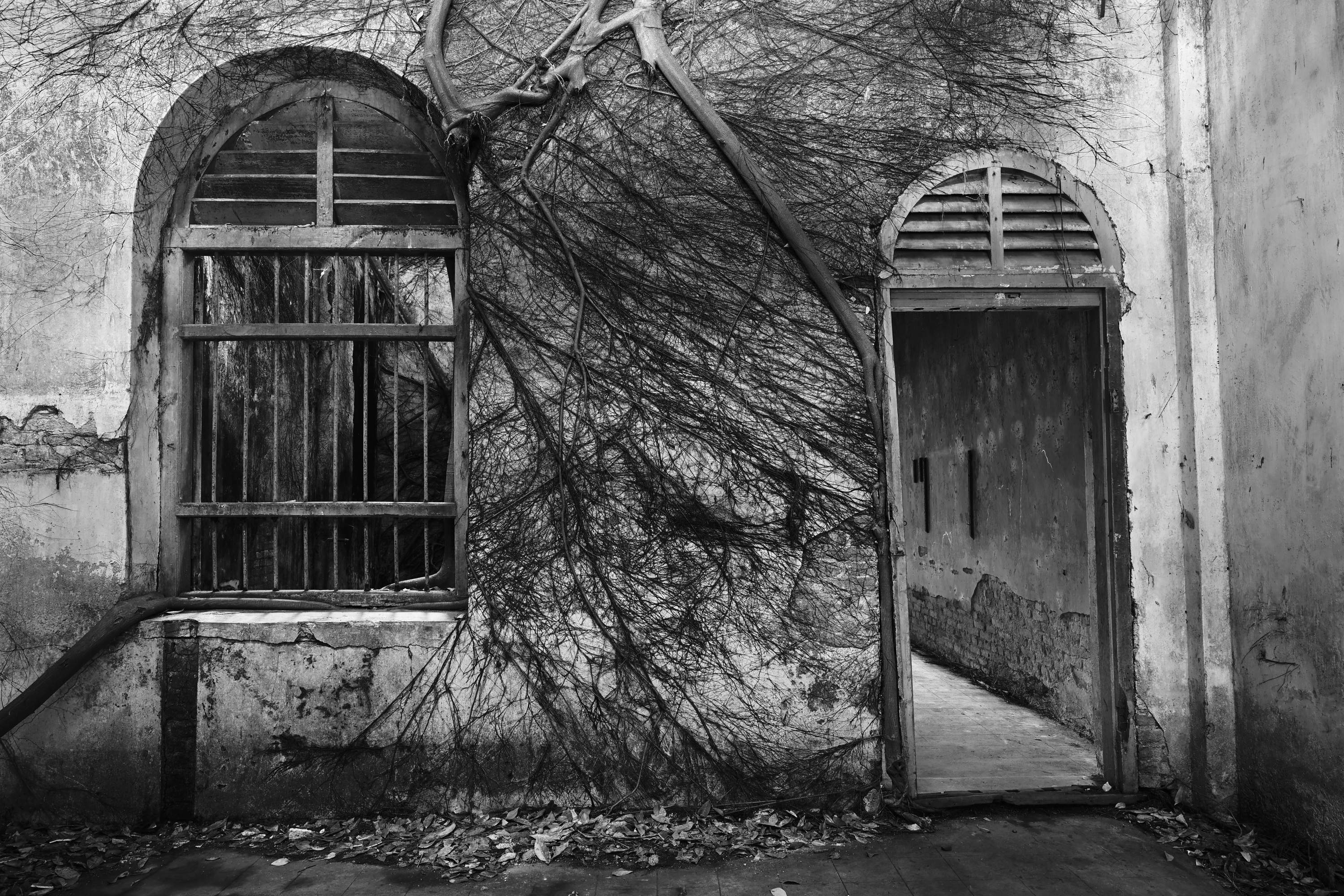
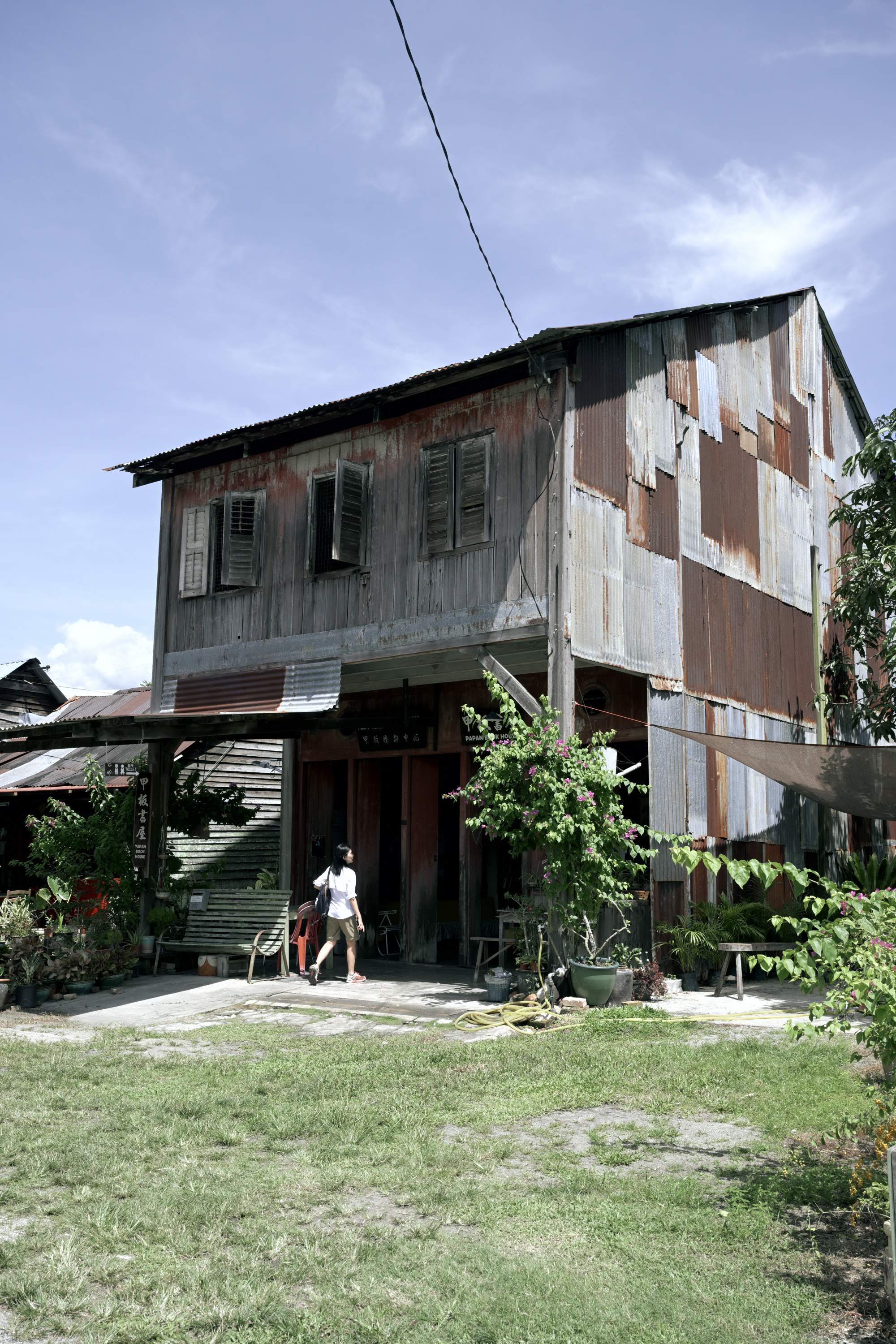
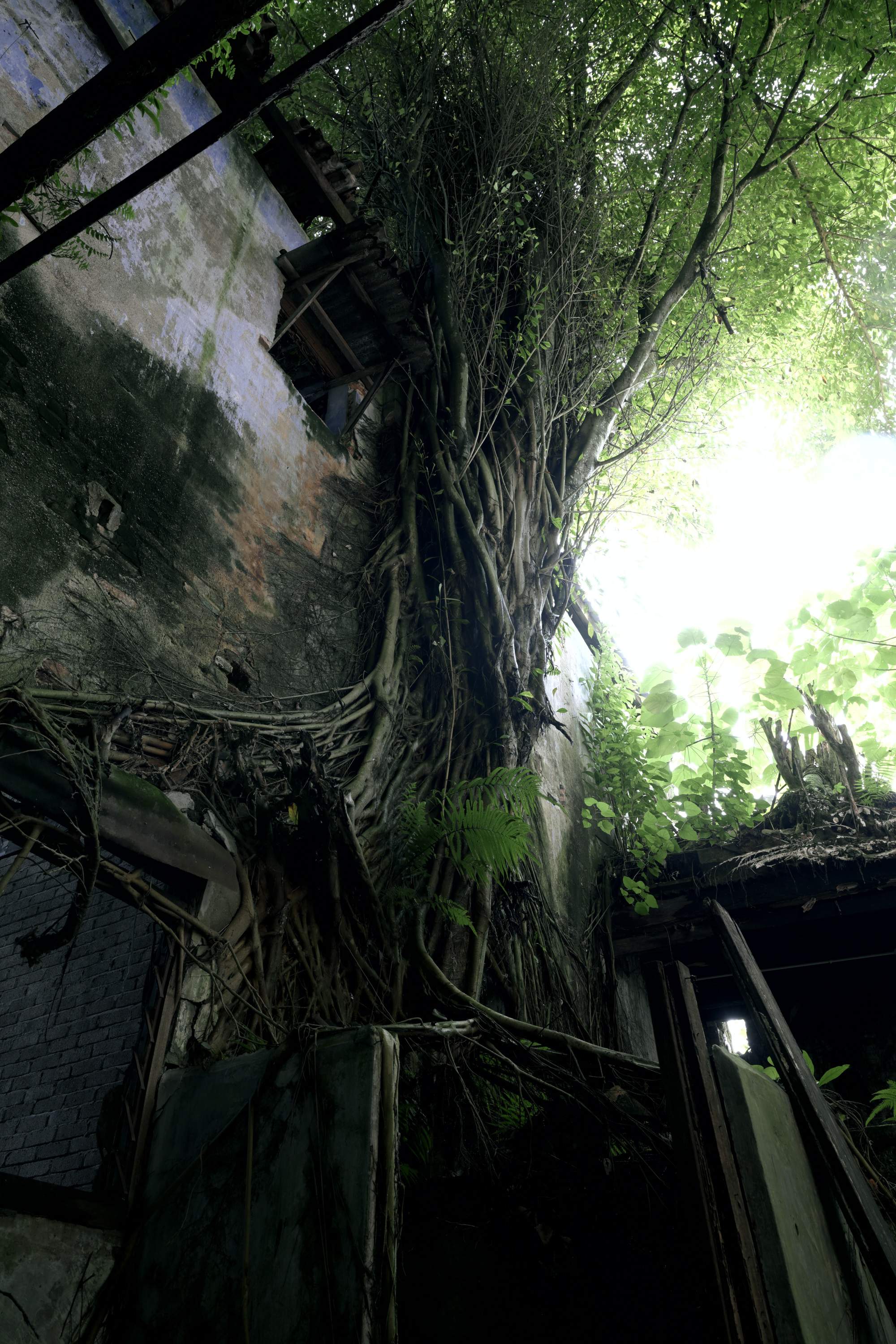
Banyan Tree Rooted Wall & Papan Book House: Nature reclaiming the architecture makes for stunning photography.
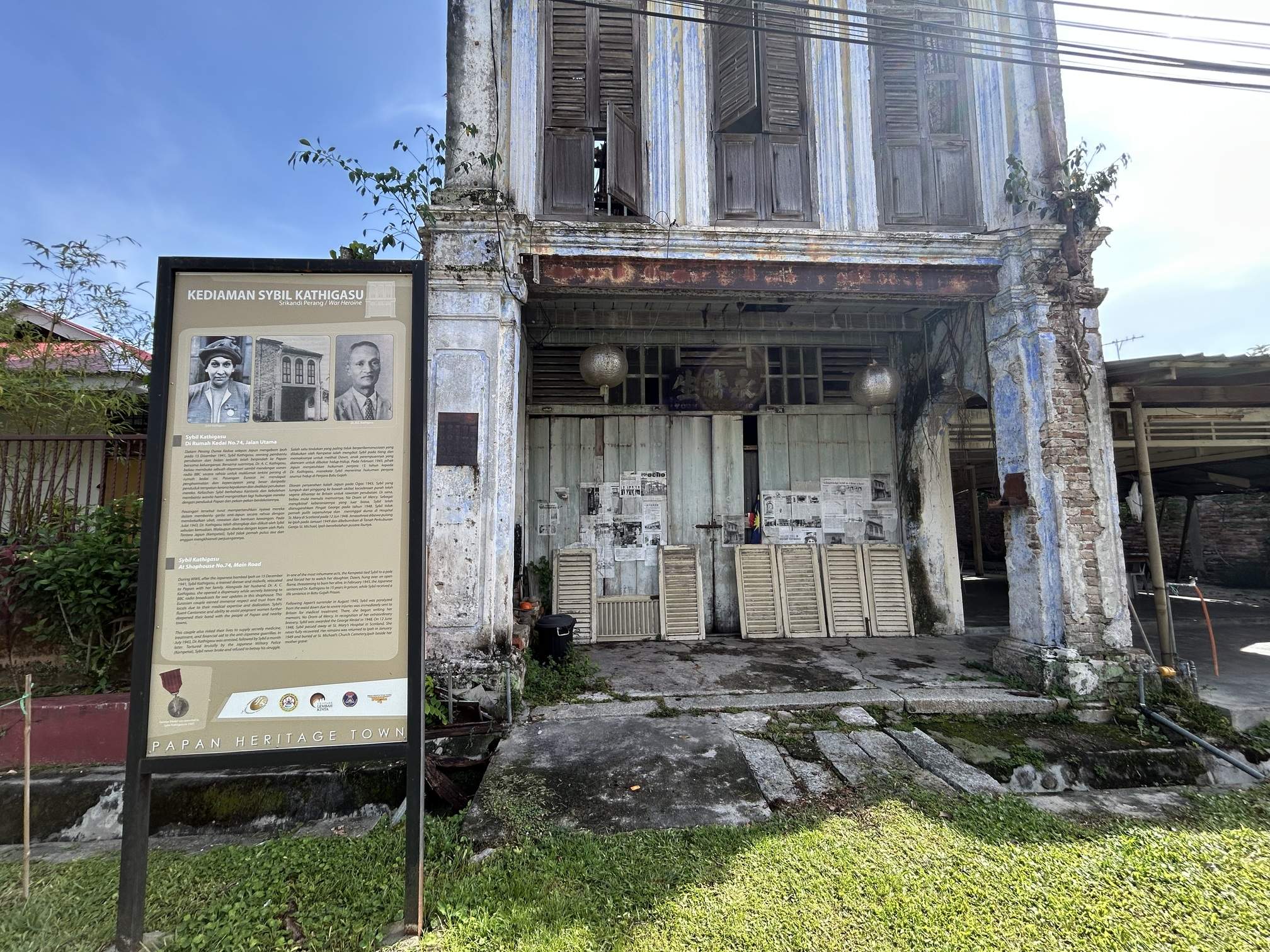
Sybil Kathigasu’s Clinic: A stop worthy of its heavy history; Sybil was a WWII hero who treated resistance fighters.
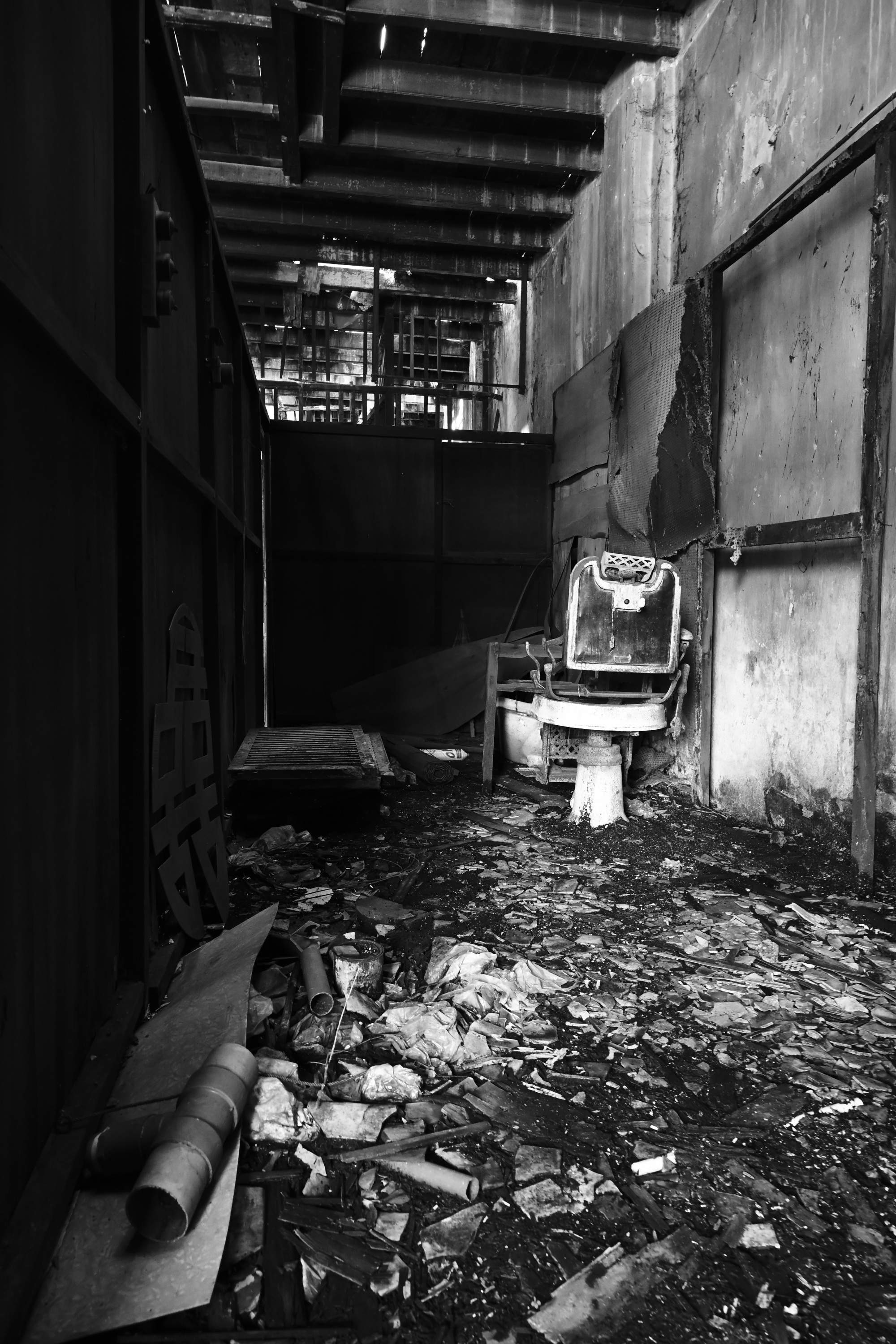
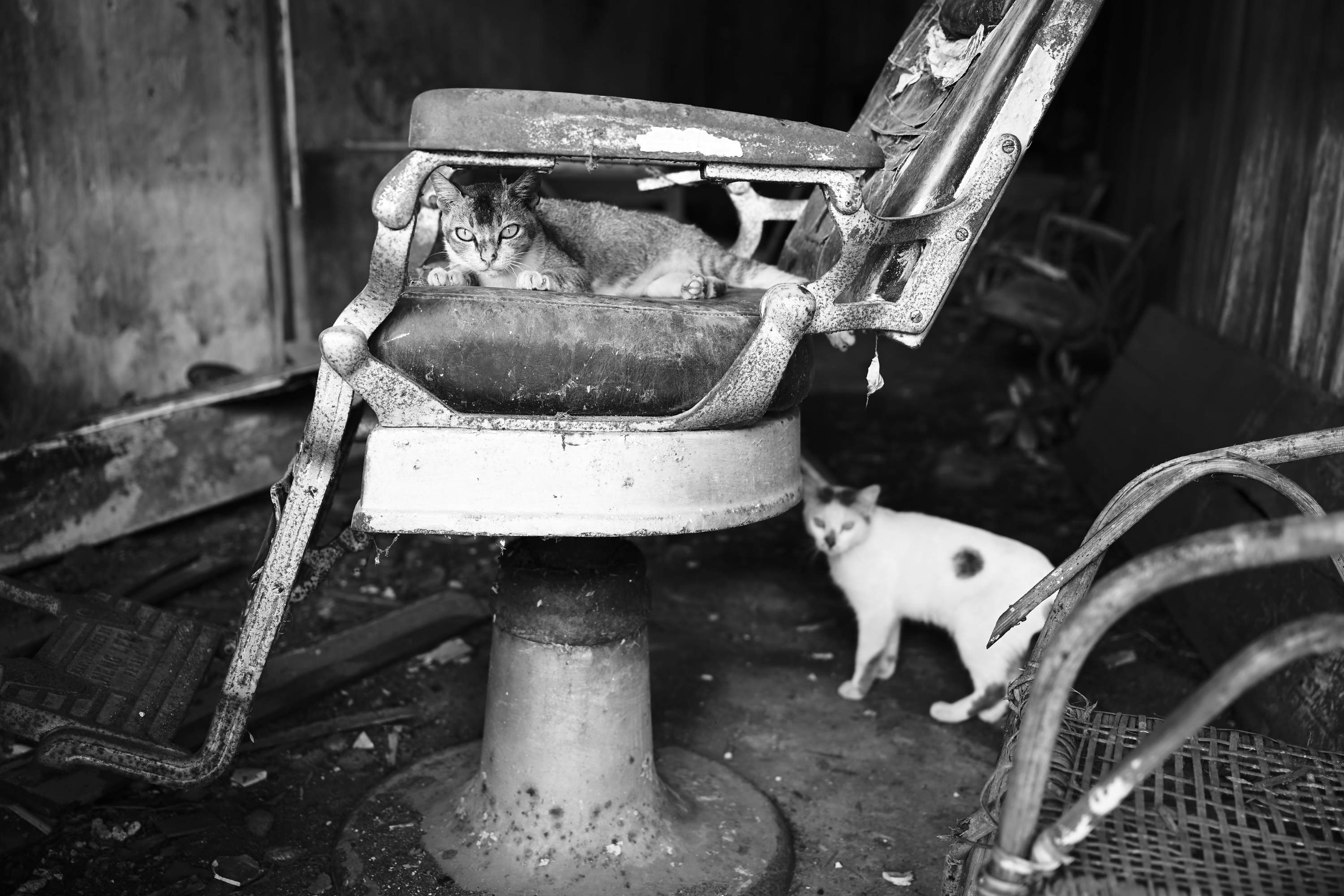
Barber shop: An abandoned barber shop occupied by cats.
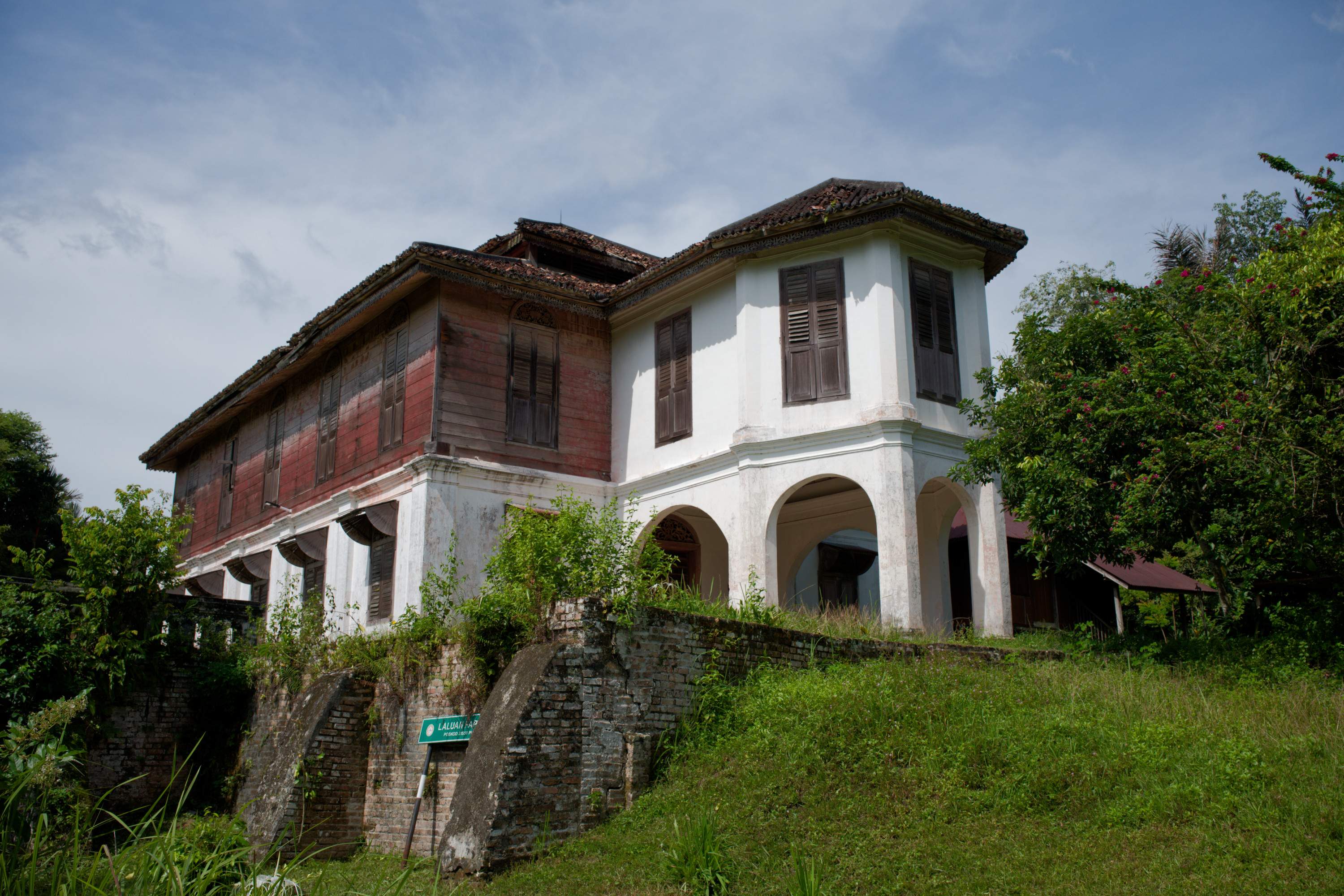
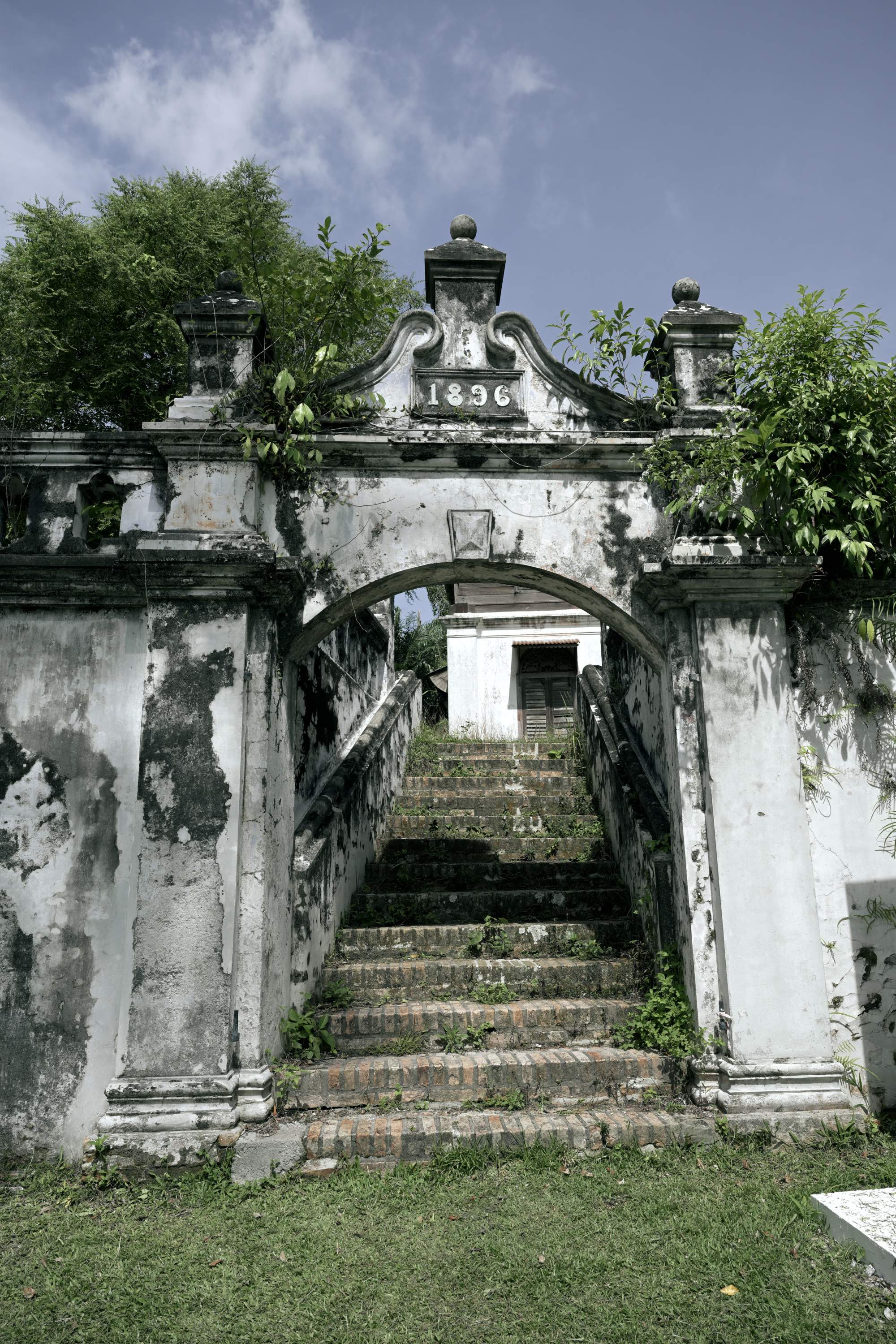
Rumah Besar Raja Billah: This grand Mandailing mansion served as the backdrop for the horror film Penunggu Istana.
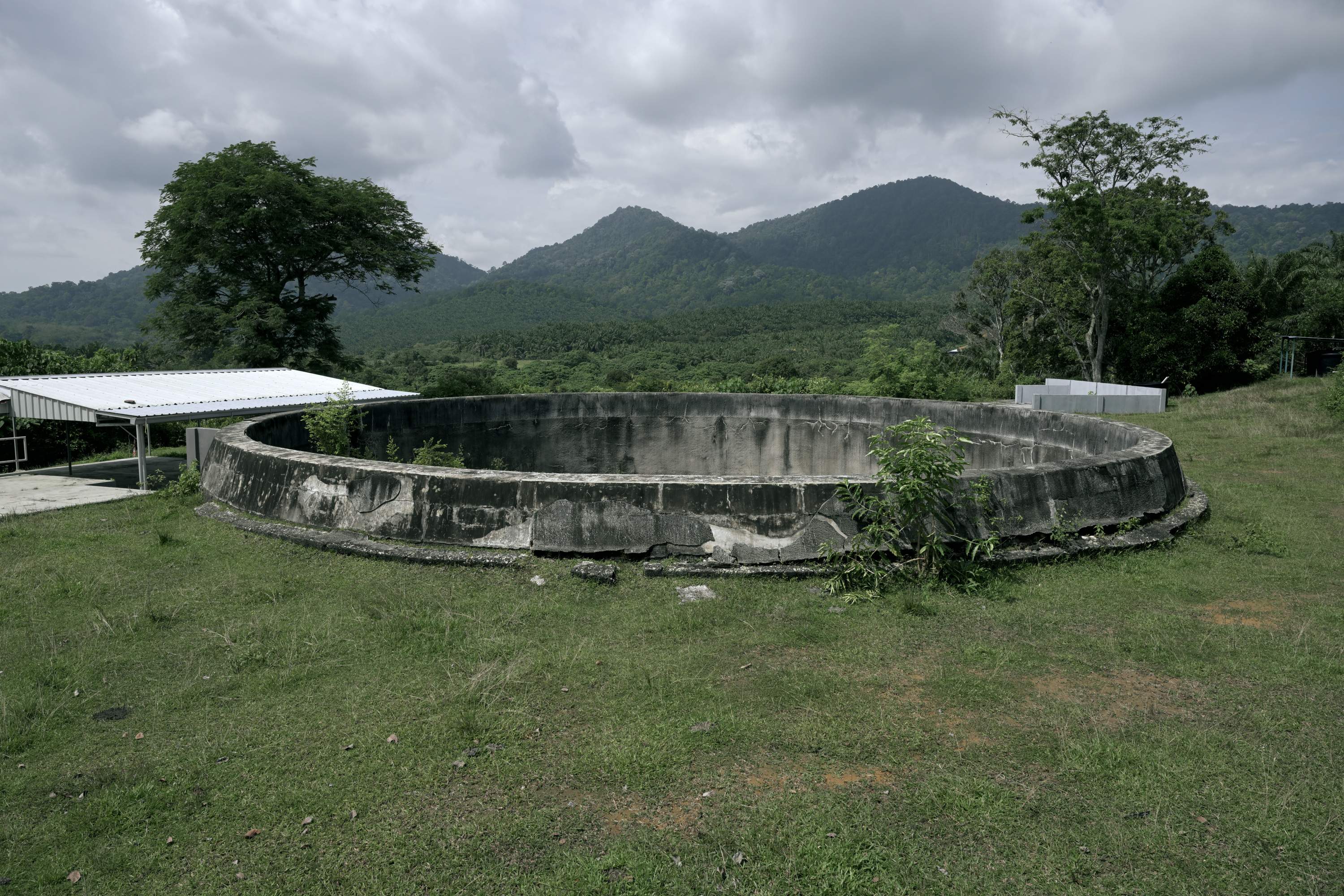
The Old Reservoir: This one was tricky! It took us a “merry-go-round” search on Day 1, but we finally located it on Day 2.
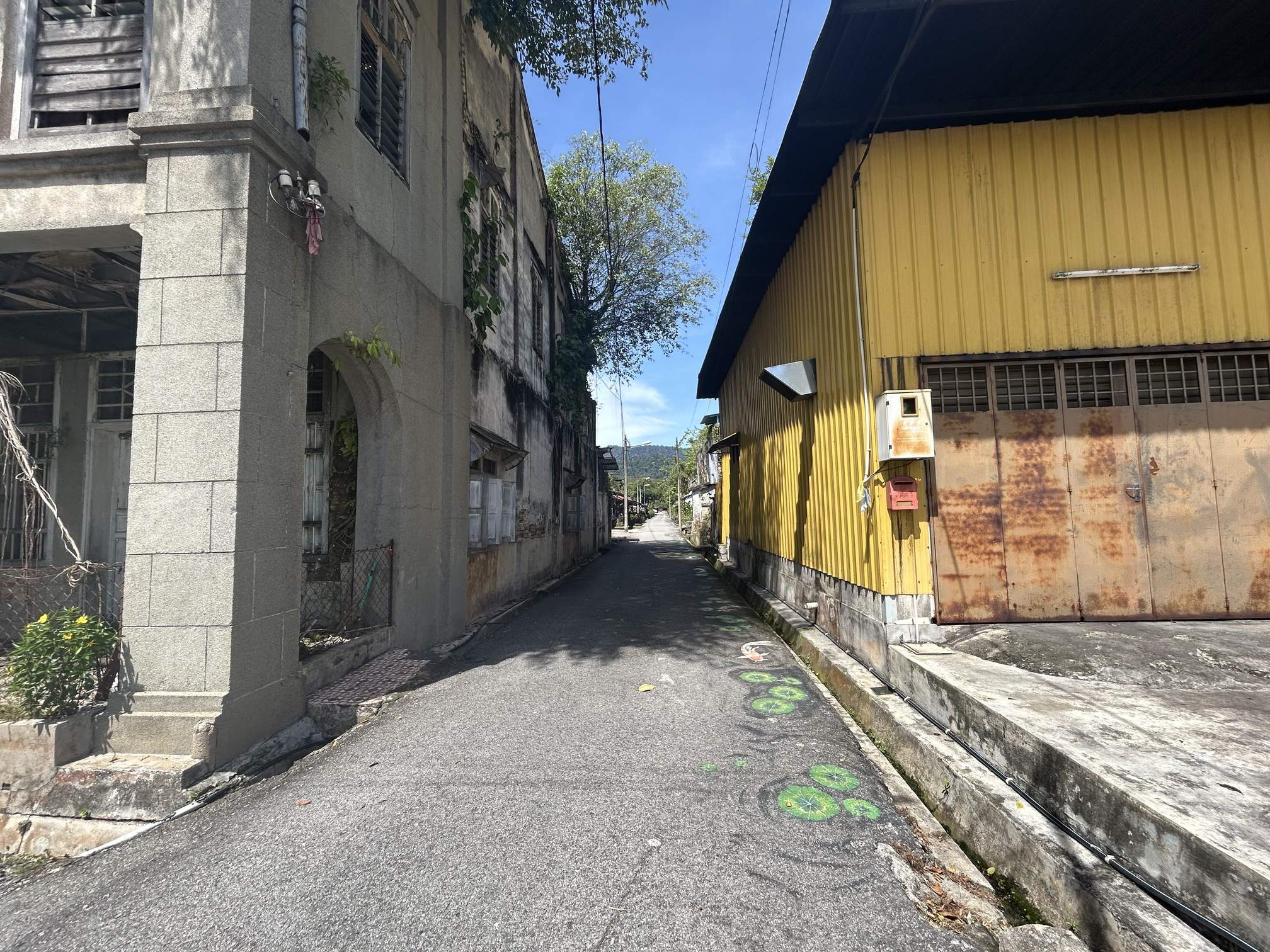
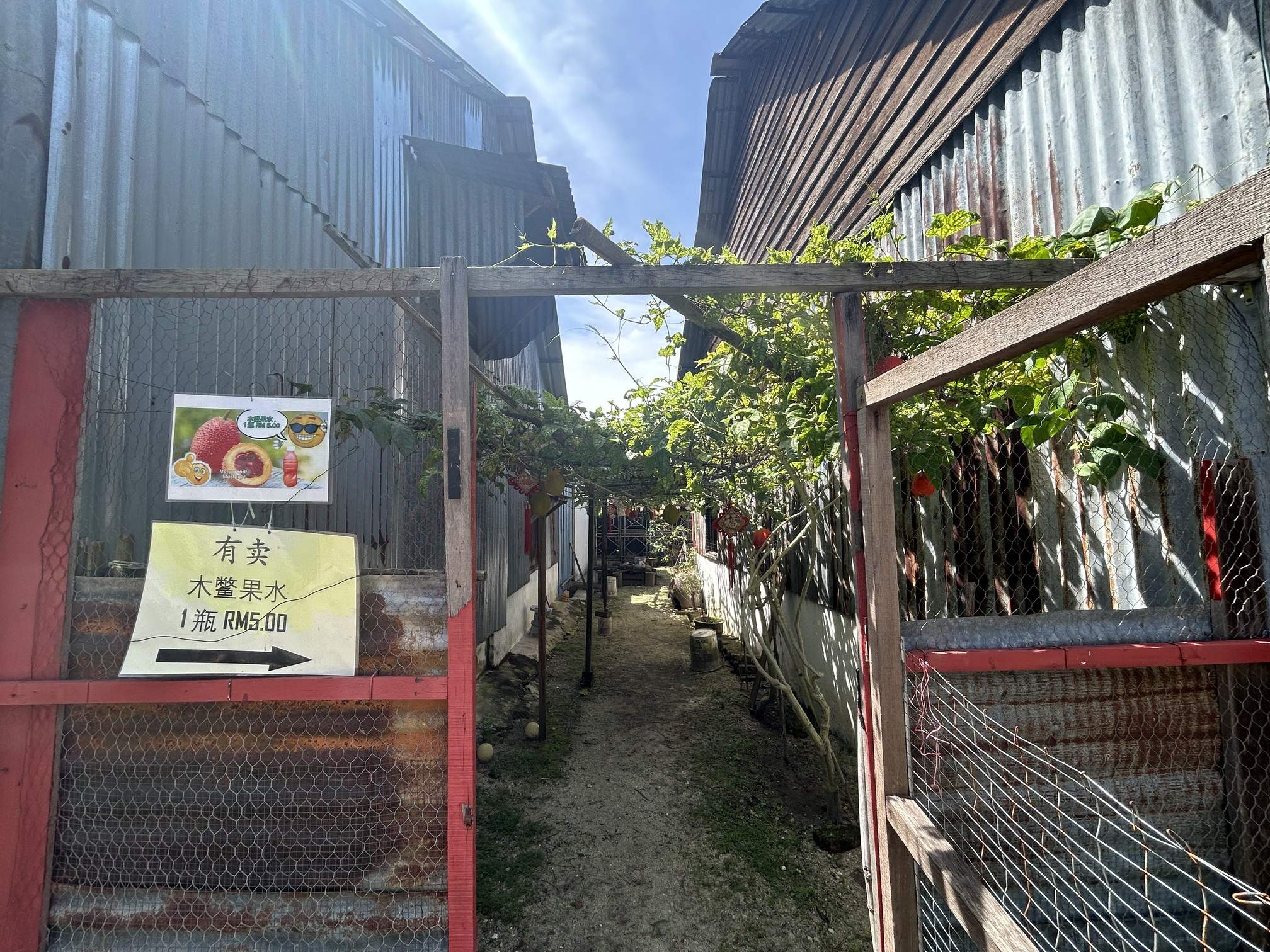
The Backstreets: Don’t miss the beautiful floor art lane and the homemade Gac “wonderfruit” drink. It’s high in antioxidants, refreshing, and tastes remarkably like barley. You can find it sold near the Banyan tree wall.
Where to Stay & Eat
Since Papan has no accommodation, I considered staying in nearby Pusing for early morning access. I found two interesting homestays: Pusing Paradise and Nikko Little House (around RM 180/night). Ultimately, we chose to stay in Ipoh Old Town to enjoy the peaceful early mornings and late evenings before the crowds arrive.
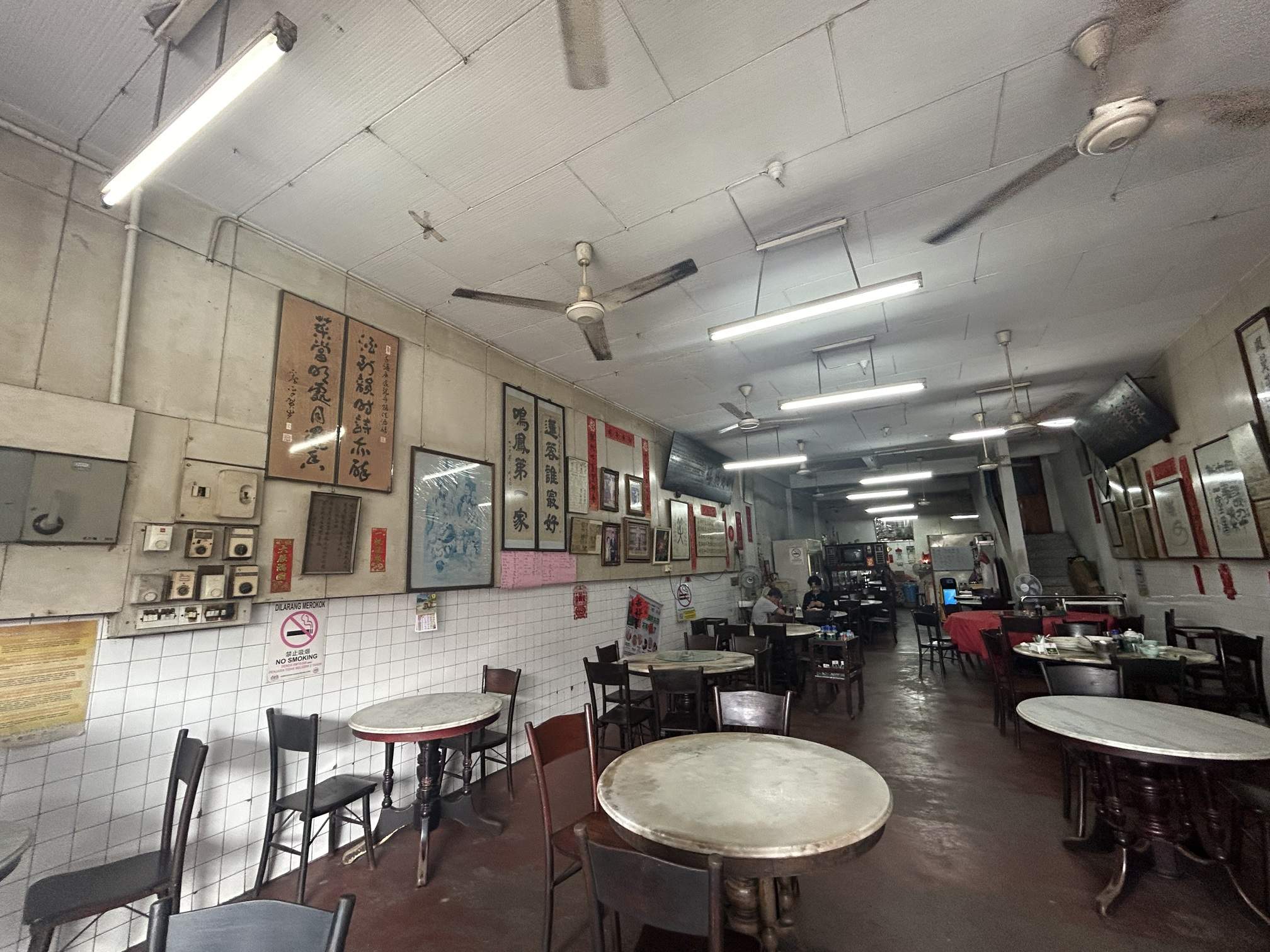
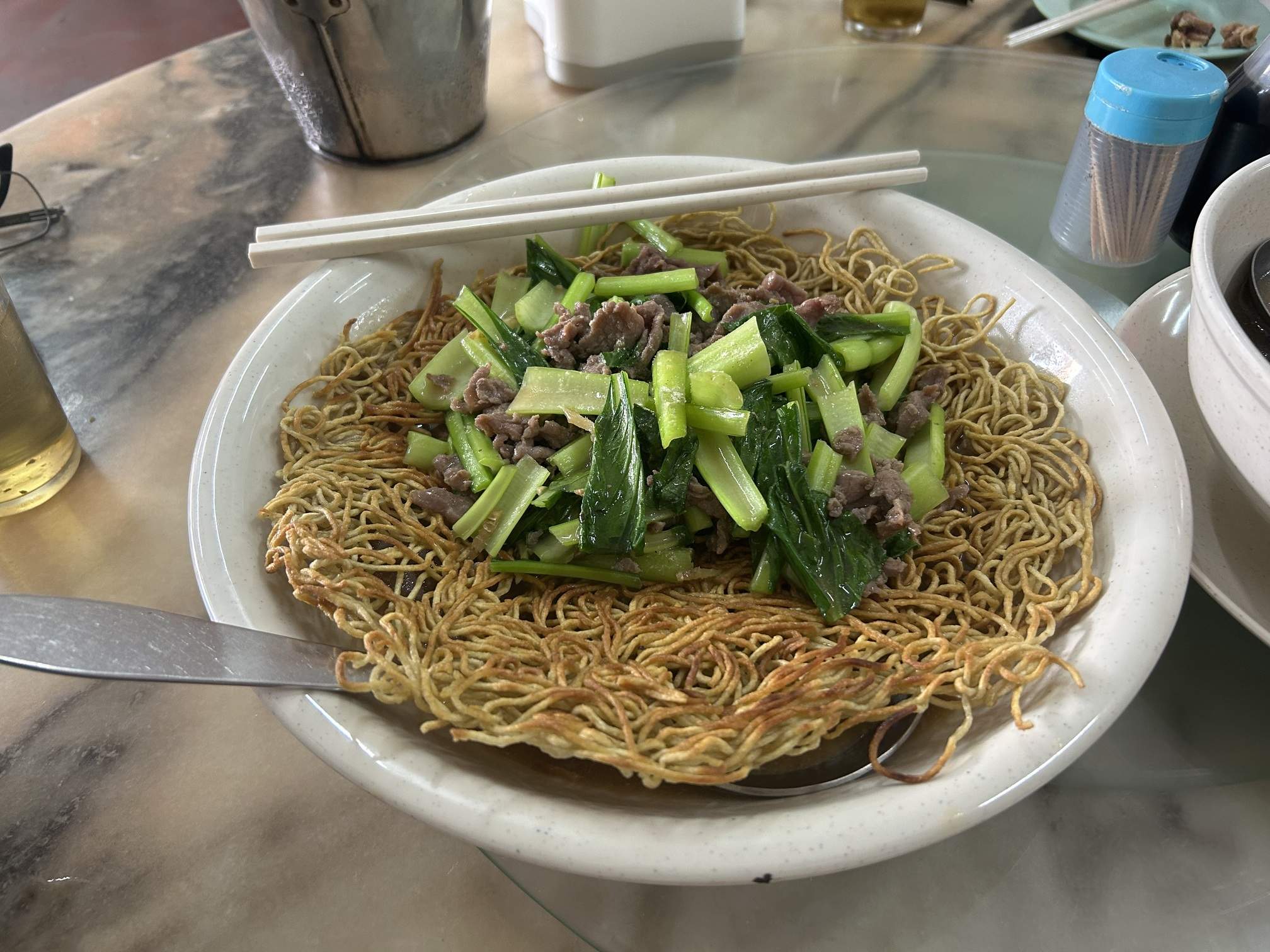
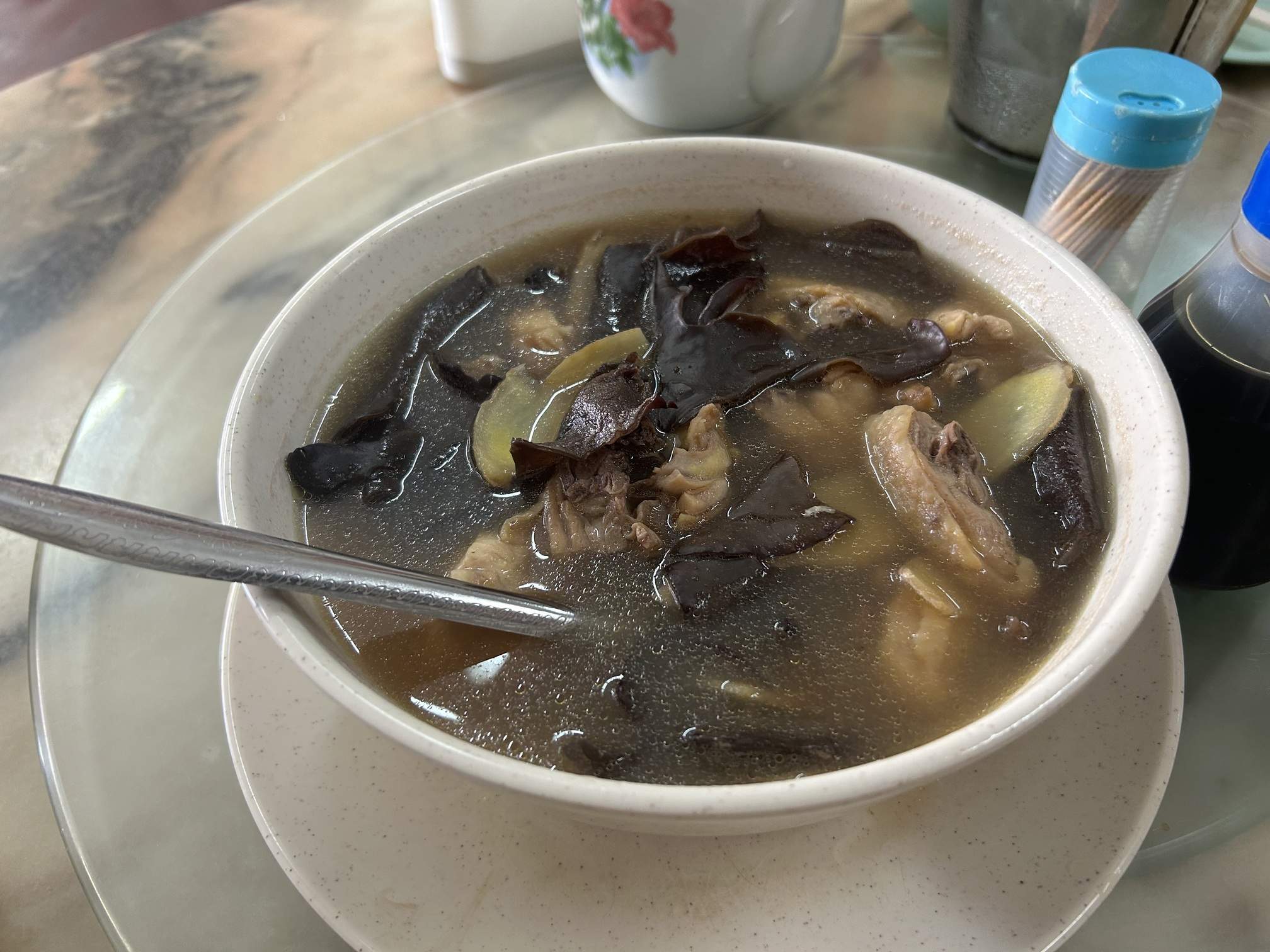
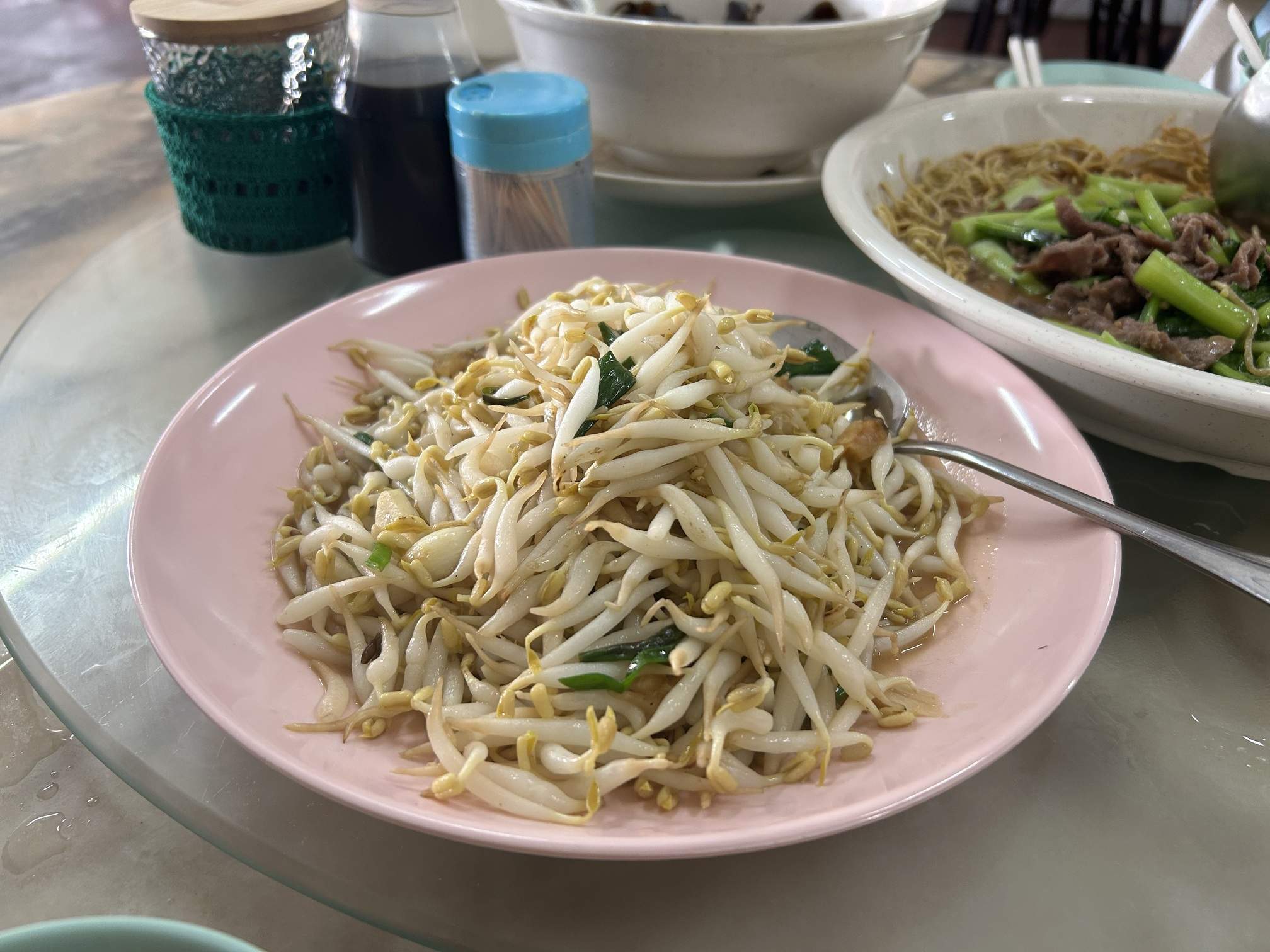
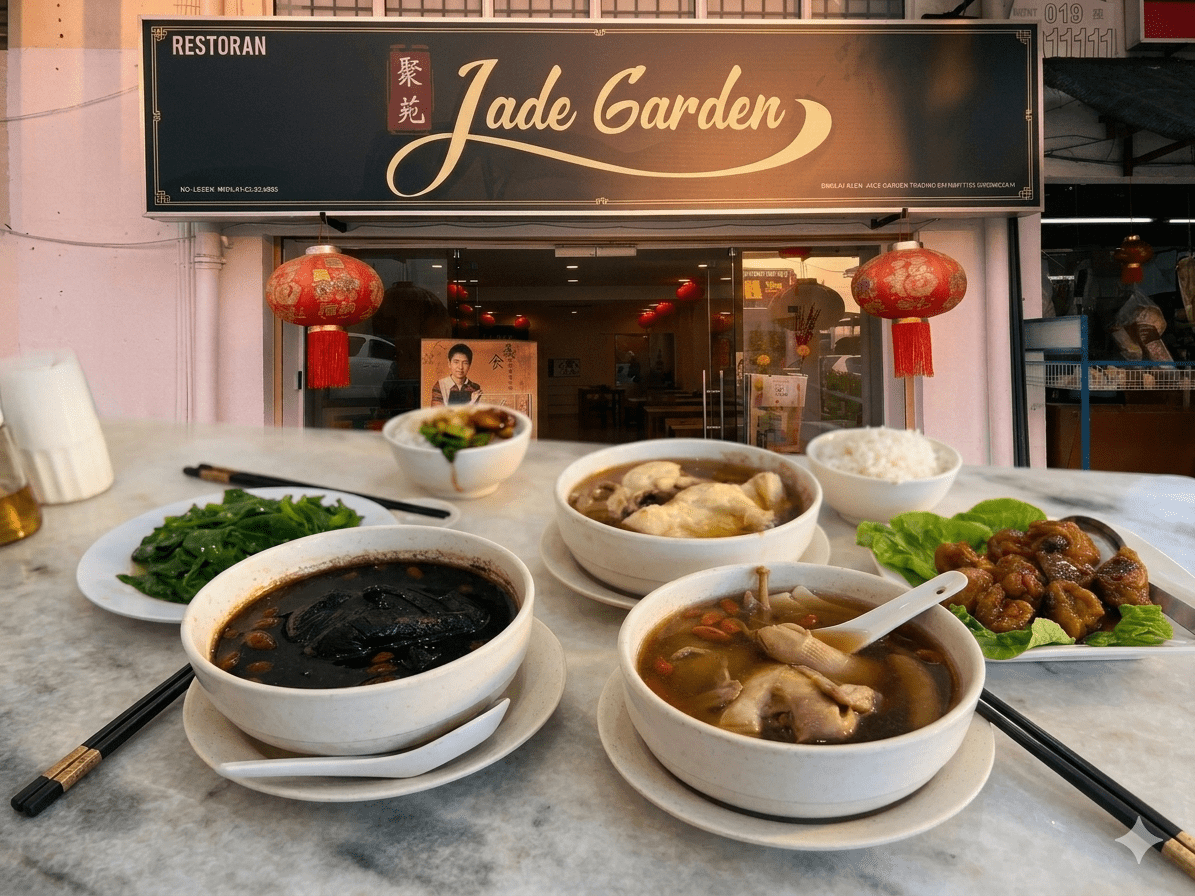
On Day 1, we had a fantastic lunch at Ming Feong Sun (鸣凤酒家) in Pusing (11:30 AM – 3:00 PM daily). Their ginger wine chicken and handmade braised noodles are excellent, but I liked their simple bean sprouts with salted fish the best!
Pro-Tip: They do have an English menu—just be sure to ask for it, otherwise you’ll be given the Chinese one.
A Detour to Tronoh
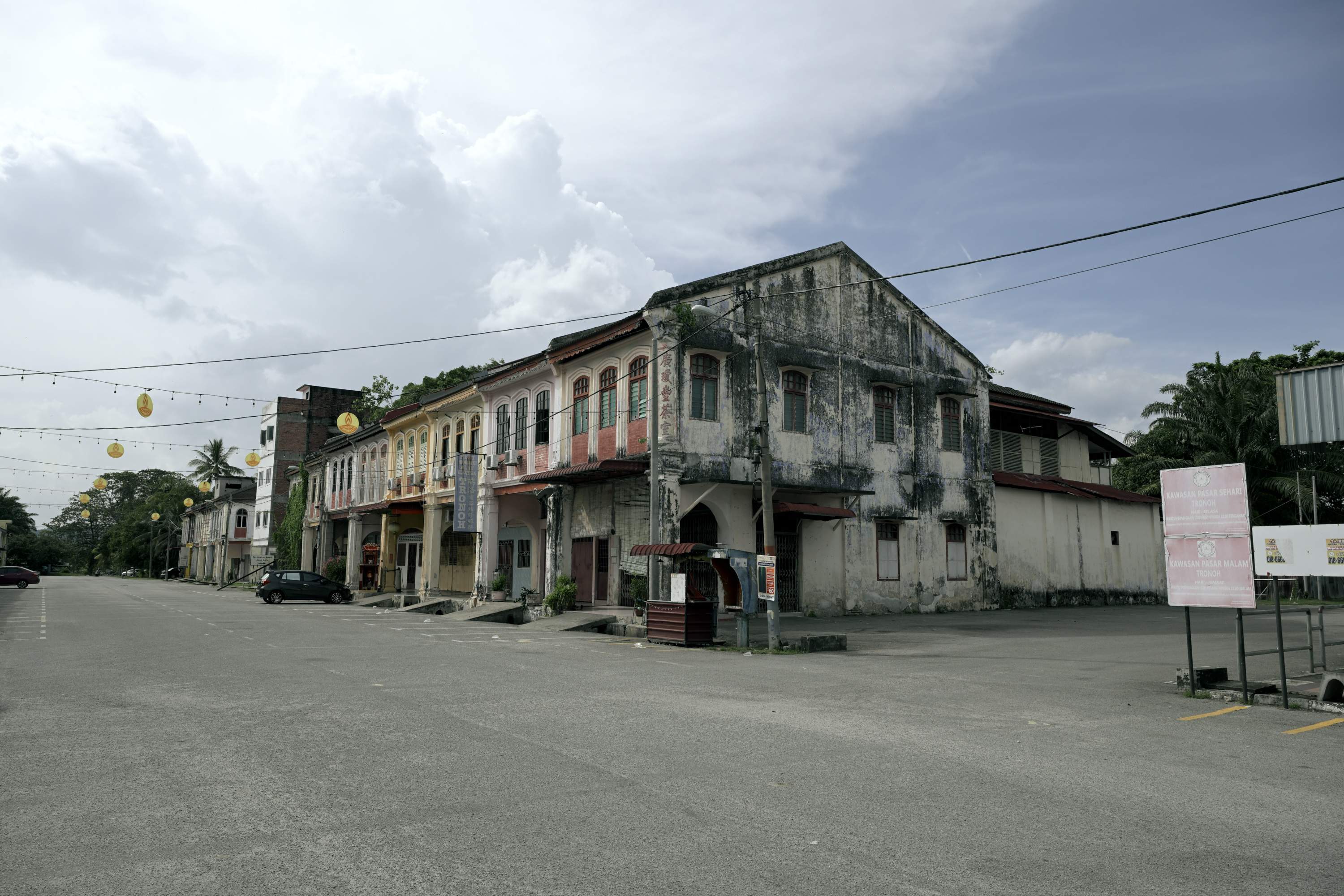
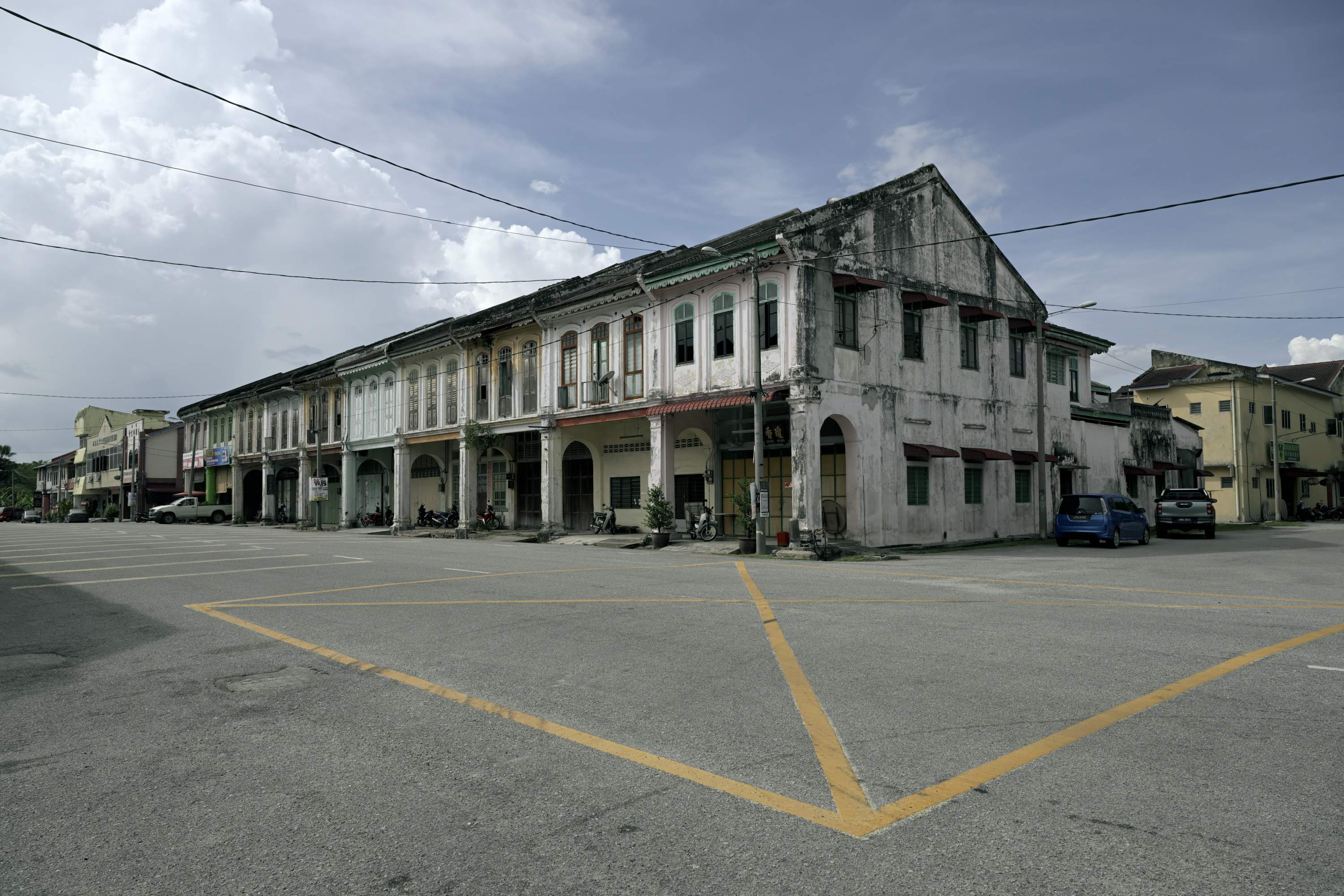
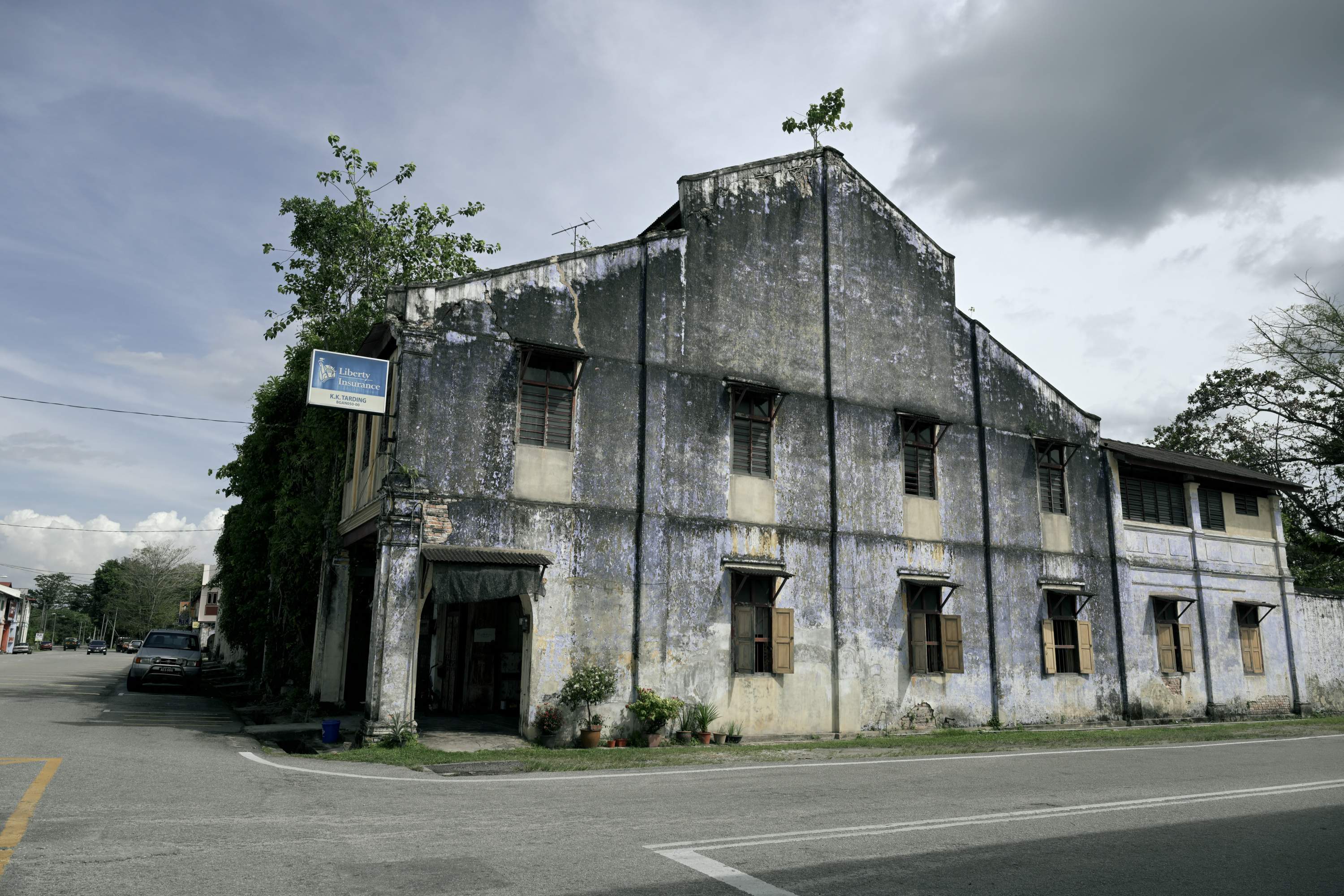
With extra time on Day 2, we headed to Tronoh for more abandoned vibes. It’s incredibly quiet. When we asked locals for a cendol spot, they told us simply, “We don’t have cendol here,” suggesting we head back to Batu Gajah or Pusing. However, we were told Choy Pin Cafe is the place to go for chicken rice, and reviews suggest their char siu wanton mee and roast duck are also top-tier.
While walking around, we had a strange encounter: a local man asked to borrow a phone to call his mother. I lent him mine, putting it on speaker-hold (wary of a snatch-and-run), only to hear a heartbreaking conversation where he begged for money while his mother shouted repeatedly that she was “dying.” I contemplated offering help, but he rode off abruptly, circling the block repeatedly as we continued our photography.
💡 Pro-Tips for Your Trip
- Photography Tip: Bring a wide-angle lens! My husband already says we need a third trip because he wants a wider perspective of the ruins.
- Car Rental: We used Wahdah for our second day, which was perfect for exploring at our own pace.
- The “Menu” Tip: If you visit the Yee Hin coffee shop, look for my handwritten English menu to help you order!
- The “Phone” Warning: In quiet towns like Tronoh, be cautious about lending your phone. Use speakerphone and maintain a firm grip if you decide to help.
- Ghost Stories: Papan is famous for its “penunggu” (guardians), particularly around the Raja Billah mansion—perfect for those who enjoy the supernatural!