The White Jade Tai Hong Gong Shrine: A Peaceful Cultural Landmark in Sathorn
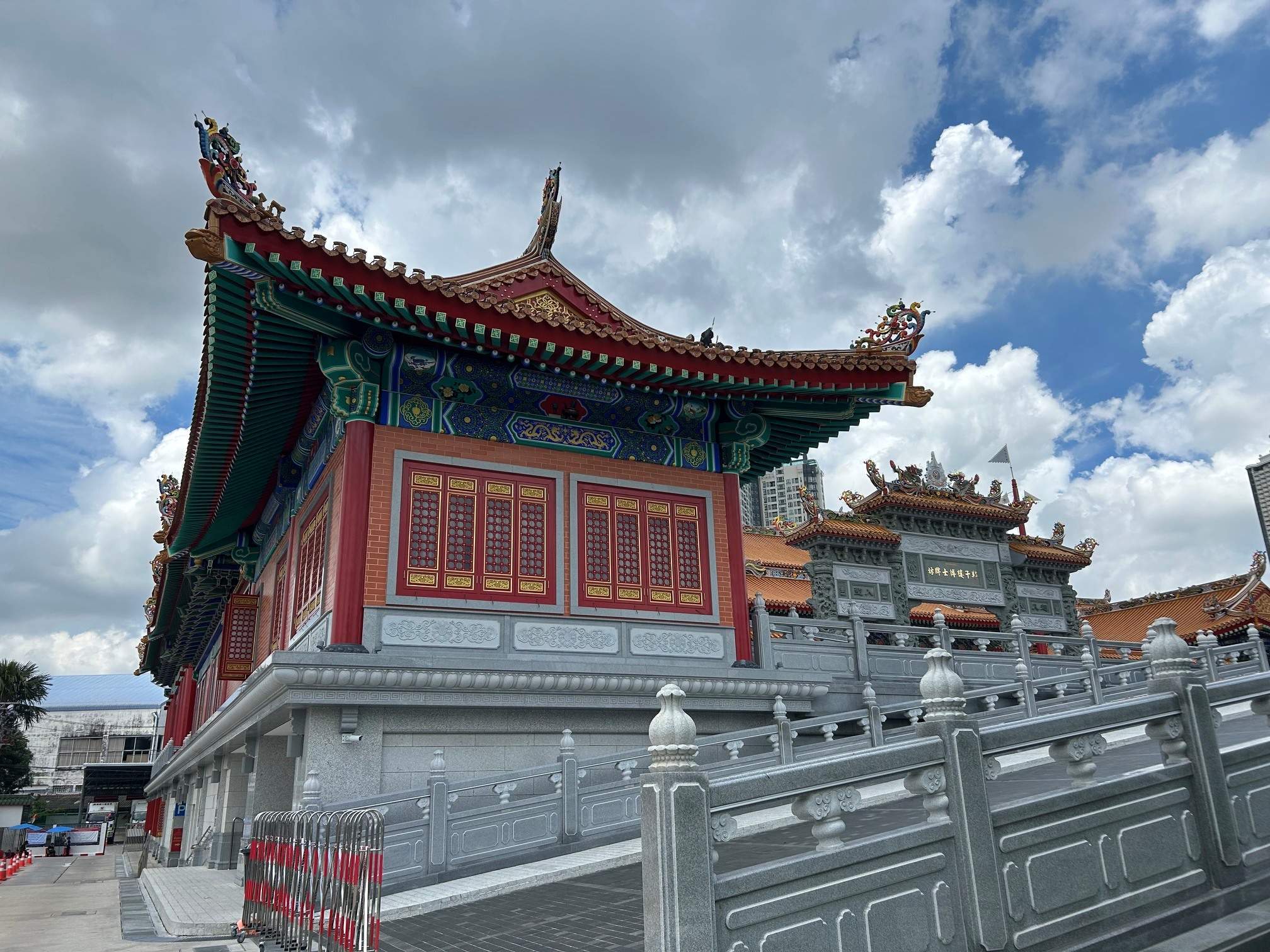
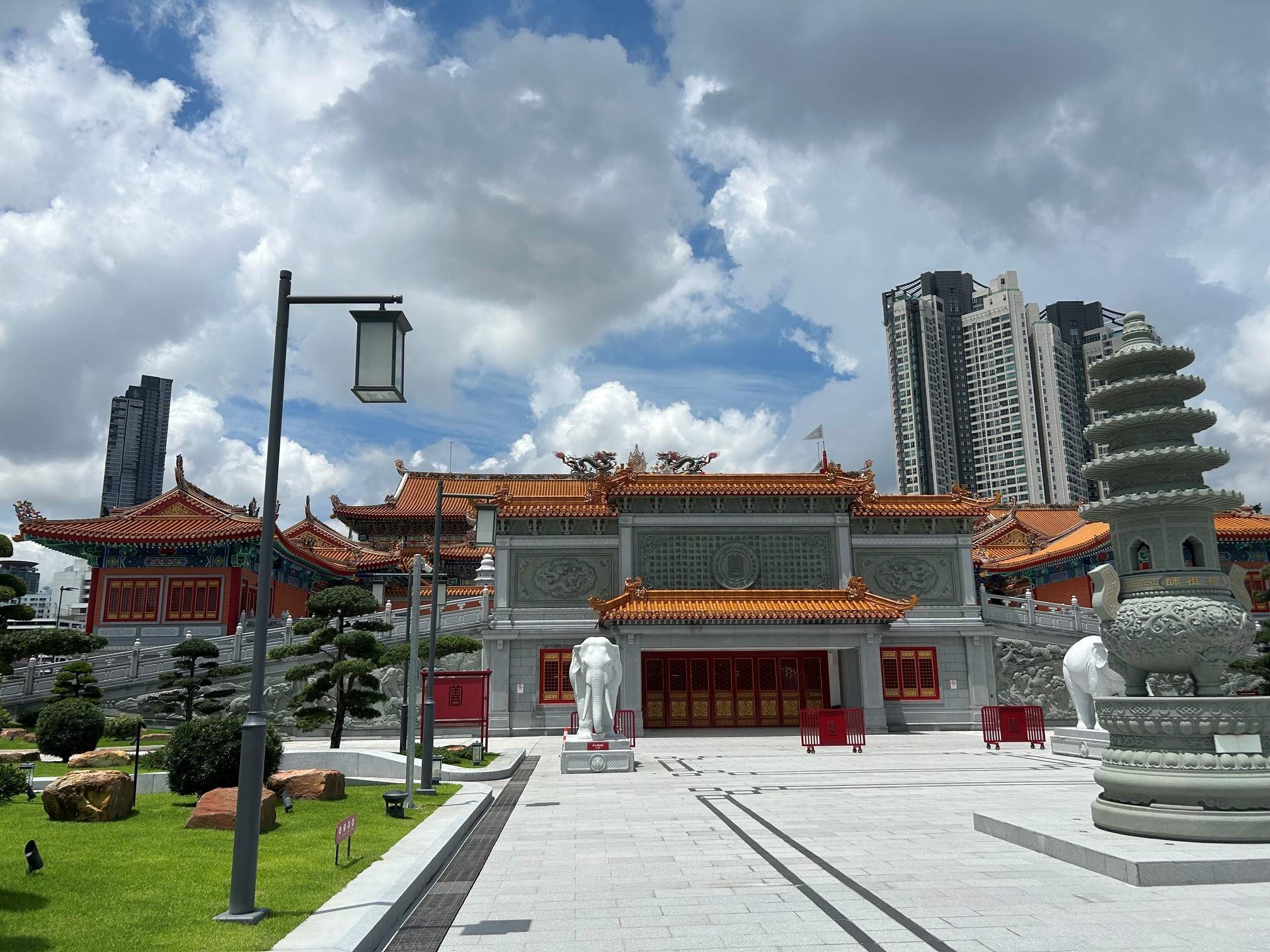
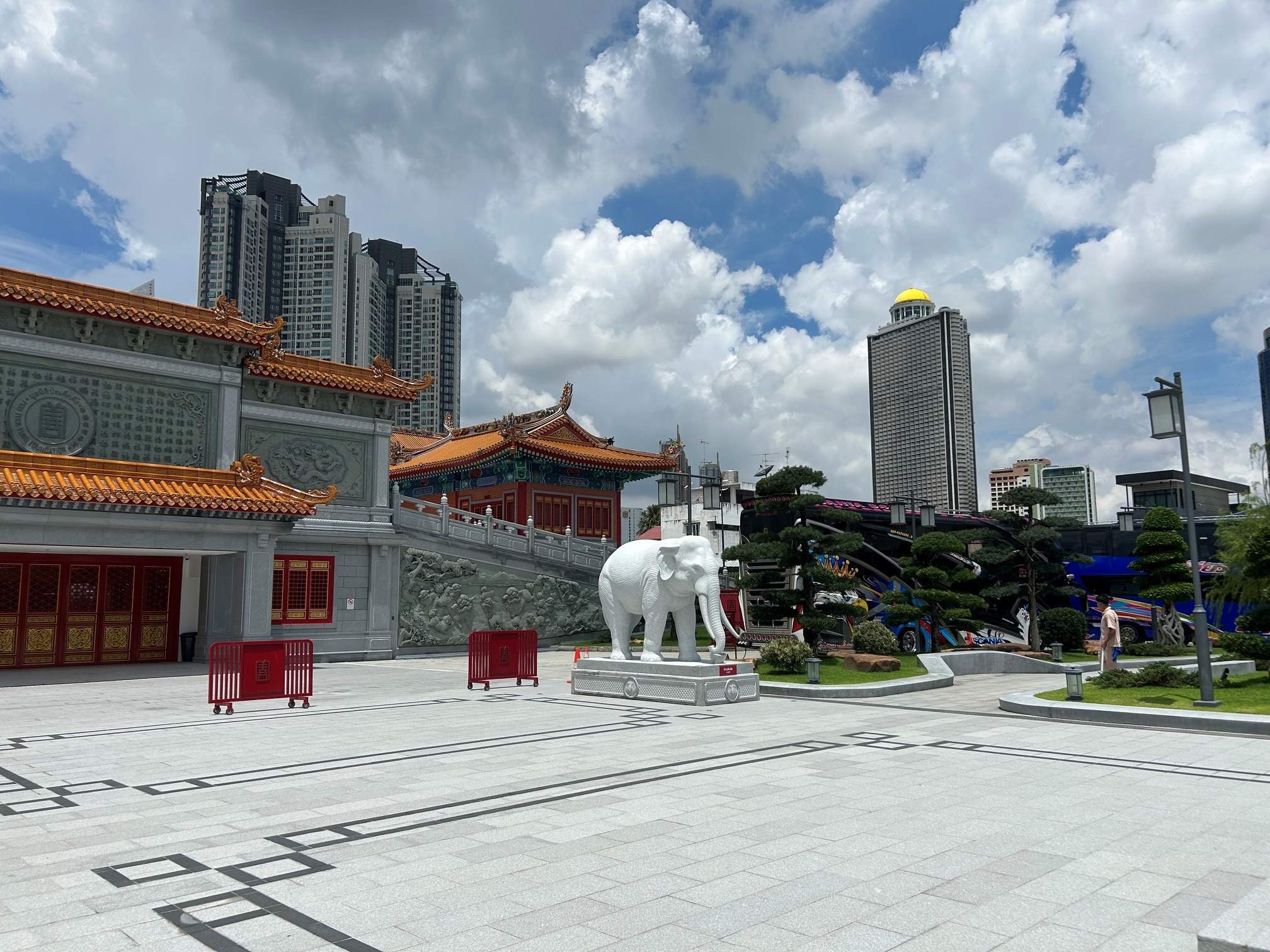
A few months ago, my social media feed was flooded with photos of the newly opened White Jade Tai Hong Gong Shrine in Sathorn. I decided to wait until the initial internet hype died down before visiting, hoping to avoid the heavy crowds. I am so glad I managed to visit in late September, right before the severe floods hit Bangkok.
Arriving at 11:00 AM on a weekday was perfect—the grounds were serene, peaceful, and uncrowded, giving me plenty of space to explore before a couple of local tour coaches arrived toward midday.
📍 Getting There & Directions
- Location: 88 Charoen Rat Road, Yan Nawa, Sathon, Bangkok
- Nearest Transit: BTS Surasak (Exit 2)
- Walking Distance: An easy 600 meters (about an 8-minute walk)
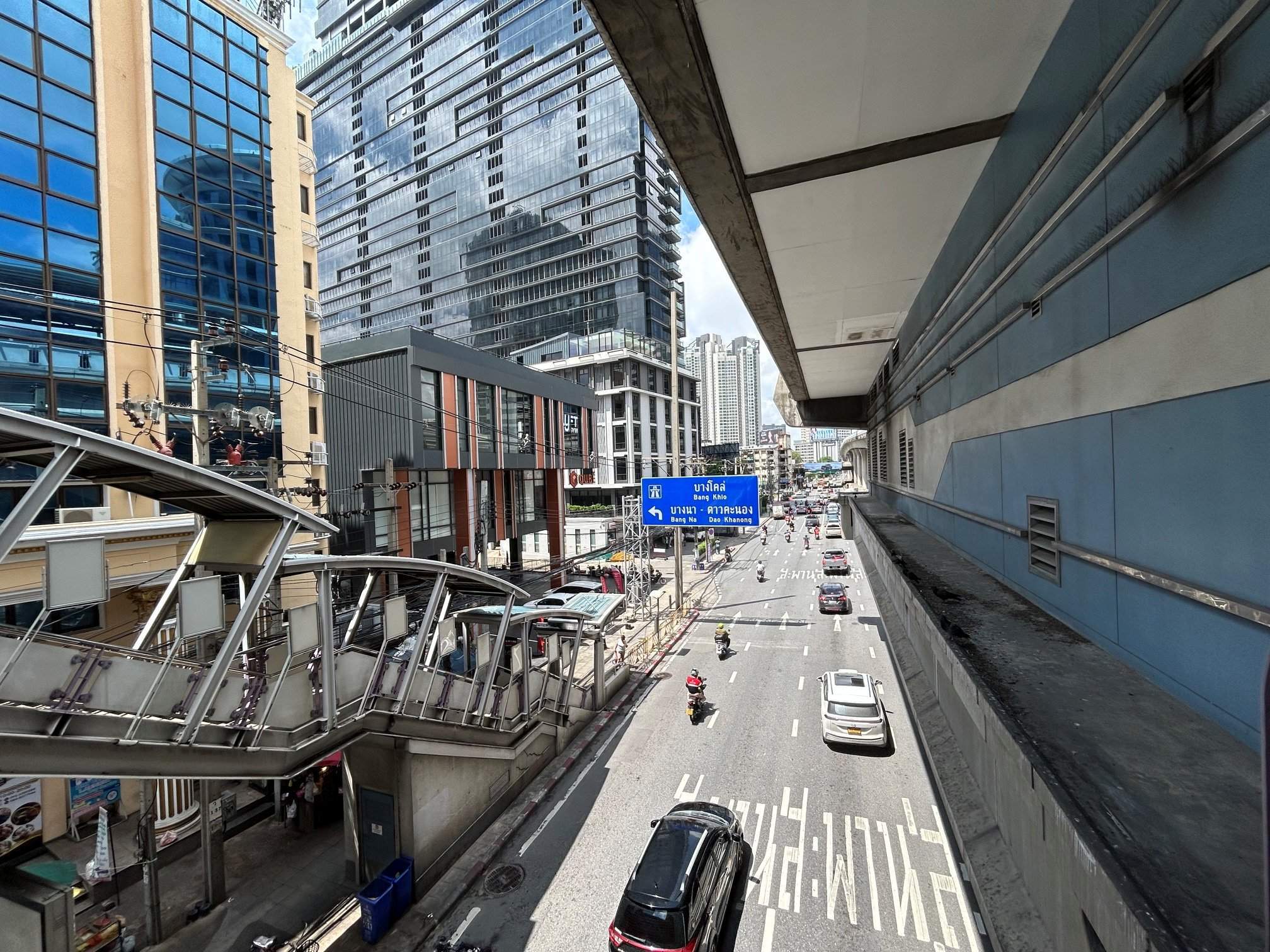
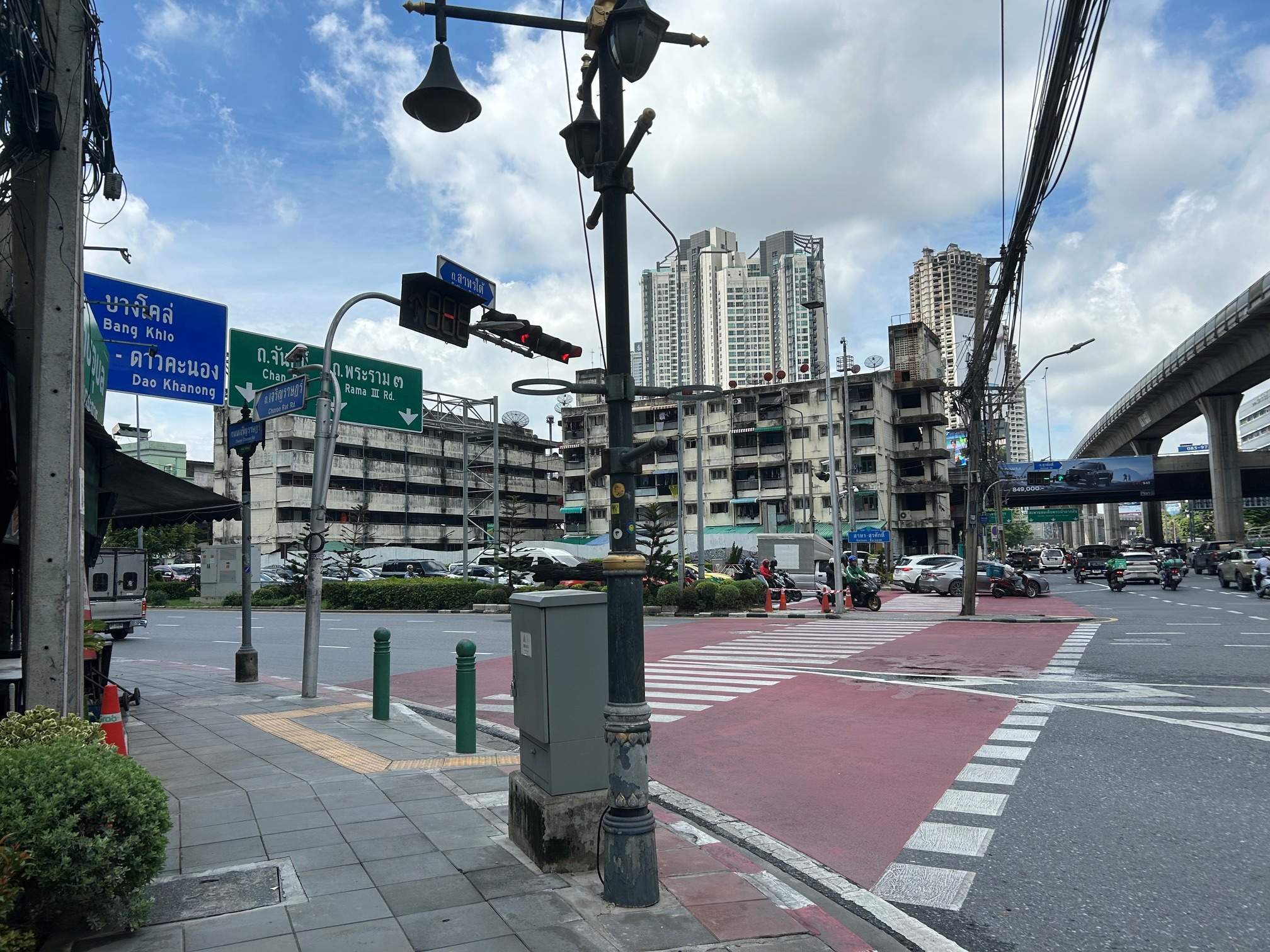
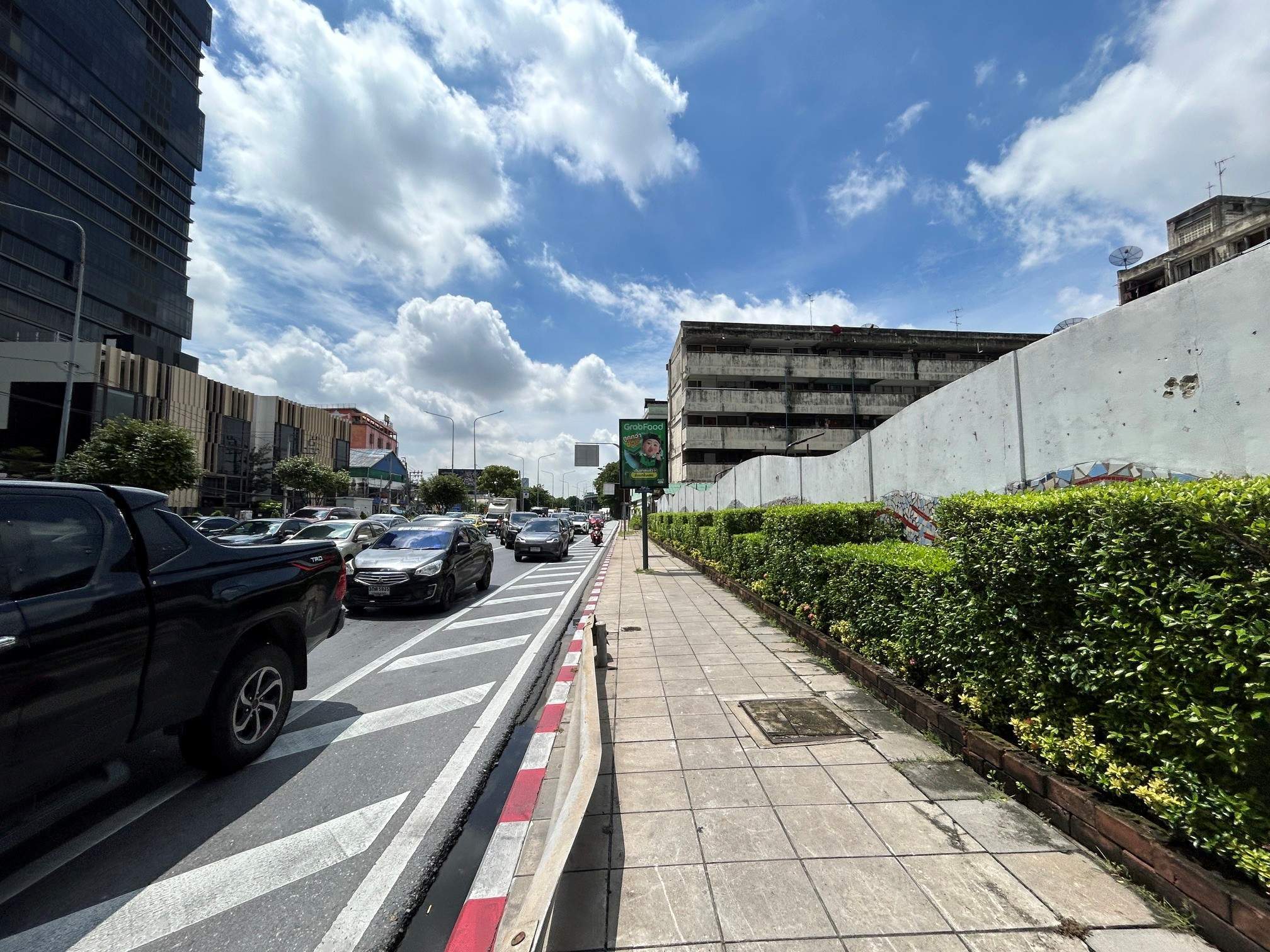
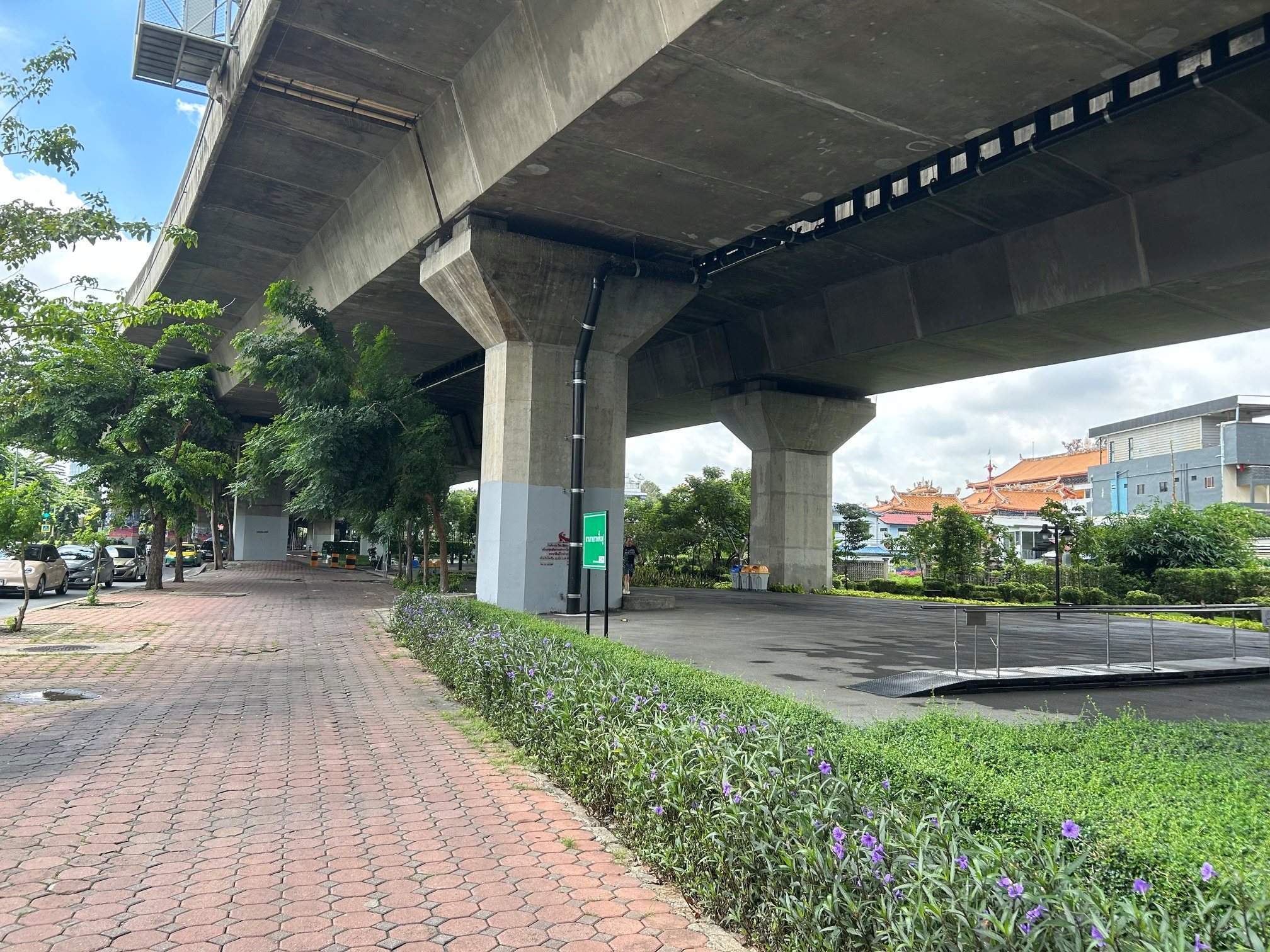
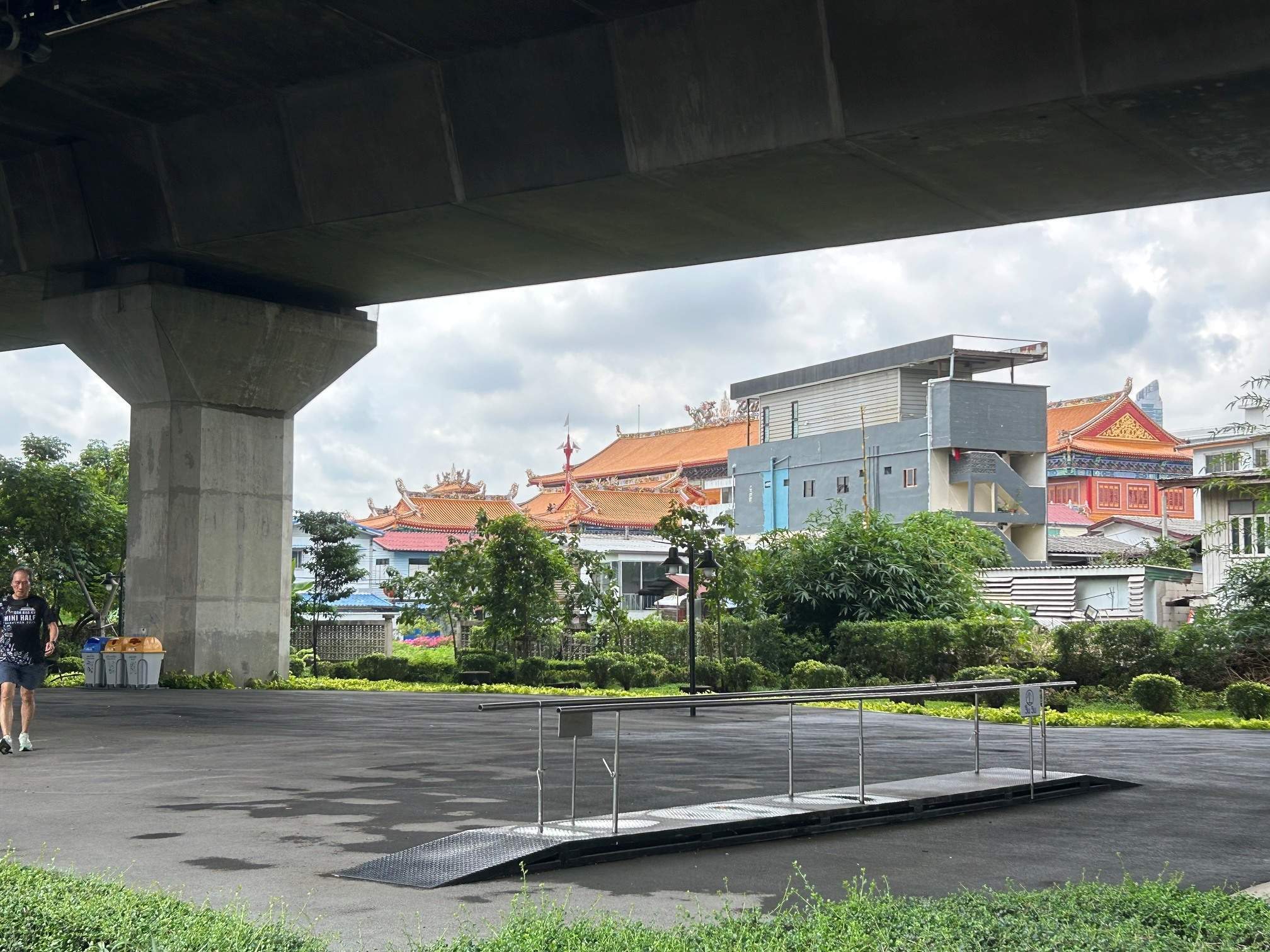
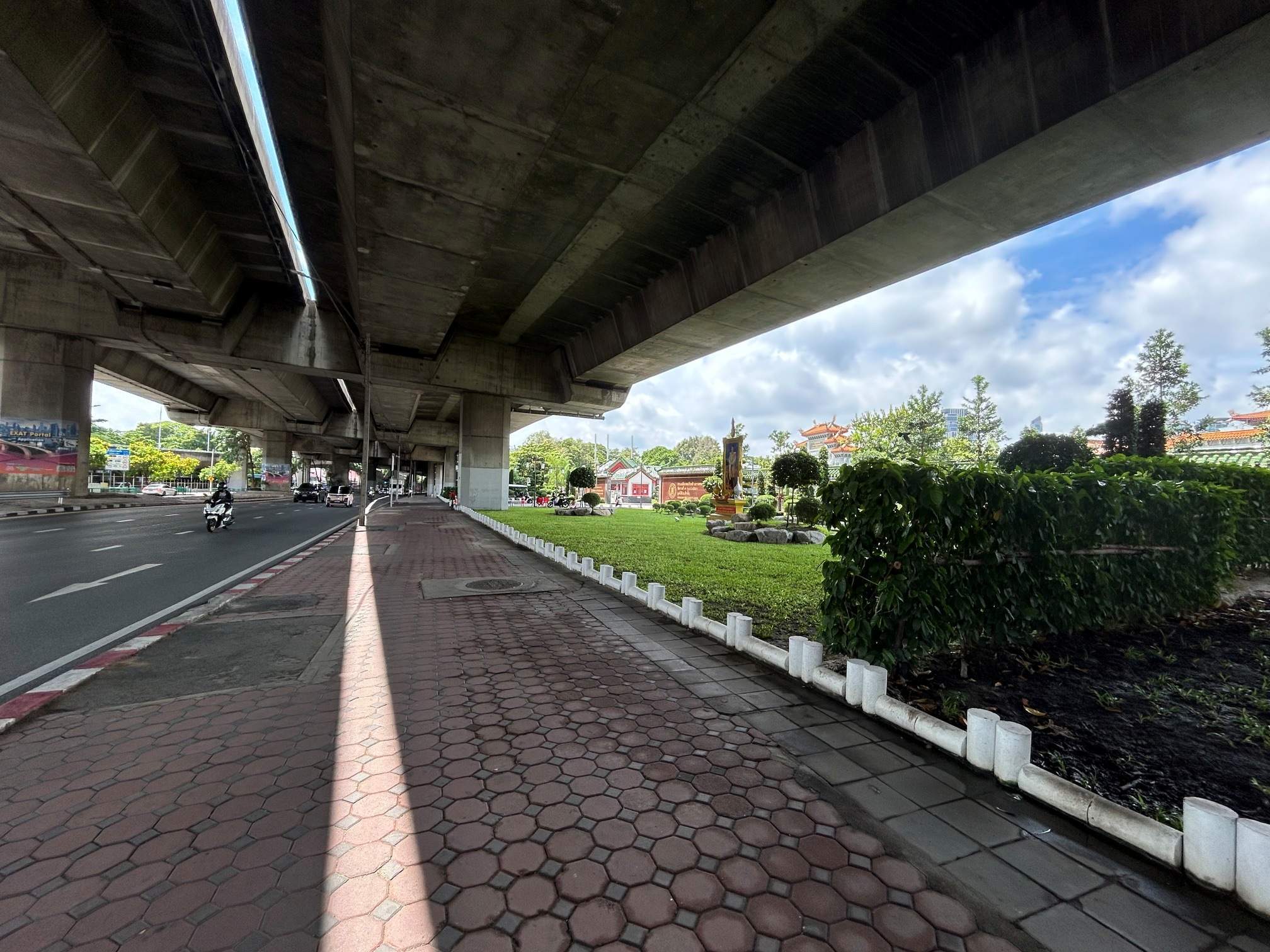
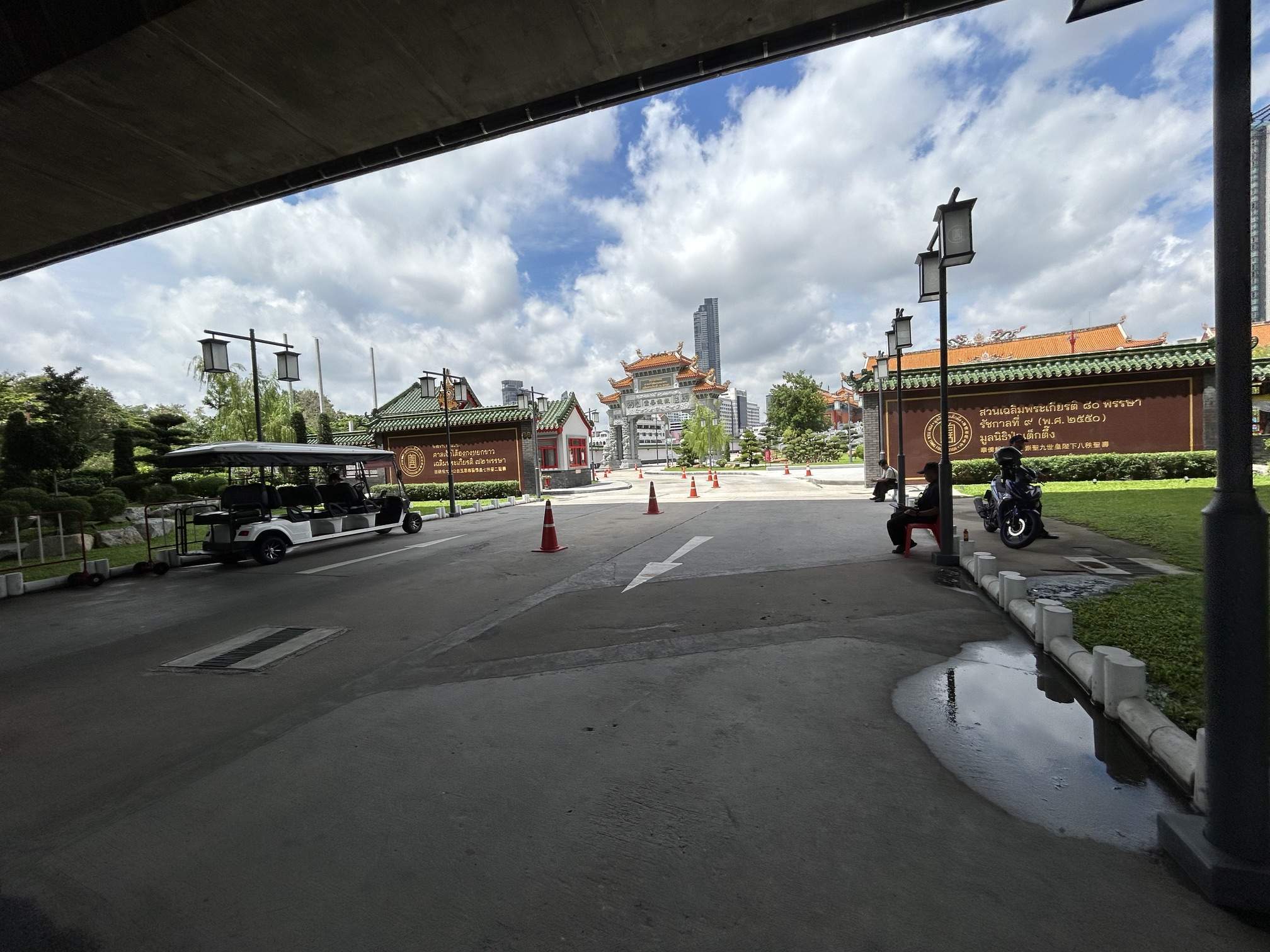
💡 Walking Route: After coming down the stairs at BTS Surasak Exit 2, walk straight ahead and cross Charoen Rat Road early. It is much easier and safer to walk down the right-hand side of Charoen Rat Road directly toward the shrine’s main entrance.
Fun Transit Fact: Look out for the official signposted name at Exit 2: “The White Jade Tai Hong Gong Shrine in Honor of His Majesty the King’s 6th Cycle Birthday Anniversary” (ศาลเจ้าไต้ฮงกงหยกขาว เฉลิมพระเกียรติ 72 พรรษา). This might just be the longest official landmark name I’ve ever seen on a BTS station map!
🏛️ History of the Poh Teck Tung Foundation
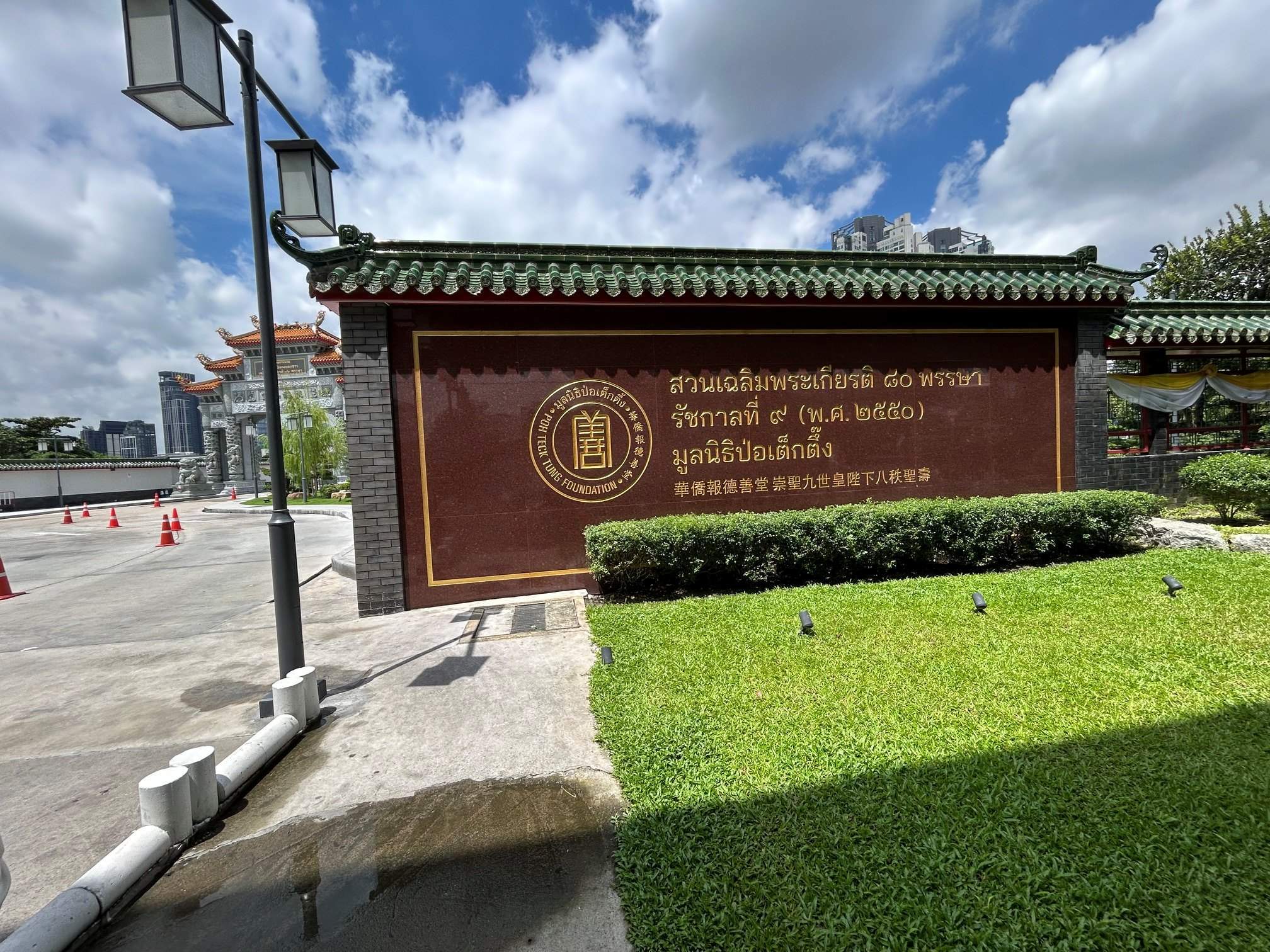
I first heard about Poh Teck Tung (ป่อเต็กตึ๊ง) from my husband. It actually took me a while to master the pronunciation—note that “Tung” is pronounced closer to “Dteng”!
The Poh Teck Tung Foundation is one of Thailand’s most significant charitable and emergency rescue organizations. Its origins date back over a century:
- 1909 (Origins): Twelve Chinese merchants in Bangkok formed the “Tai Hong Kong Body Collection Group” to retrieve and bury unclaimed bodies during a devastating cholera outbreak. The deceased were respectfully laid to rest at Wat Don Cemetery.
- 1912 (Royal Patronage): King Rama VI granted royal support and annual funding to assist the group’s humanitarian missions.
- 1937 (Official Registration): The organization formally registered as the Hua Kiew Poh Teck Siang Tung Foundation (known today simply as the Poh Teck Tung Foundation).
- Modern Expansion: Over the decades, its services expanded far beyond funeral care to include nationwide road accident response, disaster relief, and community healthcare—including establishing the renowned Huachiew TCM Hospital.
What’s in a Name & Logo?
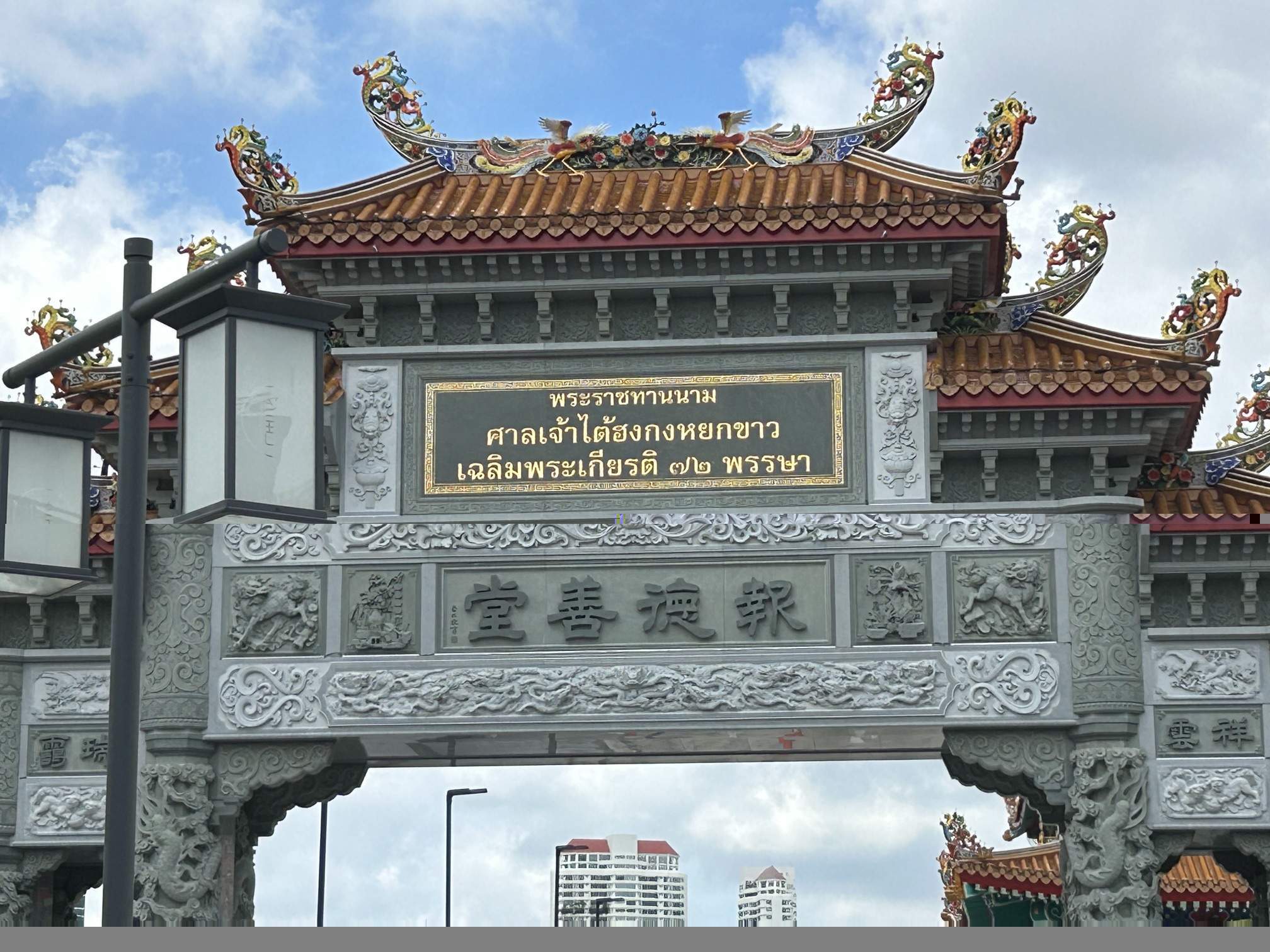
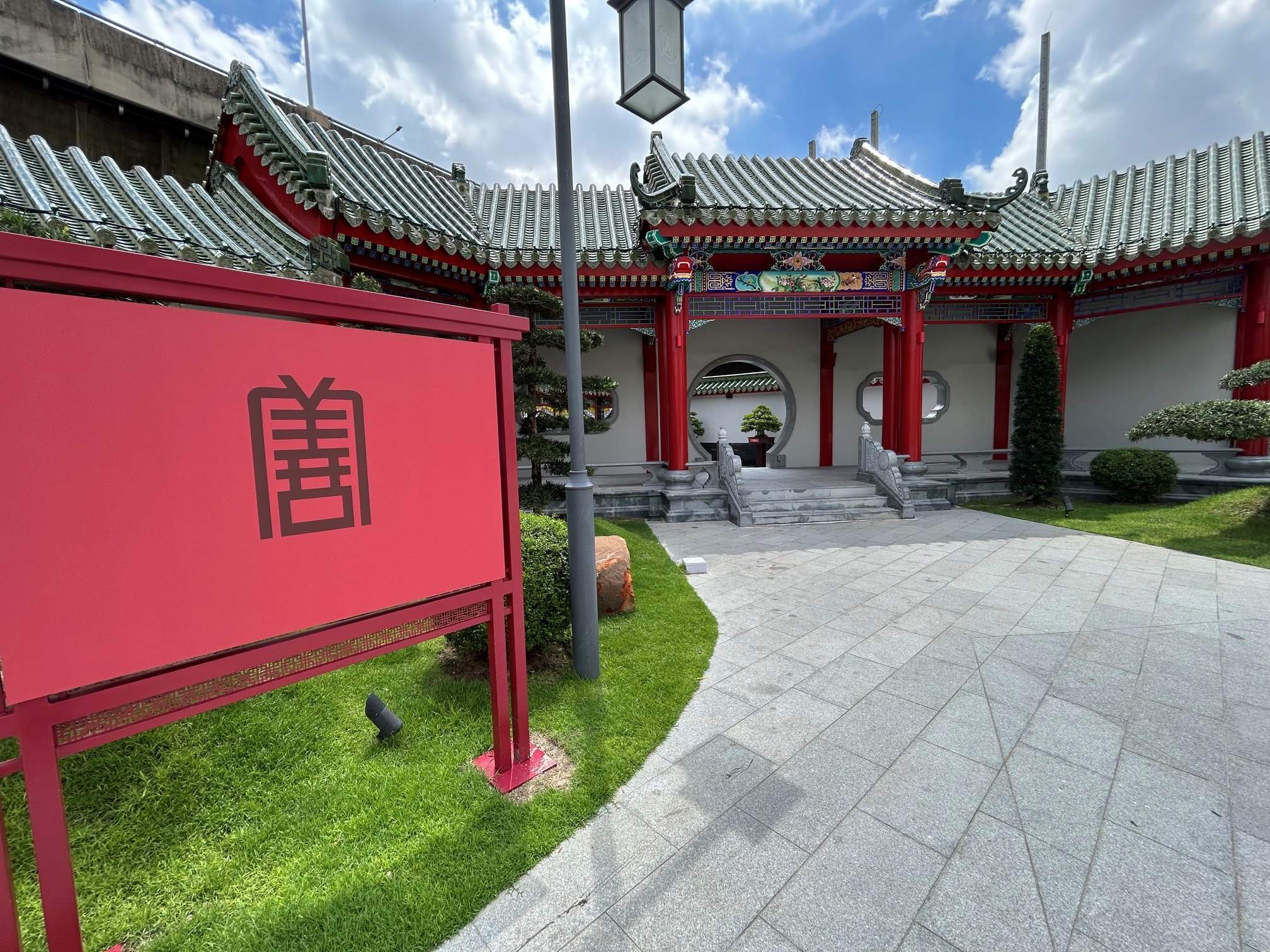
- Tribute to Master Tai Hong: The foundation honours Master Tai Hong (Luang Pu Tai Hong), an 11th-century Song Dynasty Chinese Buddhist monk revered for healing the sick, helping the poor, and burying abandoned corpses.
- Meaning of “Poh Teck” (Bao De / 報德): Translates to “repaying kindness.” It represents a dual gratitude: expressing appreciation to Thailand for welcoming Chinese immigrants, while honoring their ancestral Chinese roots.
- The “善” (Shàn) Character: Curious about the prominent Chinese character seen throughout the compound and on the Poh Teck Tung Foundation logo, I looked it up. The character is “shàn” (善), which translates to goodness, charity, virtue, or performing a meritorious deed. It perfectly reflects the foundation’s core mission—to help society, relieve suffering, and perform acts of kindness without discrimination.
🏮 Architecture & Shrine Highlights
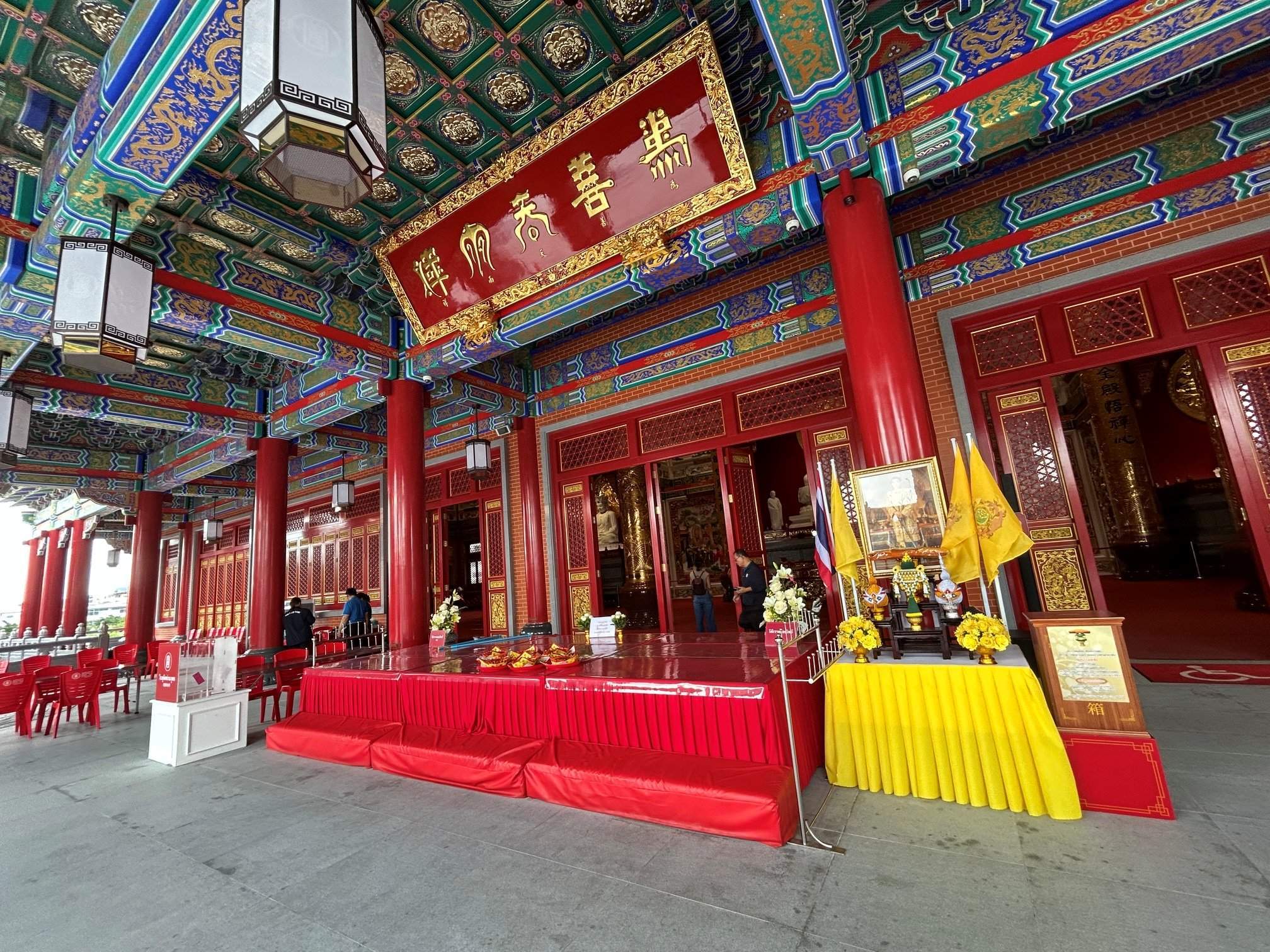
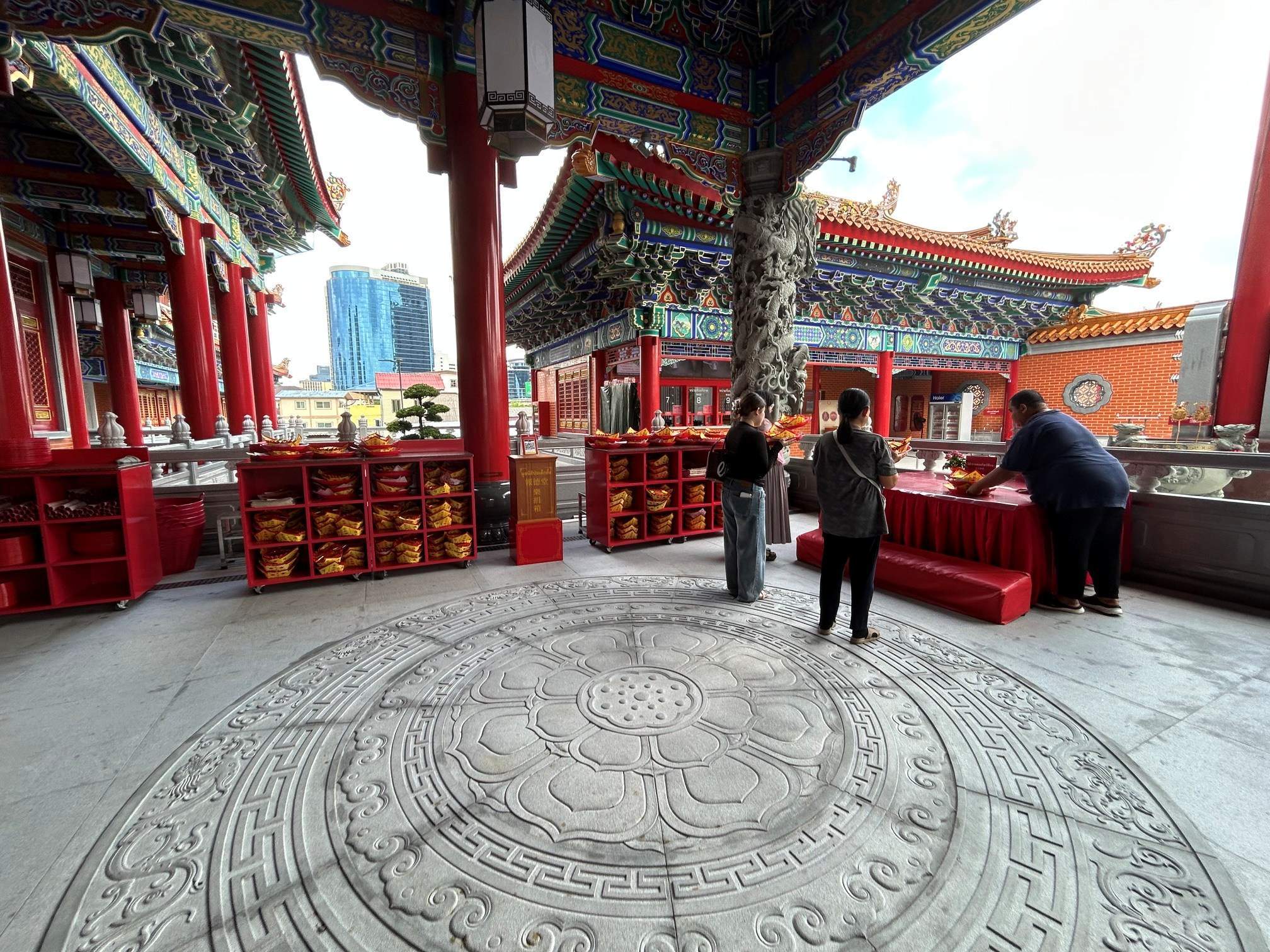
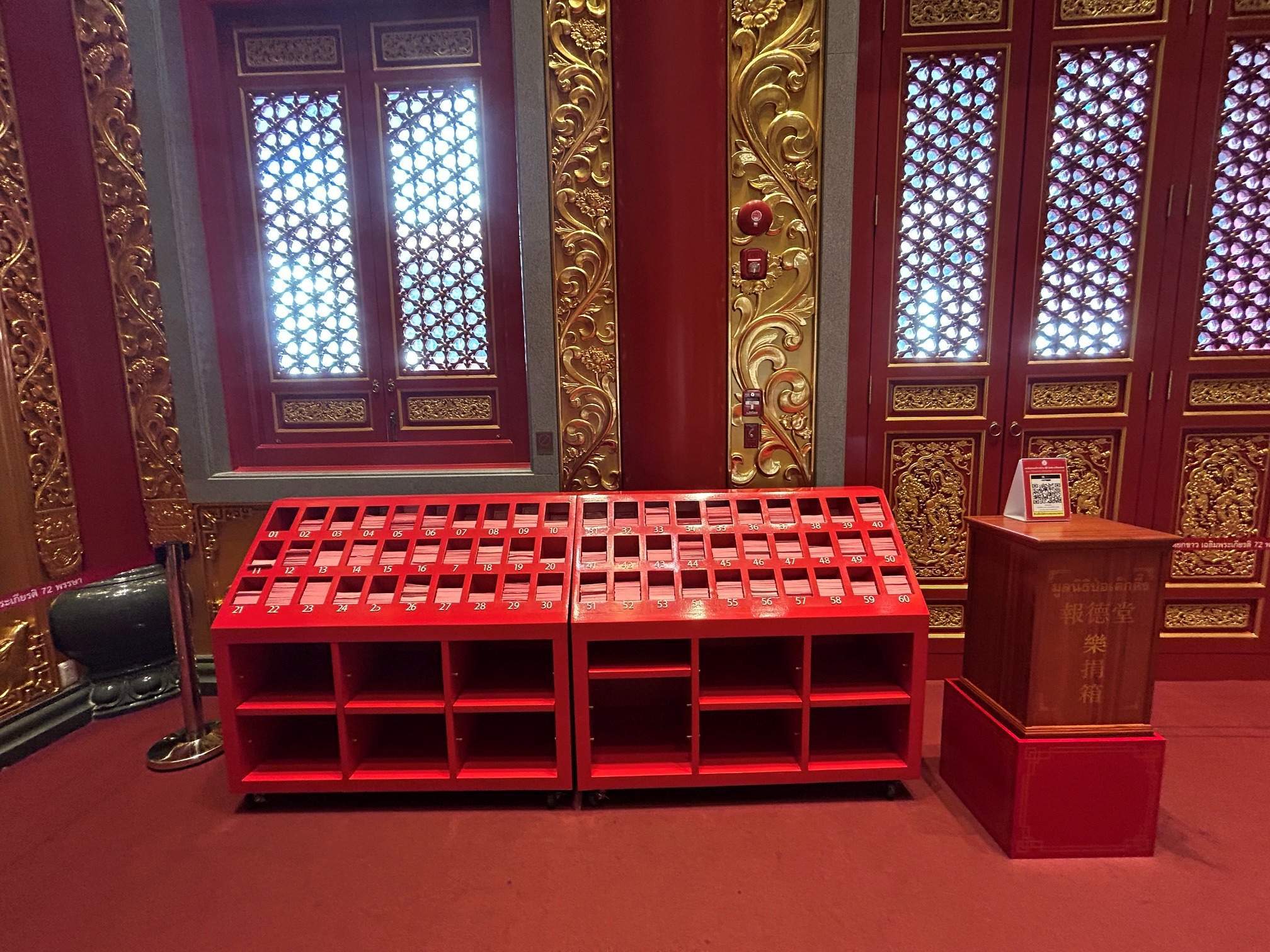
Spanning a massive space of over 4 rai (approx. 6,400 sq. meters) adjacent to the Poh Teck Tung Foundation’s 80th Birthday Commemorative Park, the shrine is constructed in traditional Southern Chinese (Teochew-style) architecture.
Unlike the heavy, enclosed, and insulated courtyard designs of Northern China, Southern Chinese architecture features light, open, and ventilated structures specifically engineered for hot, wet tropical climates. The shrine is designed as a living repository of cultural heritage for future generations, featuring curated artistic collections with detailed interpretive signage developed alongside specialists and scholars.
Visitors can explore six main designated zones:
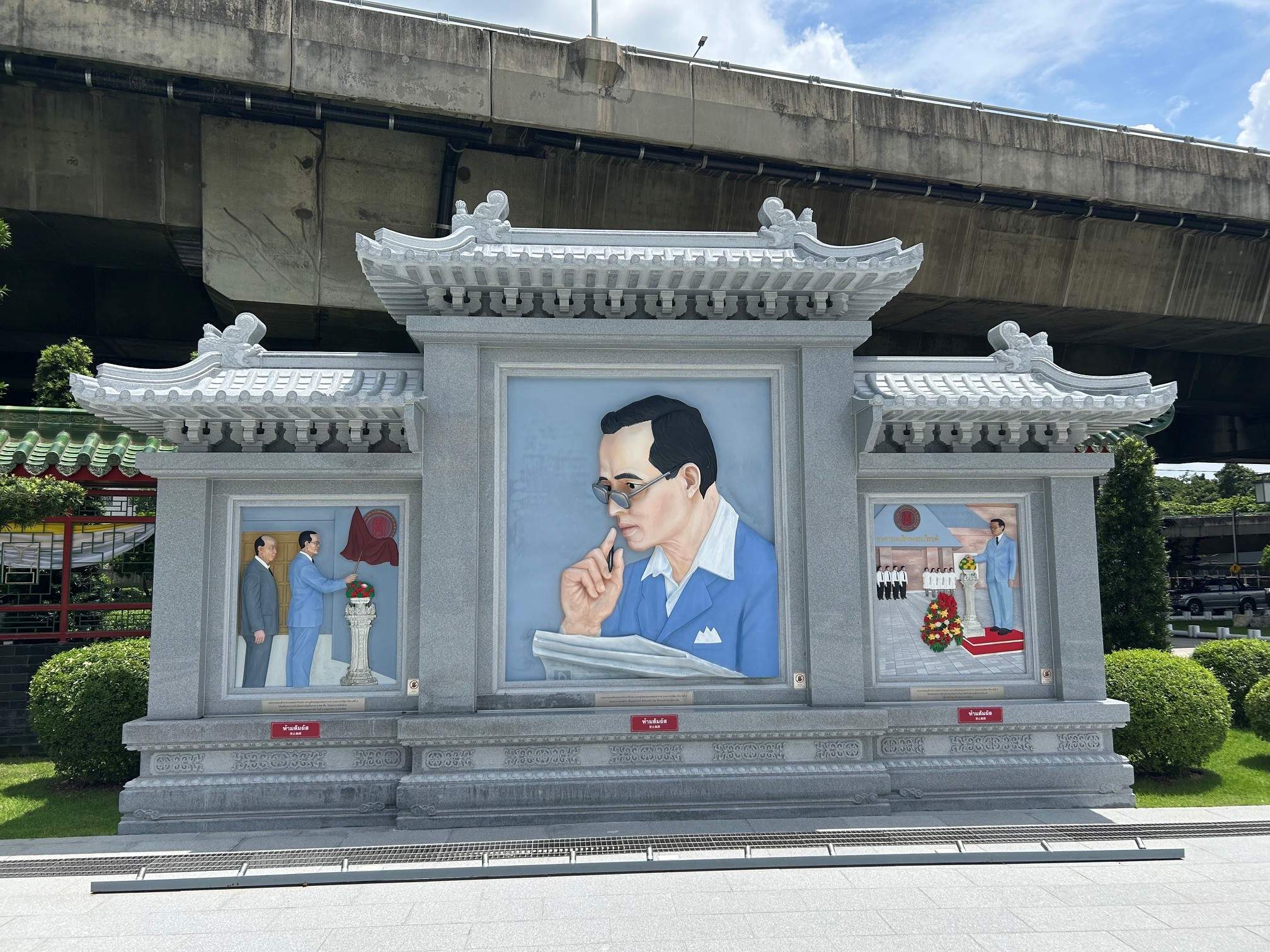
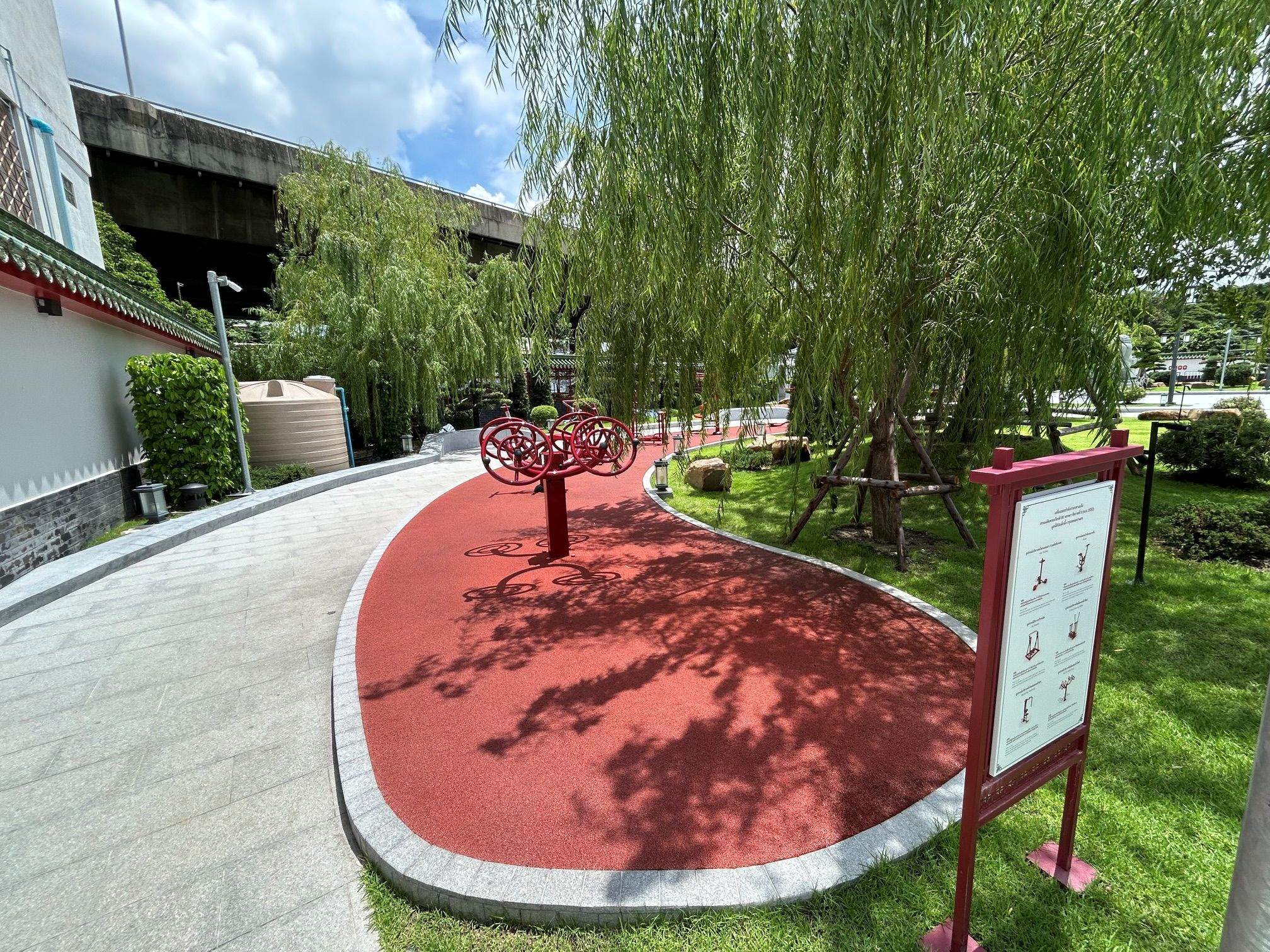
- Shrine Buildings & Courtyards
- Sacred Statues & Holy Objects
- Stone Carving Artworks
- Traditional Chinese Architecture
- Decorative Crafts & Relics
- Rama IX 80th Anniversary Park
11 Exquisite White Jade Deities
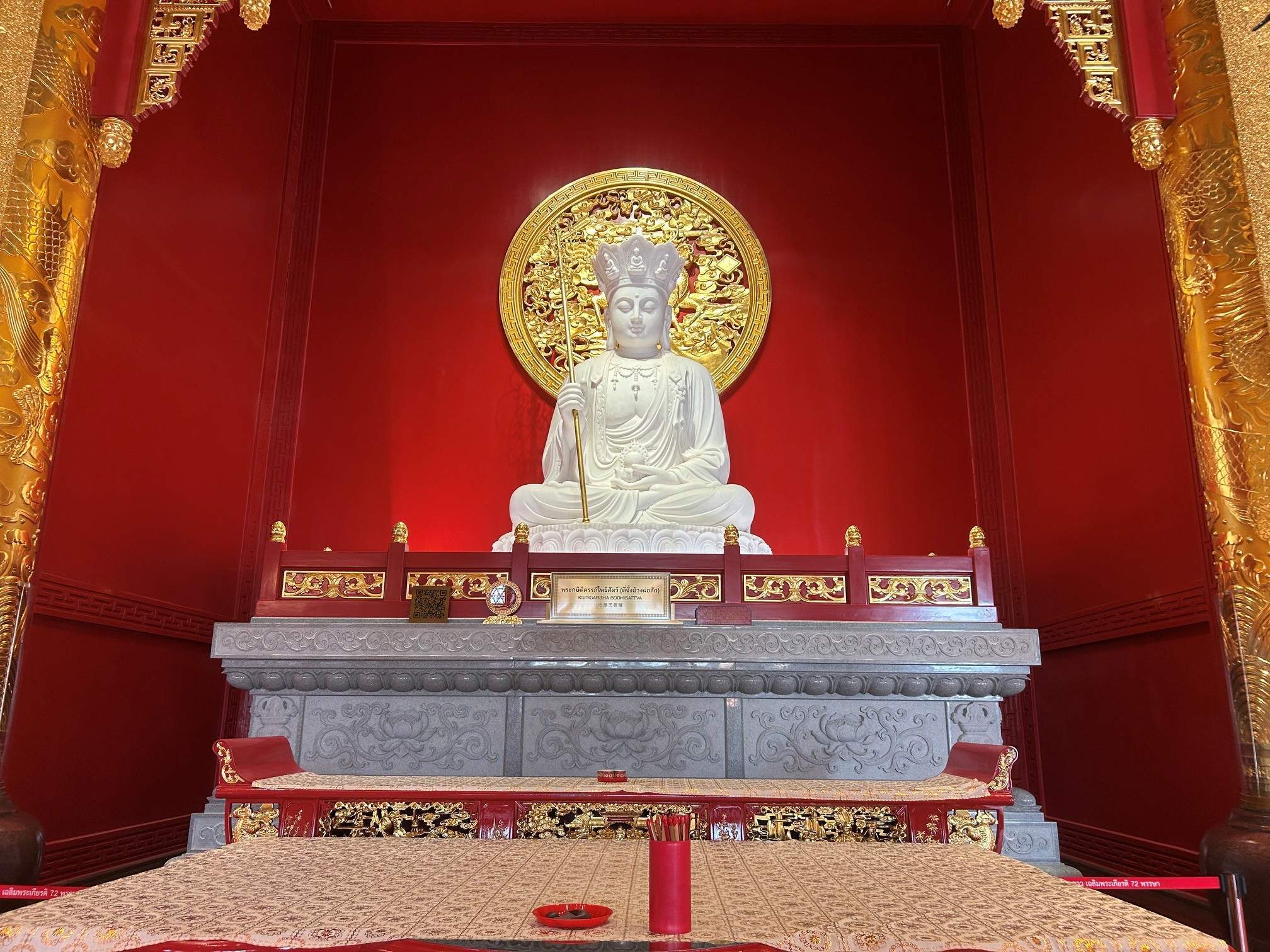
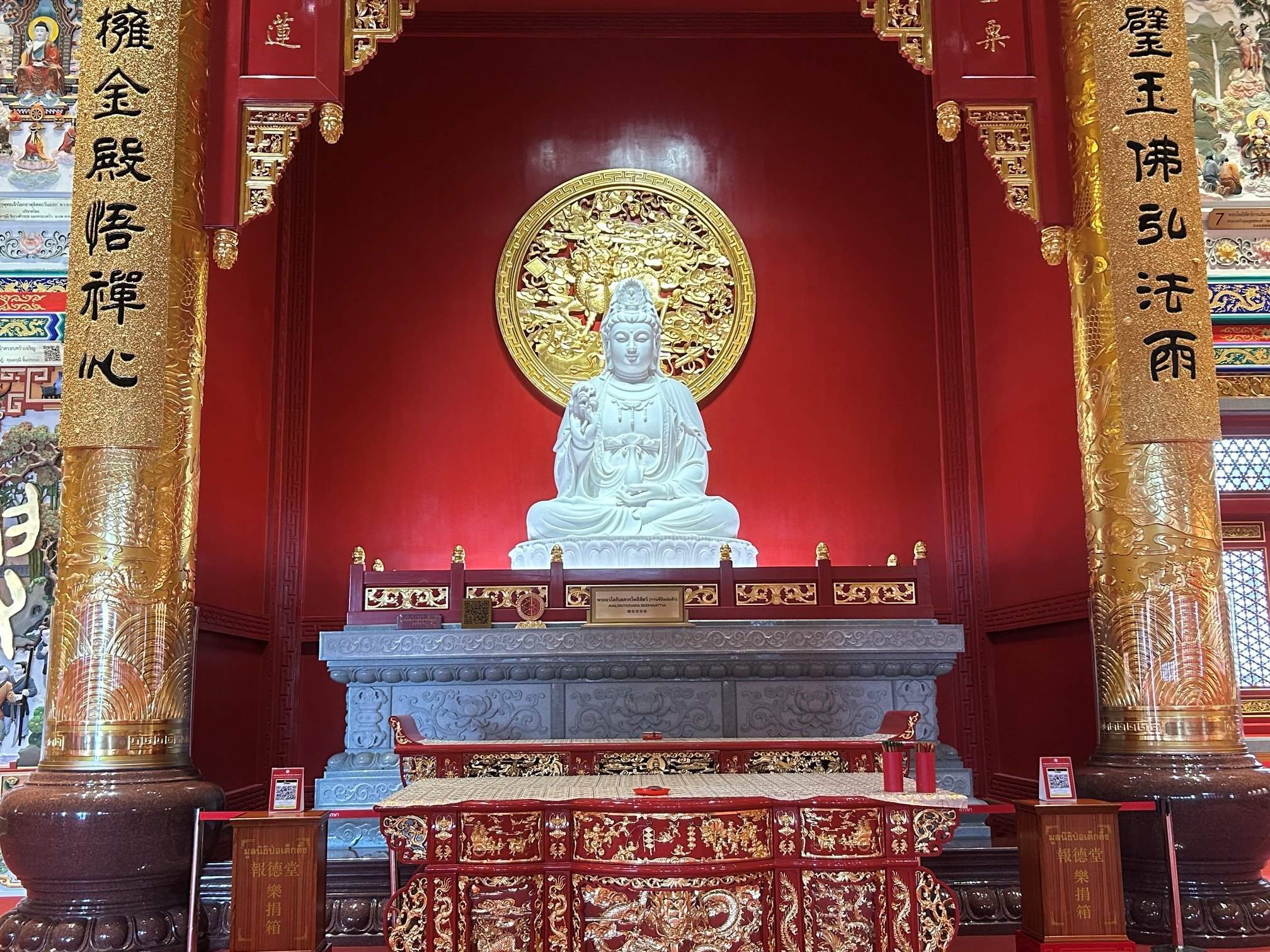
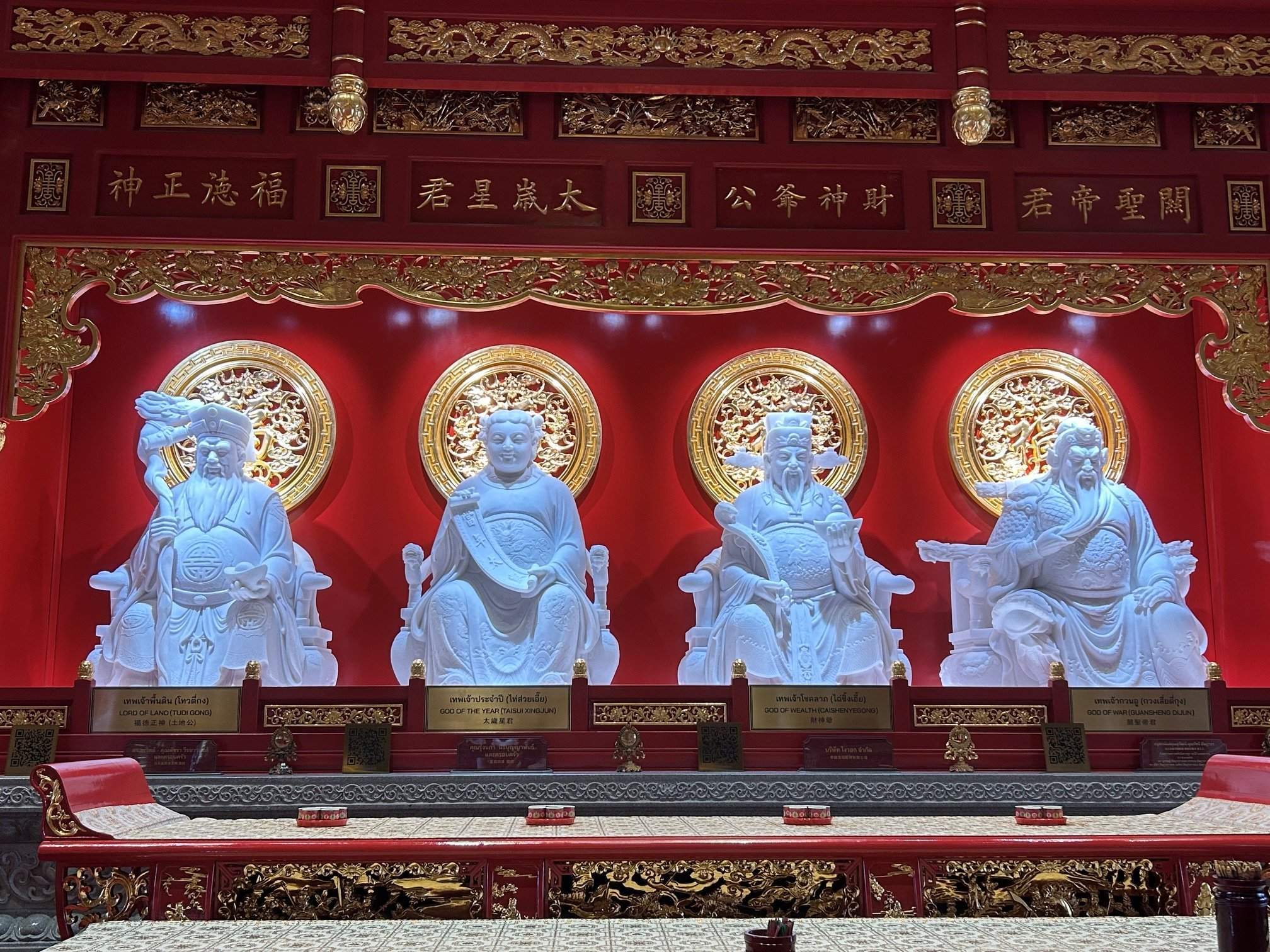
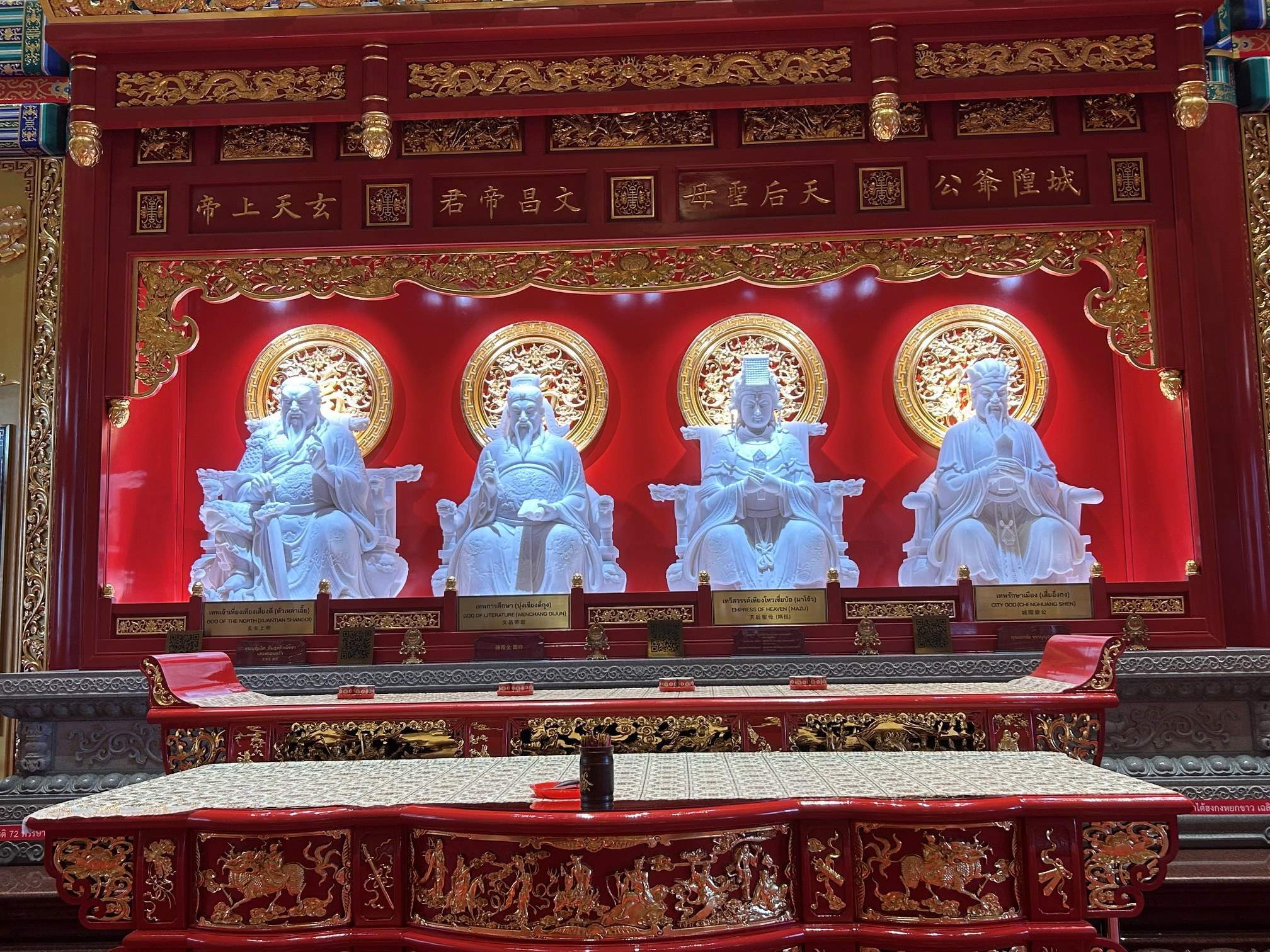
The shrine houses an incredible collection of 11 masterfully carved white jade sacred figures:
- Principal & Flanking Statues: The central hall features Luang Pu Tai Hong (standing 5.10 meters tall), flanked by Bodhisattva Ksitigarbha and Guanyin (each 3.365 meters tall).
- Flanking White Jade Deities:
- Mazu (Goddess of the Sea)
- The Eight Immortals
- Xuanwu (Dark Heavenly Emperor)
- Wenchang Dijun (God of Culture and Literature)
- City God (Chenghuang Gong)
- Earth God (Tudi Gong)
- Tai Sui Ye (Grand Duke Jupiter)
- God of Wealth (Caishen Ye)
- Guan Sheng Dijun (Guan Gong)
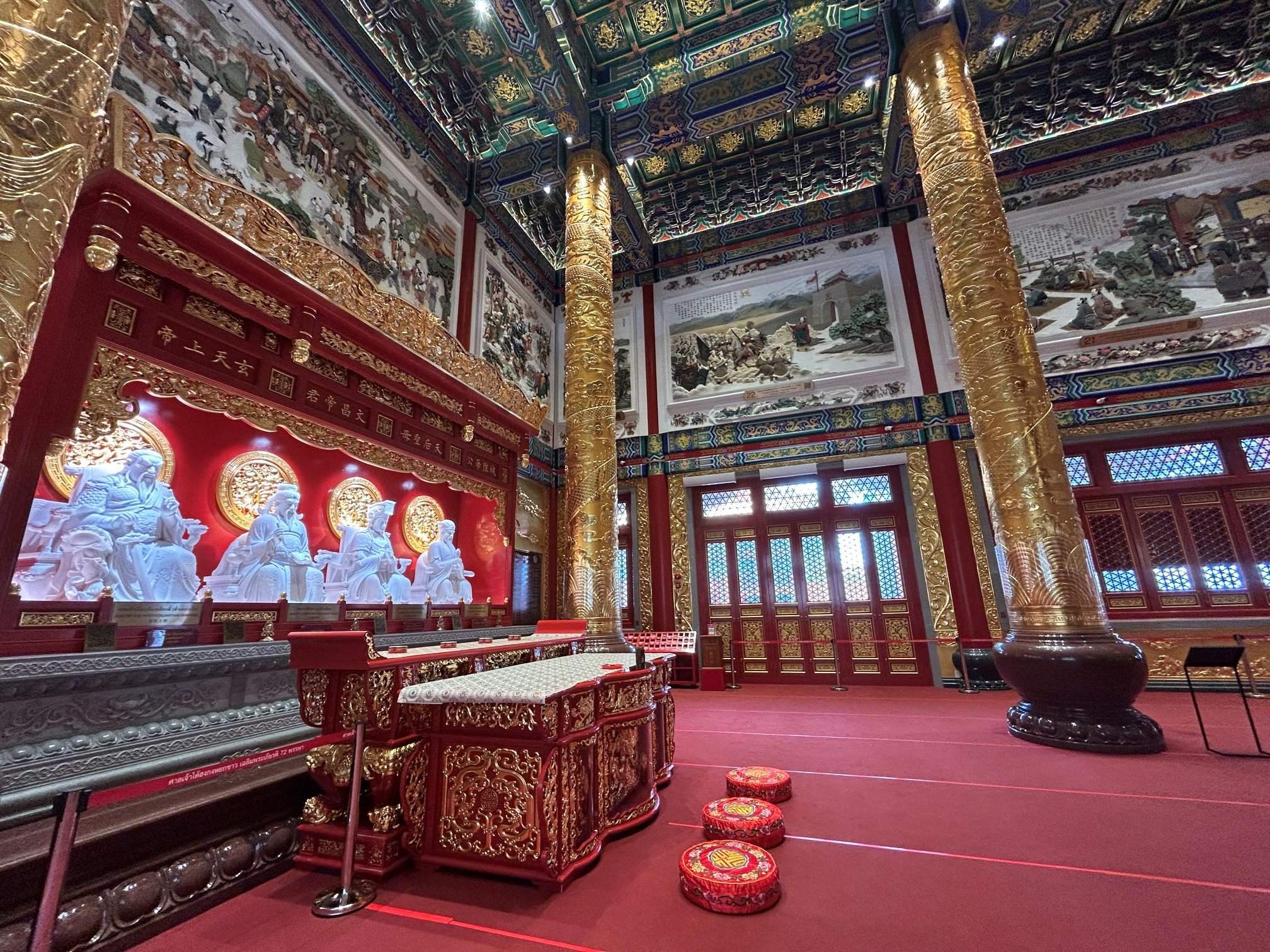
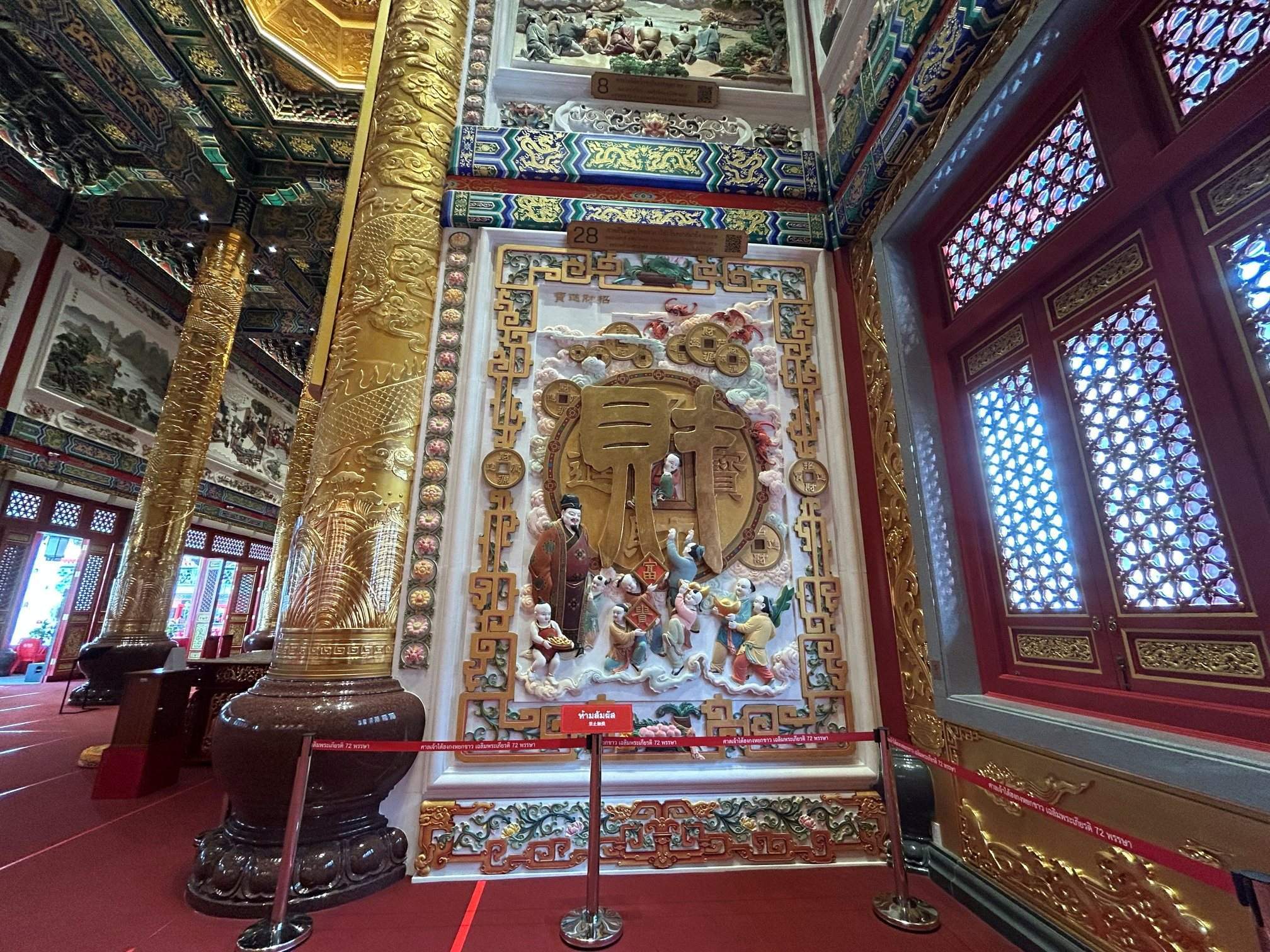
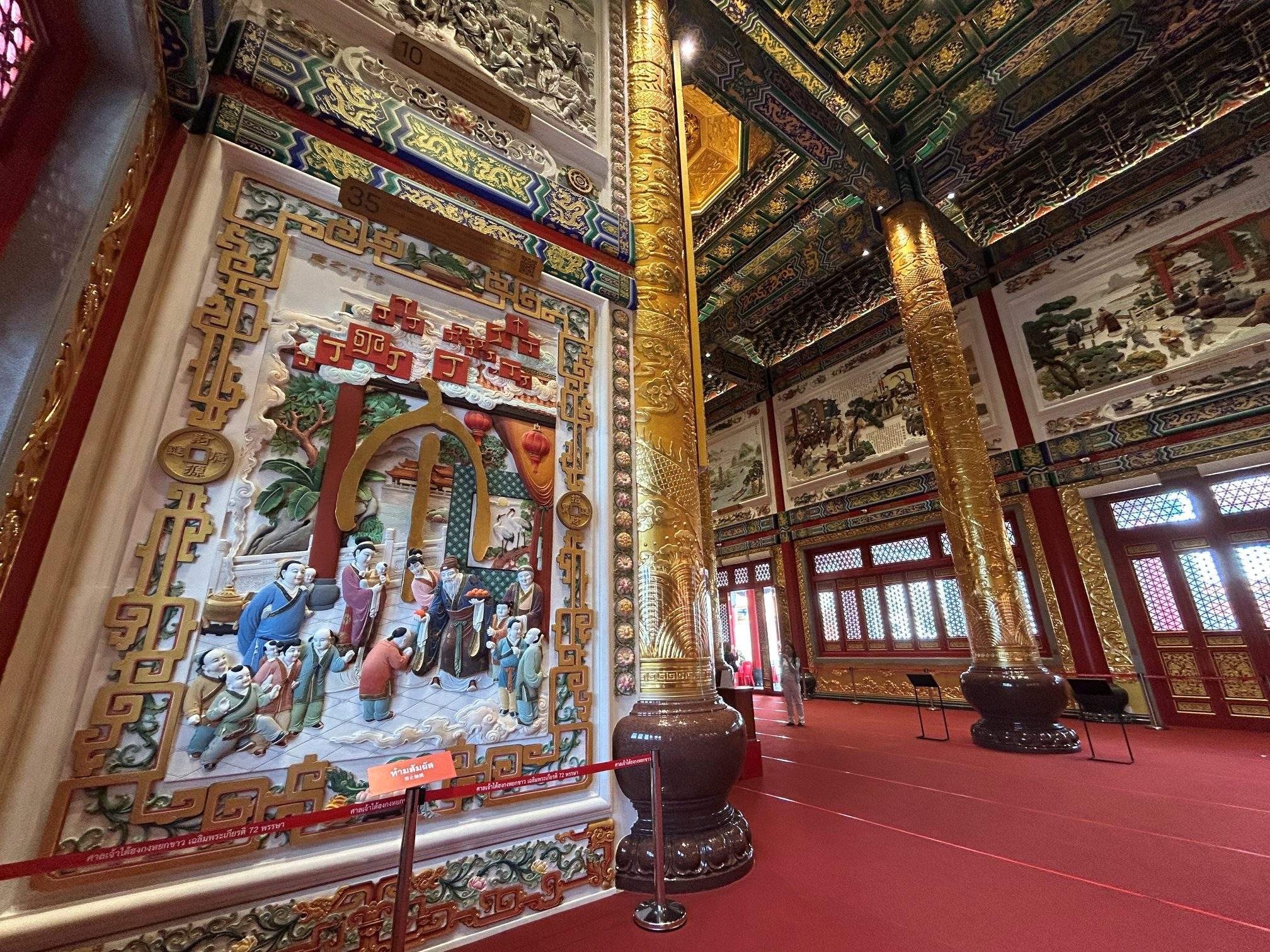
Tip for Visitors: Make sure to look up! To fully appreciate the grand ceiling art and upper decorative panels, you’ll need to crane your neck—or simply step back across the main hall for a wider view.
Master Crafts & Artistic Details
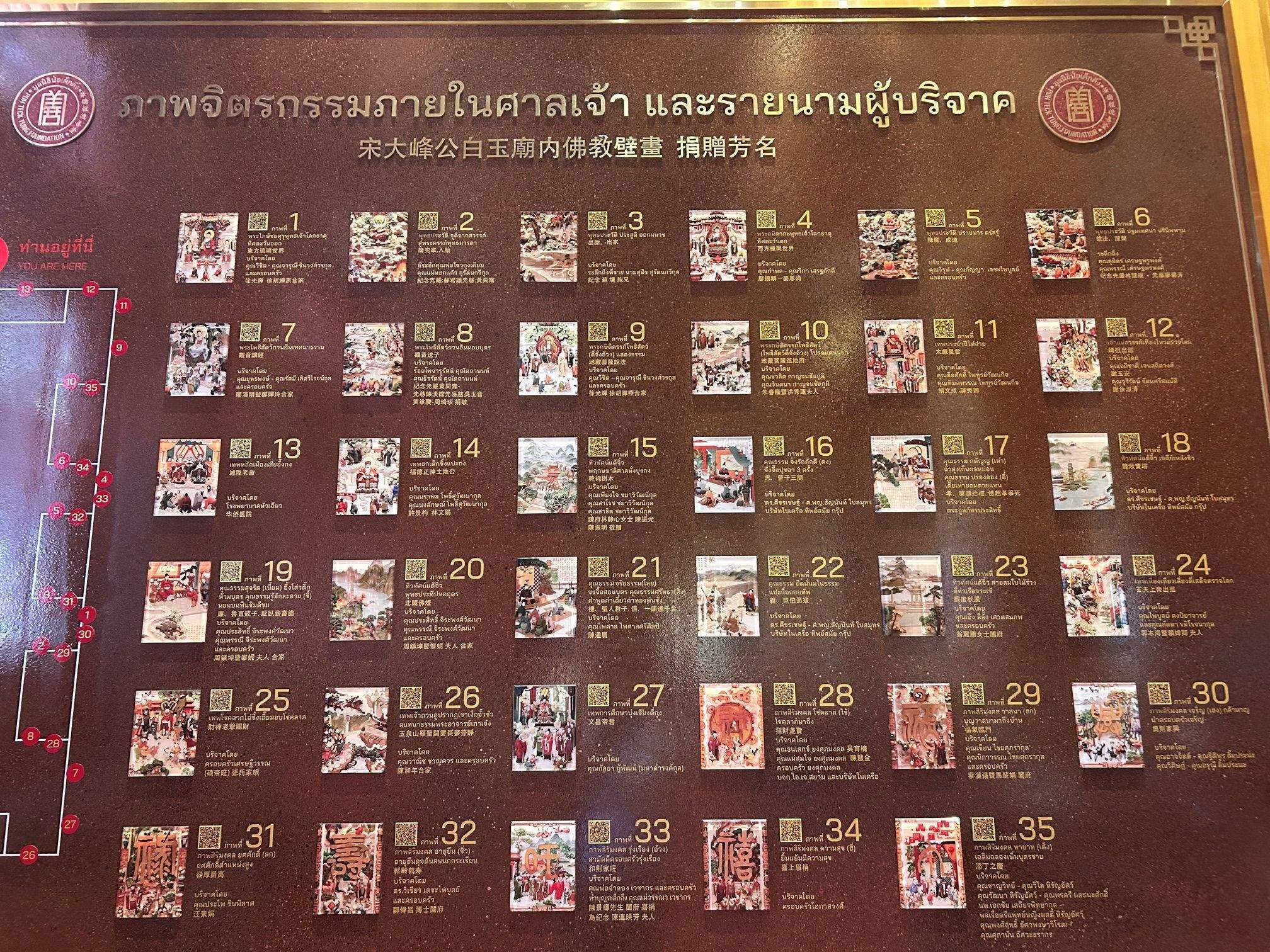
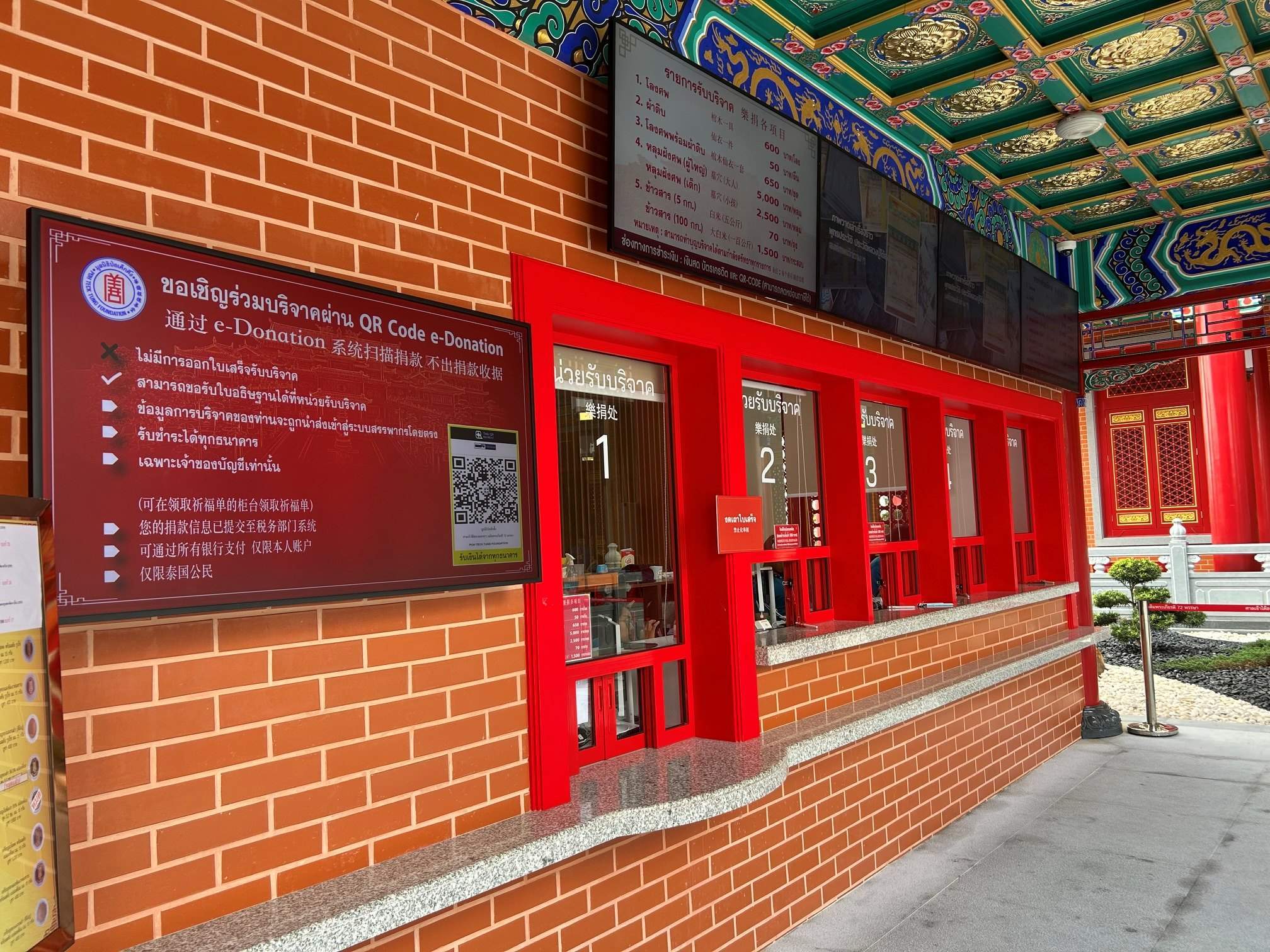
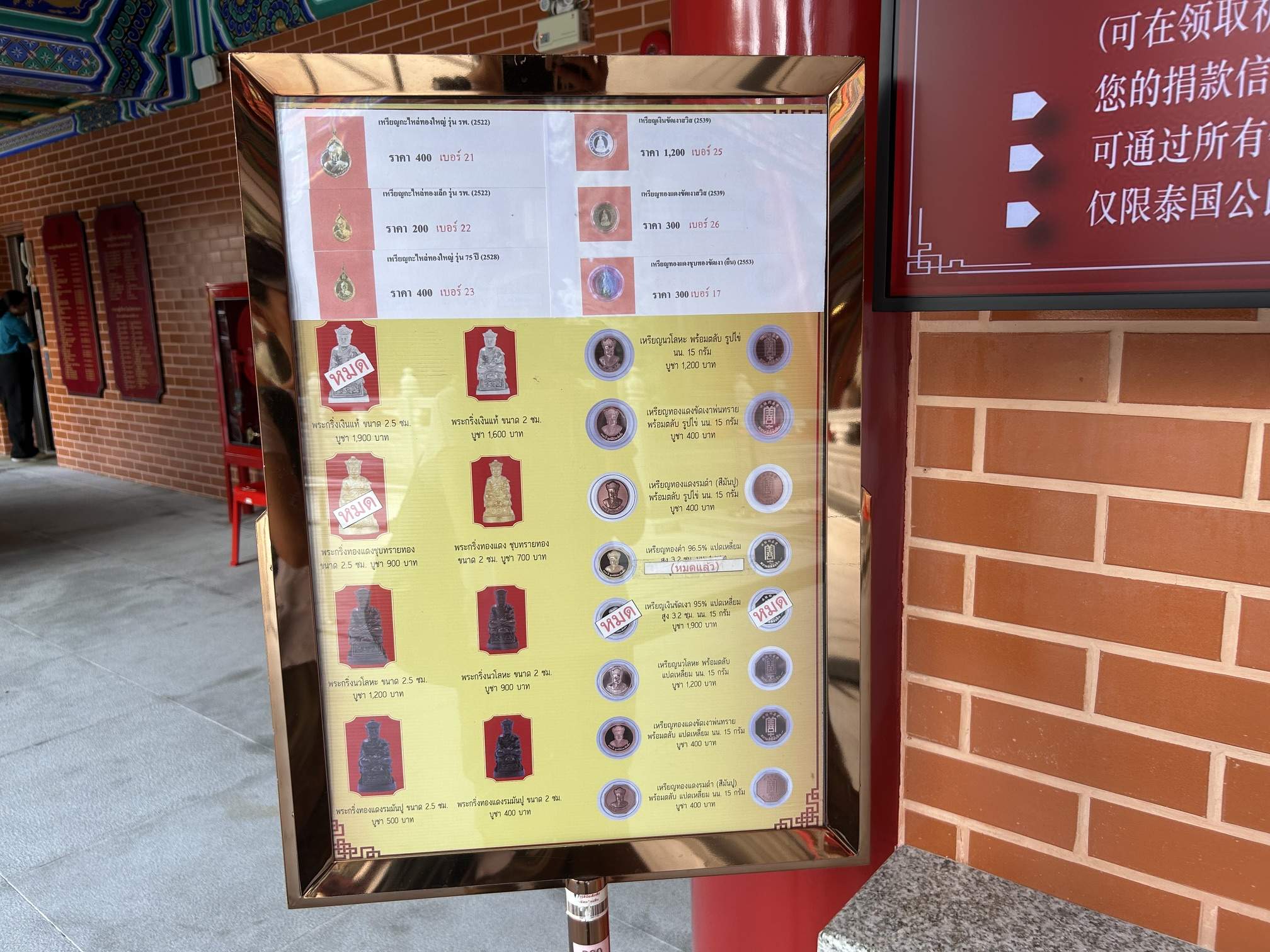
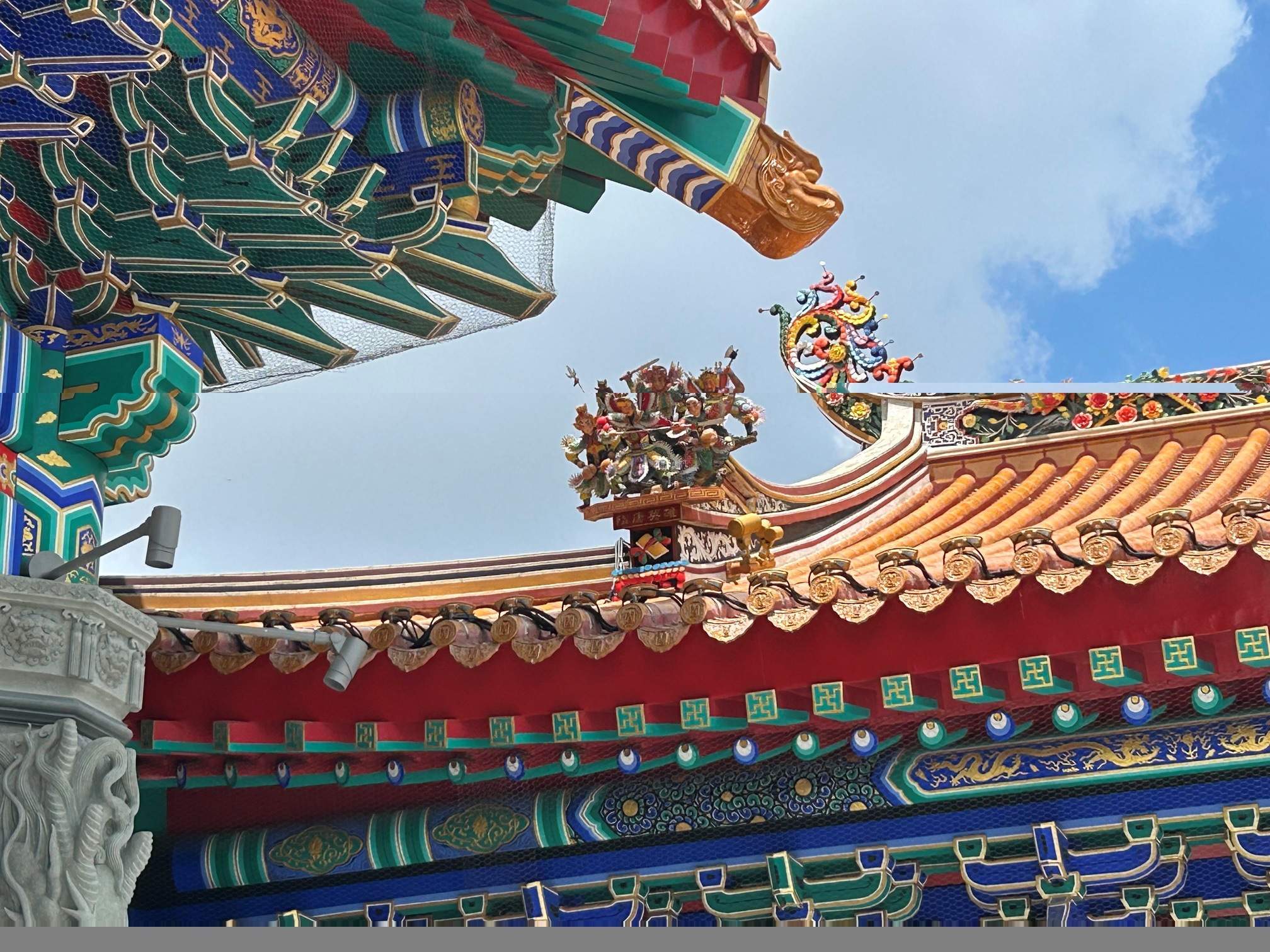
The building itself was made possible through public donations and funding from the Poh Teck Tung Foundation alongside the Thai-Chinese community:
- White Jade Panels: 35 carved and painted white jade panels depicting sacred Buddhist figures and traditional moral teachings.
- Granite Reliefs: 11 outer granite relief carvings that visually narrate the life story of Luang Pu Tai Hong.
- Architectural Stone & Porcelain: Features authentic red granite columns carved with intricate dragon motifs and sweeping roofs decorated with cut-porcelain ceramic craftsmanship.
⏰ Visiting Hours & Guided Tour Logistics
- Opening Hours: Daily from 7:00 AM – 6:00 PM (Fridays open until 7:00 PM)
- Official Website: pohtecktung.org
Booking a Guided Tour
If you want an educational walkthrough led by shrine staff, you can book in advance via the Poh Teck Tung Reservation Portal:
- Tour Times: 9:30 AM and 2:00 PM (Monday to Friday only; no guided tours on weekends)
- Group Size: Up to 30 seats per slot (Minimum requirement of 10 visitors per booking)
- Booking Window: Reservations open up to 3 months in advance