The Ultimate Guide to Wat Mangkon Kamalawat (Wat Leng Noei Yi): The Spiritual Heart of Bangkok’s Chinatown
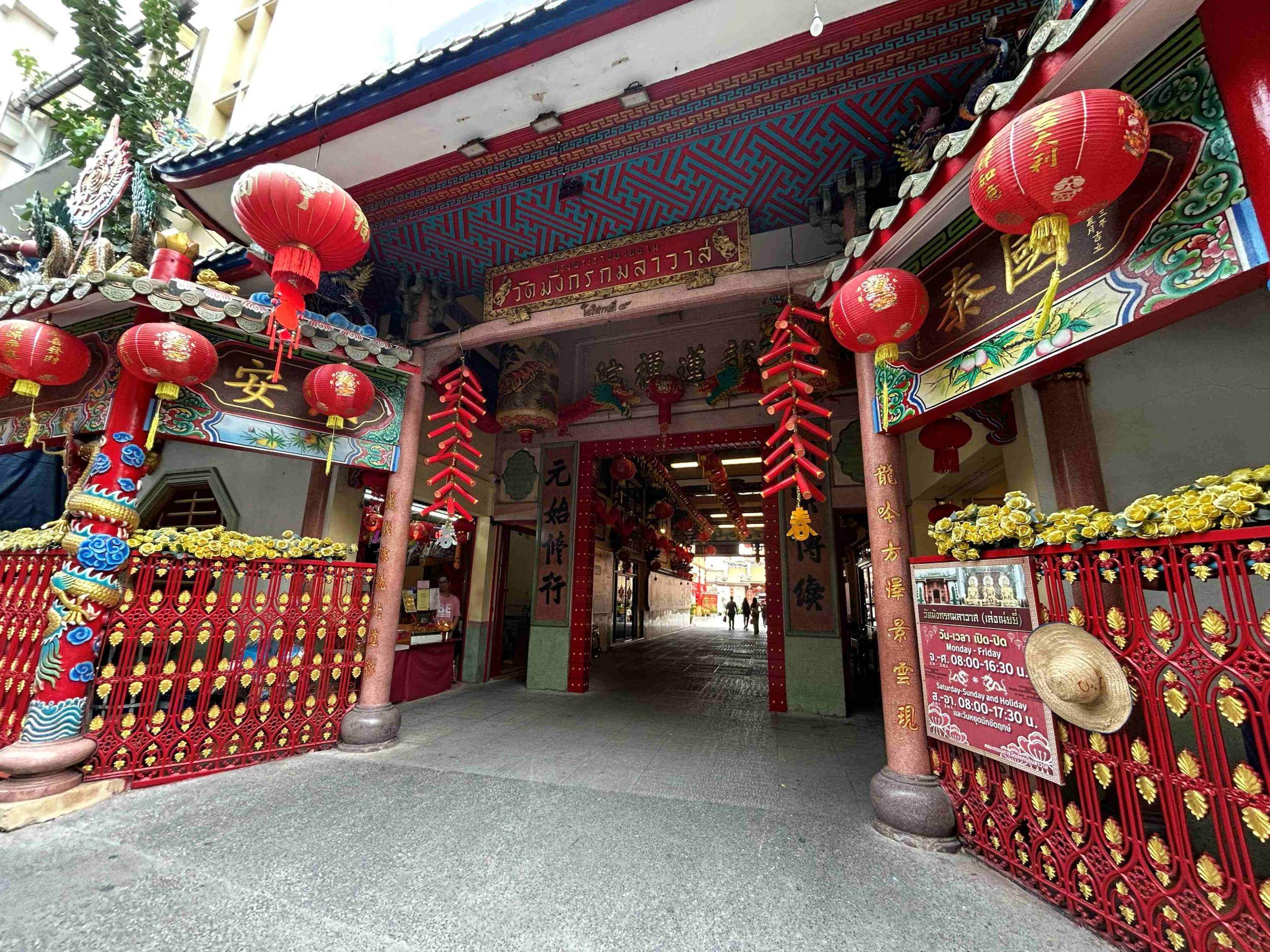
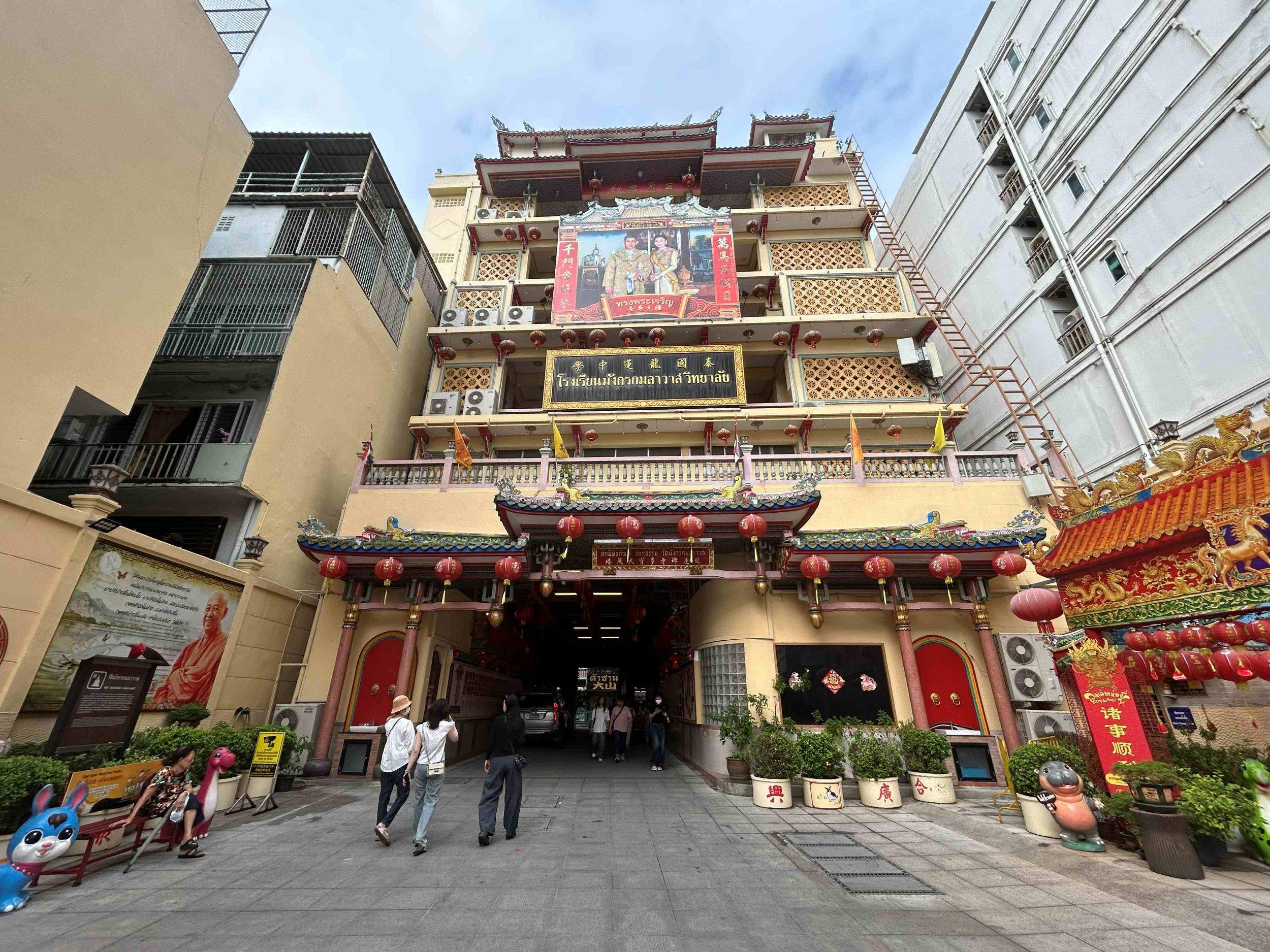
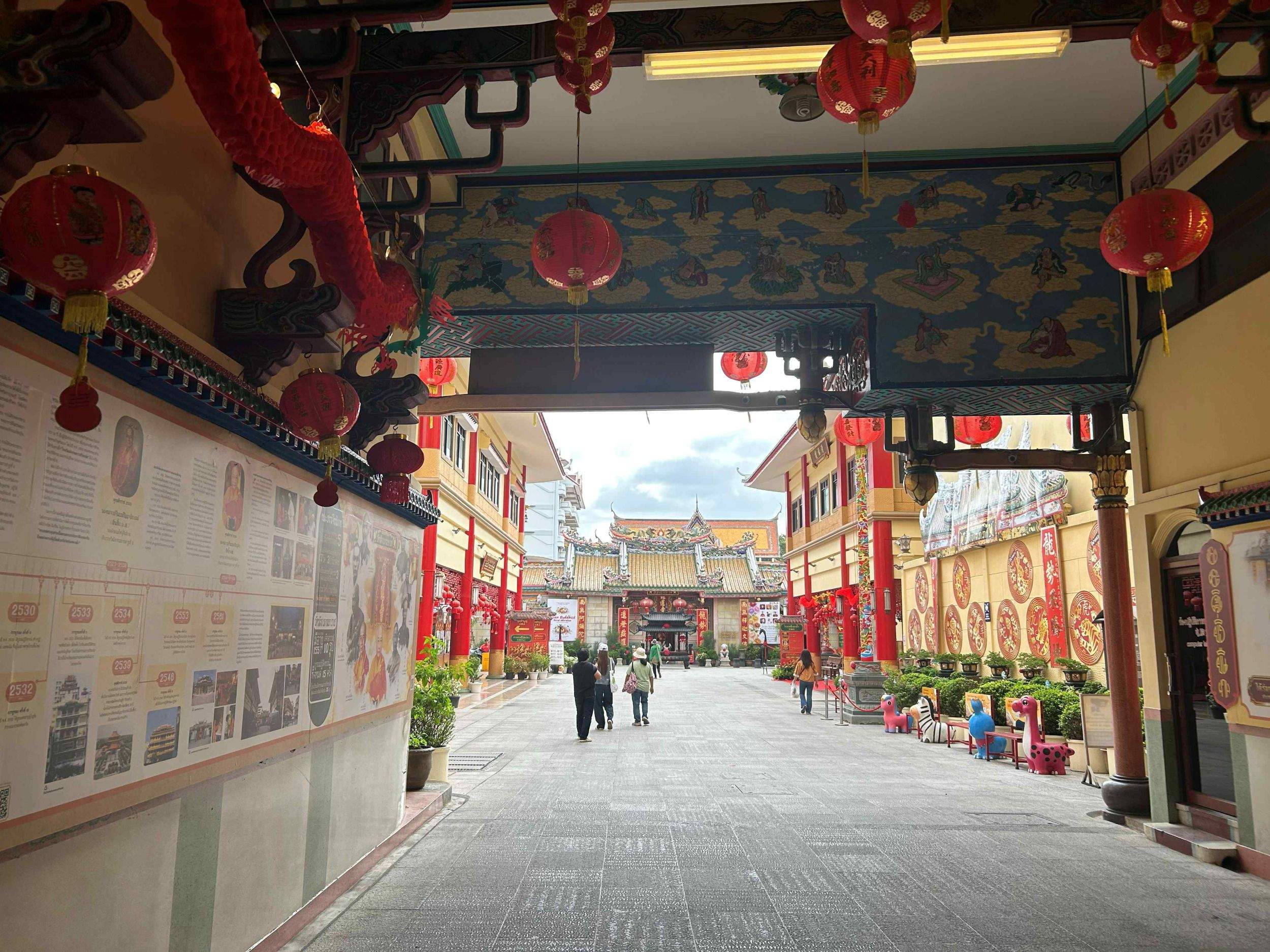
Wat Mangkon Kamalawat is a temple I’ve stepped into countless times over the years—thanks to its prime location in Chinatown and direct MRT access—yet surprisingly, I’ve never dedicated a proper post to it on the blog.
Recently, I’ve embarked on a personal journey into my husband’s ancestral roots, giving me a much deeper appreciation for the rich heritage and longevity of Chinese culture in Thailand. If you can only fit a single Chinese temple into your Bangkok itinerary, Wat Mangkon is undoubtedly the one to choose. As Bangkok’s largest and most significant Chinese-Buddhist temple, it serves as a powerful spiritual anchor for the local Thai-Chinese community.
From “Lotus” to “Dragon”: A Brief History
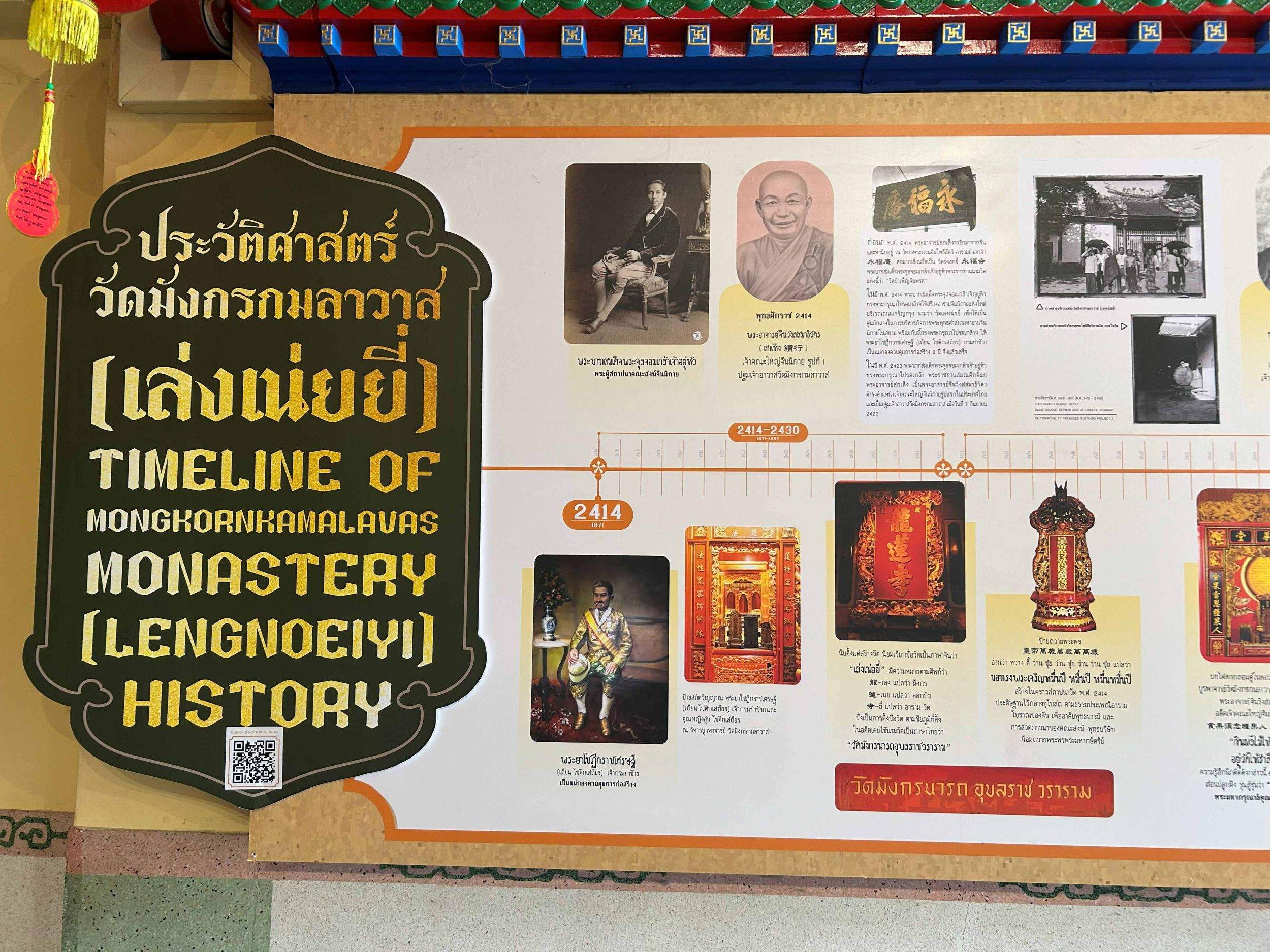
Founded in 1871 (with construction spanning from 1871 to 1879) in the bustling commercial heart of Chinatown (Yaowarat), the temple was established by the Chinese monk Phra Ajarn Chin Wang Samathiwat (Sok Heng) to serve the rapidly growing Teochew immigrant community.
Before 1871, Phra Ajarn Sokheng had journeyed from China and resided at the Guanyin Bodhisattva Temple (Yongfu’an Monastery, later named Wat Bamphen Chinphrot by King Chulalongkorn). Recognizing the need for a central sanctuary, King Rama V graciously ordered the construction of a new Chinese Mahayana temple on Charoen Krung Road to serve as the administrative center for Chinese Mahayana Buddhism in Siam, appointing Phraya Chokrachasetthi as the chief supervisor.
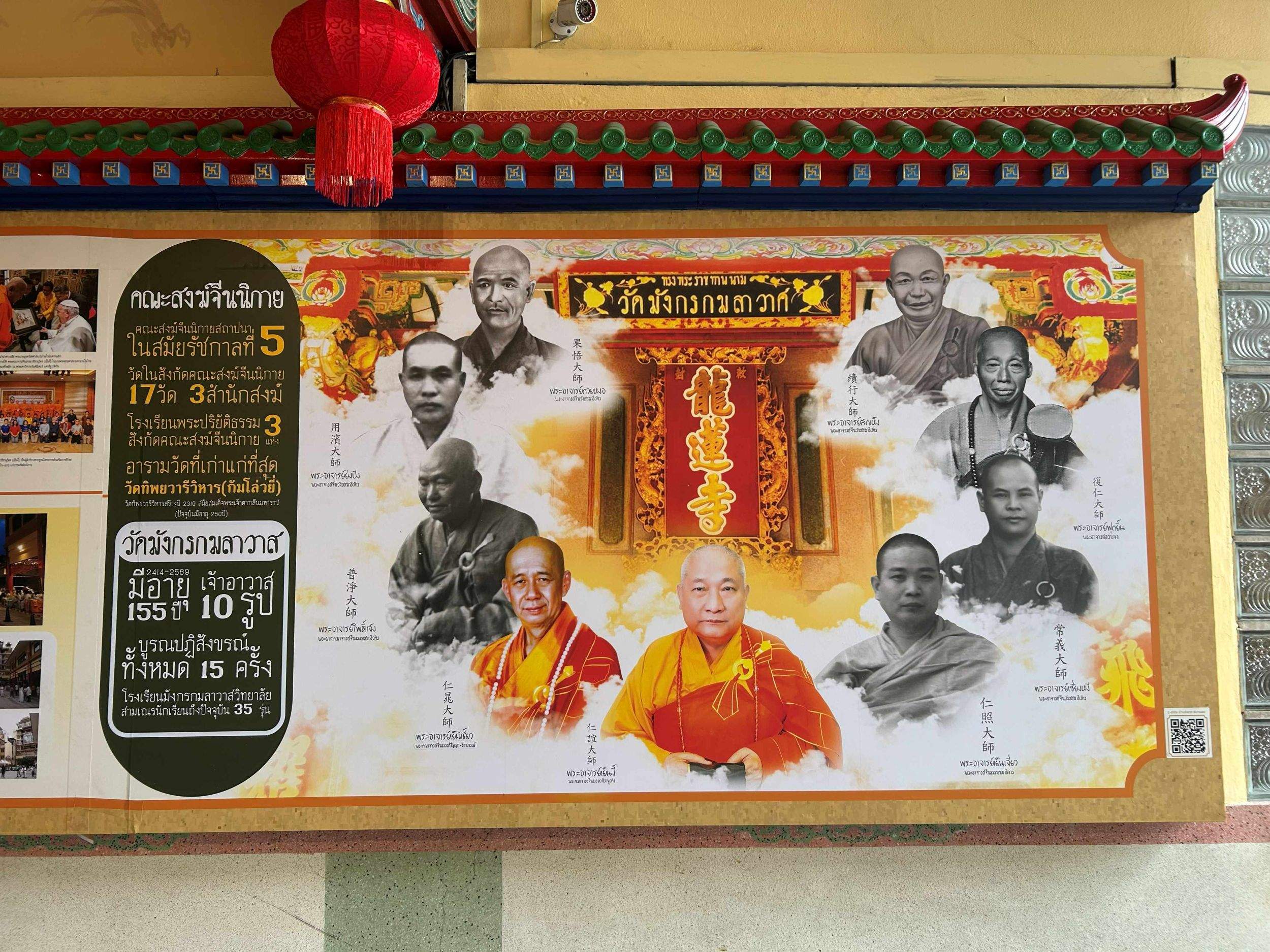
By September 1880, following the completion of the eight-year construction, King Rama V bestowed an official ecclesiastical title upon Phra Ajarn Sokheng, appointing him as the first Chief Abbot of the Chinese Buddhist sect in Thailand and the official first abbot of Wat Mangkon Kamalawat.
The temple’s original name was Wat Leng Noei Yi (วัดเล่งเน่ยยี่ / 龍蓮寺 – Lónglián Sì in Mandarin):
- 龍 (Leng) means Dragon
- Nei means Lotus Enclosure
- Yi means Monastery/Temple
Later, King Rama V bestowed its official, royal Thai name: Wat Mangkon Kamalawat (Dragon Lotus Temple). Built in the classic Teochew architectural style, every corner of the sanctuary showcases traditional southern Chinese craftsmanship—from sweeping tiled roofs and intricate wooden carvings to grand courtyard layouts.
📜 Did You Know? The temple belongs to the Chinese Mahayana Buddhist sect in Thailand, which was formally established during the reign of King Rama V and now oversees 17 temples nationwide. Over its 150+ year history, Wat Mangkon has undergone 15 major renovations and continues to train novice monks through its on-site college.
A Rare, Peaceful Morning Experience
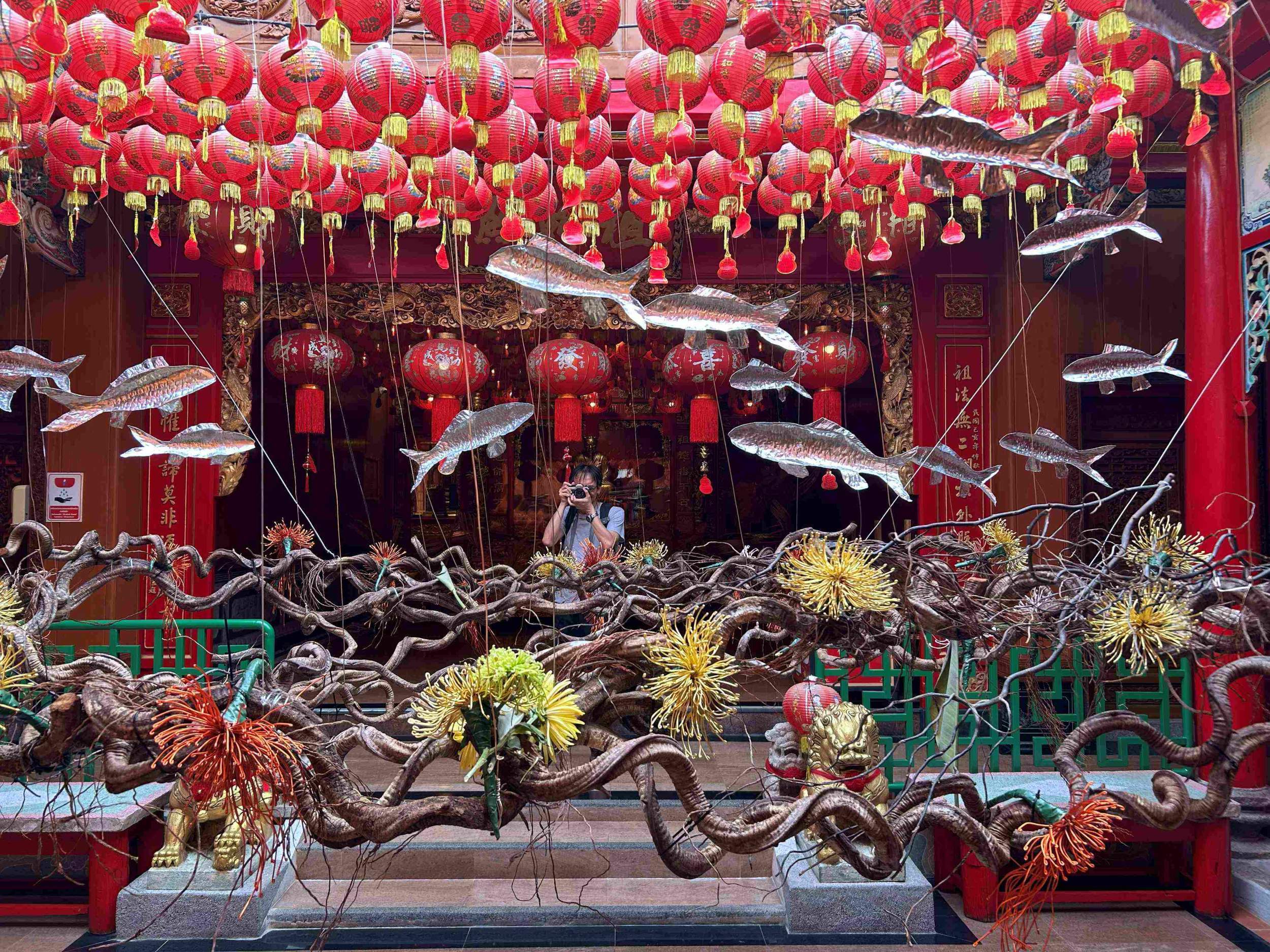
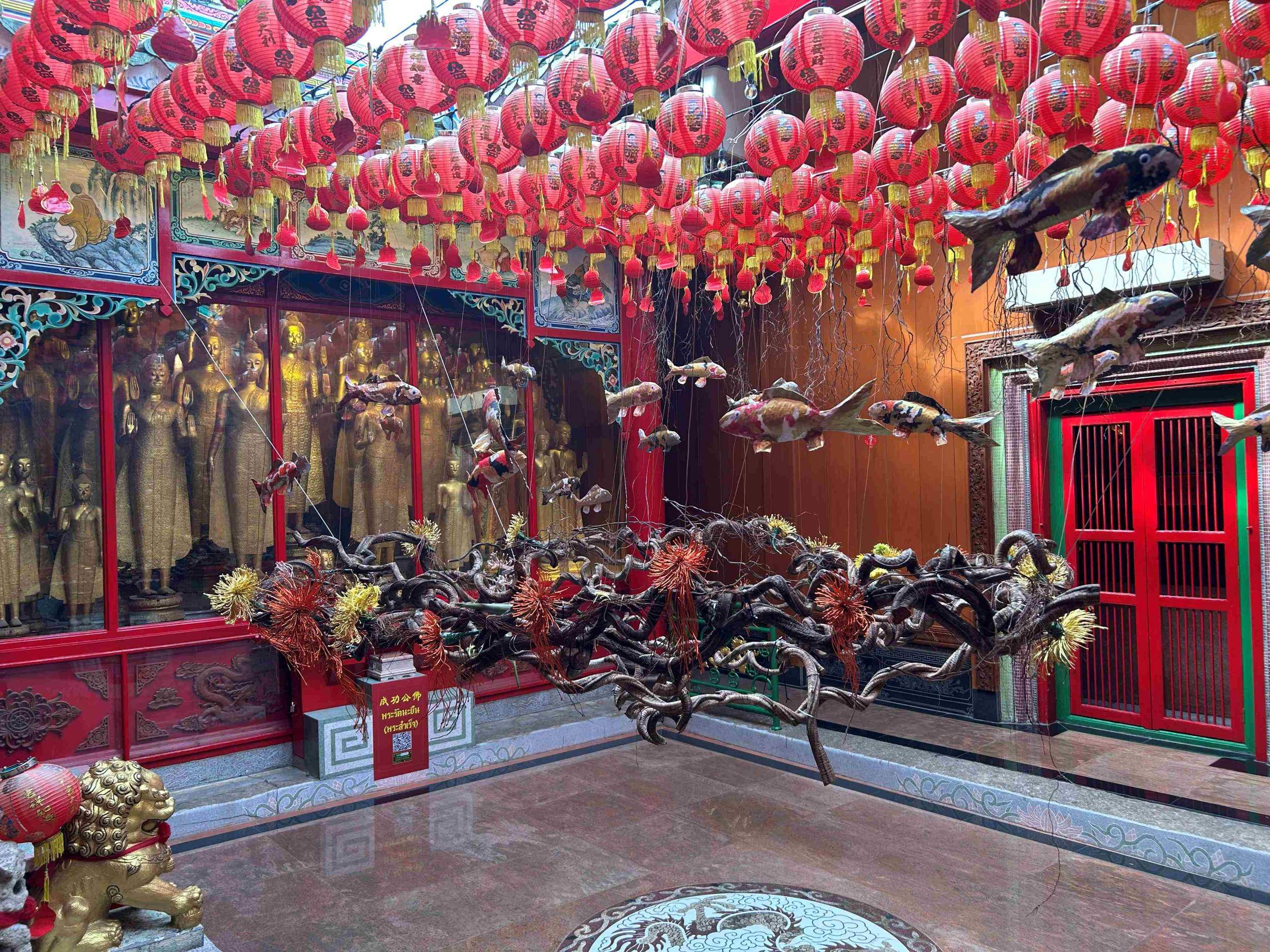
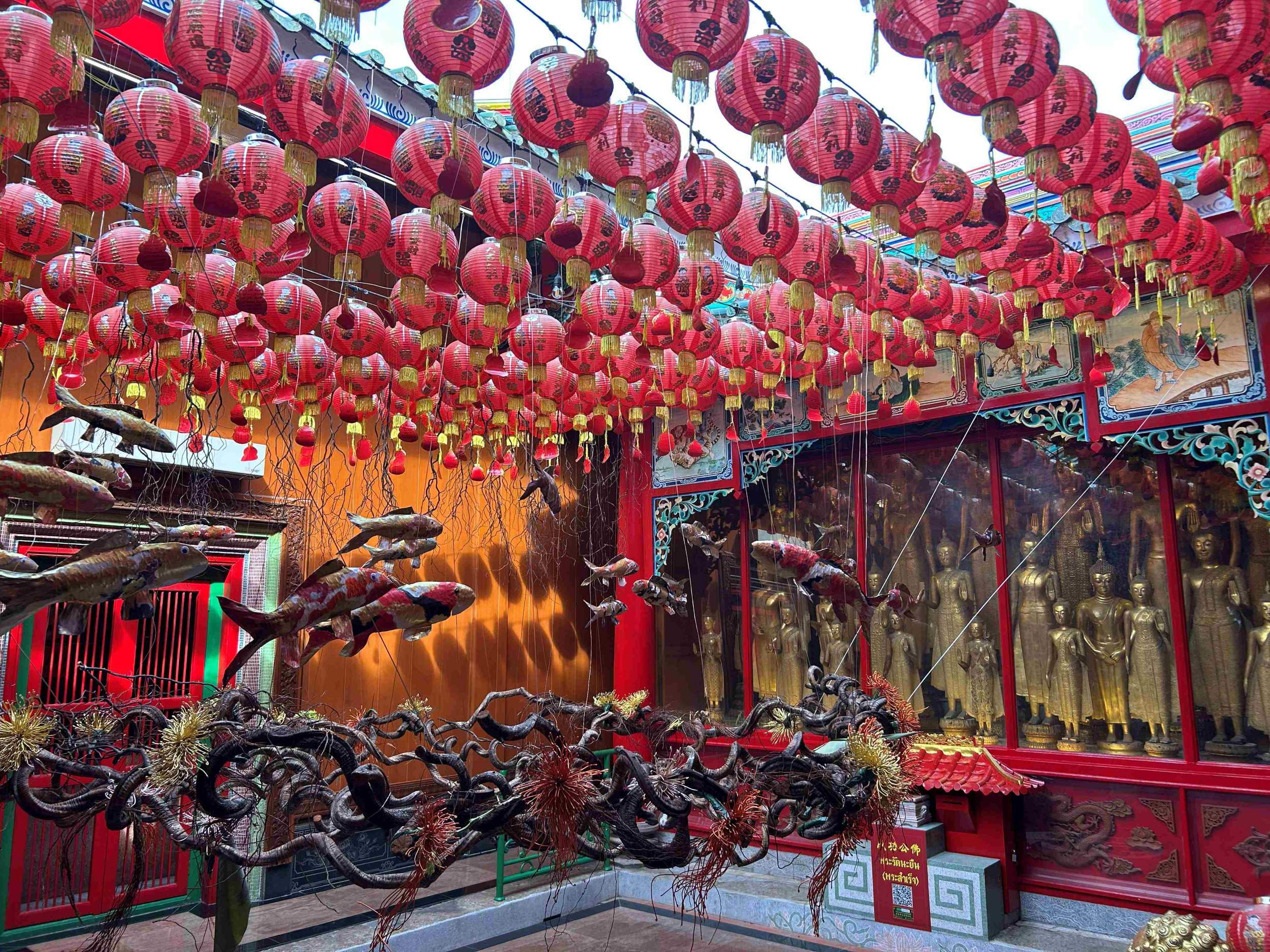
Despite my many visits over the years, this trip felt completely different. We arrived early around 8:40 AM, and for the first time ever, the grounds were beautifully quiet with minimal crowds.
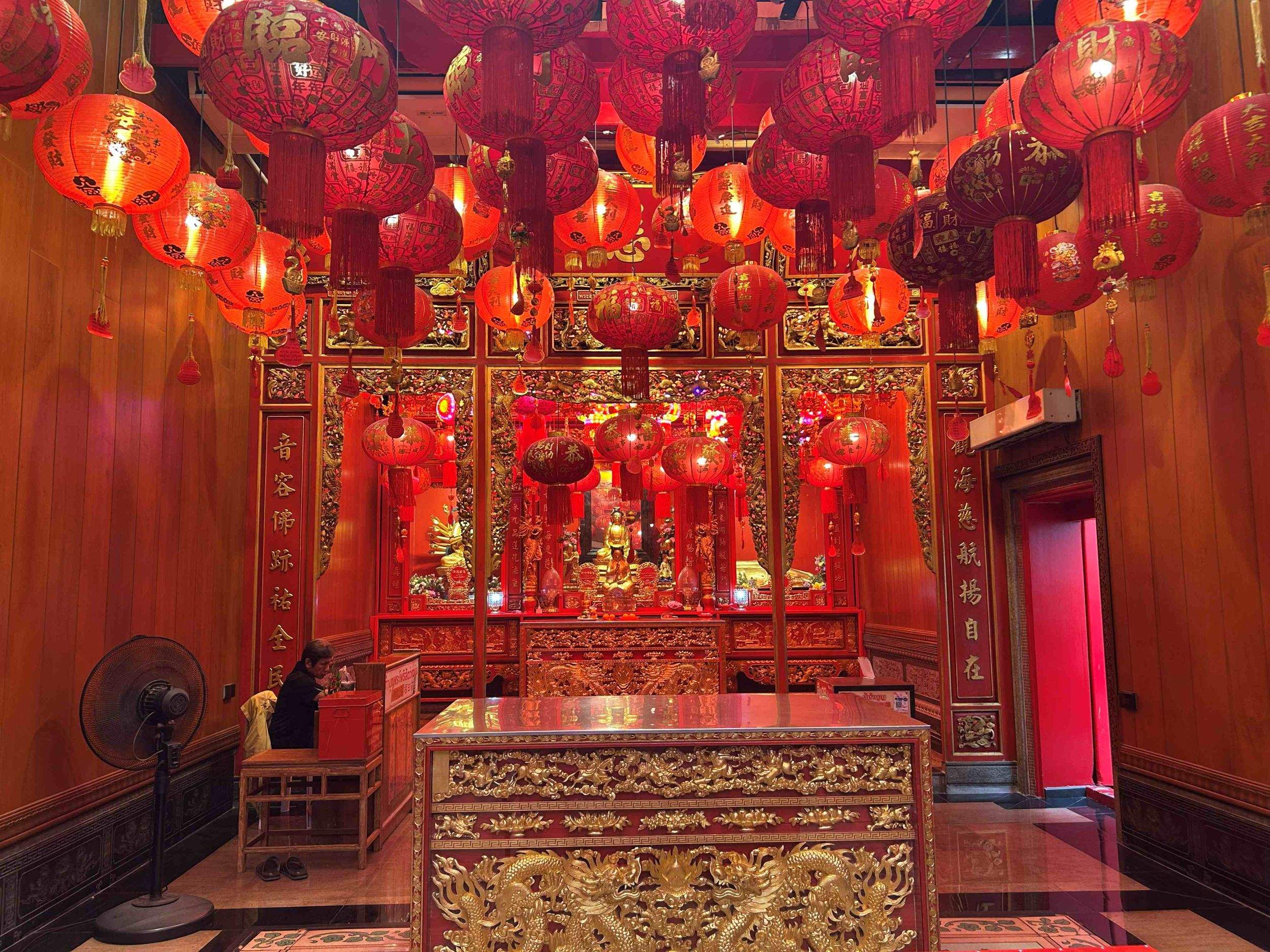
Arriving before the midday rush allowed me to slow down and truly admire the temple’s magnificent architecture, take in the vast layout, and observe the specific rituals honoring the various deities housed within.
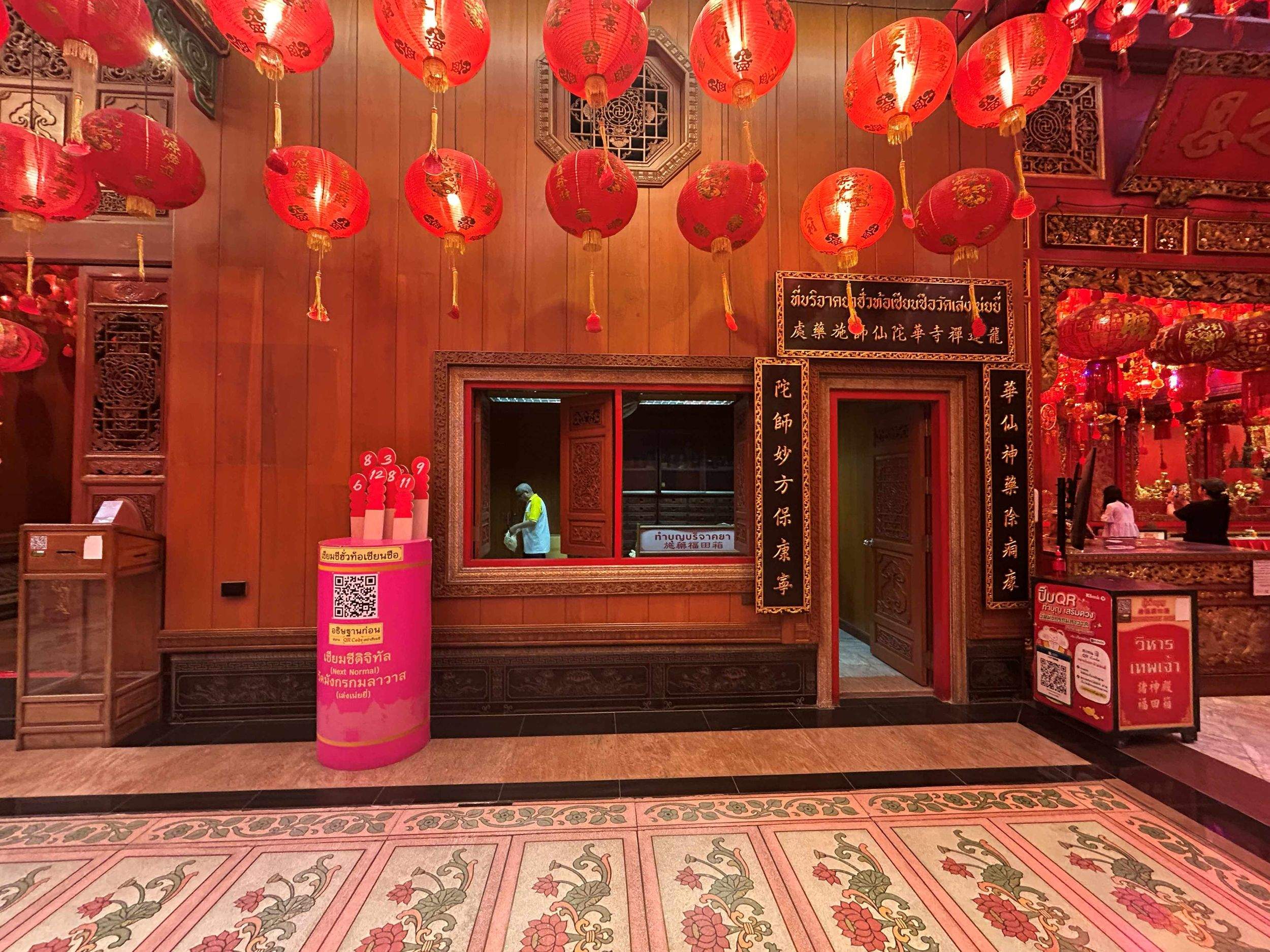
While exploring, I also noticed a dedicated merit-making station where visitors can donate medicine for those in need—a wonderful reflection of the temple’s deep-rooted community spirit.
Paper Slips vs. Digital Fortunes
I fondly recalled earlier visits when you could shake the traditional bamboo cylinder (Kau Cim) and match your fallen numbered stick to a printed slip containing an ancient poem or reflective advice. Today, Wat Mangkon has embraced modern tech—you can simply scan a QR code to view your fortune digitally on your phone! (Though physical paper slips remain available for purists who prefer the traditional method).
Navigating the Zodiac & Changing Your Luck (Pee Chong)
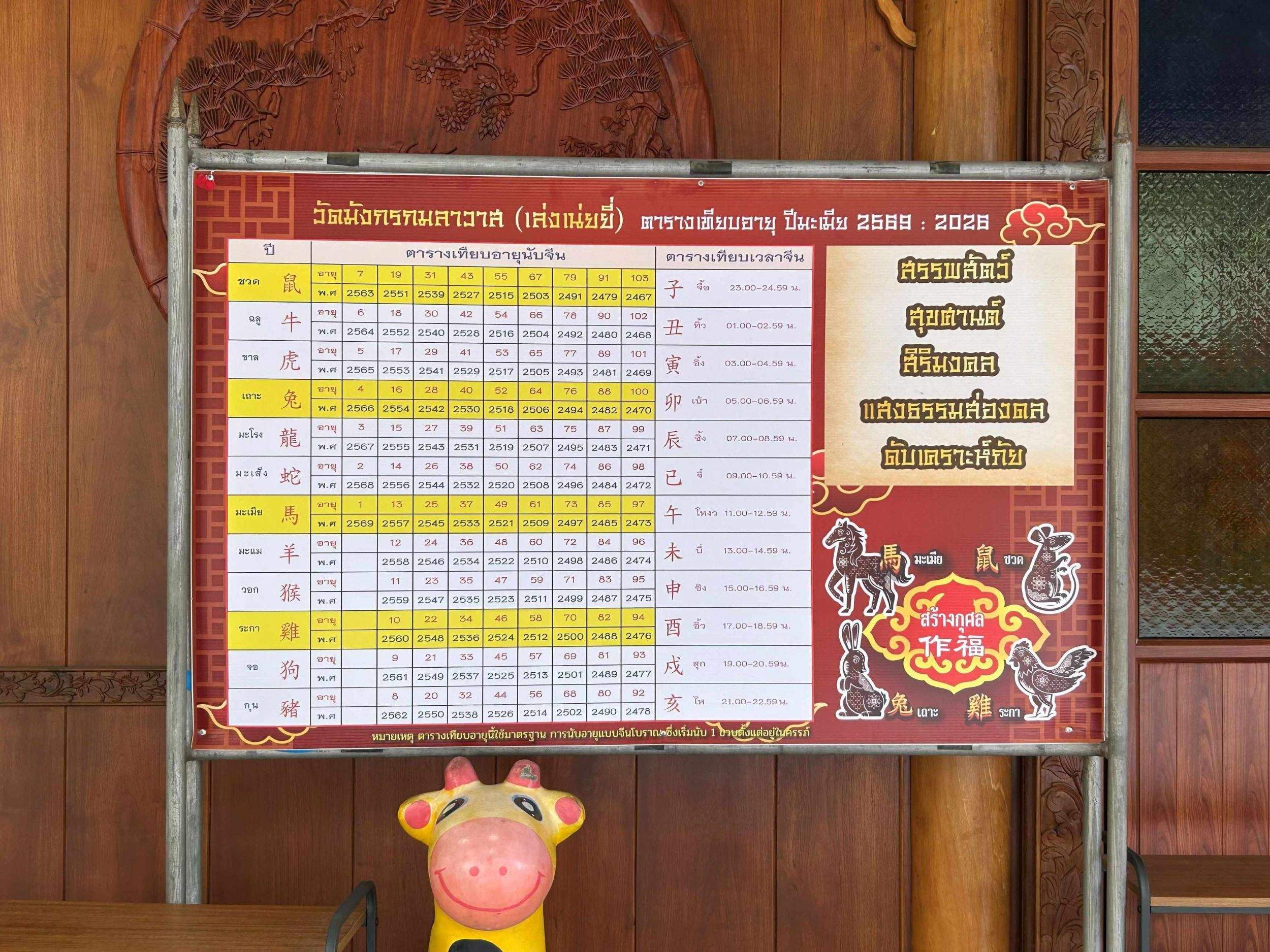
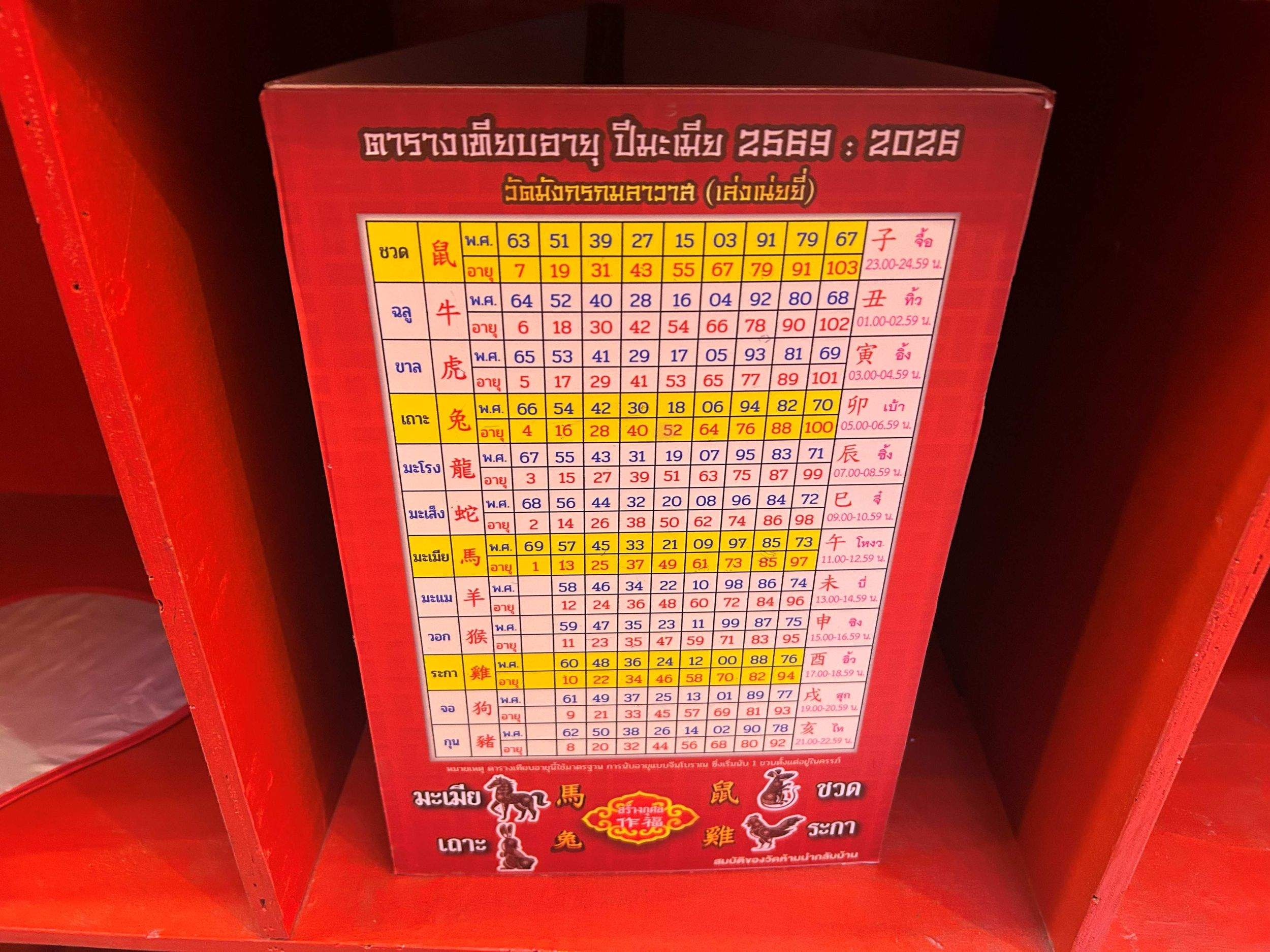
Many locals—my ex-colleagues included—make an annual pilgrimage here to pray for a smooth year ahead. Wat Mangkon is legendary as Bangkok’s ultimate go-to spot for countering bad luck during your zodiac clash year (Pee Chong) and boosting overall fortune.
During this visit, I discovered that the temple has created a massive, newly dedicated area specifically for these blessing rituals. The layout features clear, step-by-step instructions tailored to each zodiac sign, complete with auspicious timings for your prayers.
🐉 Step-by-Step Guide: The Tai Sui Luck-Clearing Ritual
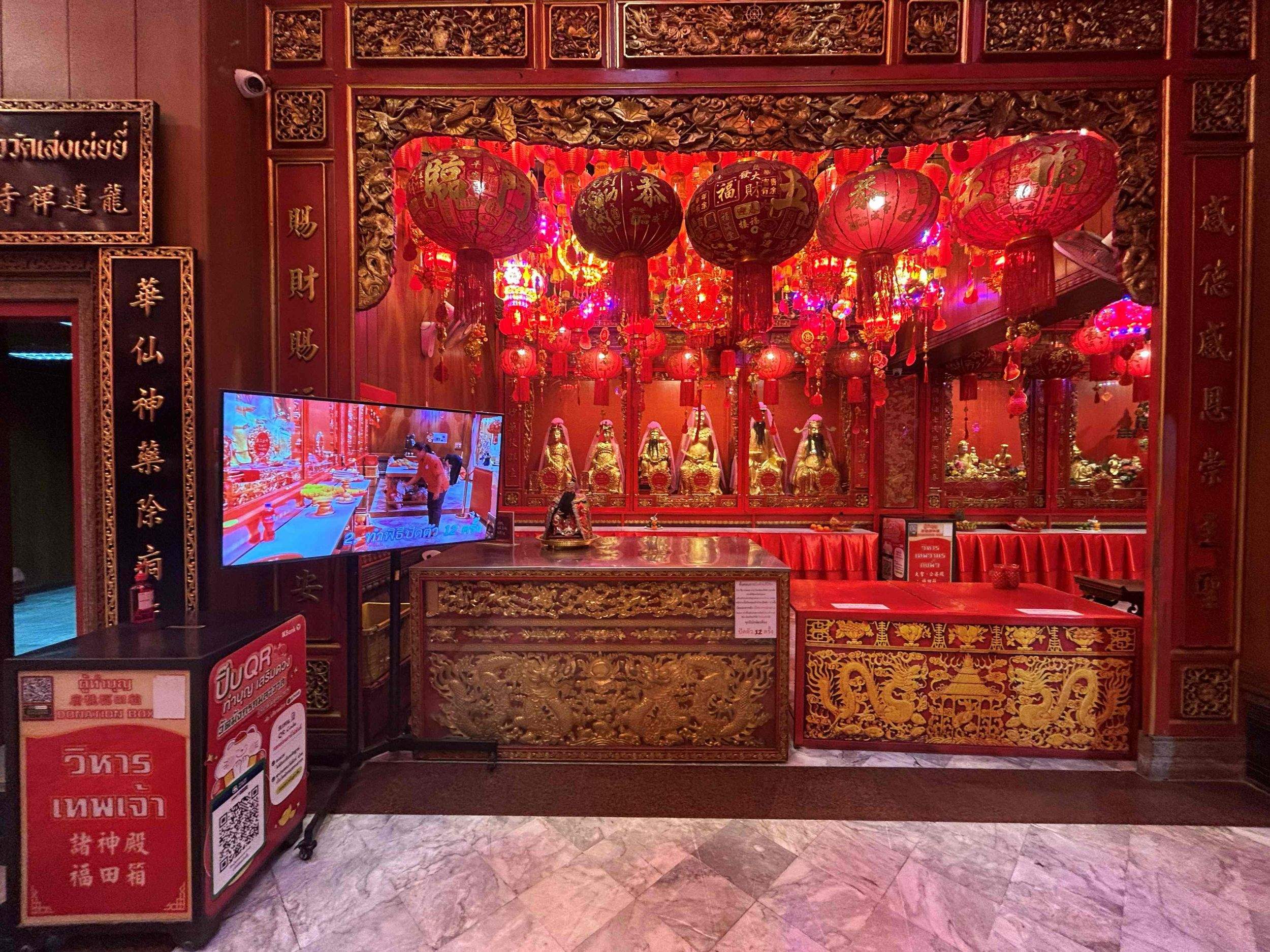
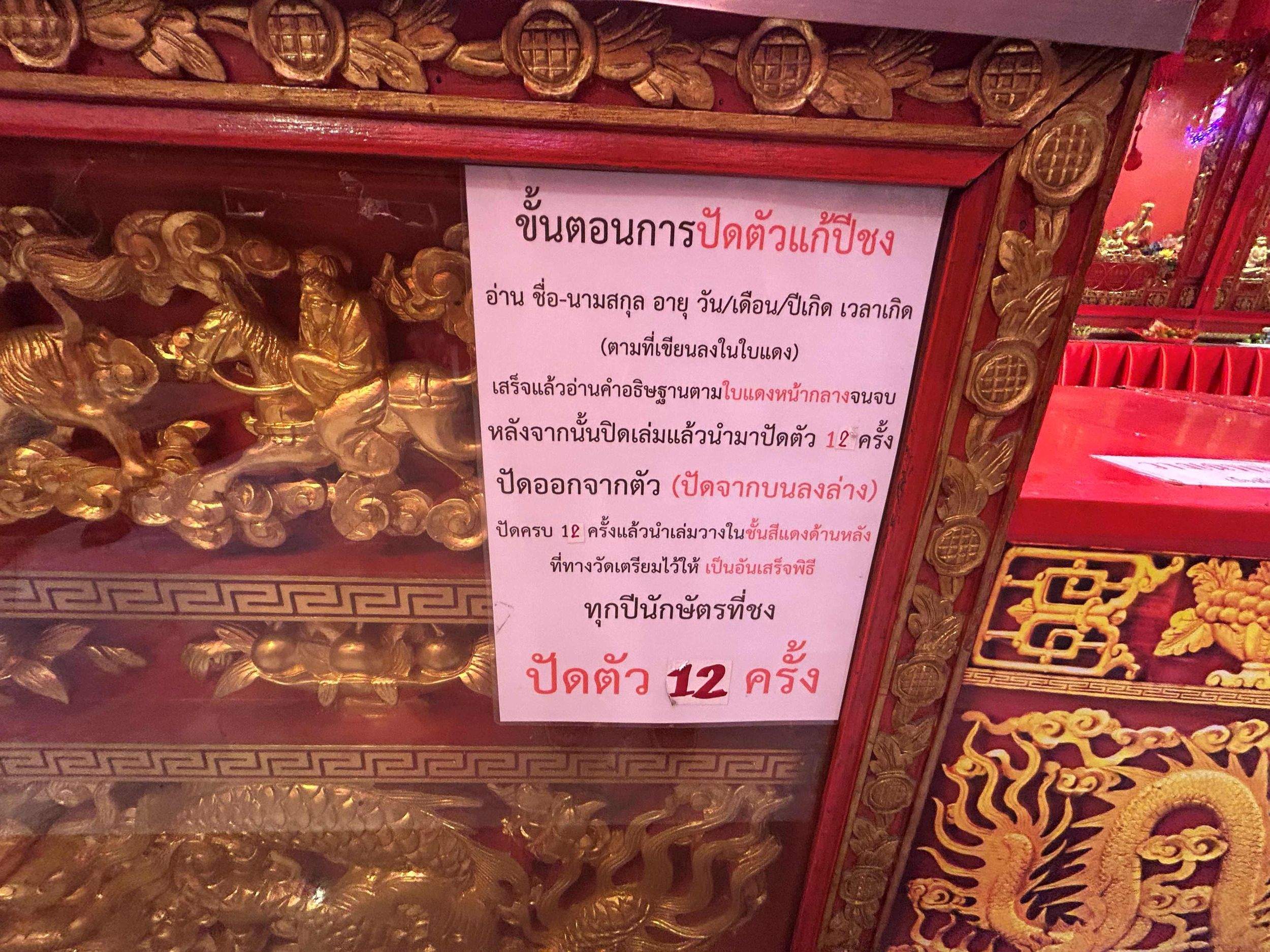
The core highlight of this process is paying respects to Tai Sui (ไท้ส่วยเอี๊ย), the Grand Duke of Jupiter and guardian deity of human destiny. To ease clashes, deflect impending misfortune, and invite positive energy:
- Write Your Details: Purchase a red prayer booklet/slip from the temple and write down your full name, age, date of birth, and time of birth.
- Recite the Prayer: Read the prayer printed on the central red page out loud from beginning to end.
- The 12-Sweep Cleansing Ritual: Close the prayer book and hold it in your hand. Sweep the book over your body 12 times, moving from top to bottom (sweeping away from yourself) to cast off negative energy.
- Complete the Ceremony: Place the prayer book on the dedicated red altar/shelf provided at the back. The temple monks will continue prayers on your behalf throughout the year.
📍 Practical Information & Visitor Tips
Because of its prime location, a trip to Wat Mangkon is incredibly easy to pair with an afternoon of street food hunting in Yaowarat or cafe hopping along historic Song Wat Road.
- Address: 423 Charoen Krung Rd, Pom Prap, Bangkok
- How to Get There: Take the MRT to Wat Mangkon Station. Take Exit 3, and the temple is just a 2-minute walk away.
- Opening Hours: 6:00 AM – 6:00 PM Daily
- Recommended Offerings: If you wish to make traditional fruit or dessert offerings to the deities, local stalls outside sell sets consisting of 5 golden oranges, auspicious spring rolls, or traditional Chan-ab sweet sets.
⚠️ Important Temple Rule (Environmental Update): To reduce environmental pollution and waste, the temple committee strictly prohibits visitors from bringing or burning joss paper/paper offerings inside the premises. Please respect the rule and refrain from buying paper offerings outside to bring indoors.
💡 Our Top Tip: To experience the true architectural beauty and peaceful spiritual atmosphere without navigating dense crowds of worshippers, aim to arrive before 9:00 AM.